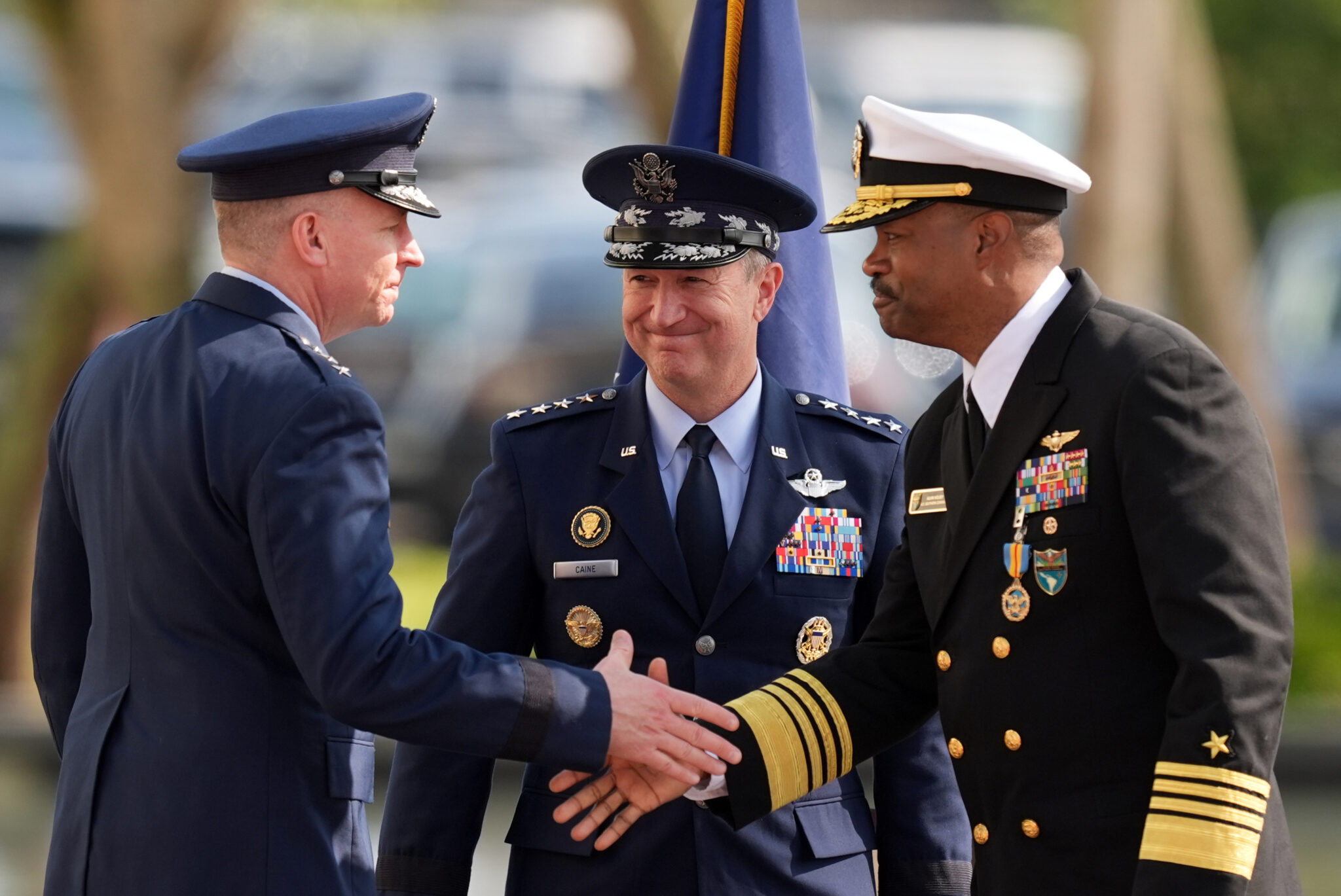
Admiral Holsey Retires Amid Trump’s Controversial Drug Boat Strikes/ Newslooks/ WASHINGTON/ J. Mansour/ Morning Edition/ Admiral Alvin Holsey has stepped down early from his post overseeing U.S. military operations in Latin America amid increasing congressional scrutiny over deadly Trump administration boat strikes. Holsey was replaced by Lt. Gen. Evan Pettus at a subdued Southern Command ceremony. His departure follows a series of controversial military actions targeting suspected drug smugglers.
Trump-Era Drug Strikes Quick Looks
- Adm. Alvin Holsey retired after one year of leading U.S. Southern Command.
- His exit coincides with congressional investigations into military strikes on drug-smuggling boats.
- The Trump administration’s operations have killed at least 87 people to date.
- Holsey avoided commenting on the strikes during his farewell speech.
- Lt. Gen. Evan Pettus has temporarily assumed leadership pending a Senate-confirmed nominee.
- The strikes are part of Trump’s intensified anti-cartel strategy in Latin America.
- U.S. forces are operating with a powerful fleet including aircraft carriers and helicopters.
- Critics, including human rights advocates and some lawmakers, question the legality of the campaign.
- The operations aim to pressure Venezuela’s Maduro, charged with narcoterrorism by the U.S.
- Holsey’s departure adds to a wave of military leadership shake-ups under Secretary Pete Hegseth.
Deep Look: Admiral Retires Amid Latin America Military Scrutiny
DORAL, Fla. — A significant leadership shift occurred at U.S. Southern Command as Admiral Alvin Holsey formally stepped down from his role overseeing American military operations in Latin America. The retirement comes amid intense congressional scrutiny of deadly maritime strikes carried out under President Donald Trump’s second administration targeting suspected drug-smuggling vessels.
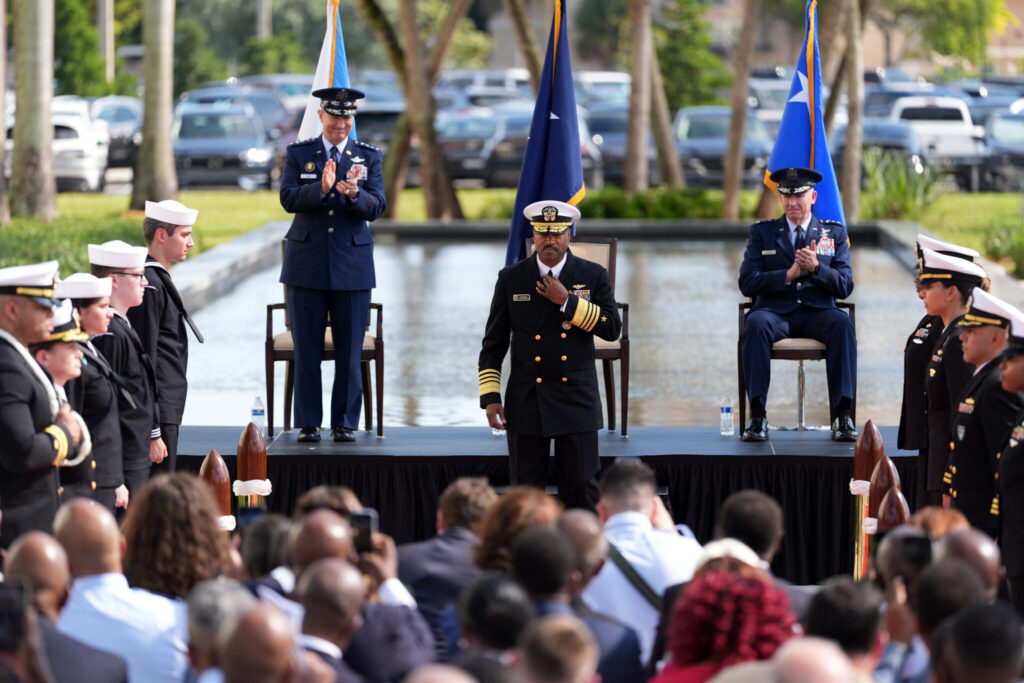
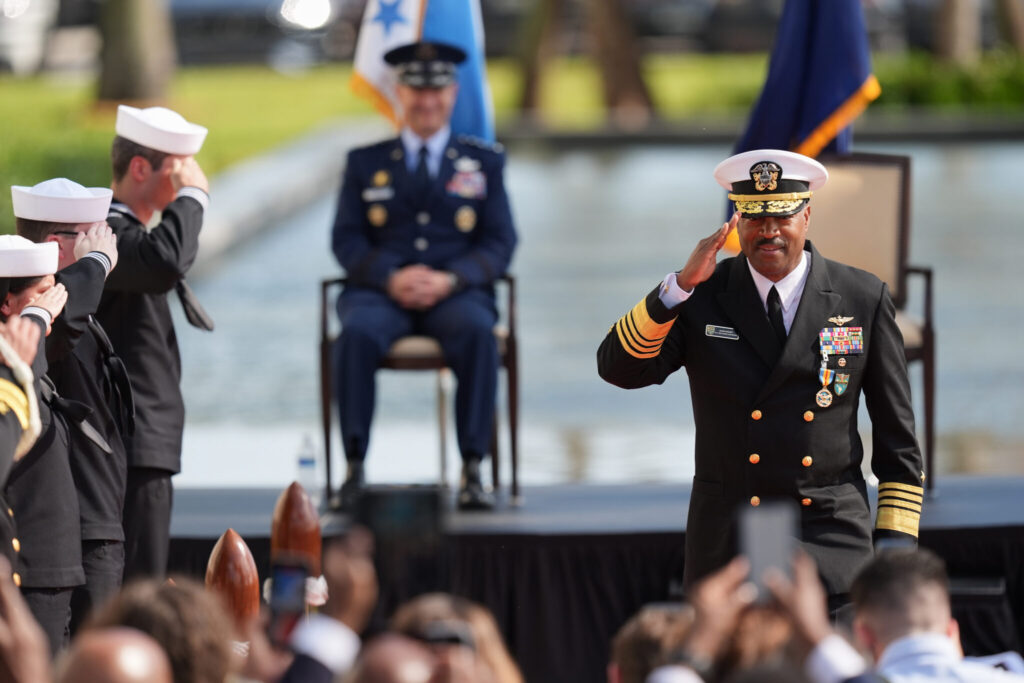
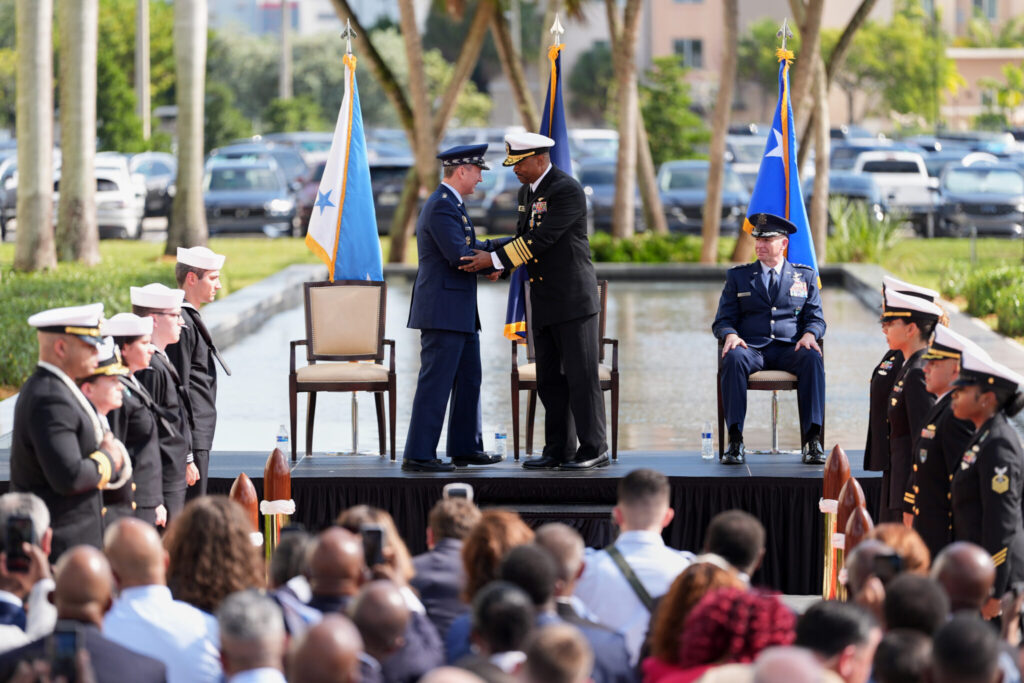
Holsey, who had held the position for just over a year—a tenure notably shorter than the typical three- to four-year assignment—transferred command to Air Force Lt. Gen. Evan Pettus during a muted ceremony at Southern Command headquarters in Doral, Florida. No mention was made of the controversial boat strikes or the sudden nature of Holsey’s exit.
In his farewell address, Holsey emphasized the importance of credibility, engagement, and respect for democratic values in maintaining partnerships across the region. “To be a trusted partner, we must be credible, present and engaged,” he told attendees, sidestepping any direct reference to the military campaign that has stirred global attention.
Holsey’s early departure had been announced in October, shortly after a series of aggressive U.S. military operations in the Caribbean Sea and eastern Pacific began targeting vessels suspected of drug trafficking. The campaign has resulted in at least 22 strikes, killing 87 individuals, some of whom were reportedly unarmed survivors clinging to the wreckage of previously hit boats.
The Trump administration has framed the operations as a counteroffensive against what it labels “narcoterrorist” threats emanating from Venezuela, Colombia, and Mexico. Backed by warships, attack helicopters, and even a nuclear-powered aircraft carrier, the campaign marks a significant escalation in the U.S.’s long-running war on drugs.
While President Trump and Defense Secretary Pete Hegseth have strongly defended the initiative, critics—including human rights advocates, legal scholars, and even members of Trump’s own party—have voiced concerns over the legality of killing suspects who, under prior administrations, would have faced arrest and prosecution by the U.S. Coast Guard.
The low-key retirement ceremony Friday reflected the politically sensitive nature of the moment. Defense Secretary Hegseth was notably absent, and Holsey’s replacement has yet to be formally nominated by the White House, adding a layer of uncertainty to Southern Command’s leadership.
General Dan Caine, chairman of the Joint Chiefs of Staff, praised Holsey’s service but also avoided mention of the operations. He lauded Holsey as a humble and effective leader: “It’s never been about you, it’s been about people, it’s been about others,” Caine said. “You’ve always said ‘we.’ The impact you’ve had will last for a long time.”
Meanwhile, on Capitol Hill, bipartisan investigations into the strikes are gathering steam. Secretary of State Marco Rubio and Defense Secretary Hegseth held classified briefings with lawmakers this week. Holsey also spoke to members of the Senate Armed Services Committee in a closed-door video call. While Senators confirmed Holsey answered questions, they noted he did not elaborate on the reasons behind his retirement, citing only “personal” motivations.
The Trump administration has invoked a post-9/11 legal interpretation of warfare to justify its actions, treating major drug cartels as foreign combatants in an ongoing armed conflict. The bold move aims to destabilize Venezuelan President Nicolás Maduro’s regime, which the U.S. has accused of enabling the drug trade. In a sharp escalation, U.S. forces recently seized a sanctioned oil tanker allegedly smuggling crude oil vital to Maduro’s control of power.
Maduro has responded by accusing the U.S. of using military operations as a pretext for regime change.
Lt. Gen. Pettus, a veteran fighter pilot with combat experience in Iraq and Afghanistan, now temporarily leads the command. Pettus had served as Holsey’s deputy since 2024. It remains unclear how long he will remain in charge, as a permanent successor awaits Senate confirmation.
Holsey’s retirement adds to a growing list of sudden leadership changes within the military since Hegseth assumed leadership of the Pentagon, suggesting a broader reshuffling of military brass amid the Trump administration’s evolving strategic agenda.