Amid Trump Tensions: Europe Breaks from U.S. Security, NATO Rifts Deepen/ Nerwslooks/ WASHINGTON/ J. Mansour/ Morning Edition/ European leaders are distancing from U.S. security reliance amid rising tensions under President Trump’s second term. With threats over Greenland and reduced NATO commitment, Europe is taking military and economic defense into its own hands. A new era of European strategic autonomy is emerging as trust in the U.S. fades.
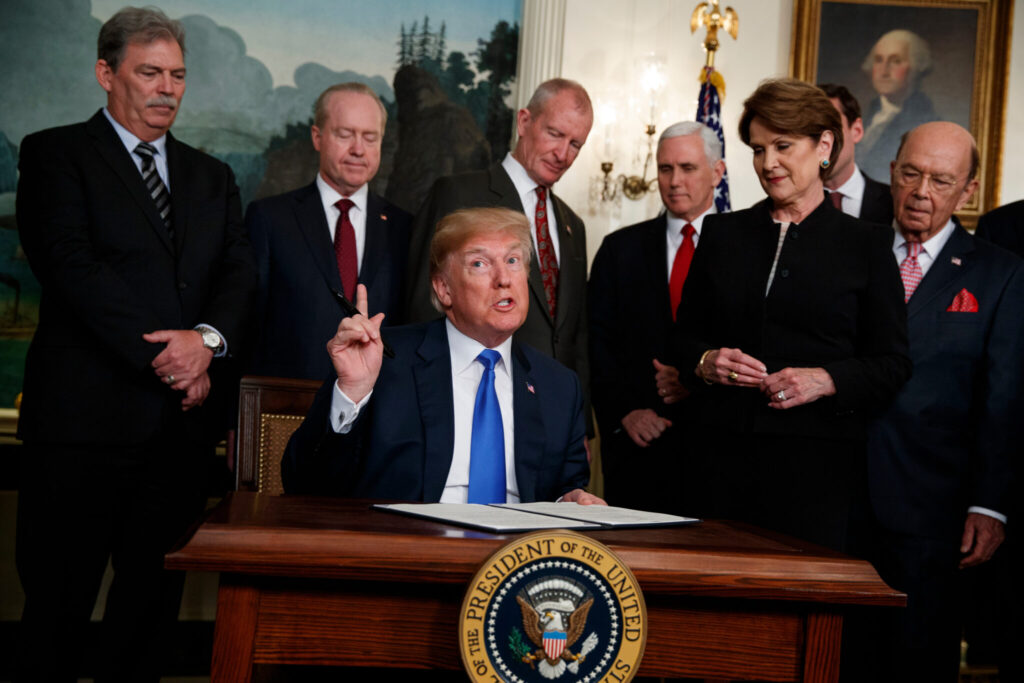
Europe’s Security Shift: Quick Looks
- EU leaders describe U.S. posture as “intimidation,” “blackmail,” amid Greenland tariff threats
- Trump’s second term brings new strain on NATO alliances
- Denmark warns U.S. annexation of Greenland would end NATO cooperation
- U.S. halts Ukraine military support; Europe now funds defense effort
- Trump blames Zelenskyy for war, signals retreat from NATO obligations
- U.S. defense strategy brands European allies weak, supports far-right narratives
- EU launches multibillion-euro defense fund focused on European-made arms
- Troops from six EU nations deployed to Greenland as a symbolic stand
- Macron: Europe’s alliances with U.S. no longer predictable
- Von der Leyen: Europe crafting independent security strategy
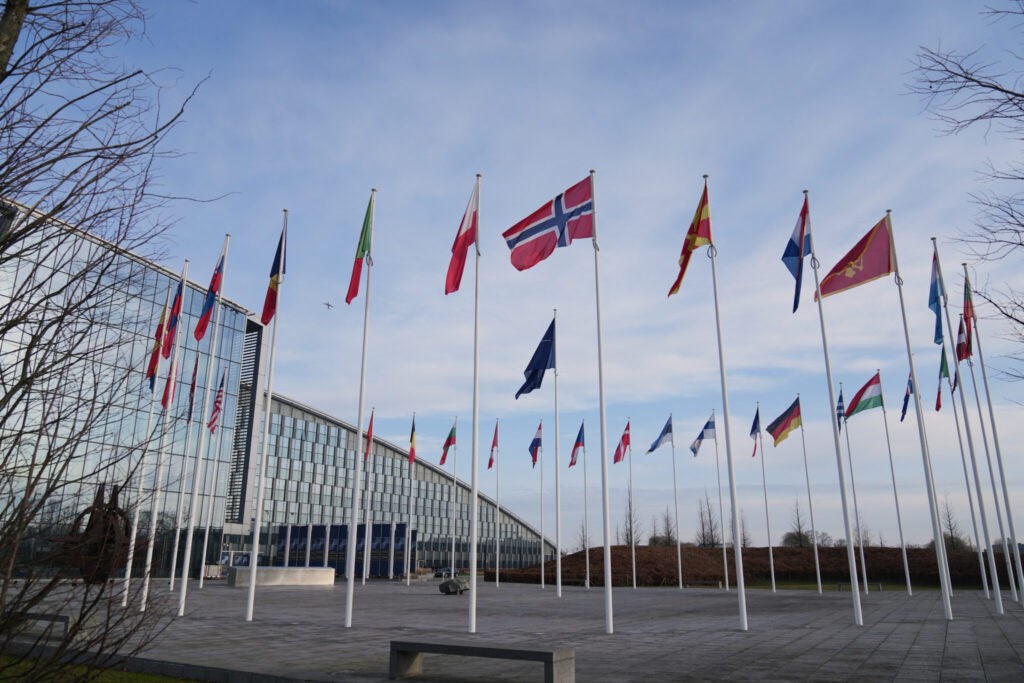
Deep Look: Europe Breaks from U.S. Security Umbrella as Trump 2.0 Unfolds
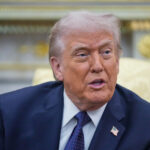
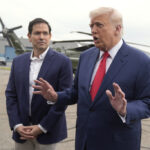
BRUSSELS — Europe is entering a new era of strategic self-reliance. After one year of Donald Trump’s second term as president of the United States, long-held assumptions about U.S. security guarantees are collapsing. With tensions escalating over Trump’s threats to impose tariffs on EU nations opposing American control of Greenland, the language from Europe is no longer diplomatic—it’s defiant.
European Union officials have openly described the current U.S. stance with words rarely directed at an ally: “intimidation,” “threats,” “blackmail.”
At the heart of the crisis is the unthinkable—a U.S. president threatening territorial seizure from a NATO ally. Trump’s push to take over Greenland, a semi-autonomous Danish territory, has shaken Europe’s trust in the alliance to its core.
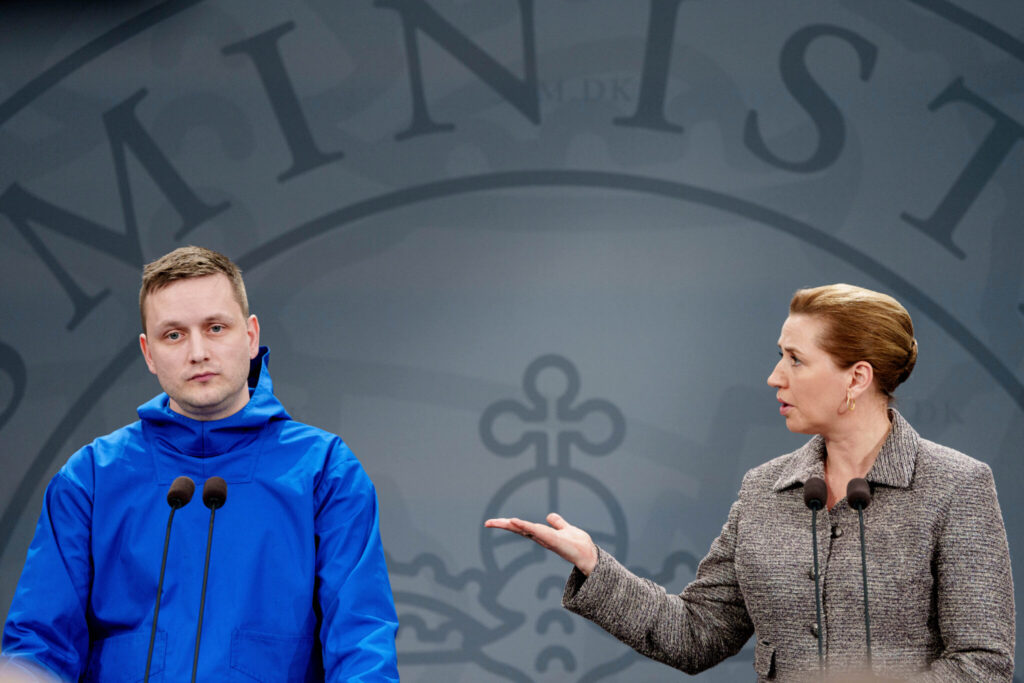
“Then everything stops… including our NATO,” said Danish Prime Minister Mette Frederiksen, drawing a line in the snow.
From Trust to Turmoil in One Year
Europe’s faith in the U.S. had already been eroding after Trump’s first term. But in this second go-round, the break feels more permanent. The previous strategy of flattery and cautious diplomacy is being replaced with independent defense planning and economic decoupling.
“We are at the very early stage of a rather deep political-military crisis,” said Maria Martisiute of the European Policy Centre. “There is a greater realization that America has abandoned NATO—even if political leaders hesitate to admit it.”
In January 2025, with the war in Ukraine entering its fourth year, European leaders were anxiously waiting for signals from Washington. But those hopes vanished quickly. Trump’s administration ended weapons shipments, funding dried up, and the U.S. made it clear: Europe was on its own.
In February, Defense Secretary Pete Hegseth told NATO allies at headquarters in Brussels that the U.S. would not assist if European forces entered Ukraine and faced retaliation from Russia.
Trump went further—blaming Ukrainian President Volodymyr Zelenskyy for Russia’s 2022 invasion.
Trump Turns Inward, Europe Looks Outward
In a February appearance in Munich, Vice President JD Vance emphasized that Europe’s main threat wasn’t Russia—but internal decay. He condemned limits on free speech and migration policies, aligning more with European far-right parties than traditional allies.
But newly elected German Chancellor Friedrich Merz, despite winning with right-leaning support, rejected Trump’s passive stance.
“We must now very quickly make very big efforts to strengthen our defense,” Merz said.
Europe Takes Action
By mid-2025, the EU and its allies were pivoting hard toward strategic autonomy:
- The EU launched a multibillion-euro defense fund to buy European-made arms
- Security-related spending rules were relaxed to allow more government investment
- Funds flowed into Ukraine’s domestic defense industry
- Europe pledged to cover Kyiv’s military and economic costs through 2027
- A new European security strategy began taking shape
European Commission President Ursula von der Leyen said the strategy would help Europe “respond to the geopolitical changes in our world and give an appropriate answer.”
New American Doctrine: Cold Shoulder to Europe
The final blow came with the new U.S. national security strategy, which criticized European allies as “weak”, cast migration policy as a threat, and offered subtle support for far-right parties across the continent.
“Europe must become much more independent,” Chancellor Merz said, summarizing the emerging consensus.
European Council President Antonio Costa echoed that message, warning Washington against political interference in EU affairs.
Greenland as the Flashpoint
The crisis crescendoed with Trump’s tariff threats against nations opposing U.S. control of Greenland. As a show of resolve, six European countries—France, Germany, the U.K., Norway, Sweden, and the Netherlands—deployed symbolic troops to the island.
While small in number, the message was loud.
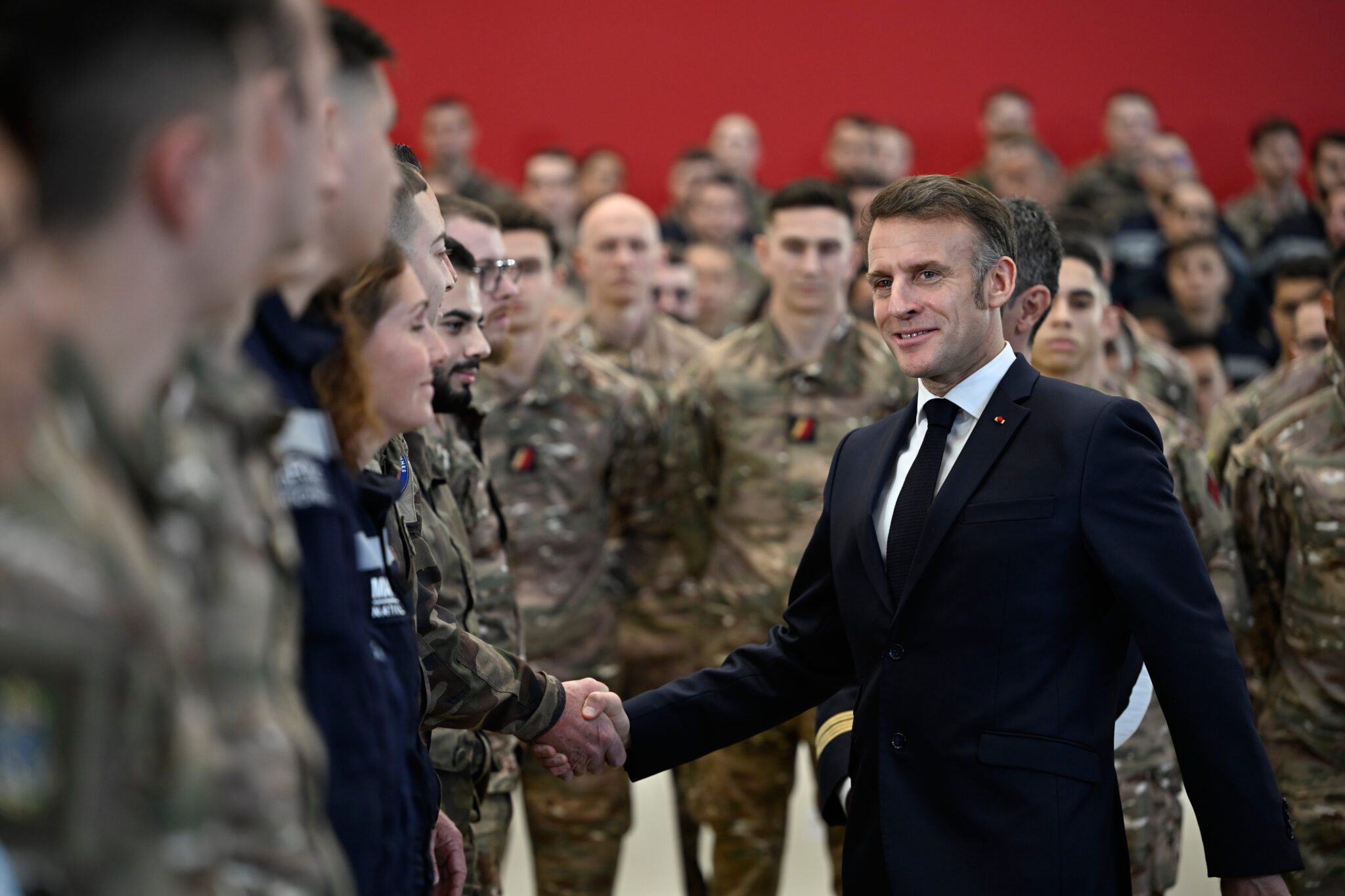
“It’s important to stand with a sovereign state to protect its territory,” said French President Emmanuel Macron, referring to Denmark.
He addressed French military leaders bluntly:
“Europe is being shaken from some of its certainties. Allies we thought were predictable are now making us question everything.”
The End of an Era?
The post-WWII assumption that America will always defend Europe may be over. Europe, long dependent on U.S. military muscle, is now preparing for a future where Washington could be a rival, not a partner.
For Europe, the response is no longer about waiting. It’s about building its own future—on its own terms.