Andrew Epstein Scandal Rocks UK Royal Family, Faces Worst Crisis in Generations/ Newslooks/ WASHINGTON/ J. Mansour/ Morning Edition/ The arrest of Prince Andrew over alleged misconduct linked to Jeffrey Epstein has triggered the gravest crisis for the British monarchy in nearly a century. King Charles has distanced the institution from his younger brother as scrutiny intensifies. While Andrew remains deeply unpopular, polling suggests the monarchy itself retains broad public support.
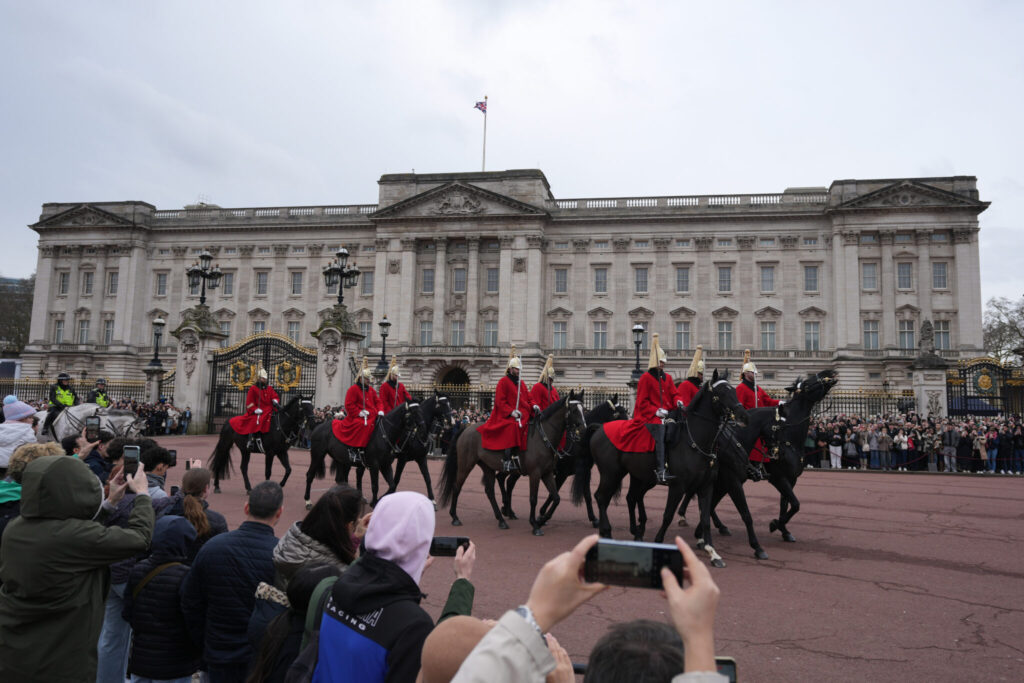

Prince Andrew Epstein Crisis Quick Looks
- Andrew arrested on suspicion of misconduct in public office
- Investigation tied to alleged links with Jeffrey Epstein
- King Charles says “the law must take its course”
- Worst royal crisis since 1936 abdication
- Titles and public roles already stripped
- Monarchy still supported by majority of Britons
- Questions remain over long-term institutional damage
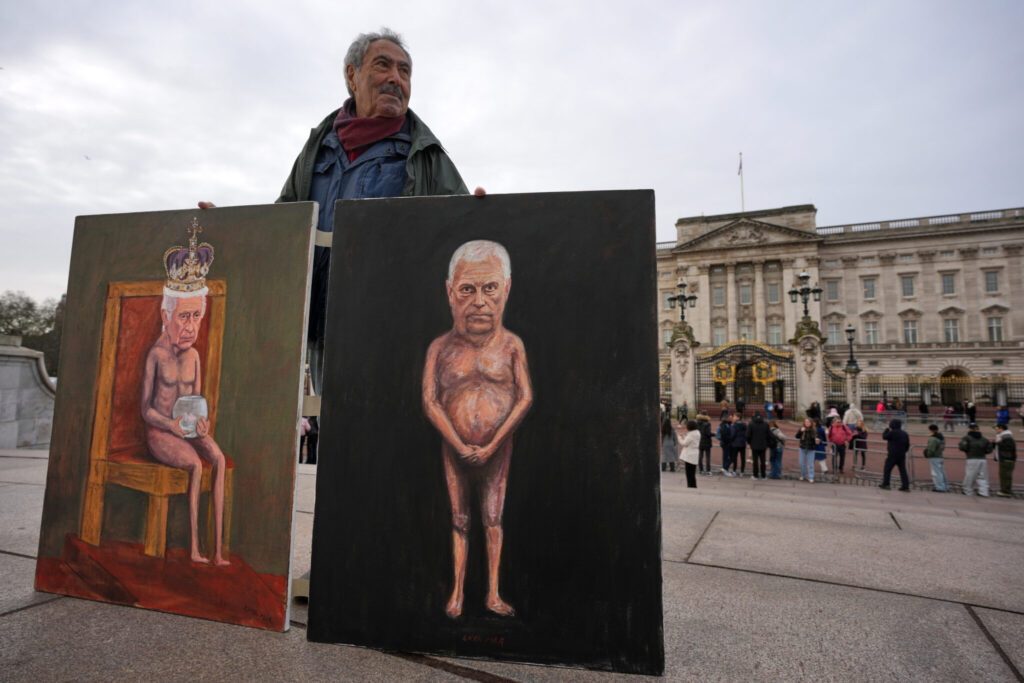
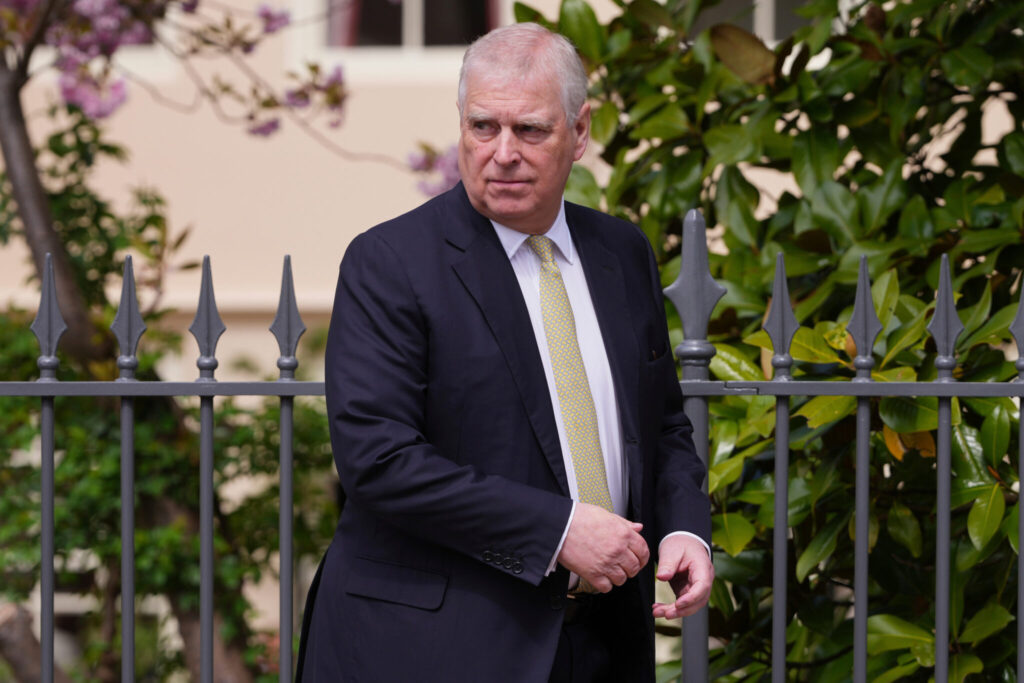
Deep Look: Andrew Epstein Scandal Rocks UK Royal Family, Faces Worst Crisis in Generations
Britain’s monarchy is confronting its most severe crisis in nearly 90 years following the arrest of Prince Andrew, the younger brother of King Charles III.
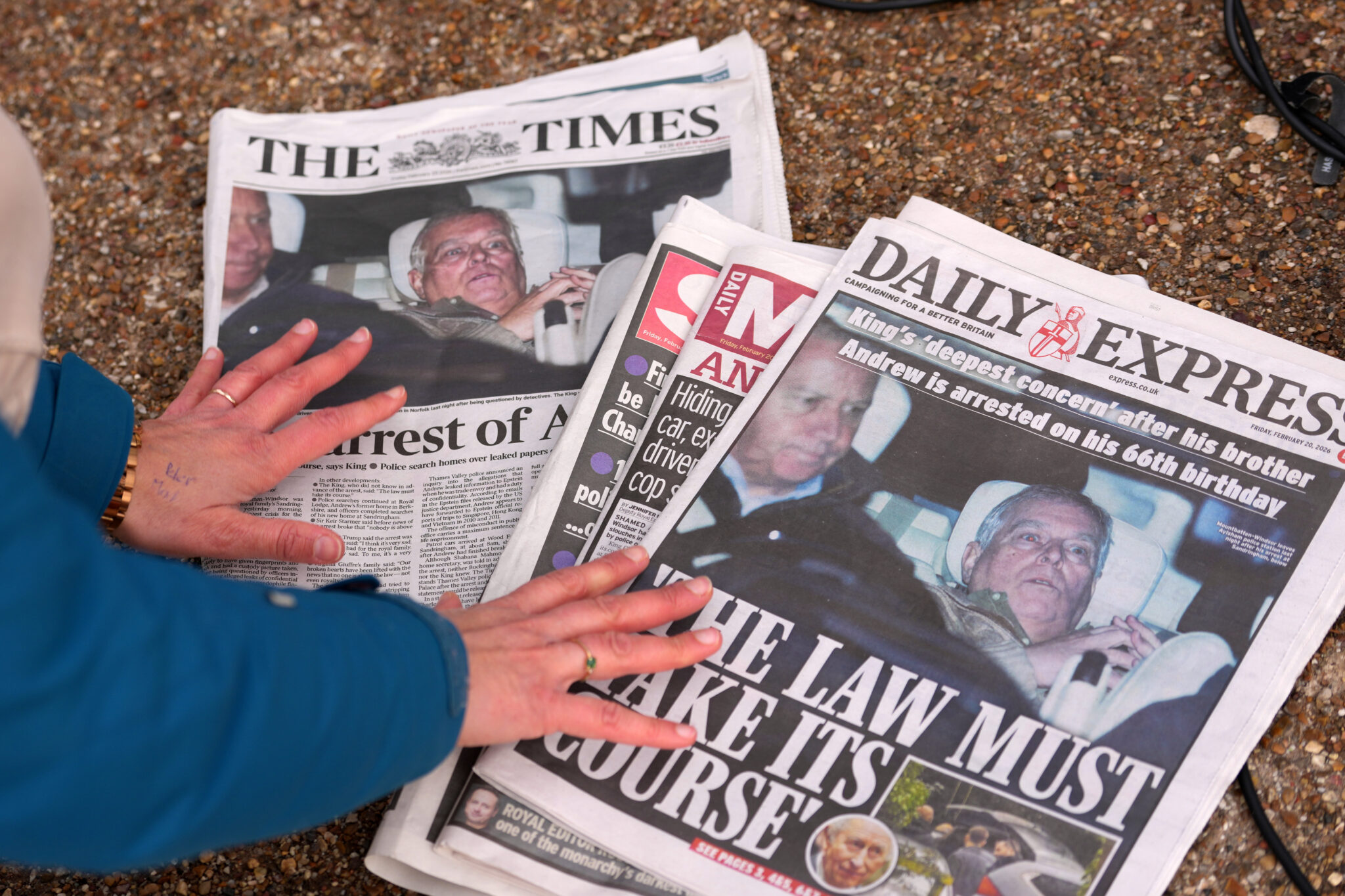
Andrew Mountbatten-Windsor was detained on suspicion of misconduct in public office, an investigation linked to allegations surrounding his past relationship with the late convicted U.S. sex offender Jeffrey Epstein. Images of him leaving a police station quickly dominated newspaper front pages, intensifying global scrutiny of the royal family.
The arrest has prompted comparisons to the 1936 abdication crisis, when King Edward VIII relinquished the throne to marry Wallis Simpson — an event widely regarded as the monarchy’s most destabilizing modern moment.
A Royal Institution Under Pressure
The House of Windsor has endured scandals before — from the turmoil following the death of Princess Diana in 1997 to the departure of Prince Harry and Meghan from royal duties. But the spectacle of a senior royal being arrested and investigated by police marks an unprecedented moment in contemporary royal history.
One former senior royal aide described the situation as the worst institutional crisis since the abdication, noting that unlike previous controversies, the palace has little control over unfolding legal developments.
“They’ve largely been reacting to events,” the aide said, pointing to uncertainty over what further revelations could emerge from documents tied to Epstein.
Republic, an anti-monarchy campaign group that filed complaints prompting the investigation, renewed calls to abolish the institution altogether. Its leader argued the episode damages the monarchy’s credibility.
Andrew has repeatedly denied wrongdoing connected to Epstein, while acknowledging he regrets the association.
Palace Moves to Distance Itself
In recent years, Andrew had already been sidelined. He was stripped of military titles, royal patronages and public roles, and has not undertaken official duties on behalf of the Crown.
Following the arrest, King Charles issued a brief but pointed statement: “Let me state clearly: the law must take its course.” The message signaled a further effort to separate the monarchy’s working members from the scandal.
Queen Camilla has expressed sympathy for victims of abuse, while Prince William and Catherine, Princess of Wales, have said they are “deeply concerned” by the developments surrounding the Epstein case.
Royal communications veterans say the strategy is clear: create unmistakable distance between Andrew and the institution’s core leadership.
“The hope is to draw clear blue water between the working royals and what they represent — and Andrew’s personal conduct,” said a former communications chief for the king.
Public Opinion: Andrew vs. The Monarchy
Polling data suggests Andrew’s personal standing has collapsed. A recent YouGov survey showed only 3% of Britons view him favorably, with about 90% holding a negative opinion.
By contrast, the monarchy’s leading figures remain relatively popular. Prince William enjoys strong public approval ratings, while King Charles maintains majority support despite undergoing treatment for cancer.
Support for the monarchy overall, while diminished from historic highs and weaker among younger Britons, still commands a comfortable majority nationwide.
Many observers believe that distinction — between Andrew’s personal reputation and the broader institution — may be critical to the monarchy’s survival.
“It’s damaging, and it doesn’t reflect well on the family,” said one London commuter. “But I think they’ll survive.”
Legal and Political Risks Ahead
The most serious potential threat, critics argue, would emerge if evidence surfaced showing senior royals had prior knowledge of any misconduct and failed to act. So far, there is no indication that King Charles or Prince William were aware of wrongdoing.
The investigation reportedly centers on Andrew’s former role as a U.K. trade envoy, where allegations suggest confidential government information may have been shared with Epstein. According to individuals familiar with palace dynamics, Charles had expressed reservations at the time about Andrew taking on that position.
Whether this episode becomes an existential crisis for the monarchy remains uncertain. Some experts argue the institution’s continuity — and the steady leadership of Charles and William — provides resilience.
“This won’t bring the monarchy down,” one former aide said. “But it will cause lasting damage.”
For a 1,000-year-old institution that has weathered wars, abdications and political upheaval, the coming months may determine whether this scandal is another storm endured — or a turning point in Britain’s constitutional history.