

Anthropic Sues Trump Administration Over Pentagon AI Ban/ Newslooks/ WASHINGTON/ J. Mansour/ Morning Edition/ AI company Anthropic has filed lawsuits challenging actions by the administration of Donald Trump that restrict federal use of its chatbot Claude. The company argues the government retaliated after it refused to allow unrestricted military use of its AI technology. The dispute highlights growing tensions over how artificial intelligence should be used in warfare and surveillance.

Anthropic Lawsuit Against Trump Administration Quick Looks
- Anthropic filed lawsuits challenging federal restrictions on its AI technology.
- The administration labeled the company a “supply chain risk.”
- President Donald Trump ordered federal agencies to stop using Claude.
- The company says the move was retaliation for refusing certain military uses of its AI.
- U.S. Department of Defense had previously integrated Claude into classified systems.
- Anthropic opposes using its AI for mass surveillance of Americans or fully autonomous weapons.
- The dispute comes as rival companies like OpenAI, Google, and xAI compete for defense contracts.
- Anthropic filed lawsuits in California federal court and Washington, D.C. federal appeals court.
- The Pentagon reportedly plans to shift some AI work to ChatGPT, Gemini, and Grok.
- The company argues the government’s actions threaten hundreds of millions in contracts.
Deep Look
Anthropic Challenges Trump Administration Over AI Restrictions
Artificial intelligence company Anthropic has filed lawsuits against the administration of Donald Trump, accusing the federal government of retaliating against the company after it refused to allow unrestricted military use of its AI technology.
The San Francisco–based firm is asking federal courts to overturn a decision by the U.S. Department of Defense that labeled the company a “supply chain risk.”
Anthropic also seeks to block a directive from Trump ordering federal agencies to stop using the company’s chatbot Claude.
The legal battle represents one of the most visible clashes yet between the U.S. government and a major artificial intelligence developer over the future role of AI in military operations.
Two Lawsuits Filed
Anthropic filed two separate legal actions Monday.
One lawsuit was filed in federal court in California, while another was submitted to a federal appeals court in Washington, D.C.
Each case challenges different aspects of the government’s actions against the company.
According to Anthropic’s legal filings, the government’s decisions represent an unconstitutional attempt to punish the company for exercising its right to set limits on how its technology is used.
“These actions are unprecedented and unlawful,” the company said in its complaint.
Anthropic argues the federal government lacks legal authority to blacklist a domestic technology firm for refusing certain defense applications.
Pentagon Designation Sparks Dispute
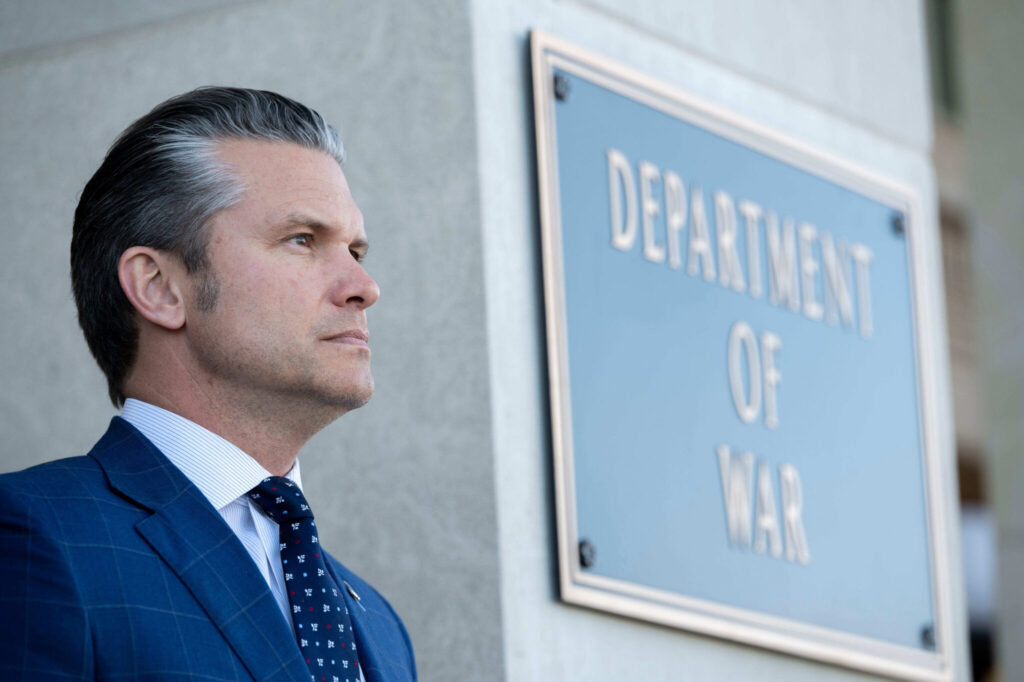
The controversy escalated last week when the Pentagon labeled Anthropic a “supply chain risk.”
The designation effectively blocks the company from participating in certain defense-related technology contracts.
The classification is typically used to prevent foreign adversaries from infiltrating sensitive U.S. defense systems.
Anthropic says this is the first time the government has used the designation against an American company.
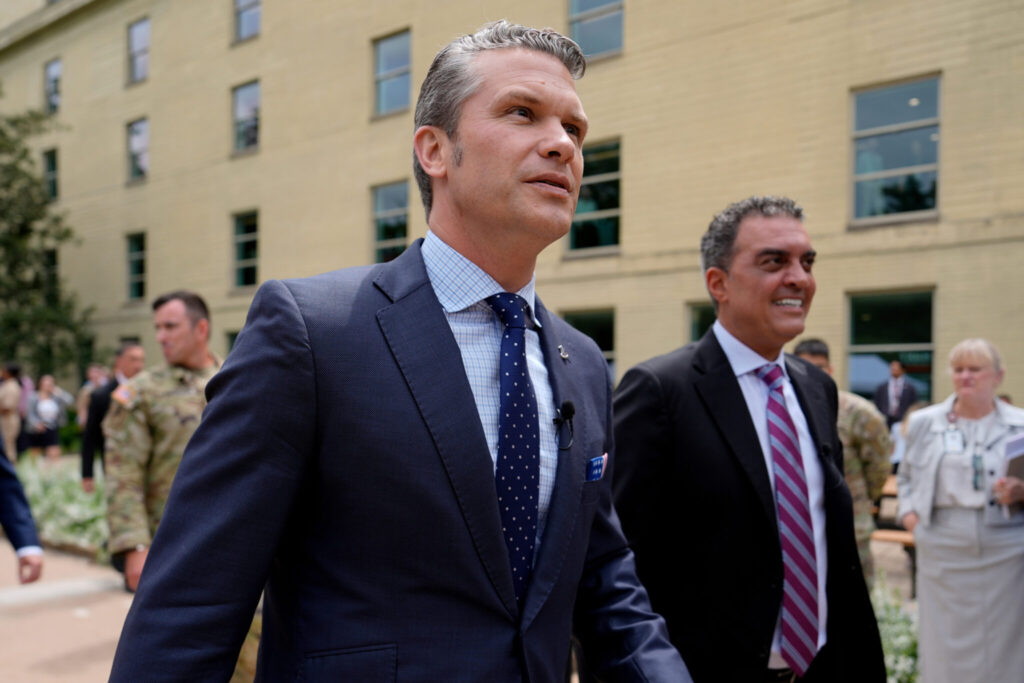
Defense Secretary Pete Hegseth said in a letter to Anthropic that the step was necessary to protect national security.
The Department of Defense declined to comment publicly on the lawsuit, citing ongoing litigation.
Dispute Over Military Use of AI
At the heart of the conflict is a disagreement about how artificial intelligence should be used in military operations.
Anthropic says it refused government demands to allow two specific applications of its technology:
- Mass surveillance of American citizens
- Fully autonomous weapons systems without human oversight
The company says those uses conflict with its safety policies and mission.
Anthropic’s guidelines prohibit deploying its AI in lethal autonomous warfare unless human decision-makers remain directly involved.
The company also opposes using its systems for widespread surveillance inside the United States.
Government Demands Broader Access
Government officials argued that if Anthropic wanted to work with the military, it had to allow all lawful uses of its AI systems.
When the company declined, the Pentagon moved to penalize the firm through the supply-chain designation.
Trump also directed federal agencies to stop using Anthropic’s AI tools.
However, the administration allowed the Pentagon six months to phase out Claude from existing classified systems where the chatbot had already been deployed.
Those systems reportedly include platforms used in intelligence analysis connected to the ongoing conflict involving Iran.
Impact on AI Industry Competition
The dispute has intensified competition among major AI companies seeking government contracts.
After the Pentagon restricted Anthropic’s technology, rival firms moved quickly.
OpenAI, creator of ChatGPT, secured a deal with the Defense Department soon after the announcement.
Meanwhile, the Pentagon is also considering replacing Anthropic’s technology with systems from Google, whose AI model Gemini could be integrated into defense platforms.
Another possible replacement is Grok, developed by xAI, the artificial intelligence company founded by Elon Musk.
Anthropic’s Rapid Growth
Despite the dispute, Anthropic remains one of the fastest-growing companies in the AI industry.
The privately held firm recently reported that more than 500 customers pay at least $1 million annually for access to its AI systems.
The company expects about $14 billion in revenue this year, and a recent investment round valued the company at approximately $380 billion.
Much of that revenue comes from businesses using Claude for software development, coding assistance, and automation.
Anthropic has emphasized that the Pentagon restrictions apply narrowly to defense-related work and do not affect most commercial customers.
Mission and AI Safety Debate
Anthropic was founded in 2021 by CEO Dario Amodei and several former employees of OpenAI.
The company has positioned itself as a leader in AI safety, emphasizing responsible development and deployment of advanced artificial intelligence.
In its lawsuit, Anthropic said protecting humanity from harmful AI applications remains central to its mission.
The company claims its technology has never been tested for autonomous weapons or mass domestic surveillance because it cannot guarantee safe outcomes in those scenarios.
Industry Fallout
The controversy has sparked debate within the technology industry.
Some AI researchers and engineers have publicly supported Anthropic’s stance.
Others argue that artificial intelligence will inevitably play a role in national security.
The debate intensified when Caitlin Kalinowski, head of robotics at OpenAI, resigned following the Pentagon partnership announcement.
She said the decision involved difficult ethical questions about surveillance and autonomous weapons.
“AI has an important role in national security,” Kalinowski wrote on social media. “But some lines deserve deeper deliberation.”
Legal Battle Ahead
Anthropic says it turned to the courts as a last resort.
The company argues the government’s actions threaten hundreds of millions of dollars in contracts and could damage the reputation of one of the world’s fastest-growing AI companies.
The outcome of the lawsuits could shape how the U.S. government regulates and partners with artificial intelligence firms — and define the boundaries of AI use in national security for years to come.






You must Register or Login to post a comment.