

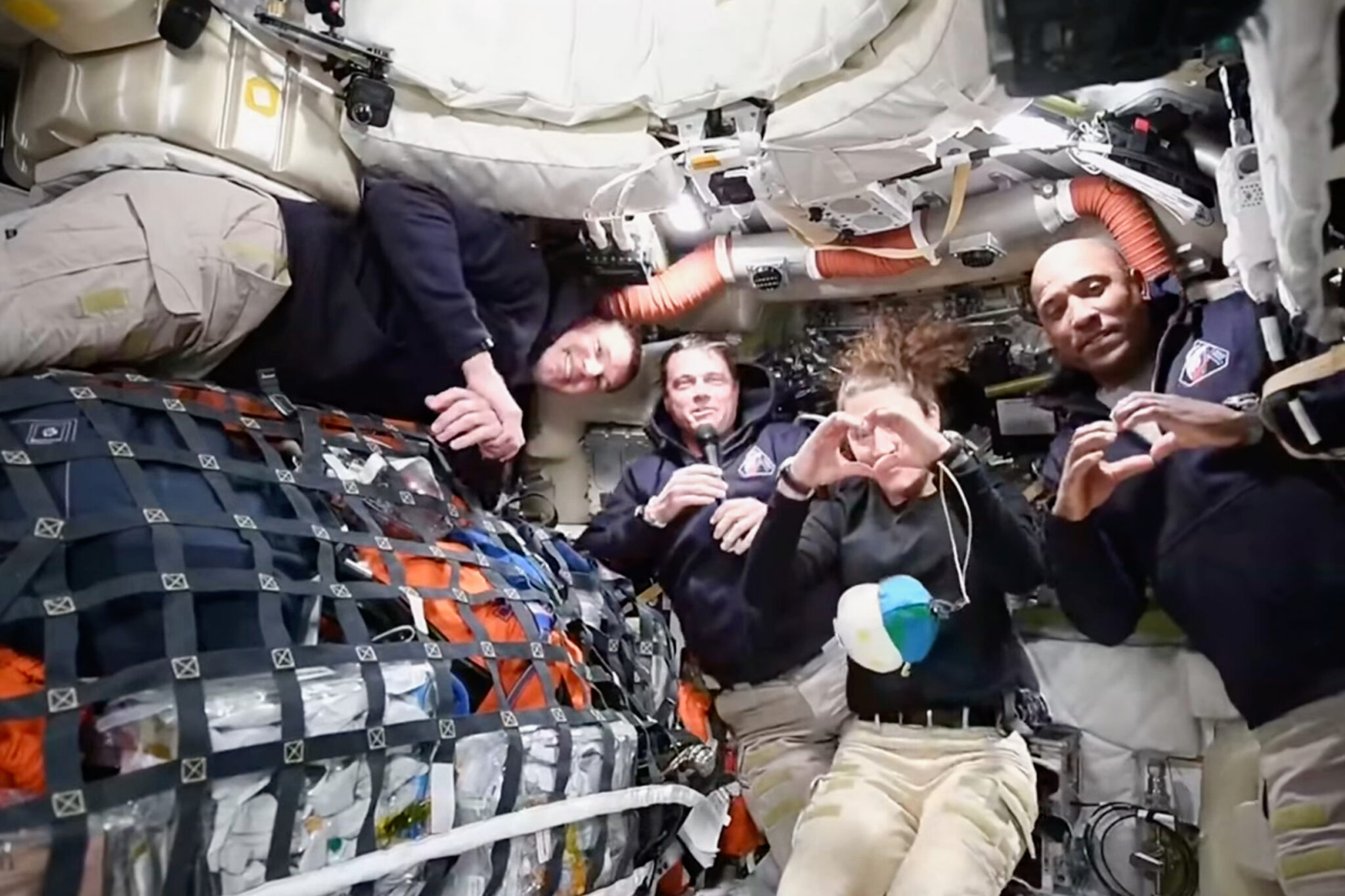
Artemis II Astronauts Halfway to the Moon, Seek to Break Apollo 13’s Record/ Newslooks/ WASHINGTON/ J. Mansour/ morning Edition/ Artemis II astronauts are more than halfway to the moon on a historic mission. The crew aims to surpass Apollo 13’s distance record for human spaceflight. NASA’s first lunar crew in 53 years plans a flyby before returning to Earth.
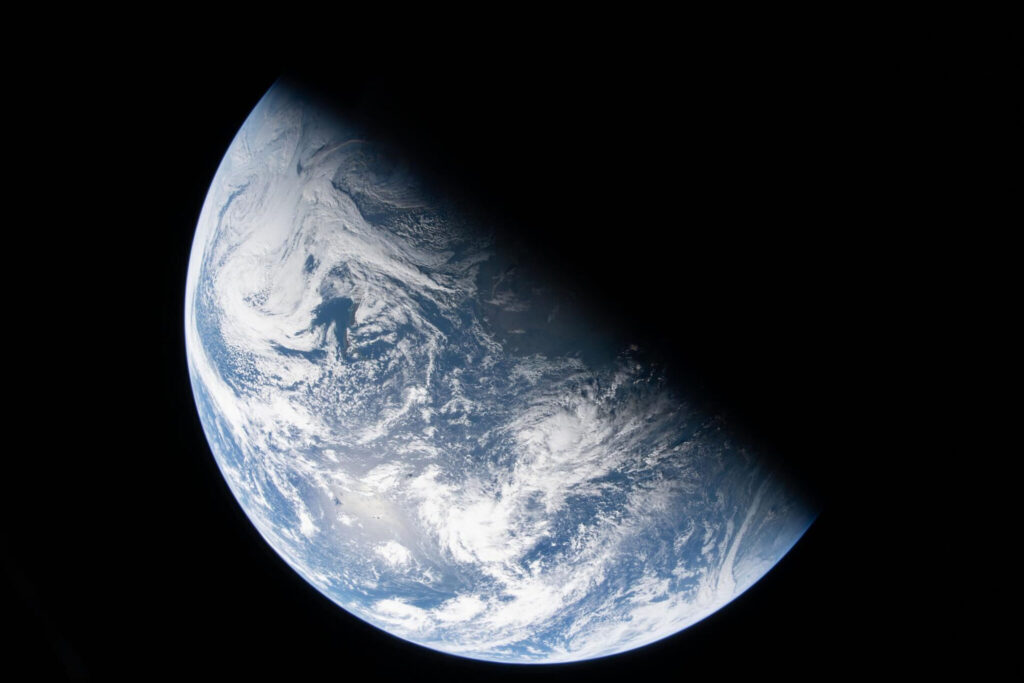
Artemis II Moon Mission — Quick Looks
- Artemis II astronauts halfway to moon
- Mission aims to break Apollo 13 record
- Four astronauts traveling around lunar far side
- First crewed moon mission in 53 years
- Canadian astronaut Jeremy Hansen makes history
- NASA Orion spacecraft conducting lunar flyby
- Mission duration nearly 10 days
- Splashdown planned for April 10
- First step toward 2028 lunar landing
- NASA targeting sustainable moon base
Deep Look: Artemis II Astronauts Near Moon Record
NASA’s Artemis II astronauts are now more than halfway to the moon, moving toward a historic lunar flyby that could set a new record for human space travel and mark a major milestone in America’s return to deep space.
The four-person crew — three Americans and one Canadian — is expected to reach the moon Monday, when they will fly around the lunar far side and capture images of terrain rarely seen by human eyes. The mission marks the first time astronauts have traveled toward the moon in more than 53 years, continuing exploration efforts first launched during NASA’s Apollo program.
The Artemis II mission is poised to set a new distance record for human spaceflight. The Orion spacecraft carrying the crew is expected to travel more than 252,000 miles (400,000 kilometers) from Earth before looping behind the moon and heading back home. The current record for the farthest distance traveled by humans from Earth was set during the Apollo 13 mission.
The Canadian Space Agency marked the milestone Saturday, celebrating astronaut Jeremy Hansen’s participation. Hansen is the first non-American astronaut assigned to travel to the moon, making his role a historic moment for Canada.
“Today he is making history for Canada,” Canadian Space Agency President Lisa Campbell said during a televised event from Quebec. “As we watch him take this bold step into the unknown, let his journey remind us that Canada’s future is written by those who dare to reach for more.”
During the live broadcast, Hansen described the views from NASA’s Orion capsule as “extraordinary,” highlighting the unique perspective of Earth from deep space.
Hansen is joined on the mission by NASA astronauts Reid Wiseman, Victor Glover, and Christina Koch. Together, they represent the first crewed lunar mission since Apollo 17 in 1972.
The Artemis II mission also includes several historic firsts. Christina Koch is the first woman to travel to the moon, while Victor Glover becomes the first Black astronaut to make the journey.
Their nearly 10-day mission is scheduled to conclude with a splashdown in the Pacific Ocean on April 10. Unlike previous lunar missions that aimed for landings, Artemis II is focused on testing spacecraft systems, navigation, and crew operations in deep space.
NASA views the mission as a critical step toward its broader Artemis program goals. The space agency plans to land astronauts near the moon’s south pole in 2028, eventually establishing a sustainable human presence on the lunar surface.
The Artemis program represents NASA’s renewed push for long-term lunar exploration, including the development of infrastructure such as lunar habitats and support systems. These efforts are also expected to help prepare for future missions to Mars.
The Artemis II crew’s journey builds on decades of space exploration history while paving the way for future missions beyond Earth’s orbit.
As the astronauts continue toward the moon, their mission marks not only a return to lunar exploration but also a new era of international cooperation and long-term space exploration.
If successful, Artemis II will set a new benchmark for human spaceflight and bring NASA one step closer to returning astronauts to the moon for the first time in more than half a century.






You must Register or Login to post a comment.