BBC Moves to Dismiss Trump’s $10B Defamation Lawsuit in Florida Court/ Newslooks/ WASHINGTON/ J. Mansour/ Morning Edition/ The BBC is seeking to dismiss President Donald Trump’s $10 billion defamation lawsuit over an edited 2021 speech shown in a documentary. Trump alleges the BBC misrepresented his words to damage his reputation ahead of the 2024 election. The broadcaster denies wrongdoing and plans to argue lack of jurisdiction and malice.
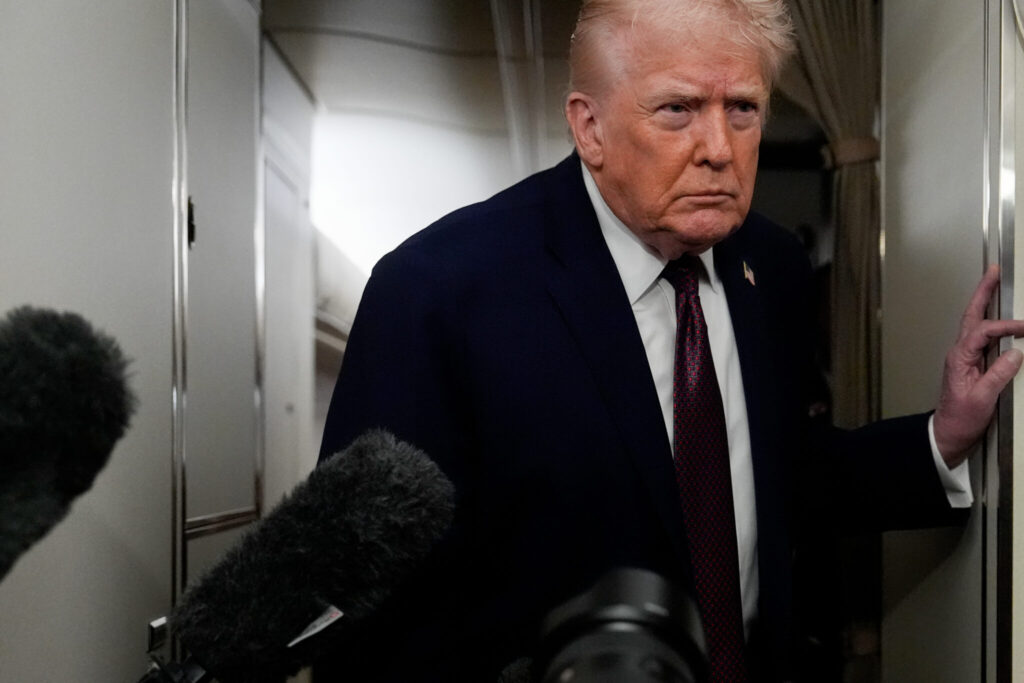
Trump’s $10B Lawsuit Against BBC: Quick Looks
- Trump is suing the BBC for $10 billion
- Lawsuit claims defamation and unfair trade practices
- Case centers on editing of Trump’s January 6, 2021, speech
- BBC documentary aired days before 2024 U.S. election
- Documentary spliced quotes, omitting peaceful protest comments
- BBC apologized for the edit but denies defamation
- Top BBC executives resigned amid backlash
- Motion to dismiss filed due to lack of jurisdiction
- BBC disputes documentary’s availability on U.S. streaming platforms
- Trial may not begin until 2027 if lawsuit proceeds
BBC Moves to Dismiss Trump’s $10B Defamation Lawsuit in Florida Court
Deep Look
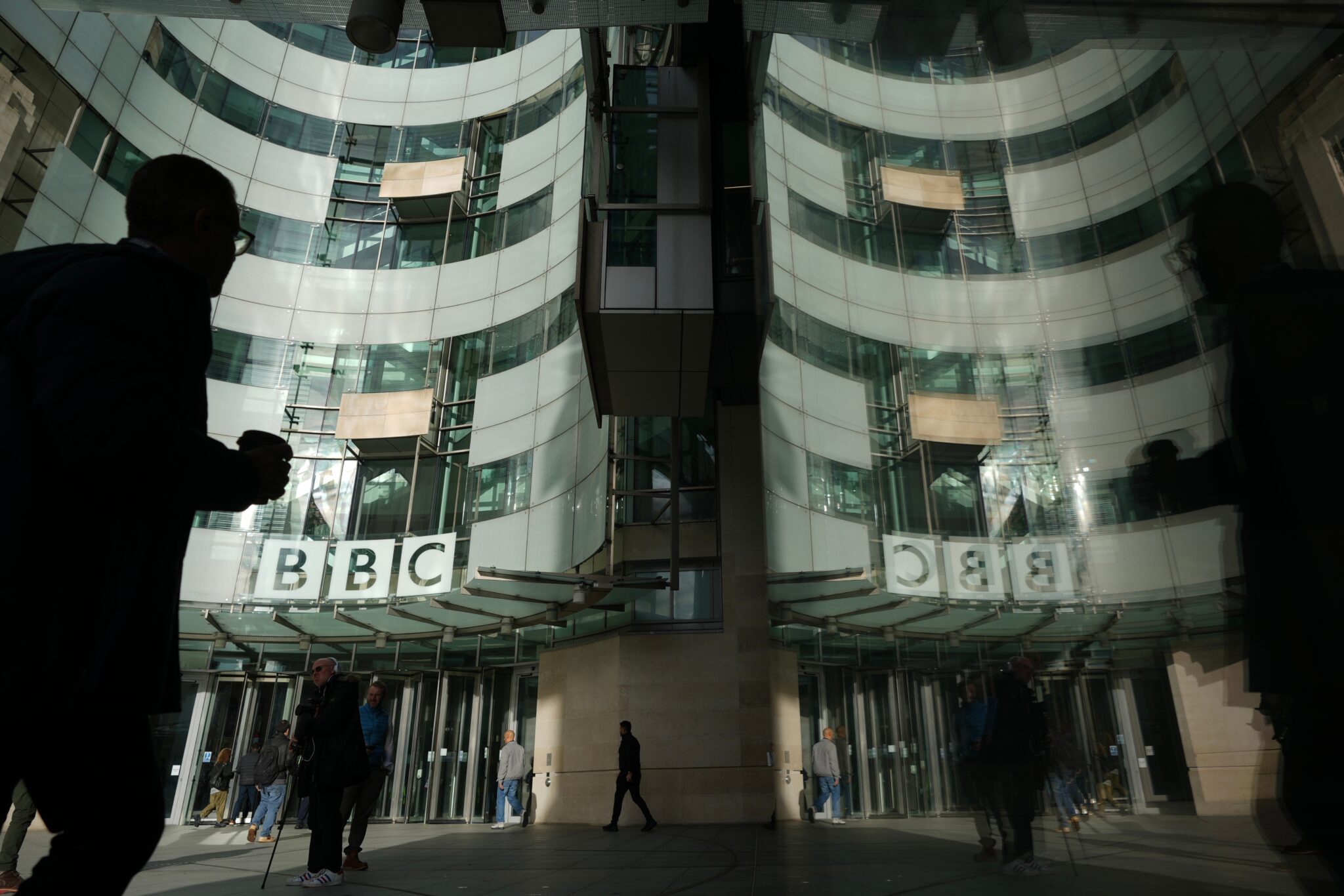
The British Broadcasting Corporation (BBC) is moving to have a $10 billion lawsuit brought by President Donald Trump dismissed in a Florida federal court, arguing that the case lacks legal merit and falls outside U.S. jurisdiction.
Trump filed the suit in December, alleging that the BBC maliciously edited and aired footage from his January 6, 2021, speech to falsely portray him as inciting violence. The legal complaint seeks $5 billion in damages for defamation and another $5 billion for alleged unfair trade practices.
The focal point of the lawsuit is the BBC’s documentary “Trump: A Second Chance?”, which aired just days before the 2024 U.S. presidential election. According to Trump’s legal team, the program manipulated his speech by splicing together parts delivered nearly an hour apart—creating the appearance that he urged supporters to “fight like hell” and march to the Capitol without including his call for “peaceful” demonstrations.
The fallout over the documentary sparked a media firestorm and led to the resignation of both the BBC’s Director General and its head of news. While the broadcaster has acknowledged the problematic edit and apologized for the omission, it firmly rejects any suggestion that it defamed Trump or acted with malicious intent.
On Monday, the BBC filed papers with the U.S. District Court in Miami stating its intention to seek dismissal of the case by March 17. The broadcaster’s legal team argues that the court lacks personal jurisdiction, as the BBC neither produced nor broadcast the documentary in Florida.
Furthermore, the BBC disputes Trump’s claim that the documentary was made available to U.S. viewers through the BritBox streaming platform. In its filing, the BBC maintains that the program was distributed exclusively for U.K. audiences and not intended for consumption in the United States.
Attorney Charles Tobin, representing the BBC, also argues that Trump cannot prove actual damages, noting that he won the 2024 presidential election by a wide margin, including a 13-point victory in Florida. Tobin pointed out that by the time the documentary aired, Trump had already been federally indicted for alleged efforts to overturn the 2020 election.
“It is implausible to claim the BBC’s documentary caused reputational harm when public perception was already shaped by prior indictments and political developments,” Tobin wrote in the filing.
In addition to the motion to dismiss, the BBC is requesting that the court delay the discovery process—the pretrial phase where both parties must exchange evidence—until a ruling on the dismissal is made. The broadcaster argues that engaging in full discovery now would result in unnecessary costs and burdens, especially if the case is ultimately thrown out.
“Engaging in unbounded merits-based discovery while the motion to dismiss is pending will subject defendants to considerable burdens and costs that will be unnecessary if the motion is granted,” Tobin stated.
Should the court allow the case to proceed, a trial could be scheduled for 2027. Trump’s legal team has not responded publicly to the BBC’s filings, but the former president has previously said the lawsuit is part of a broader effort to hold media organizations accountable for spreading what he calls “false and malicious narratives.”
In a brief public statement on Tuesday, the BBC reiterated its stance: “As we have made clear previously, we will be defending this case. We are not going to make further comment on ongoing legal proceedings.”
The lawsuit adds to a growing list of legal battles involving the former president, many of which center on his conduct during and after his presidency, his handling of classified documents, his business practices, and now, his portrayal in international media.
Observers say the case could test the limits of transatlantic media liability and explore whether U.K.-based public broadcasters can be held accountable under U.S. defamation law—especially when their content allegedly reaches American audiences.
Legal experts also note the potential First Amendment implications, as media outlets around the world follow the case to gauge how aggressively foreign content may be litigated in U.S. courts moving forward.