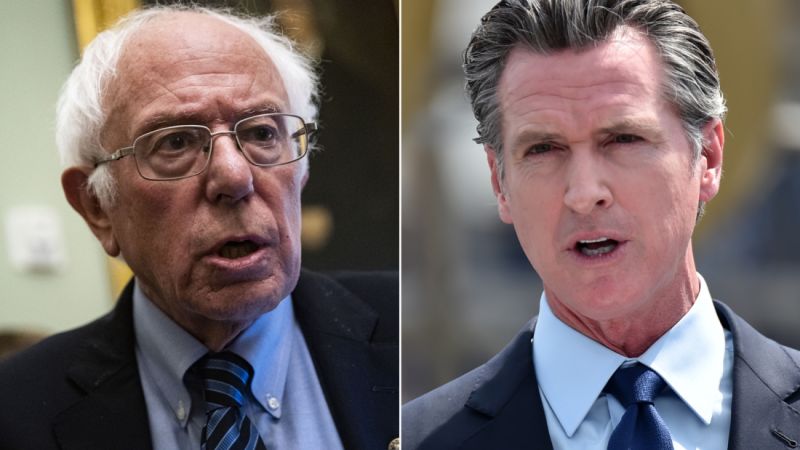
Bernie Sanders and Gavin Newsom Clash Over Billionaire Tax/ Newslooks/ WASHINGTON/ J. Mansour/ Morning Edition/ A California ballot proposal to impose a one-time wealth tax on billionaires has sparked a public clash between Bernie Sanders and Gov. Gavin Newsom. Supporters say the tax would offset federal health care funding cuts, while opponents warn it could damage the state’s economy. The dispute highlights growing tensions within the Democratic Party ahead of the 2026 midterm elections.
California Billionaire Tax Proposal Quick Looks
- Proposal would impose a one-time 5% tax on billionaire assets
- Backed by Bernie Sanders and progressive groups
- Opposed by Gov. Gavin Newsom and business leaders
- Supporters aim to fund health services after federal cuts
- Critics warn of billionaire exodus and budget instability
- Measure must collect 870,000 signatures to reach ballot
Deep Look: Bernie Sanders and Gavin Newsom Clash Over Billionaire Tax
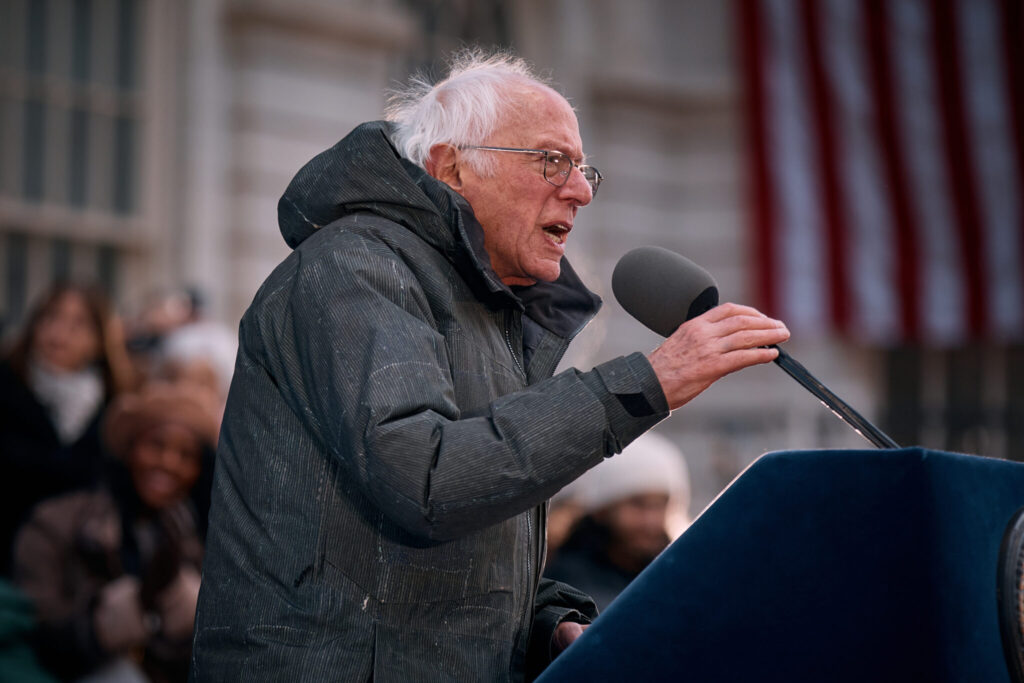
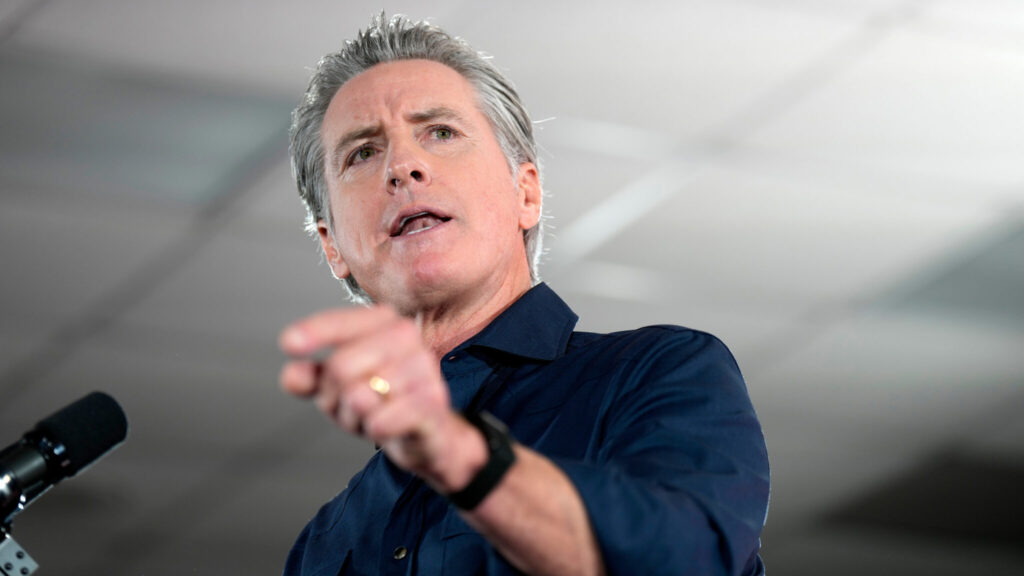
A proposed California ballot initiative to tax billionaires has opened a high-profile rift between two leading Democrats: U.S. Sen. Bernie Sanders and California Gov. Gavin Newsom. As national Democrats search for unity heading into the 2026 midterm elections, the debate over taxing extreme wealth has instead underscored ideological divisions within the party.
Sanders is traveling to Los Angeles to rally support for the proposal, which would impose a one-time 5% tax on the total assets of California billionaires. The measure targets a broad range of holdings, including stocks, privately held businesses, artwork, collectibles and intellectual property. Advocates say the revenue would help offset federal funding cuts to health services for low-income residents that were enacted last year under President Donald Trump.
Sanders, a longtime critic of wealth inequality, has framed the initiative as a moral and economic imperative. Writing on social media, he said the tax is necessary at a time of “unprecedented and growing wealth and income inequality,” arguing that the country cannot thrive when wealth is concentrated in the hands of a few.
The proposal has unsettled Silicon Valley, where several tech executives have warned that such a tax could prompt wealthy individuals to relocate outside California. Critics argue that the measure could undermine the state’s economic competitiveness and destabilize its already strained finances.
Newsom has emerged as one of the plan’s most vocal Democratic opponents. He has long resisted state-level wealth taxes, contending they would place California at a disadvantage compared to other states and potentially shrink the tax base if billionaires move elsewhere. With California facing budget pressures and Newsom widely viewed as a potential 2028 presidential contender, he is seeking to block the proposal before it qualifies for the ballot.
Brian Brokaw, a longtime Newsom adviser who is leading a political committee opposing the tax, said the initiative would worsen affordability challenges rather than solve them. He argued that issues such as rising health care costs, school funding concerns and economic uncertainty would not be addressed by the one-time levy.
The clash comes at a delicate moment for Democrats nationally. Midterm elections historically disadvantage the party that controls the White House, and Democrats are hoping to reclaim control of the U.S. House of Representatives. In California, newly redrawn congressional districts approved by voters last year are expected to favor Democrats, potentially flipping up to five seats.
Political analysts say intraparty disputes risk distracting from broader campaign messaging. Eric Schickler, a political science professor at the University of California, Berkeley, noted that parties benefit when they are unified around key themes while opponents are divided. A visible split between Sanders and Newsom complicates that strategy, though Schickler also suggested that proposals targeting billionaires can energize progressive voters and help candidates distinguish themselves.
The billionaire tax proposal originated with a major health care union seeking to cushion the blow of federal spending reductions affecting lower-income Californians. Supporters argue that the wealthiest residents have benefited disproportionately from economic growth and should contribute more during times of fiscal strain.
Opponents counter that California’s economy — the fourth largest in the world — relies heavily on high-income taxpayers. Analysts warn that even a small number of billionaire relocations could cost the state hundreds of millions of dollars in annual tax revenue. Critics also question whether a one-time tax would provide sustainable funding for ongoing health care needs.
The debate has already spilled into California’s 2026 gubernatorial race. Republican candidates Chad Bianco and Steve Hilton have warned that the measure would lead to job losses and business flight. Democratic candidate and San Jose Mayor Matt Mahan has argued that wealth inequality should primarily be addressed at the federal level, where tax policy can be applied uniformly across states.
As Sanders prepares to address supporters in Los Angeles — a city where he previously won the Democratic presidential primary by a wide margin — advocacy groups on both sides are ramping up fundraising and targeted outreach campaigns. Millions of dollars have already flowed into political committees supporting and opposing the initiative.
Before voters can weigh in, proponents must collect more than 870,000 valid petition signatures to qualify the measure for the November ballot. It remains uncertain whether the campaign will reach that threshold.
The outcome could shape not only California’s fiscal policy but also the Democratic Party’s broader message on economic inequality. For Sanders, the proposal reflects a long-standing call to confront concentrated wealth. For Newsom, it represents a financial risk that could jeopardize the state’s economic stability.
As the 2026 elections approach, the battle over California’s billionaire tax may serve as a test case for how Democrats navigate competing visions on taxing the ultra-wealthy while trying to present a united front to voters nationwide.