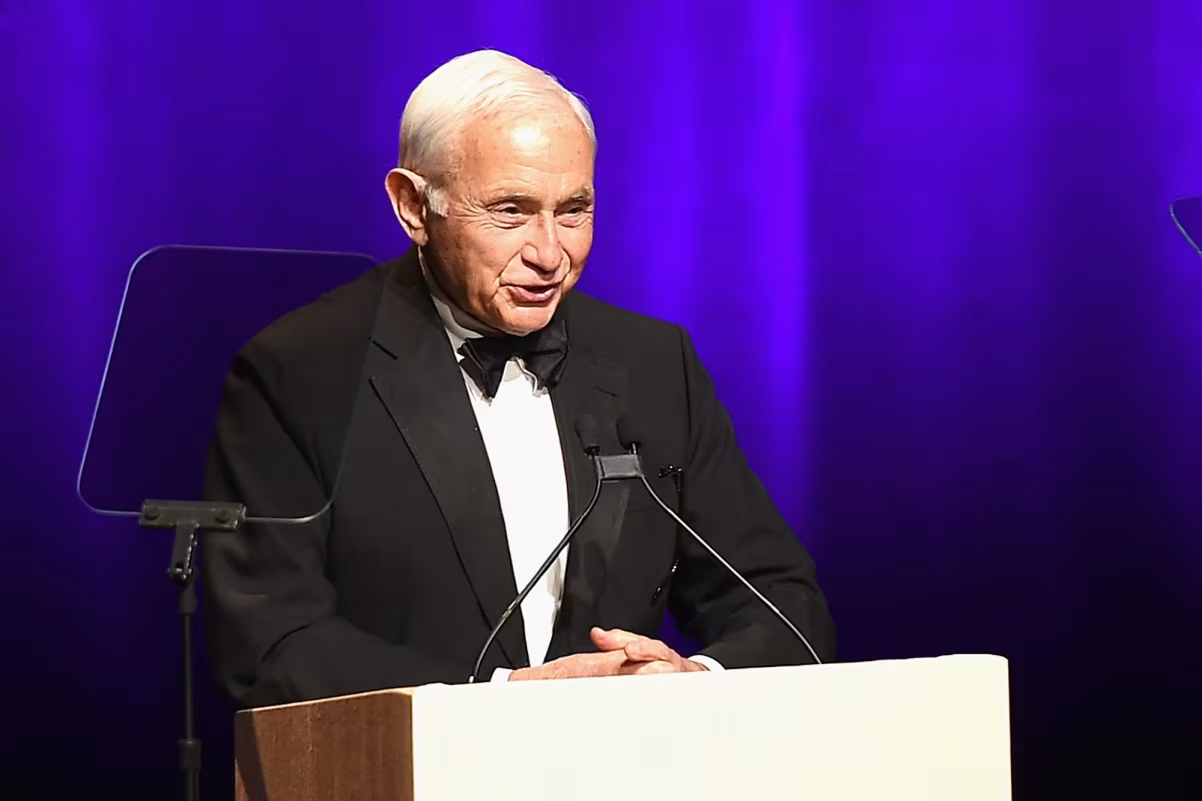
Billionaire Les Wexner Deposed in Congressional Epstein Probe/ Newslooks/ WASHINGTON/ J. Mansour/ Morning Edition/ Billionaire retail magnate Les Wexner will sit for a closed-door congressional deposition examining his decades-long ties to Jeffrey Epstein. Lawmakers are reviewing newly released Justice Department documents that reference Wexner extensively. The testimony could heighten scrutiny surrounding Epstein’s financial relationships and powerful associates.
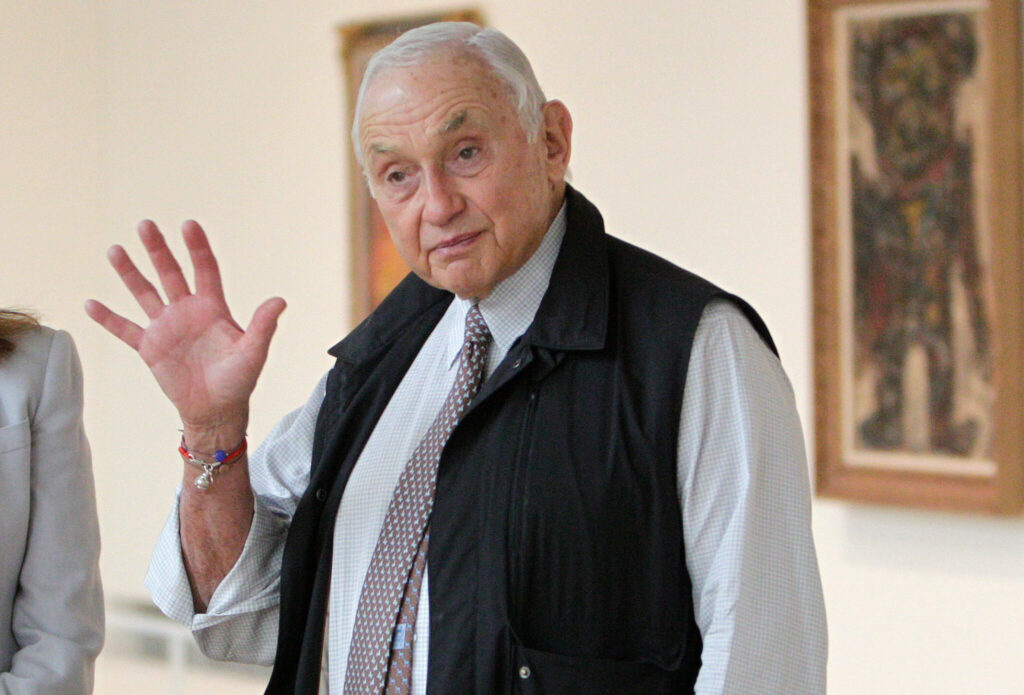
Les Wexner Congressional Deposition Quick Looks
- Deposition taking place in Ohio
- Subpoena issued by House Oversight and Government Reform Committee Democrats
- Newly released DOJ documents reference Wexner more than 1,000 times
- Wexner granted Epstein power of attorney in 1991
- Wexner denies wrongdoing and denies meeting Virginia Giuffre
- Survivors and alumni groups increasing public pressure
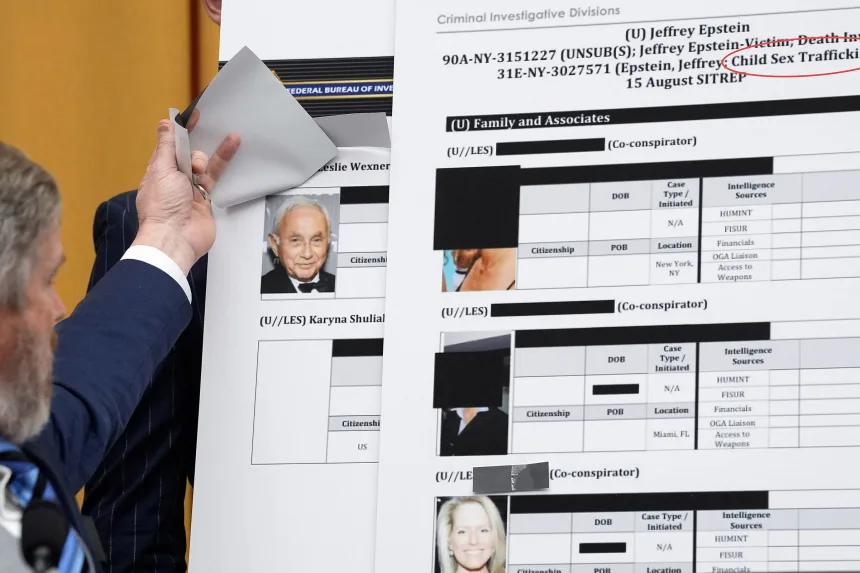
Deep Look: Billionaire Les Wexner Deposed in Congressional Epstein Probe
Billionaire businessman Les Wexner is scheduled to provide closed-door testimony in Ohio as part of a congressional investigation into his long-standing relationship with Jeffrey Epstein. The deposition follows the latest release of Justice Department documents tied to Epstein, which contain numerous references to Wexner and have reignited scrutiny of the disgraced financier’s powerful connections.
Wexner, 88, is the retired founder of L Brands, the former parent company of major retail chains including Victoria’s Secret and Bath & Body Works. He has agreed to comply with a subpoena from Democrats on the House Oversight and Government Reform Committee, who are examining newly disclosed records connected to Epstein’s finances and associations.
For decades, Wexner’s relationship with Epstein has drawn public attention. Epstein, who died in federal custody in 2019 while awaiting trial on sex trafficking charges, had cultivated ties with high-profile figures across business and politics. Wexner was widely viewed as one of Epstein’s closest and most prominent associates during the 1980s and 1990s.
In court filings, Epstein accuser Virginia Giuffre alleged that Epstein trafficked her to several influential men, including Wexner. Wexner has repeatedly denied the claim and says he never met Giuffre. He has not been charged with any wrongdoing related to Epstein’s crimes.
The relationship between Wexner and Epstein began around 1986, when the two were introduced through a business contact. At the time, Wexner’s retail empire was expanding rapidly. What started as a single clothing store in Columbus grew into a powerhouse portfolio that included The Limited, Express, Lane Bryant and Victoria’s Secret, followed by additional brands in subsequent years.
By 1991, Wexner had granted Epstein sweeping authority over his finances, including power of attorney. This allowed Epstein to manage investments, conduct business transactions and oversee property purchases. Documents show Epstein also helped develop Wexner’s sprawling estate in New Albany, Ohio — near where the deposition is expected to take place.
In a 2003 interview, Wexner described Epstein as having “excellent judgment” and referred to him as a loyal friend. However, the partnership eventually collapsed. Wexner has said he severed ties with Epstein in 2007 after discovering that Epstein had stolen substantial amounts of money from him and his family.
Justice Department records released recently suggest the two men communicated after that date. In June 2008, following Epstein’s controversial plea deal in Florida on state charges involving solicitation of prostitution from a minor, Wexner sent him an email expressing regret over the outcome while referencing a personal rule about caution. Epstein responded, “no excuse.”
Wexner’s spokesperson has clarified that 2007 marked the termination of Epstein’s role as financial adviser, including revocation of power of attorney and removal from bank accounts. The spokesperson added that Epstein later repaid approximately $100 million, though that amount was believed to represent only a portion of what had been misappropriated.
Among the newly unsealed materials is a draft letter Epstein allegedly wrote to Wexner referencing a long mutual financial relationship and shared history. Wexner’s representatives say he never received such correspondence and describe the document as consistent with what they characterize as Epstein’s manipulative and erratic behavior after their break.
The deposition also comes as renewed attention from survivors intensifies public pressure. Epstein accuser Maria Farmer has said that newly disclosed FBI records confirm she filed one of the earliest complaints about Epstein. Farmer has alleged a 1996 assault at Epstein’s New Albany residence, located roughly half a mile from the Wexners’ home. The Wexners have stated they were unaware of her claims until they surfaced in media coverage years later.
In addition, Wexner’s name has surfaced in connection with scrutiny surrounding Richard Strauss, a former Ohio State University physician found to have sexually abused at least 177 male students over decades. Survivors have sought removal of Wexner’s name from a campus athletic complex funded by his donations, citing his association with Epstein. Wexner served on the university’s board of trustees during part of Strauss’ tenure. A district court recently ruled that he may be compelled to testify in that separate lawsuit.
Separately, Ohio State officials have acknowledged that Dr. Mark Landon, head of the university’s Department of Obstetrics and Gynecology, appeared in Epstein-related records. Documents indicate Epstein retained Landon for consulting services in 2006. Landon has stated that he did not provide medical care to Epstein or his victims and that his consulting work related to potential biotech investments.
Lawmakers conducting the deposition are seeking to better understand the scope of Epstein’s financial operations and the roles played by influential associates. While Justice Department reviews have indicated that Epstein did not operate the expansive global sex trafficking enterprise once alleged in some quarters, the document releases continue to raise questions about financial oversight, professional relationships and the responsibilities of those within Epstein’s orbit.
For Wexner, the deposition represents another high-profile moment in a years-long effort to distance himself from Epstein’s crimes. Once celebrated primarily for building one of the most successful retail empires in the country and for his philanthropic contributions, Wexner’s legacy has become intertwined with ongoing questions about how Epstein amassed wealth and influence.
As congressional investigators continue reviewing the Epstein files, Wexner’s testimony may offer additional insight into the financial dealings and personal dynamics that defined one of the most controversial relationships tied to the case. The closed-door session could shape the next phase of congressional scrutiny surrounding Epstein’s network and its lasting impact.