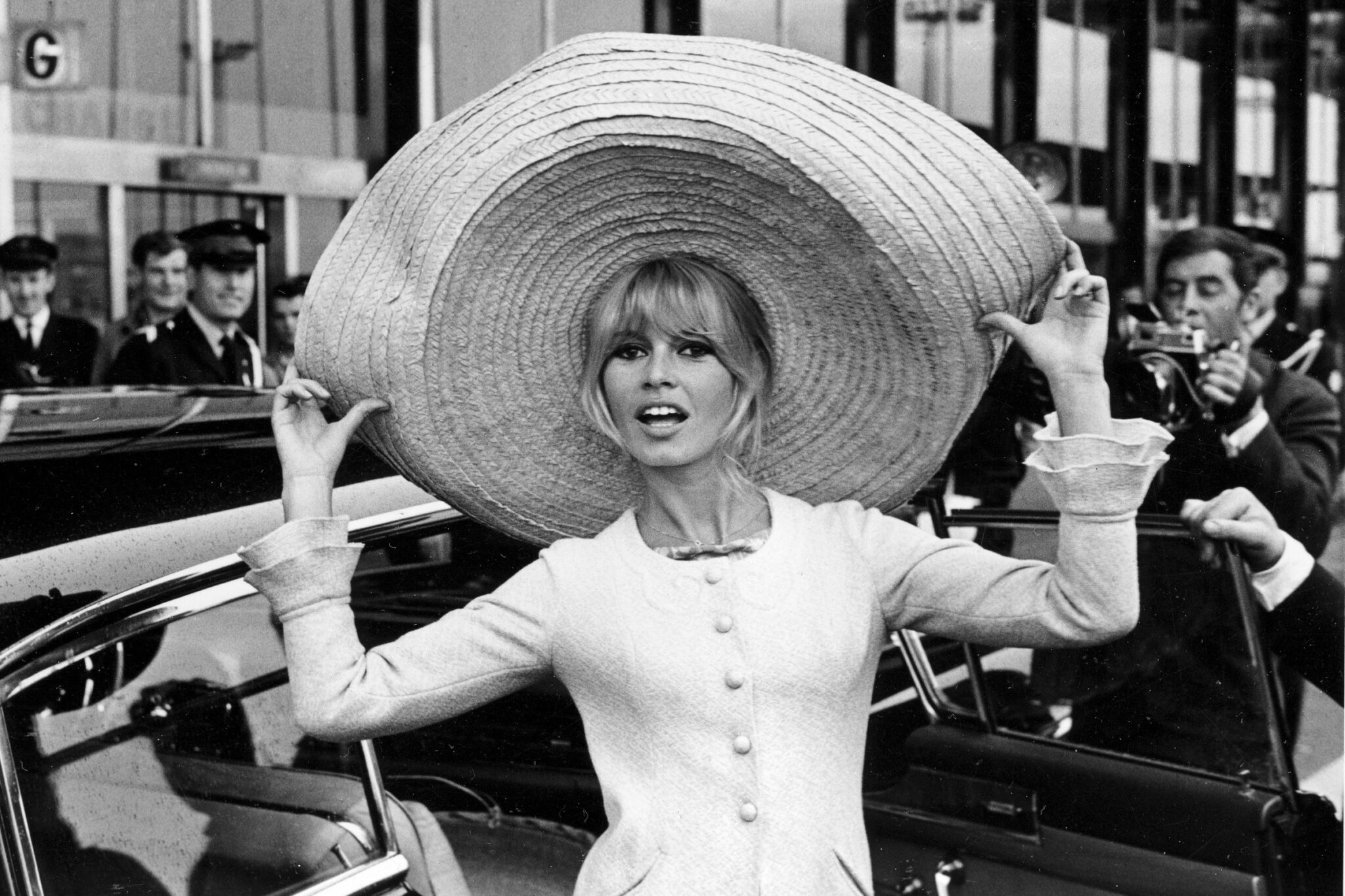
Brigitte Bardot, French Film Icon & Animal Rights Activist, Dies at 91/ Newslooks/ WASHINGTON/ J. Mansour/ Morning Edition/ Brigitte Bardot, the legendary French film star of the 1960s who became a militant animal rights activist and controversial political figure, has died at age 91. Bardot rose to global fame with roles like “And God Created Woman” and later devoted her life to animal protection. Her legacy is marked by cinematic influence, fierce advocacy, and contentious political views.
Quick Look: Key Facts About Brigitte Bardot’s Life and Legacy
- Died at age 91 at her home in southern France; cause of death not disclosed
- Became an international film star in the 1950s–60s, redefining female sexuality on screen
- Iconic role in “And God Created Woman” made her a global celebrity
- Model for “Marianne,” France’s national symbol of liberty and reason
- Renowned animal rights activist: founded the Brigitte Bardot Foundation
- Campaigned against seal hunting, lab testing on animals, and other abuses
- Awarded the Legion of Honor in 1985 for her advocacy work
- Later life marked by controversial political statements and fines for hate speech
- Known for support of far‑right causes and outspoken views on immigration
- Remembered as both a cinematic icon and polarizing public figure
SEO Rewrite: Brigitte Bardot, 1960s French Icon and Animal Rights Activist, Dies at 91
Deep Look:
PARIS — Brigitte Bardot, one of France’s most famous cultural figures of the 20th century, has died at the age of 91, her foundation announced Sunday. Bardot’s life journey spanned international stardom, passionate advocacy for animal rights, and contentious political views that drew both admiration and criticism.
She died peacefully at her home in southern France, according to Bruno Jacquelin of the Brigitte Bardot Foundation for the protection of animals. No cause of death was disclosed, and details about funeral or memorial services have not yet been announced.
From Screen Siren to Global Film Sensation
Born Brigitte Anne‑Marie Bardot on September 28, 1934, into a well‑to‑do industrialist family, Bardot showed early talent in dance and performance. She trained in classical ballet before being discovered on the cover of Elle magazine at age 14.
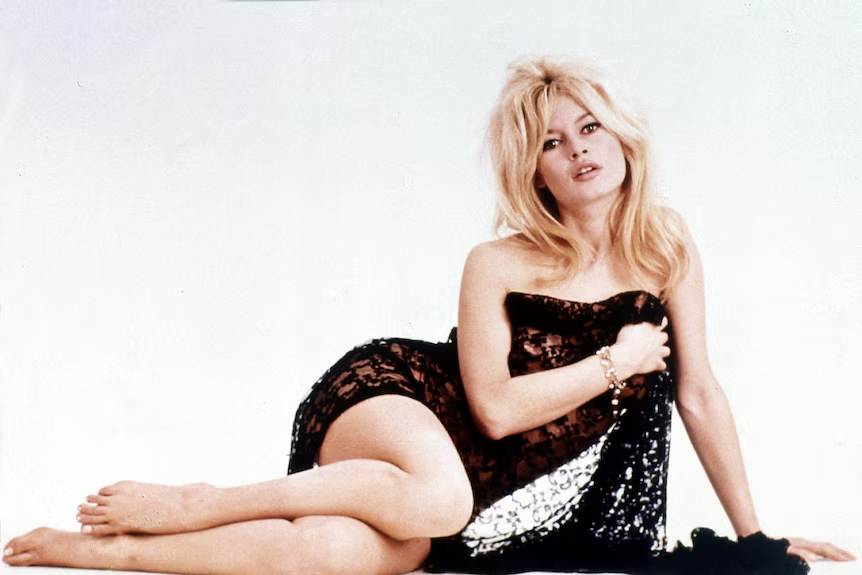
Her breakthrough came in 1956 with the scandalous film “And God Created Woman,” directed by then‑husband Roger Vadim, who wrote the project specifically to showcase Bardot’s raw sexual charisma. Her performance, featuring scenes of unbridled sensuality, shocked audiences and critics alike — and transformed her into a global star and sex symbol almost overnight.
The film shattered conservative norms and helped define a new cinematic expression of female sexual freedom.
Over her career, Bardot starred in more than two dozen films, including titles like “Contempt” (1963) by Jean‑Luc Godard, “The Truth” (1960), and “Women” (1969). Although her roles were often centered on her beauty rather than dramatic nuance, she became one of France’s most recognizable actors, embodying the Nouvelle Vague era’s daring spirit.
In 1969, Bardot’s cultural impact was such that her features were chosen as the model for “Marianne,” the official personification of the French Republic — a symbol that appeared on stamps, coins, and civic monuments.
A Second Act: Fierce Defender of Animal Welfare
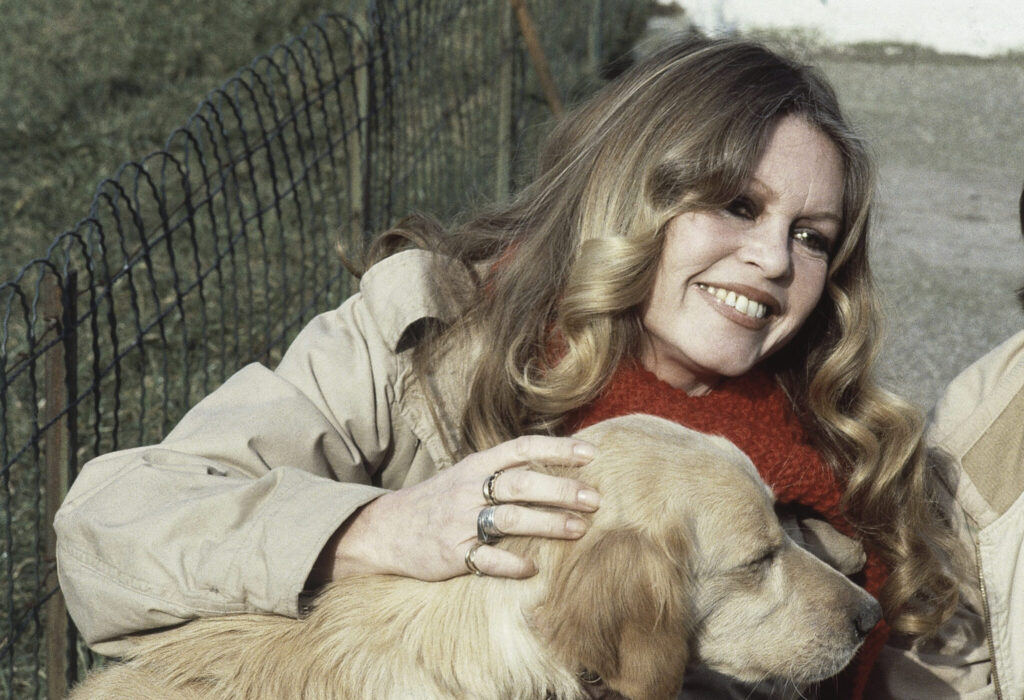
After retiring from cinema at age 39 in 1973, Bardot devoted herself to animal rights, an issue she described as more meaningful than her movie legacy.
She founded the Brigitte Bardot Foundation for the protection of animals and campaigned around the world:
- Traveled to the Arctic to protest seal hunting
- Criticized use of animals in laboratory testing
- Opposed traditional animal sports and practices in Europe
- Wrote to global leaders about animal cruelty, including U.S. presidents
Her outspoken stance drew admiration from animal advocates internationally. In 1985, Bardot was awarded the Legion of Honor, France’s highest civilian distinction, in recognition of her tireless work for animal protection.
“Man is an insatiable predator,” she once told The Associated Press. “I don’t care about my past glory… an animal that suffers has no power, no words to defend itself.”
Controversy and Political Provocation
As Bardot’s activism grew more pronounced, her rhetoric increasingly veered into contentious territory.
In later years, her public statements often targeted immigrants, particularly Muslim communities, and she opposed halal and other religious slaughter practices. These positions led to multiple French court convictions and fines for inciting racial hatred, drawing widespread criticism.
Her marriage in 1992 to Bernard d’Ormale, a former adviser to far‑right political leader Jean‑Marie Le Pen, marked a further shift toward nationalist ideologies. Bardot voiced support for Le Pen’s daughter, Marine Le Pen, during her 2012 presidential campaign, prompting political backlash and polarization.
Some former supporters say Bardot’s political views detract from her earlier accomplishments, while others defend her outspoken nature.
Personal Struggles Behind the Public Image
Despite her glamorous public persona, Bardot privately battled depression and the pressures of fame throughout her life. The glare of media attention weighed heavily on her, especially in her youth. A notorious incident occurred before the birth of her only child, Nicolas, when photographers reportedly entered her home to snap photos of her pregnant body. Bardot later attempted suicide, a move she linked to the intense scrutiny she endured.
Her personal life was marked by multiple marriages and complex relationships:
- Married Roger Vadim (1952), who launched her film career
- Married Jacques Charrier (1959), father of her son — a relationship she later described as difficult
- Married Gunther Sachs (1966), ending in divorce in 1969
- Married Bernard d’Ormale (1992), a controversial political figure
In her 1996 autobiography “Initiales B.B.”, Bardot candidly discussed her struggles with motherhood, her turbulent relationships, and her conflicted feelings about fame.
Filmography and Cultural Impact
Bardot’s film legacy remains a defining part of mid‑20th‑century cinema. While many of her films were vehicles for her image, she occasionally earned critical praise:
- “Contempt” (1963) — a modern classic by Jean‑Luc Godard
- “A Parisian” (1957)
- “The Truth” (1960)
- “Women” (1969)
- “Shalako” (1968)
- “Don Juan” (1973)
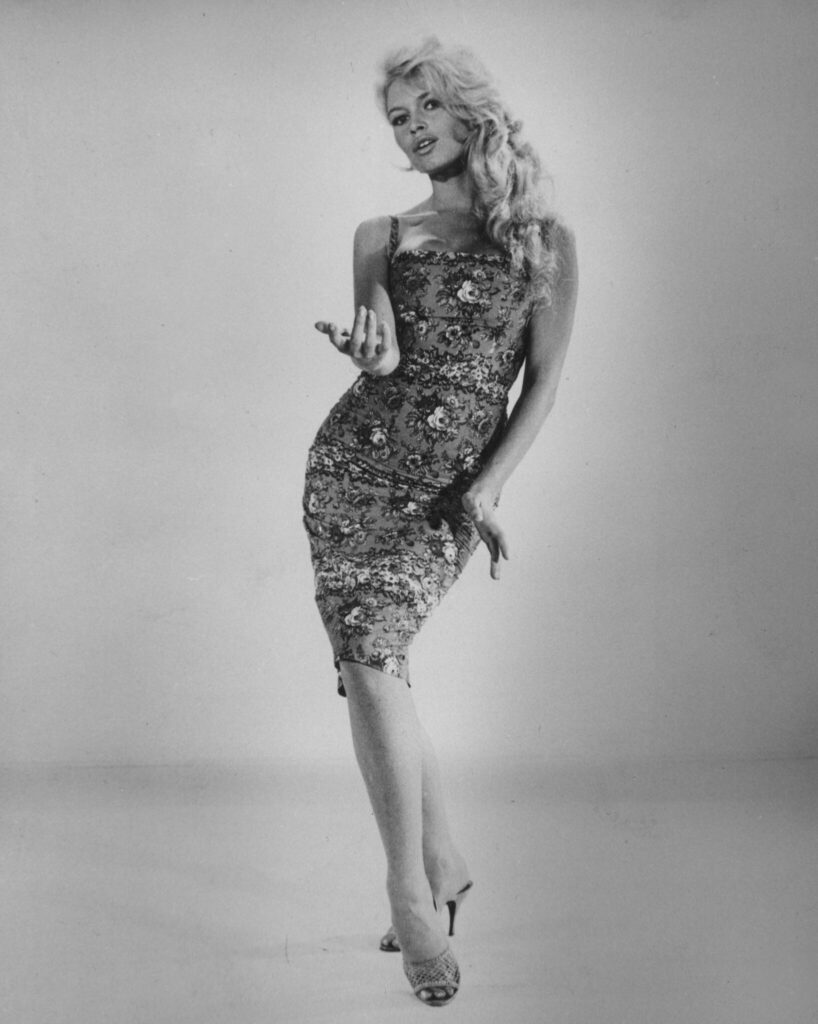
Her style — tousled blonde hair, pouty lips, and a rebellious spirit — influenced fashion and pop culture worldwide. Bardot’s image became synonymous with a new era in sexuality, cinema, and celebrity.
Legacy: Devotion, Divisiveness, and Global Memory
As news of her death spread, fans and critics alike reflected on Bardot’s multifaceted legacy.
French President Emmanuel Macron mourned the loss of a cultural icon, calling her “a legend” in a social media post.
Animal rights activists remembered her as a fearless advocate who brought global attention to issues often overlooked, while political observers noted that her later statements sparked debate about immigration, identity, and free speech in France.
Environmental campaigner Paul Watson, who protested with Bardot in the 1970s against seal hunting, said:
“Many disagreed with her politics or some of her views. But the animals of this world lost a wonderful friend today.”
Bardot herself once remarked that she identified with the voiceless, seeing in hunted animals a reflection of her own experiences under intense public scrutiny.