CES 2026 Showcases AI, Robots, and Wearables Revolution/ Newslooks/ WASHINGTON/ J. Mansour/ Morning Edition/ CES 2026 has officially opened in Las Vegas, spotlighting breakthroughs in AI, robotics, healthcare, mobility, and extended reality. Tech leaders like Nvidia and AMD are unveiling AI-powered solutions across consumer and enterprise sectors. With over 3,500 exhibitors and 140,000+ attendees expected, CES 2026 promises a high-tech vision for the future.
CES 2026 Innovation Highlights: Quick Looks
- CES 2026 begins in Las Vegas, showcasing tech for the year ahead
- Over 3,500 exhibitors and 140,000 attendees from 150+ countries expected
- AI embedded across consumer devices, robotics, healthcare, and mobility
- Nvidia’s Jensen Huang and AMD’s Lisa Su among headline keynote speakers
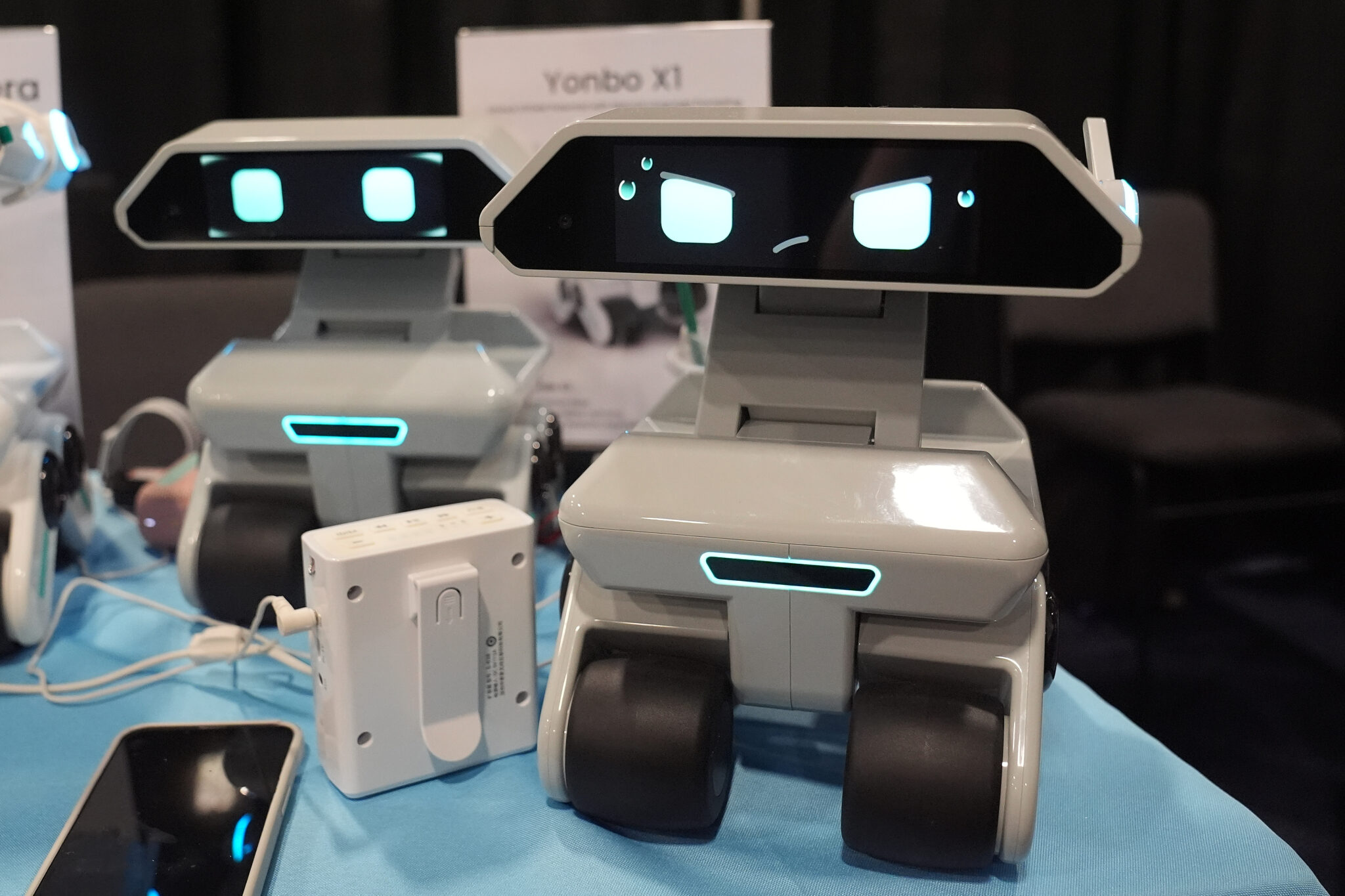
- Humanoid robots, home assistants, and industrial bots on display
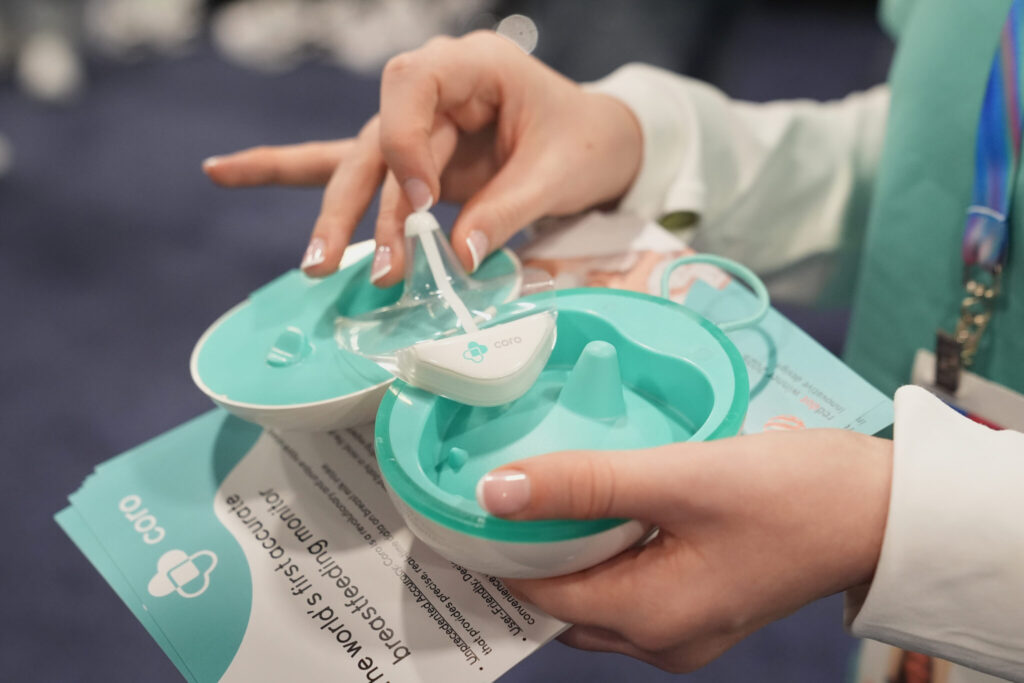
- AI driving healthcare tools, such as wearable diagnostics and treatment apps
- LG debuts CLOiD, a smart home robot for everyday tasks
- Hyundai introduces next-gen robotics for factories and smart mobility
- Entertainment tech using AI to enhance creativity and accessibility
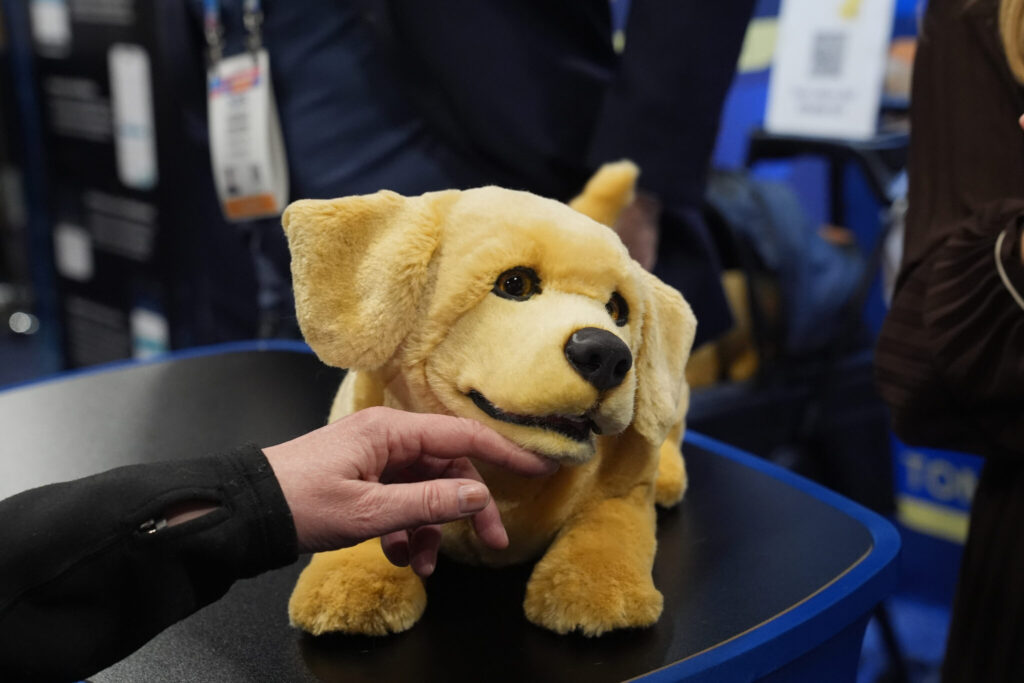
- First CES showcase of AI tech for disability and aging populations
- Nuclear micro-reactor tech featured as clean energy solution for AI’s future
CES 2026 Showcases AI, Robots, and Wearables Revolution
Deep Look
The world’s largest consumer technology showcase, CES 2026, officially kicked off this week in Las Vegas, once again setting the stage for the latest innovations poised to reshape how we live, work, and connect. From AI-powered healthcare solutions to humanoid robots and clean energy breakthroughs, the four-day tech gathering hosted by the Consumer Technology Association offers a glimpse into the future — and it’s one deeply infused with artificial intelligence.
This year’s event features over 3,500 exhibitors representing more than 150 countries, regions, and territories, with an expected turnout of over 140,000 industry professionals, media, and consumers. As in recent years, artificial intelligence dominates the floor — not just as a feature but as a foundation across nearly every product category.
Nvidia CEO Jensen Huang is headlining CES 2026 to showcase the company’s newest productivity-driven AI hardware and software. AMD’s Lisa Su will also deliver a major keynote focused on advancing enterprise AI capabilities and delivering next-generation AI solutions. Lenovo’s CEO Yuanqing Yang is set to discuss how AI is reshaping business productivity and mobility in global markets.
AI’s influence is visible across all industries on display — from healthcare to gaming, autonomous vehicles to content creation, wearables to clean energy. One of the most visible themes at CES 2026 is how companies are embedding AI not just for novelty, but to solve real-world problems.
In healthcare, AI is being used to personalize treatments, optimize diagnostics, and improve outcomes. Apps like Beyond Medicine are using AI algorithms to address specific conditions — such as jaw disorders — by reshaping user habits and streamlining digital prescriptions. There’s also growing focus on AI to fill gaps in medical research, including areas like breast milk production data.
Wearable devices have expanded their scope beyond fitness tracking, now offering early diagnostics, chronic illness monitoring, and even real-time biometric feedback. With sensors targeting nearly every part of the body, 2026 may mark the turning point where personal healthcare becomes truly AI-augmented.
Domestic robotics is another major highlight. LG introduced “CLOiD,” a next-gen home assistant robot capable of managing multiple household tasks autonomously. Hyundai is rolling out robotics designed for industrial and logistics applications, expanding the role of AI beyond consumer tech and into the infrastructure of modern economies.
Humanoid robots are also moving from science fiction to practical reality. According to CTA CEO Gary Shapiro, CES 2026 features more humanoid robots than ever before — some still experimental, others ready for early adoption.
“You’re seeing them now — not always perfect, but improving fast,” Shapiro said. He added that the variety of robots reflects their growing specialization, tailored to everything from caregiving and customer service to manufacturing.
Extended reality (XR), particularly in the form of training simulations for AI-enabled robotics, is gaining traction as well. XR environments are being used to teach robots how to operate in real-world conditions through virtual practice — a convergence of AI, simulation, and spatial computing.
In entertainment, AI is becoming a collaborative creative tool. Content creators are using AI not to replace originality, but to expand it — generating content variations, personalizing experiences, and opening access to underserved markets.
“AI is the future of creativity,” Shapiro said. “The hybrid approach, where humans and AI create together, will drive the next wave of storytelling and expression.”
A new and important focus this year is accessibility. Verizon has built a full CES pavilion dedicated to technologies helping people with disabilities and older adults. From voice-responsive devices to mobility aids, the integration of AI into accessibility tools aims to create a more inclusive tech future.
CES is also spotlighting the growing need for sustainable energy to power AI’s expanding infrastructure. In a first for the show, a Korean startup is showcasing a small-scale nuclear reactor designed to generate clean, efficient energy for AI data centers and industrial use. Shapiro emphasized that energy demand is becoming the AI sector’s biggest challenge — and that innovation in clean energy must keep pace.
Though concerns of an “AI bubble” continue to surface in financial circles, Shapiro dismissed the idea, noting the difference between today’s AI boom and the dot-com bubble of the 1990s.
“These companies are generating real revenue, solving real problems,” he said. “The real issue isn’t valuation — it’s whether we can produce enough clean energy to sustain this momentum.”
From practical AI assistants to imaginative applications of robotics, CES 2026 reflects a tech industry pushing boundaries while increasingly focused on impact. The lines between science, service, and storytelling are blurring — and the future of technology is no longer years away. It’s already here.