

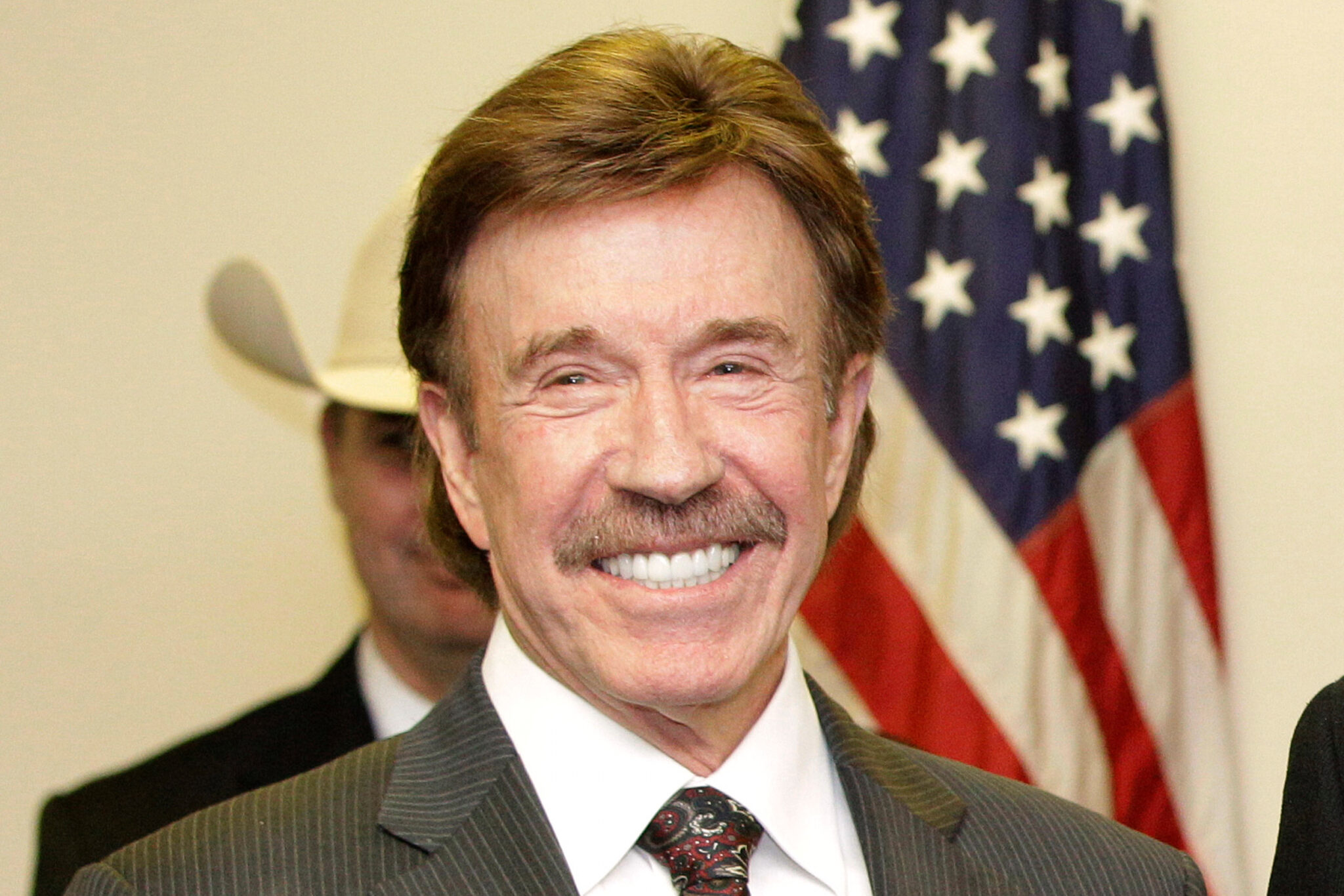
Chuck Norris, Action Legend And Meme Star, Dies At 86/ Newslooks/ WASHINGTON/ J. Mansour/ Morning Edition/ Chuck Norris, the martial arts champion turned action star, has died at 86. He built a lasting legacy through film, television, martial arts, and later internet fame. His death closes the chapter on one of pop culture’s most recognizable tough-guy icons.
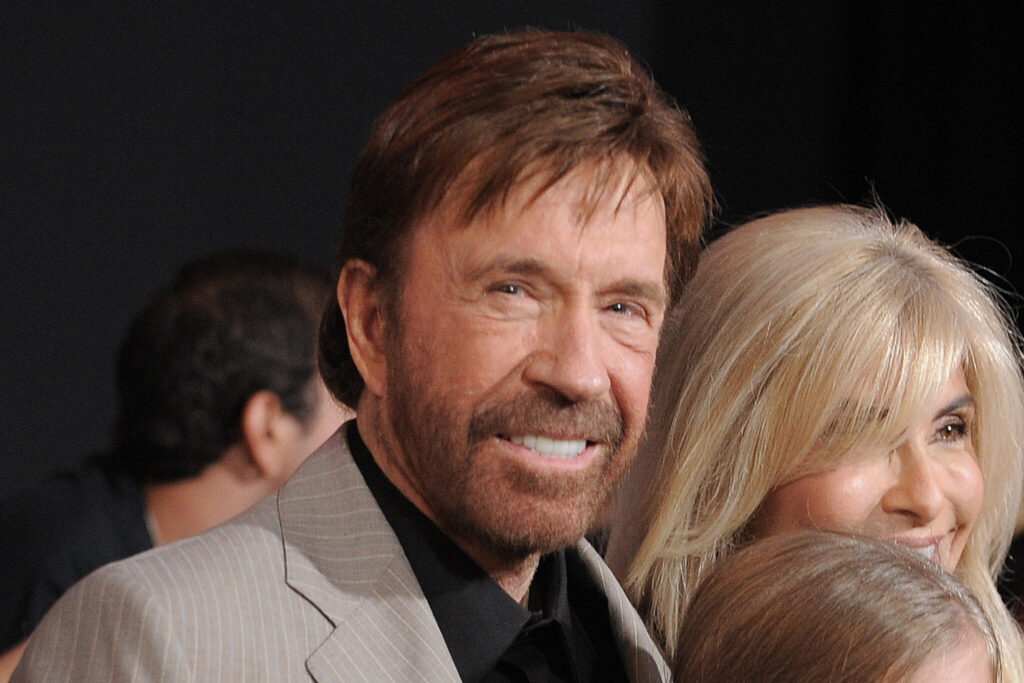
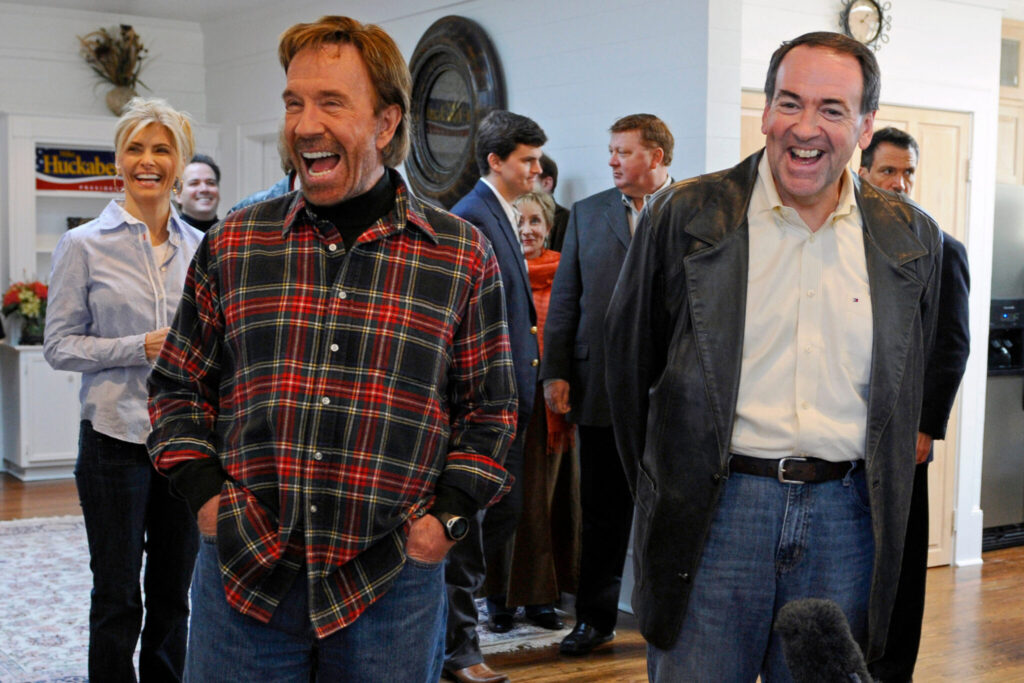
Chuck Norris obituary Quick Looks
- Chuck Norris died at age 86, according to his family.
- The family described his death as a sudden passing.
- Norris rose from martial arts champion to Hollywood action star.
- He became widely known for “Walker, Texas Ranger.”
- He also built a major martial arts organization and training system.
- His public image later evolved into internet meme legend status.
- Norris remained active in books, advocacy, and selective film roles.
- He leaves behind a cross-generational legacy in sports, entertainment, and popular culture.
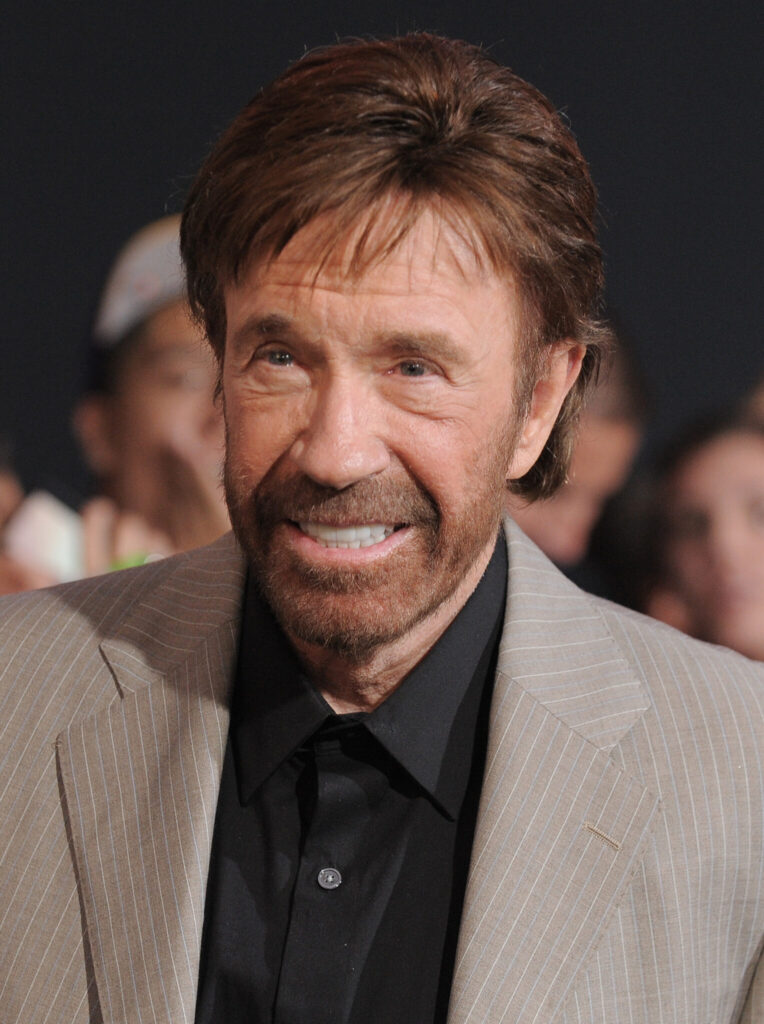
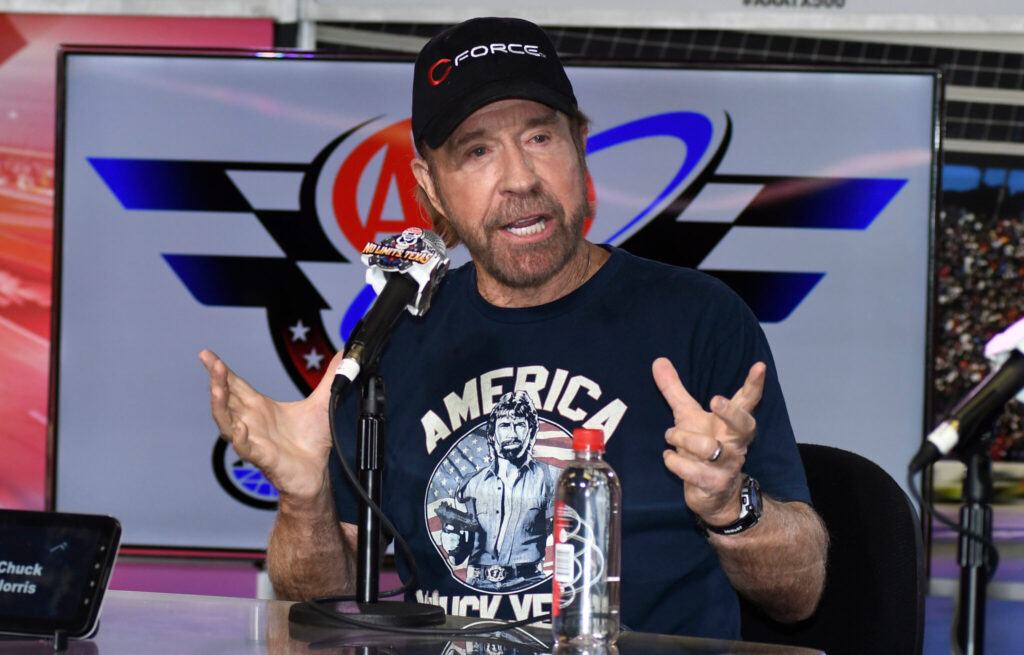
Deep Look: Chuck Norris, Action Legend And Meme Star, Dies At 86
Chuck Norris, the martial arts master, action-film star, television icon, and unlikely internet legend, has died at 86. His family announced that he died Thursday and described it as a sudden passing, saying he was surrounded by loved ones and at peace.
For millions of fans, Norris represented a singular kind of screen presence: stoic, disciplined, physically imposing, and unmistakably tied to an old-school vision of heroism. But long before he became a fixture of action movies and television, he had already built an extraordinary reputation in martial arts competition and instruction.
Born Carlos Ray Norris in Ryan, Oklahoma, on March 10, 1940, he came from modest beginnings and later moved with his family to California. After high school, he joined the U.S. Air Force. It was during his service in Korea that he began seriously training in martial arts, an experience that would shape the rest of his life. What began as training soon turned into mastery.
After leaving the military, Norris opened a martial arts studio and then expanded into a chain of schools. He became one of the best-known American martial artists of his era, winning major honors and building a reputation as a disciplined and accomplished competitor. He was a six-time undefeated World Professional Middleweight Karate champion and later founded his own martial arts system, helping train thousands of black belts around the world. In martial arts circles, Norris was far more than a celebrity. He was a central figure in the sport’s American growth and visibility.
His move into acting came gradually, helped by relationships with well-known students and supporters who saw screen potential in his commanding image. He first appeared in film in the late 1960s, but one of his most memorable early movie moments came opposite Bruce Lee in “Return of the Dragon.” Their fight scene became iconic and helped introduce Norris to a wider international audience.
From there, he built a career in action cinema through movies such as “Missing in Action,” “The Delta Force,” and “Sidekicks.” His screen persona was consistent: a clear-cut hero, morally direct, physically capable, and built for stories where justice ultimately won. In an era filled with darker antiheroes, Norris often presented something more straightforward and old-fashioned, and that helped define his appeal.
His most enduring mainstream fame arrived with “Walker, Texas Ranger,” the television series that turned him into a household name for a new generation. Debuting in the 1990s, the show cast Norris as a crime-fighting lawman with martial arts skills, firm moral convictions, and a relentless commitment to justice. The series ran for nine seasons and became closely associated with his image. For many viewers, it remains the role that most fully captured the Chuck Norris brand.
Yet his cultural presence did not stop with traditional entertainment. In the internet age, Norris underwent a strange and remarkable second reinvention. The “Chuck Norris Facts” meme phenomenon turned his tough-guy image into a source of absurd, exaggerated online folklore. He became the subject of intentionally impossible claims about strength, endurance, and invincibility. Instead of resisting the jokes, Norris largely embraced them, showing a self-awareness that helped keep him relevant to younger audiences who may have known the meme before they knew the movies.
That unusual combination of sincerity and parody made him a rare figure in American pop culture. He was both the real martial arts champion and the mythologized punchline, both serious icon and self-aware legend. Few public figures manage that kind of transition across generations without losing credibility. Norris did.
Outside entertainment, he also wrote books, supported charitable work, and spoke openly about his Christian faith, conservative politics, and support for gun rights. He remained active in public life in different ways over the years, including political endorsements and advocacy efforts. His personal story also included complexities he addressed publicly, including family revelations discussed in his autobiography.
Even in later life, Norris continued to project the image that made him famous. Just days before his death, he posted a sparring video and joked that he did not age but leveled up. It was a line that fit perfectly with the public character he had spent decades building.
Chuck Norris leaves behind a legacy that stretches across martial arts, film, television, publishing, and internet culture. He was one of those rare figures who became bigger than any single role, and then somehow bigger than his own legend. His death marks the loss of a performer and athlete, but also of a distinctly American pop-cultural archetype: the quiet, unbeatable tough guy who could command a screen, inspire students, and eventually become a meme without ever fully ceasing to be himself.





You must Register or Login to post a comment.