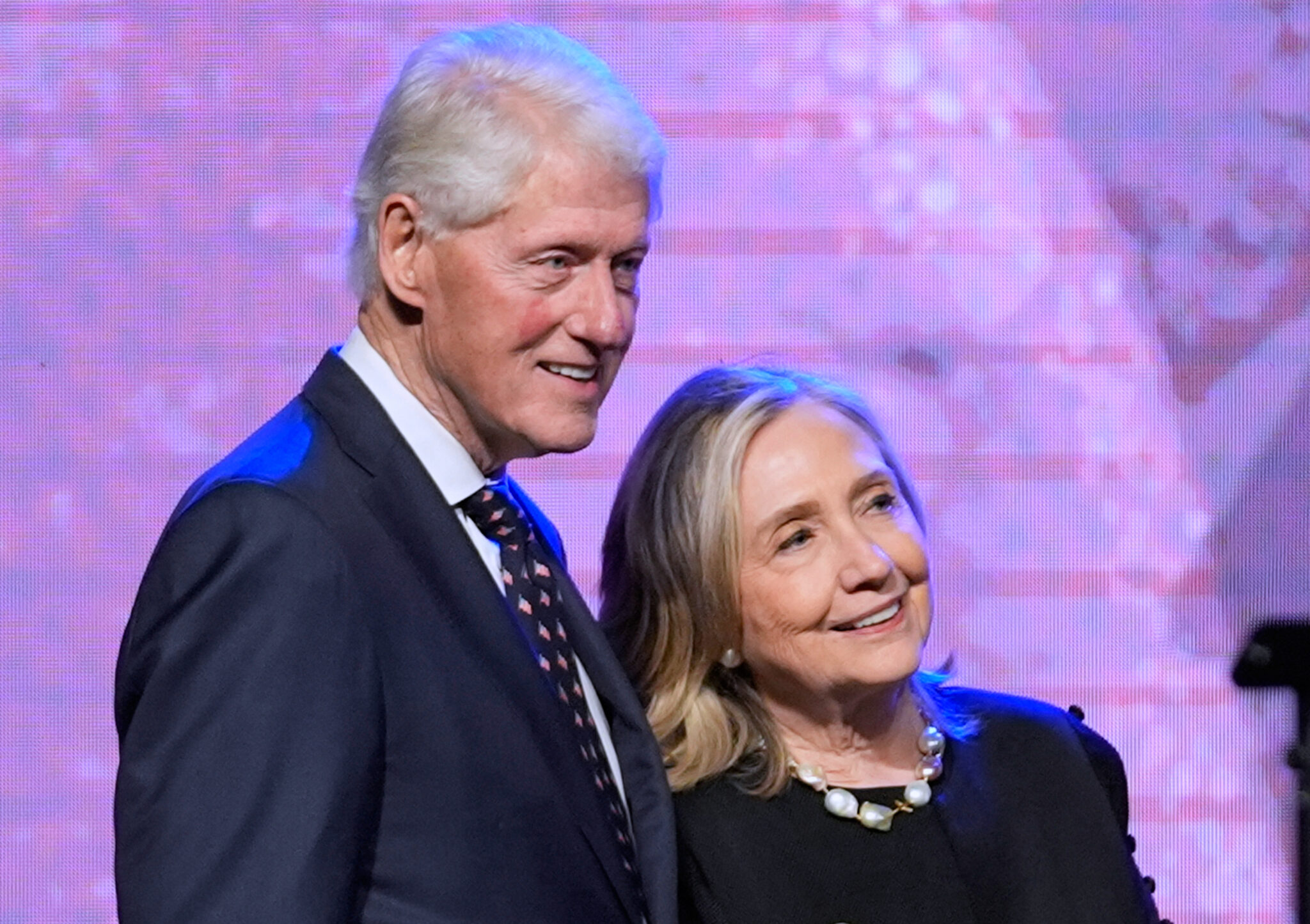
Clintons Agree to Testify in Epstein Probe Amid Contempt Threats/ Newslooks/ WASHINGTON/ J. Mansour/ Morning Edition/ Bill and Hillary Clinton have agreed to testify before Congress in the House’s Jeffrey Epstein investigation. The move came after GOP Rep. James Comer threatened contempt of Congress charges for defying subpoenas. Negotiations are ongoing as House leadership pauses a historic contempt vote.
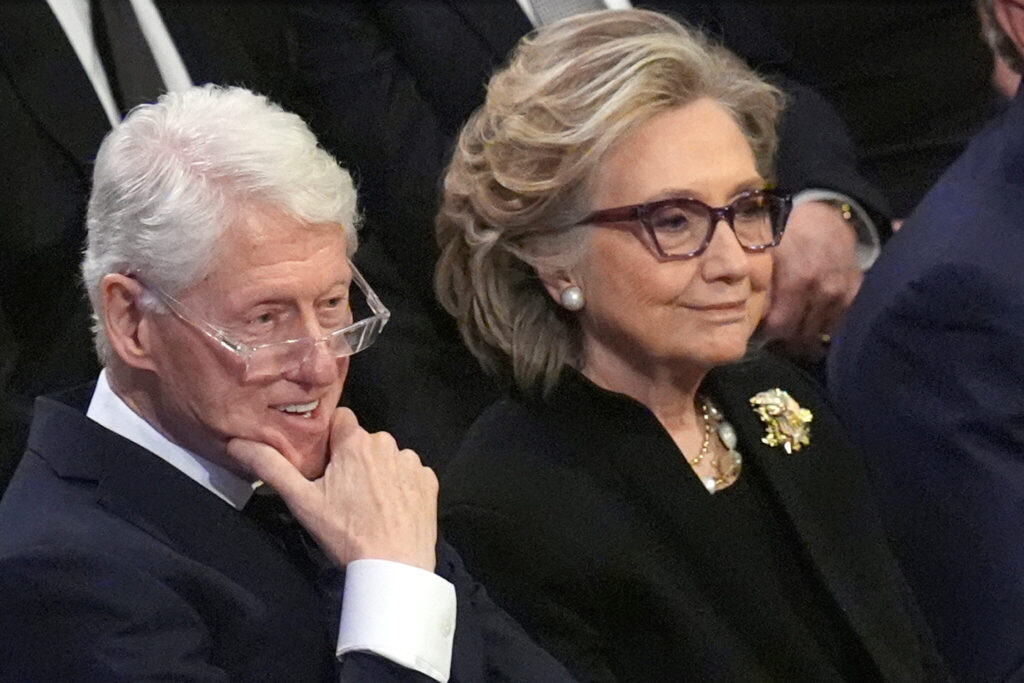
Clintons Epstein Testimony Quick Looks
- Former President Bill Clinton and former Secretary of State Hillary Clinton agree to testify.
- They responded to House subpoenas after months of resistance and legal pushback.
- GOP Rep. James Comer had pushed for contempt charges unless they fully complied.
- The House Rules Committee delayed advancing contempt resolutions amid negotiations.
- Clinton attorneys requested immunity from contempt in exchange for cooperation.
- Comer rejected initial offers of a written declaration and transcribed interview.
- Nine Democrats joined Republicans in supporting contempt charges against Bill Clinton.
- Bill Clinton’s past ties to Epstein remain a focal point of GOP scrutiny.
- Democrats accuse Comer of politicizing the investigation and ignoring DOJ delays.
- If passed, contempt charges would mark a historic first for a former president.
Deep Look: Clintons to Testify in Epstein Probe After Subpoena Standoff
In a late shift to avoid criminal contempt charges, former President Bill Clinton and former Secretary of State Hillary Clinton have agreed to testify before the House Oversight Committee in its ongoing investigation into the late financier and convicted sex offender Jeffrey Epstein.
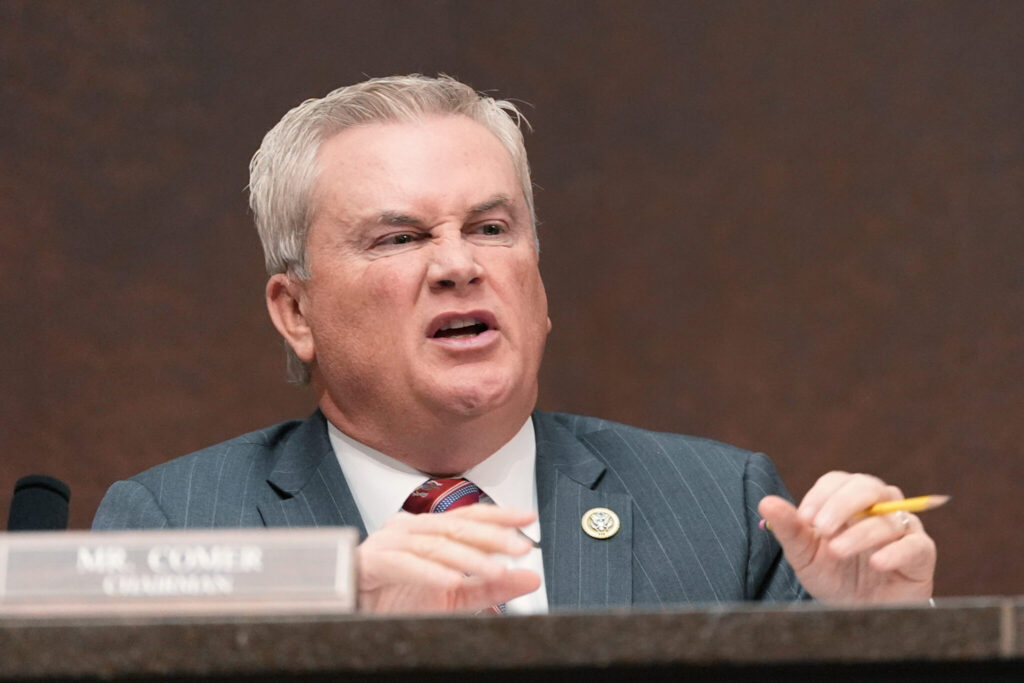
The agreement, reached Monday night, followed months of resistance from the Clintons and a rapidly escalating threat from Rep. James Comer, the Republican chair of the committee. Comer had been preparing to move forward with a House vote to hold the Clintons in contempt of Congress for defying subpoenas issued in August.
Attorneys for the Clintons notified Oversight staff by email that both would now participate in depositions “on mutually agreeable dates,” and requested that Comer withdraw the contempt proceedings. The charges, if pursued and successfully prosecuted by the Justice Department, could include fines and even imprisonment.
Still, Comer held his ground, telling reporters, “We don’t have anything in writing,” and emphasizing that he would only accept the deal if the Clintons’ depositions satisfied the committee’s expectations. His continued stance left the contempt threat looming, even as the House Rules Committee paused advancement of the resolution.
Earlier on Monday, Comer had dismissed a proposal from the Clintons’ attorneys offering a transcribed interview with Bill Clinton and a sworn written statement from Hillary Clinton. Comer insisted that both individuals appear in person for sworn depositions, stating bluntly that “the Clintons do not get to dictate the terms of lawful subpoenas.”
The standoff marks a rare moment in congressional history. If the contempt vote proceeds and passes, it would be the first time a former U.S. president faces the threat of criminal contempt of Congress. While some past presidents have voluntarily testified, none have been compelled under subpoena.
The Clintons had long contested the subpoenas, questioning their validity and arguing that their cooperation would not add to the Epstein investigation. Their attorneys initially attempted to negotiate alternatives, but as the Oversight Committee advanced contempt resolutions, pressure mounted.
Last month, the committee passed contempt charges, with support from nine of the panel’s 21 Democrats voting in favor of holding Bill Clinton accountable. Three Democrats also backed the resolution against Hillary Clinton, reflecting bipartisan frustration over what they see as a lack of transparency.
Epstein, who died by suicide in a New York jail in 2019 while awaiting trial on sex trafficking charges, had social connections with numerous high-profile figures, including Bill Clinton. Clinton’s association with Epstein, particularly from the late 1990s and early 2000s, has resurfaced as a focal point for Republican investigators, although he has not been accused of any wrongdoing.
The Clintons’ spokesperson, Angel Ureña, criticized Comer’s actions, saying the Clintons “negotiated in good faith” and “told you under oath what they know, but you don’t care.” He accused Comer of political maneuvering rather than seeking meaningful testimony.
Democratic House Leader Hakeem Jeffries echoed the sentiment, stating that he was a “hard no” on the contempt vote. He accused Comer of seeking political retribution and of failing to hold the Trump administration accountable for delays in the Justice Department’s release of case files related to Epstein.
Jeffries also pointed out that the Department of Justice has yet to fully comply with requests for Epstein-related materials. “They don’t want a serious interview, they want a charade,” he said.
Whether the contempt vote moves forward or a formal agreement is finalized, the episode underscores deep partisan divisions over how the Epstein investigation is being conducted — and how political figures, both past and present, are being scrutinized.