Congress Pushes China Sanctions in $900 Billion Defense Spending Bill/ Newslooks/ WASHINGTON/ J. Mansour/ Morning Edition/ Congress is advancing sweeping China-related restrictions through the National Defense Authorization Act. The bill limits U.S. investments tied to Chinese military development and expands biosecurity protections. It also significantly increases defense aid and cooperation with Taiwan.
China Restrictions in U.S. Defense Bill: Quick Looks
- Bipartisan defense bill includes tough new measures targeting China
- Limits U.S. investments that support Chinese military advancements
- Prohibits federal funding for blacklisted Chinese biotech companies
- Increases military support and security funding for Taiwan
- Contrasts with Trump administration’s softened tone on China
- White House permits Nvidia chip sales to China, drawing criticism
- Congress reinforces U.S. stance on Taiwan’s sovereignty and security
Congress Pushes China Sanctions in $900 Billion Defense Spending Bill
Deep Look
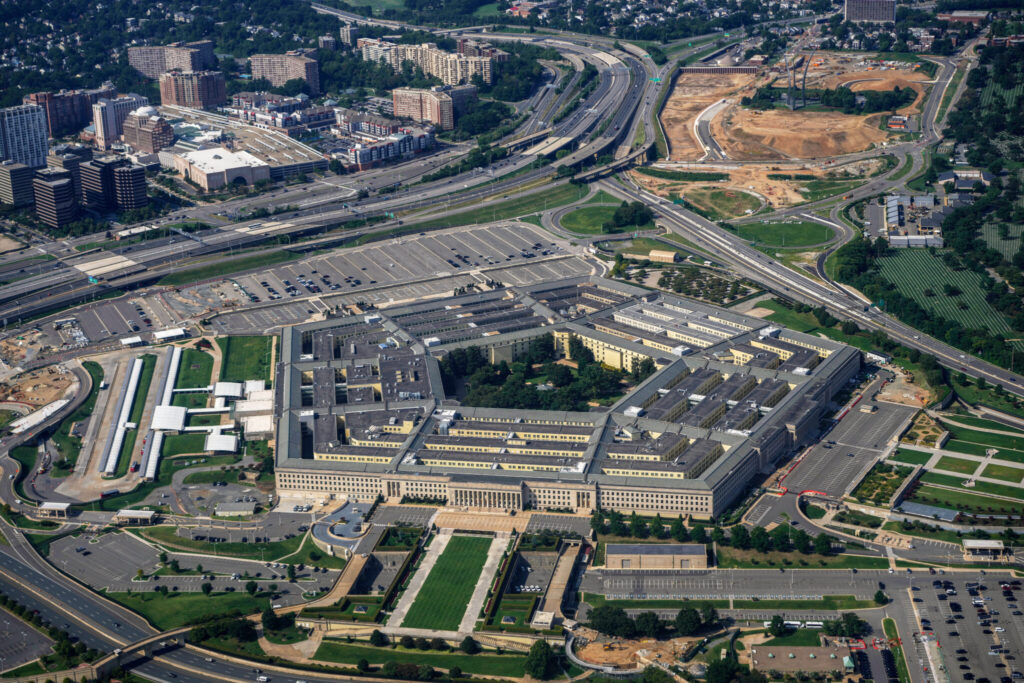
Congress is taking a more aggressive stance toward China with a newly unveiled $900 billion National Defense Authorization Act (NDAA), signaling a tougher U.S. policy approach that contrasts sharply with recent signals from the White House. Passed by the House and now heading to the Senate, the massive defense bill embeds a number of provisions designed to counter China’s technological and geopolitical ambitions, particularly those involving military growth and economic influence.
A key feature of the bill is a series of restrictions on American investment in China. Lawmakers aim to block any U.S. financial involvement that could advance technologies benefiting China’s military. While the Trump administration has sought to maintain diplomatic and economic flexibility with China, Congress is setting a more permanent foundation for long-term competition and containment.
Cutting Off Financial Ties to Chinese Military Tech
The legislation mandates a closer review of American investments in sectors tied to emerging technologies such as artificial intelligence, semiconductors, aerospace, and quantum computing. These areas are critical to China’s military development, and U.S. lawmakers believe continued investment could inadvertently strengthen Beijing’s strategic capabilities.
Rep. John Moolenaar, chair of the House Select Committee on the Chinese Communist Party, hailed the move as a long-overdue correction. “For too long, the hard-earned money of American retirees and investors has been used to build up China’s military and economy,” he said. “This legislation will help bring that to an end.”
Biosecurity: A New Line of Defense
Also embedded in the NDAA is an updated provision resembling last year’s failed BIOSECURE Act, now with broader scope and fewer named targets. Rather than singling out specific companies, the bill empowers the Office of Management and Budget to designate “biotechnology companies of concern.” This shift allows the U.S. to adapt to a changing threat landscape and introduces more flexibility in identifying high-risk firms.
The defense bill prevents federal dollars from going to Chinese biotech companies that could pose a risk to U.S. national security. It also calls for expanding Pentagon investment in American biotechnology, reflecting concerns over bio-surveillance and genetic data access.
Rep. Moolenaar praised this initiative, citing it as a defensive strategy to secure America’s pharmaceutical supply chains and protect genetic data from exploitation.
Expanded Defense Cooperation with Taiwan
The legislation marks a significant policy shift by increasing security aid for Taiwan from $300 million to $1 billion. It also calls for the creation of a joint drone and anti-drone program between the U.S. and Taiwan and supports Taiwan’s membership in international financial institutions like the IMF—moves likely to draw the ire of Beijing.
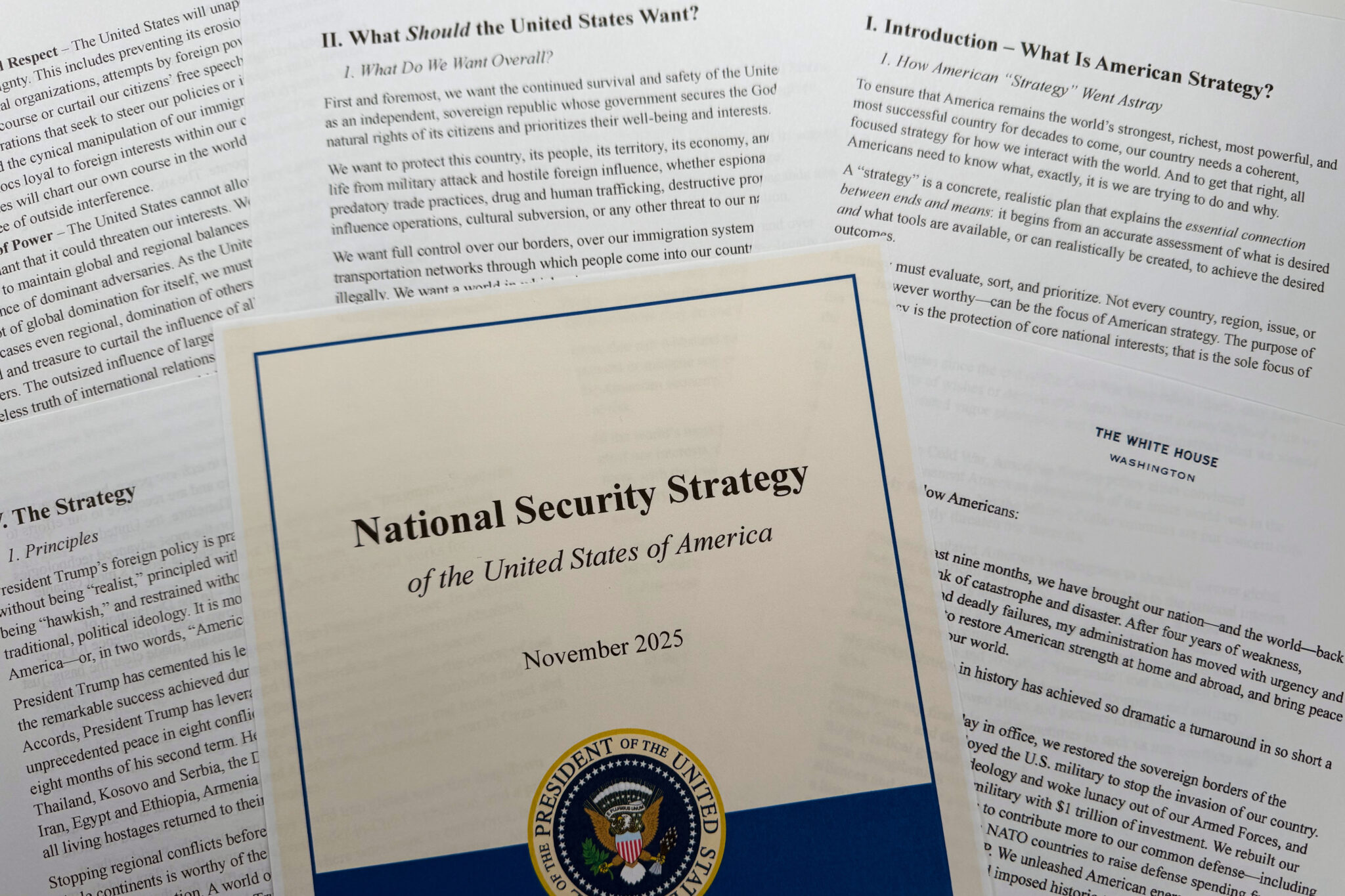
While the White House’s new national security strategy reaffirms the U.S. commitment to maintaining the status quo in the Taiwan Strait, it also emphasizes the importance of deterrence. The strategy encourages allied nations such as Japan and South Korea to increase their defense budgets, underscoring that U.S. military resources cannot manage regional tensions alone.
Despite this congressional push, President Trump has shown signs of caution regarding Taiwan. He continues to pursue trade agreements with Chinese President Xi Jinping and has refrained from directly provoking Beijing on this issue.
Split Between Congress and White House
The defense bill emerges just as the White House shifts to a less confrontational tone on China. Its new national security strategy avoids labeling China a strategic threat and instead promotes economic rebalancing.
This more conciliatory approach is further reflected in the administration’s decision to allow chipmaker Nvidia to sell advanced AI-focused semiconductors to Chinese companies. The move has drawn criticism from lawmakers and analysts who warn that it could accelerate China’s AI development.
Craig Singleton of the Foundation for Defense of Democracies noted that Congress’s provisions represent a more durable form of resistance. “Whatever the White House tone, Capitol Hill is locking in a hard-edged, long-term competition with Beijing,” he said. Once enacted, these new laws will be difficult for future administrations to quietly reverse.
China Responds with Condemnation
China’s embassy in Washington strongly opposed the defense bill, accusing the U.S. of exaggerating the “China threat,” fueling militarization of the Taiwan issue, and interfering in China’s internal affairs. Embassy spokesperson Liu Pengyu stated that the legislation undermines bilateral stability and goes against recent efforts to stabilize relations.
“China strongly deplores and firmly opposes this,” Liu said, signaling potential diplomatic backlash if the bill passes in its current form.
As the NDAA moves toward final approval, it becomes clear that while the executive branch seeks negotiation and balance, Congress is forging a more assertive, long-term strategy to limit China’s influence across multiple domains—from biotech and semiconductors to military alliances and global financial institutions.