

Congressional Democrats Warn Trump Tariffs Could Cost Families $2,500/ Newslooks/ WASHINGTON/ J. Mansour/ Morning Edition/ Congressional Democrats say new tariffs proposed by President Donald Trump could cost U.S. households an average of $2,512 in 2026. The estimate follows a Supreme Court ruling that struck down a major portion of the administration’s previous tariffs. The White House rejects the analysis, arguing tariffs help renegotiate trade deals and strengthen U.S. industries.
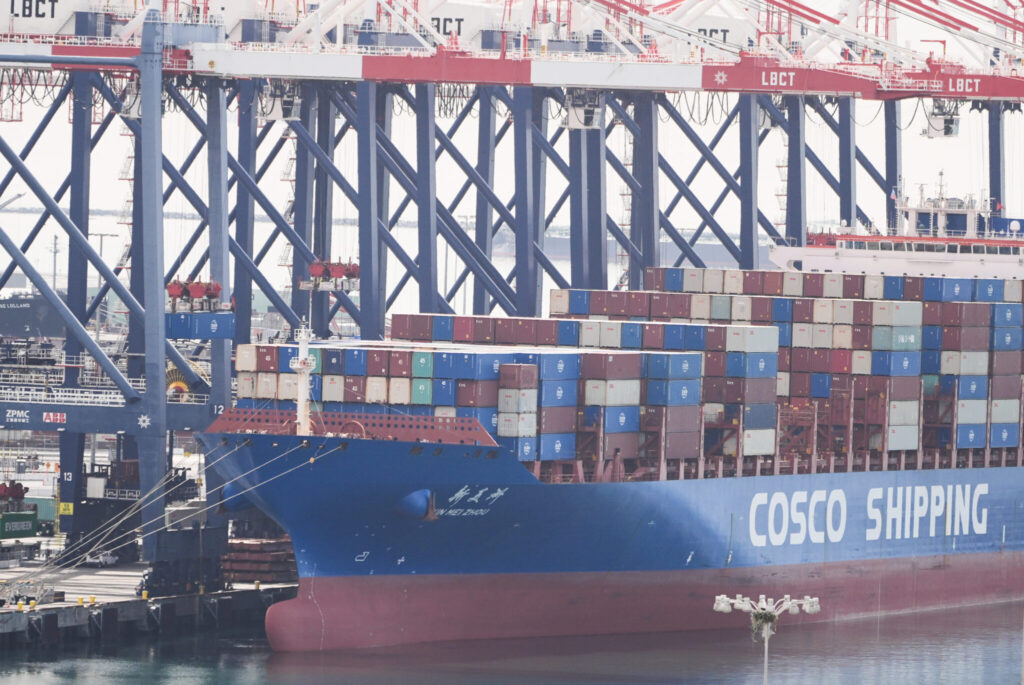
Trump Tariffs and Household Costs Quick Looks
- Democrats estimate tariffs could cost U.S. households $2,512 in 2026.
- That figure is 44% higher than 2025 tariff costs.
- The Supreme Court struck down earlier tariffs imposed under emergency powers.
- The administration is introducing new tariffs using different trade laws.
- Investigations under Section 301 of the 1974 Trade Act could lead to broader tariffs.
- The policy debate comes as inflation and energy prices rise during the Iran war.
Trump Tariffs and Household Costs Quick Looks
Democrats Say Tariffs Could Raise Household Costs
Congressional Democrats say a new wave of tariffs proposed by President Donald Trump could significantly increase costs for American families.
A study released Friday by Democratic members of Congress estimates that the administration’s import taxes could cost the average U.S. household about $2,512 in 2026.
That would represent a 44% increase from the estimated $1,745 tariff burden in 2025.
The analysis was issued by Democrats on the Joint Economic Committee and comes as American consumers are already facing high living costs and rising energy prices linked to the war in Iran.
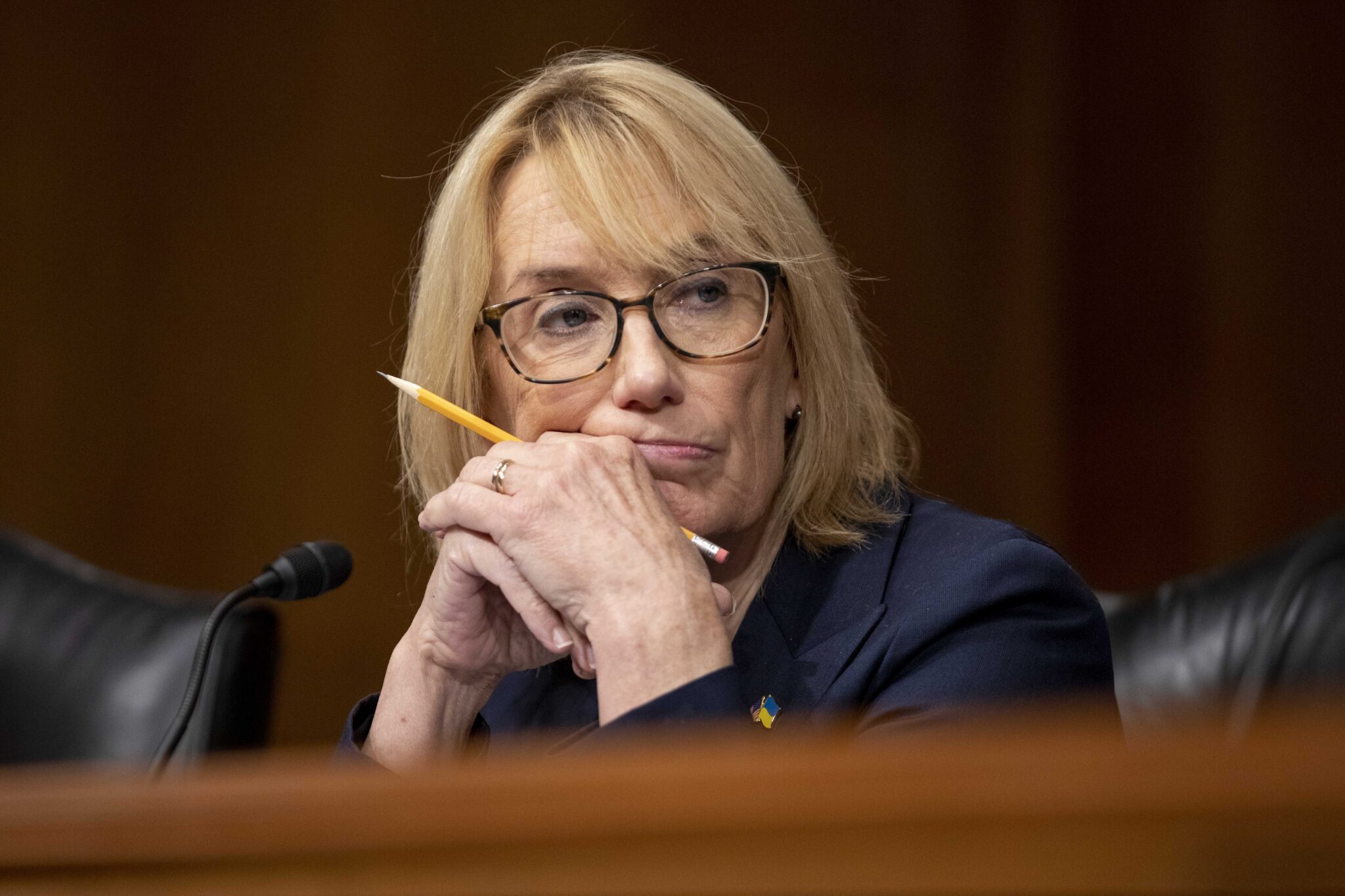
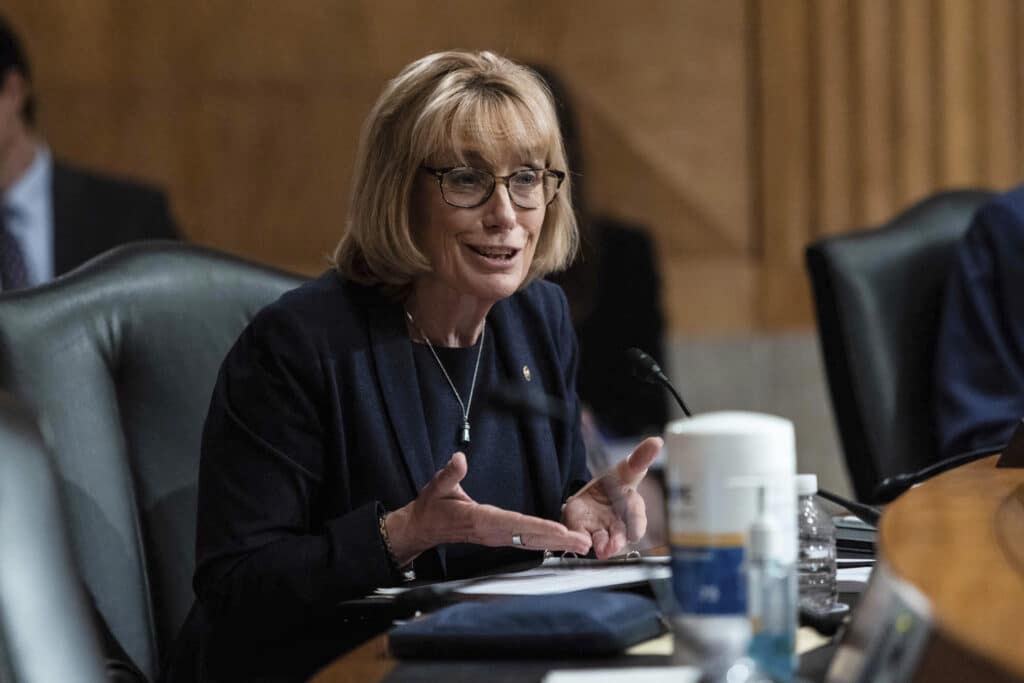
Senator Maggie Hassan of New Hampshire, the top Democrat on the committee, said the administration’s tariff policies could further strain household budgets.
She argued that families already struggling with inflation could see prices rise even more as tariffs increase the cost of imported goods.
White House Rejects Study
The White House dismissed the report and defended the president’s trade policies.
Administration officials say tariffs are a key tool for renegotiating trade agreements, encouraging domestic manufacturing and reducing reliance on foreign supply chains.
A White House spokesman described the Democratic study as misleading and said the administration will continue using tariffs to strengthen the U.S. economy.
Officials argue that tariff policies have helped attract investment and push foreign governments to adjust their trade practices.
Supreme Court Ruling Disrupted Tariff Policy
The new tariff debate comes after the Supreme Court struck down a major portion of Trump’s earlier tariff program last month.
During his presidency, Trump used the International Emergency Economic Powers Act of 1977 to impose broad tariffs on imports from dozens of countries.
The Court ruled that the law did not authorize the president to impose tariffs in that manner.
As a result, the federal government must refund roughly $175 billion to companies that paid those import taxes.
Administration Searching for Alternative Tariff Tools
Following the ruling, the administration has been exploring other legal mechanisms to maintain tariff revenue.
Treasury Secretary Scott Bessent has said the government intends to keep tariff income largely unchanged in 2026 despite the court decision.
One option already in use is Section 122 of the Trade Act of 1974, which allows the president to impose temporary tariffs of up to 15%.
Trump has announced a 10% tariff under that authority.
However, those tariffs can only remain in place for 150 days unless Congress approves an extension.
The Section 122 tariffs are also facing legal challenges.
Section 301 Investigations Could Expand Tariffs
Another approach involves using Section 301 of the Trade Act of 1974, which permits tariffs against countries accused of unfair trade practices.
The administration recently launched a sweeping Section 301 investigation targeting 16 major U.S. trading partners, including China and the European Union.
Officials say the probe will examine whether foreign countries are overproducing goods and flooding global markets, which could harm American manufacturers.
Trade experts expect the investigation could lead to another round of tariffs if the administration concludes that unfair trade practices are occurring.
Additional Trade Investigations Planned
The administration is also considering additional Section 301 investigations focused on several issues, including:
- Imported goods produced using forced labor
- Digital services taxes imposed by foreign governments
- Pharmaceutical drug pricing policies abroad
- Environmental concerns such as ocean pollution
Each investigation could potentially lead to new tariffs if the government determines that foreign practices harm U.S. economic interests.
National Security Tariffs Also Possible
The administration may also rely on Section 232 of the Trade Expansion Act of 1962, which allows tariffs to be imposed on imports that threaten national security.
Tariffs under Section 232 already apply to several industries, including:
- Steel
- Aluminum
- Automobiles and auto parts
Additional investigations could expand these tariffs to other products if the Commerce Department determines that national security risks exist.
Debate Over Who Pays Tariffs
The Democratic report assumes American consumers ultimately bear the full cost of tariffs.
Economists say importers typically pass along a large portion of tariff costs through higher prices.
A report by the Congressional Budget Office estimated that importers pass about 70% of tariff costs directly to consumers.
In addition, domestic producers may raise their own prices when tariffs reduce competition from imported goods.
Together, those effects mean consumers often end up paying the majority of tariff costs.
Economic and Political Implications
The renewed tariff push comes at a sensitive time for the U.S. economy.
The war with Iran has already pushed gasoline prices higher and created uncertainty in global markets.
With midterm elections approaching later this year, rising costs could become a major political issue for both parties.
Trade experts say the ultimate impact of tariffs will depend on economic conditions, global supply chains and political developments in the coming months.
They also note that the economic environment could change significantly in a short period of time as energy prices, inflation and international trade policies evolve.




You must Register or Login to post a comment.