Court Orders DHS to Restore Disaster Grants for Democratic States/ Newslooks/ WASHINGTON/ J. Mansour/ Morning Edition/ A federal judge ruled the Department of Homeland Security must restore disaster-related grants to Democratic-led states. The court found the administration unlawfully tied funding to cooperation with immigration enforcement. State attorneys general called the decision a major victory for public safety and disaster preparedness.
DHS Disaster Grants Ruling Quick Looks
- A Trump-appointed federal judge blocked DHS from redirecting security grants
- The ruling benefits New York, Washington, D.C., and 10 Democratic-led states
- Grants are part of the Homeland Security Grant Program
- The court found violations of the Administrative Procedure Act
- DHS said it plans to appeal the decision
- State officials argue the funding is critical for disaster and terrorism preparedness

Deep Look: DHS Disaster Grants Ruling
A federal judge has ordered the Department of Homeland Security to restore disaster and security grant funding to Democratic-led states, delivering a sharp rebuke to efforts by the Trump administration to condition public safety money on cooperation with federal immigration enforcement.
U.S. District Judge Mary McElroy, a George W. Bush appointee, ruled that DHS unlawfully attempted to redirect counterterrorism and emergency preparedness grants away from states that declined to assist with the administration’s immigration policies. The decision affects New York, Washington, D.C., and 10 other states that challenged the policy in court.
The lawsuit centered on the Department of Homeland Security’s handling of funds distributed through the Homeland Security Grant Program, which provides states and local governments with money to prepare for and respond to natural disasters, terrorist threats, and other emergencies.
In her ruling, McElroy wrote that the case represented “another example” of the federal government attempting to leverage grant funding to coerce states into assisting with immigration enforcement. She said the administration’s actions crossed legal boundaries and undermined the purpose of the grant program itself.
McElroy concluded that DHS violated the Administrative Procedure Act, which governs how federal agencies implement and change policies. The judge criticized what she described as the agency’s misuse of its authority, stating that federal officials had been entrusted with safeguarding public safety, not using emergency funds as political leverage.
“To hold hostage funding for programs designed to protect Americans based solely on what appear to be political whims is unconscionable and, at least here, unlawful,” McElroy wrote.
The ruling was welcomed by Letitia James, who described it as a significant victory for New York and the other plaintiffs. In a statement, James said the administration’s attempt to manipulate funding intended to keep communities safe was illegal and dangerous.
“These grants provide critical resources to help states and local governments prepare for and prevent natural disasters, terrorist attacks, and other emergencies,” James said. She added that the decision would strengthen efforts to protect residents from what she called reckless funding cuts.
The lawsuit was brought by attorneys general from New York, California, Connecticut, Delaware, Illinois, Massachusetts, Minnesota, New Jersey, Rhode Island, Vermont, and Washington, along with the District of Columbia. They argued that DHS had indicated it planned to reallocate hundreds of millions of dollars in anticipated grant awards away from so-called sanctuary jurisdictions and toward states that aligned more closely with federal immigration priorities.
The case followed earlier legal challenges to similar policies. In September, another federal judge struck down a Trump administration effort to withhold funding from states that refused to cooperate with Immigration and Customs Enforcement. After that ruling, the plaintiffs said DHS signaled it would pursue a new approach by redistributing grant money rather than openly withholding it, prompting the latest lawsuit.
Judge McElroy rejected that strategy, writing that the administration’s actions amounted to the same unlawful pressure tactics under a different name. She emphasized that the grants were designed to enhance nationwide security and disaster readiness, not to advance unrelated policy goals.
The ruling also underscored the potential real-world consequences of cutting or delaying funding. States use Homeland Security grants to support emergency planning, first responder training, cybersecurity defenses, and infrastructure protection. Plaintiffs argued that diverting those funds could weaken preparedness efforts and put residents at greater risk.
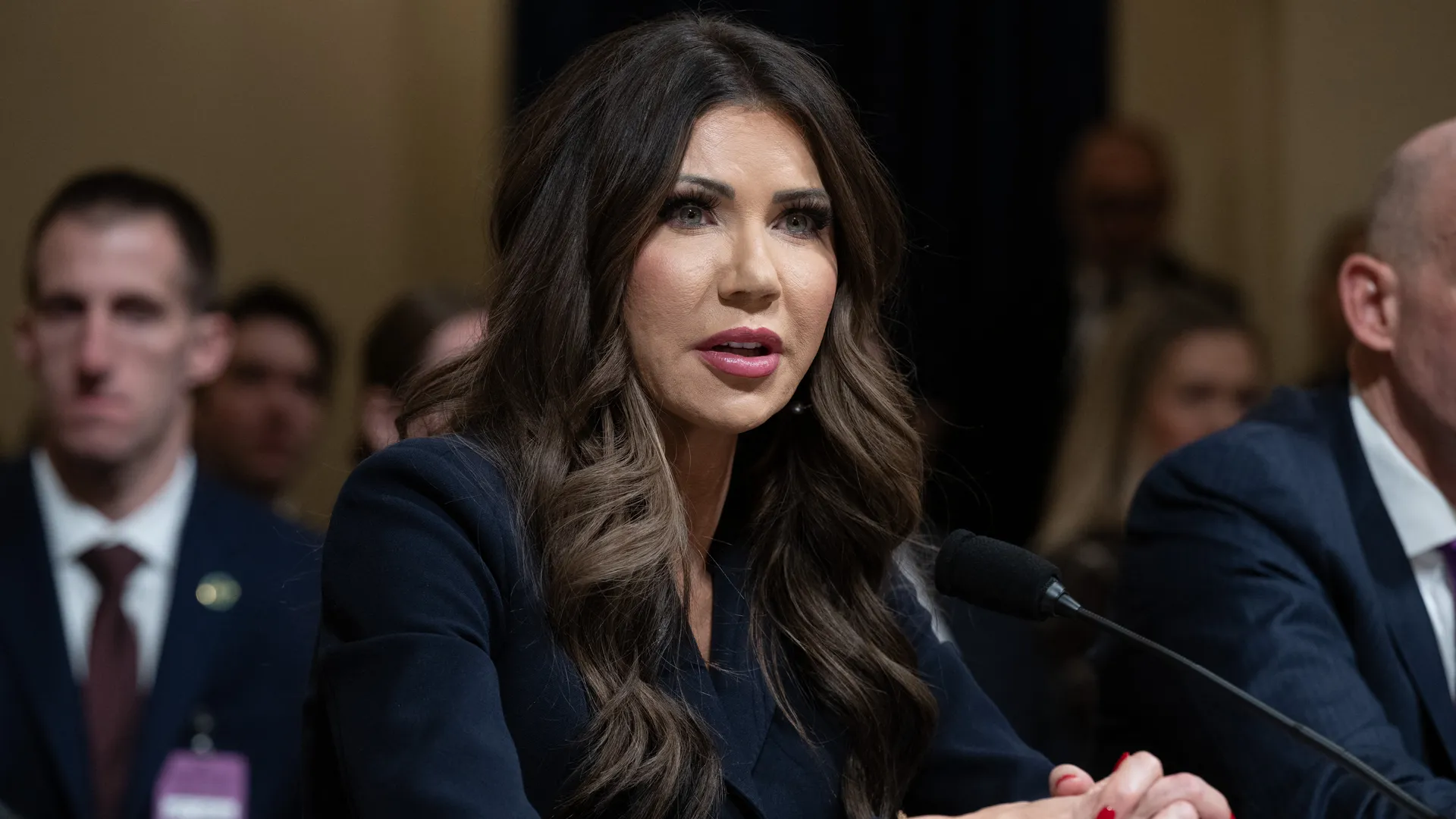
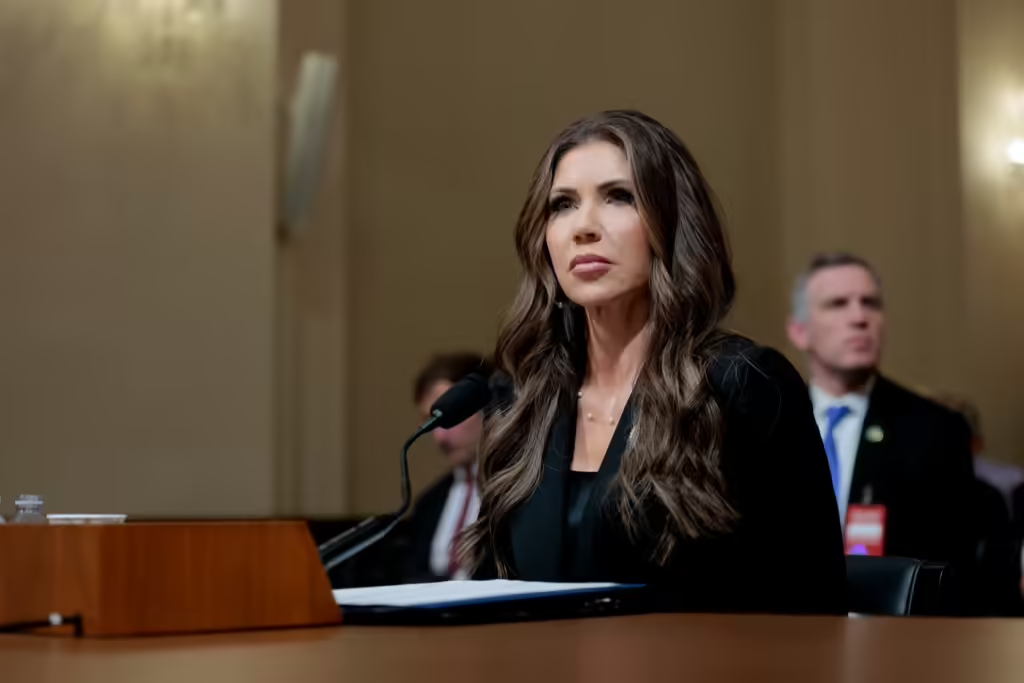
The decision comes amid heightened scrutiny of DHS leadership and priorities. Homeland Security Secretary Kristi Noem has defended the administration’s approach to immigration enforcement, arguing that states should cooperate with federal authorities. However, the court ruled that such cooperation cannot be imposed through grant conditions that were not authorized by Congress.
DHS indicated it intends to appeal the ruling. In a statement, DHS spokesperson Tricia McLaughlin criticized the decision, calling it judicial overreach that could undermine national safety.
“This judicial sabotage threatens the safety of our states, counties, and towns, and weakens the entire nation,” McLaughlin said. She added that the department would continue fighting to reinstate what she described as critical reforms aimed at protecting American lives.
State officials countered that the ruling preserves the integrity of federal grant programs and prevents the politicization of disaster and security funding. They argued that emergency preparedness should remain insulated from partisan disputes, particularly as states face increasing threats from extreme weather events, cyberattacks, and domestic security risks.
Legal experts note that the case reinforces longstanding limits on how federal agencies can attach conditions to funding. While Congress can impose requirements on grants, courts have repeatedly ruled that executive agencies cannot unilaterally add new conditions unrelated to the purpose of the program.
For Democratic-led states, the decision provides immediate relief and ensures continued access to funding that supports emergency management and public safety operations. It also signals that similar attempts to reshape grant distribution through executive action may face strong judicial resistance.
As the case moves toward a potential appeal, the ruling stands as a clear warning to federal agencies that disaster preparedness funds cannot be used as leverage in immigration disputes. For now, states affected by the policy will continue receiving grant support intended to protect residents and infrastructure, regardless of their stance on immigration enforcement.