Davos 2026 Opens Amid Wealth Divide, AI Disruption & Trump’s Return/ Newslooks/ WASHINGTON/ J. Mansour/ Morning Edition/ The World Economic Forum 2026 opens in Davos amid rising inequality and distrust in institutions. President Donald Trump returns with a pro-business agenda, while critics protest growing global divides. AI, geopolitics, and billionaire wealth dominate discussions as leadership confidence wanes worldwide.
Davos 2026 Quick Looks
- Nearly 3,000 leaders gather at the World Economic Forum amid global inequality concerns.
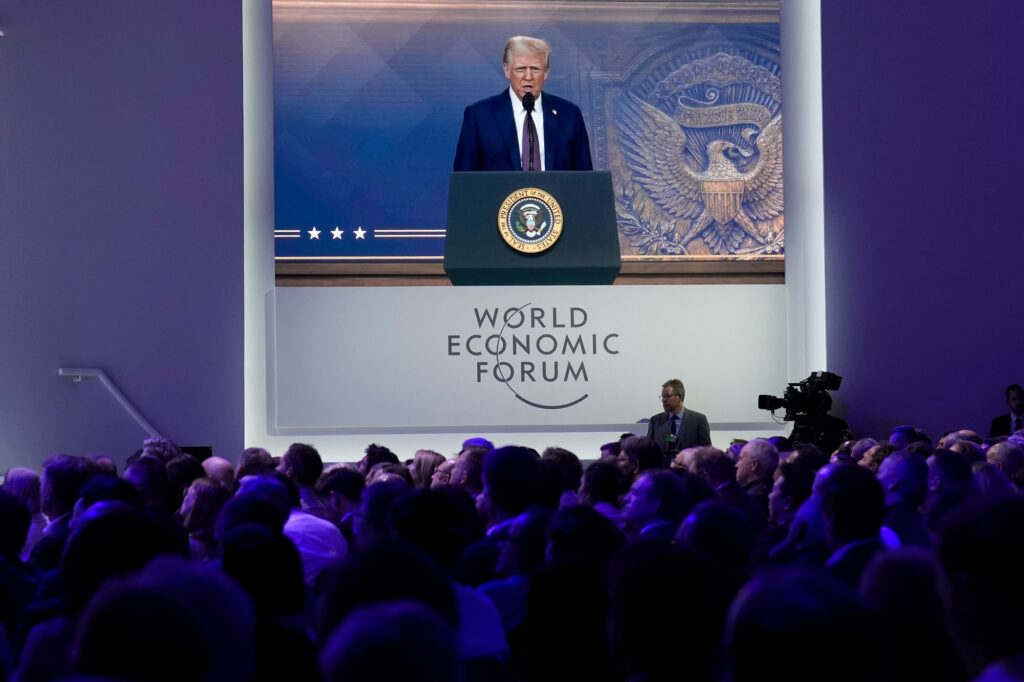
- President Donald Trump attends for the third time, pushing a pro-business and nationalist message.
- Key themes include AI’s disruption, geopolitical tensions, and wealth concentration.
- Klaus Schwab steps down; Nvidia CEO Jensen Huang debuts among tech giants.
- Oxfam reports billionaire wealth surged by 16% in 2025, deepening inequality.
- Edelman survey reveals record-low trust in institutional leaders worldwide.
- Widespread protests question WEF’s role and Trump’s presence.
Deep Look
Davos 2026 Opens Amid Wealth Divide, AI Disruption, and Trump’s Return
DAVOS, Switzerland — The 2026 World Economic Forum (WEF) kicks off this week under a cloud of mounting global inequality, economic unrest, and political division, as nearly 3,000 elite participants descend on the snowy Swiss town of Davos. The annual event—known for its promise to “improve the state of the world”—now finds itself under renewed scrutiny as influential voices call out the widening gap between rich and poor and a breakdown of institutional trust.
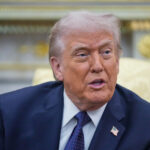
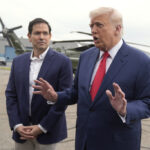
This year’s theme, “A Spirit of Dialogue,” comes at a critical geopolitical moment. U.S. President Donald Trump, making his third appearance at Davos, is expected to headline the forum with a message centered on economic nationalism, deregulation, and a strong pro-business stance. Critics argue that his administration has fueled inequality and global tension, a contrast to the WEF’s stated mission of collective progress.
Trump’s Dominance at Davos
Trump’s presence looms large over the event, bringing both support and controversy. Expected to host bilateral meetings and tout U.S. economic growth, he’s also under fire for aggressive geopolitical moves—such as targeting Venezuela’s oil sector, pressuring the Federal Reserve, and even floating a proposal to acquire Greenland.
His upcoming speech is rumored to focus on housing affordability, though detractors accuse him of favoring billionaires through tax cuts, deregulation, and policy moves that benefit investors in AI and tech stocks.
Global Leaders and Corporate Giants in Attendance
The 2026 forum marks the first in 55 years without founder Klaus Schwab, who stepped down earlier this year. Leadership has passed to co-chairs Larry Fink of BlackRock and André Hoffmann of Roche. The absence of Schwab signals a potential shift in tone as the forum navigates a fractured world.
Notably, Nvidia CEO Jensen Huang is making his Davos debut amid a spotlight on artificial intelligence and its economic ramifications. The forum features over 850 global CEOs and board chairs, with representation from major companies like Microsoft, TikTok, Tata Consultancy, and CrowdStrike.
Heads of state including those from France, Argentina, Indonesia, Syria, and Ukraine are also attending, alongside EU Commission President Ursula von der Leyen and China’s Vice Premier He Lifeng.
Billionaire Wealth Surges, Trust in Institutions Plunges
A major shadow over the forum is the growing concern over wealth inequality. Oxfam’s latest report reveals that billionaire fortunes grew by over $2.5 trillion in 2025 alone—a 16% jump, vastly outpacing historical trends. The group argues this spike could eradicate extreme poverty 26 times over, highlighting what it calls a “pro-billionaire agenda” fueled by policy shifts like Trump-era tax cuts and a bullish AI stock market.
Meanwhile, Edelman’s 2026 Trust Barometer paints a bleak picture: nearly 70% of respondents across 28 countries believe business and government leaders deliberately mislead the public. Optimism has hit record lows in developed nations, and a shift from globalism to nationalism is now firmly underway.
Edelman CEO Richard Edelman noted, “The world has moved from grievance to insularity. People favor the safety of familiarity over the risk of collective change.”
Street-Level Dissent Meets High-Level Rhetoric
As world elites network behind closed doors, grassroots protests mount outside.
Hundreds of demonstrators marched through icy mountain roads over the weekend, holding banners that read “No Profit from War” and denouncing the forum as the “World Economic Failure.”
Swiss activists, including the Young Socialists, blasted the event for courting corporate interests and “warmongers.” Critics argue that WEF has become more about prestige and PR than producing real-world solutions.
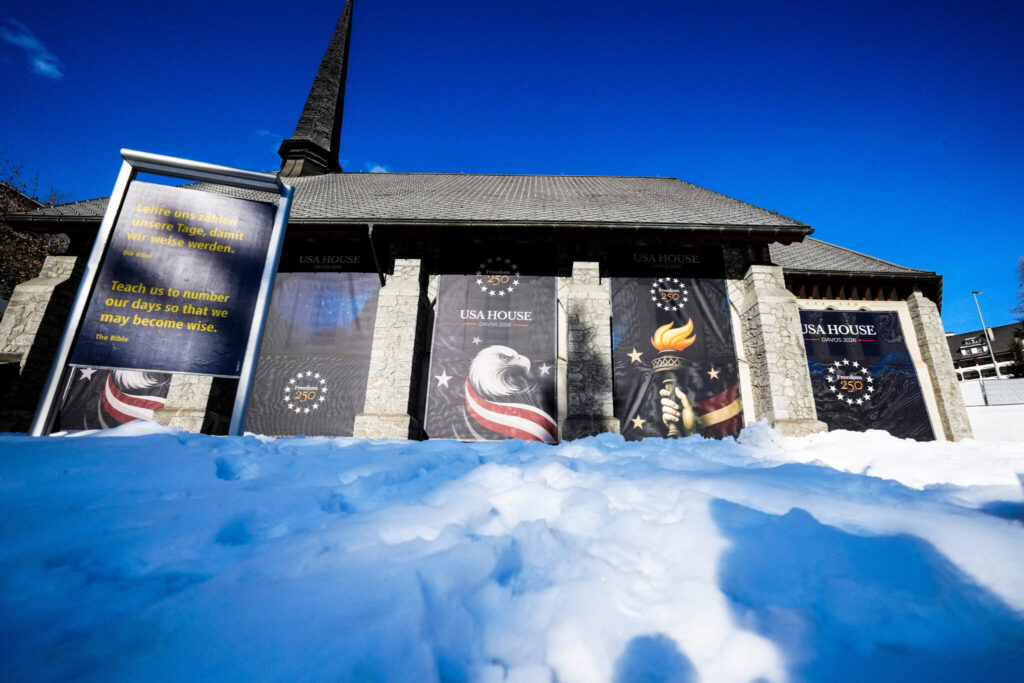
Despite the criticism, Davos remains a key destination for companies and countries seeking global visibility. The U.S. has opened its first “USA House” on the Promenade, joining other national pavilions and corporate showcases.