Davos Leaders: Resilient Economy Needs Inclusive Growth/ Newslooks/ WASHINGTON/ J. Mansour/ Morning Edition/ Top economic voices at Davos say global growth remains resilient despite Trump’s disruptions. Leaders from the IMF, ECB, and WTO emphasized inclusive growth and cooperation. Rising debt, AI-driven inequality, and trade challenges remain key global concerns.
Global Growth Outlook at Davos – Quick Looks
- Global economy showing resilience despite U.S. political disruptions
- IMF, ECB, and WTO leaders urge action on inequality and debt
- Christine Lagarde: Europe must boost innovation and investment climate
- IMF forecasts 3.3% global growth in 2026—“not enough,” says Georgieva
- Trump’s tariff threats over Greenland criticized but didn’t derail focus
- WTO chief: 72% of trade still under multilateral rules
- AI, productivity, and inclusive policies remain critical global priorities
- Leaders call for “Plan B” strategies beyond political noise
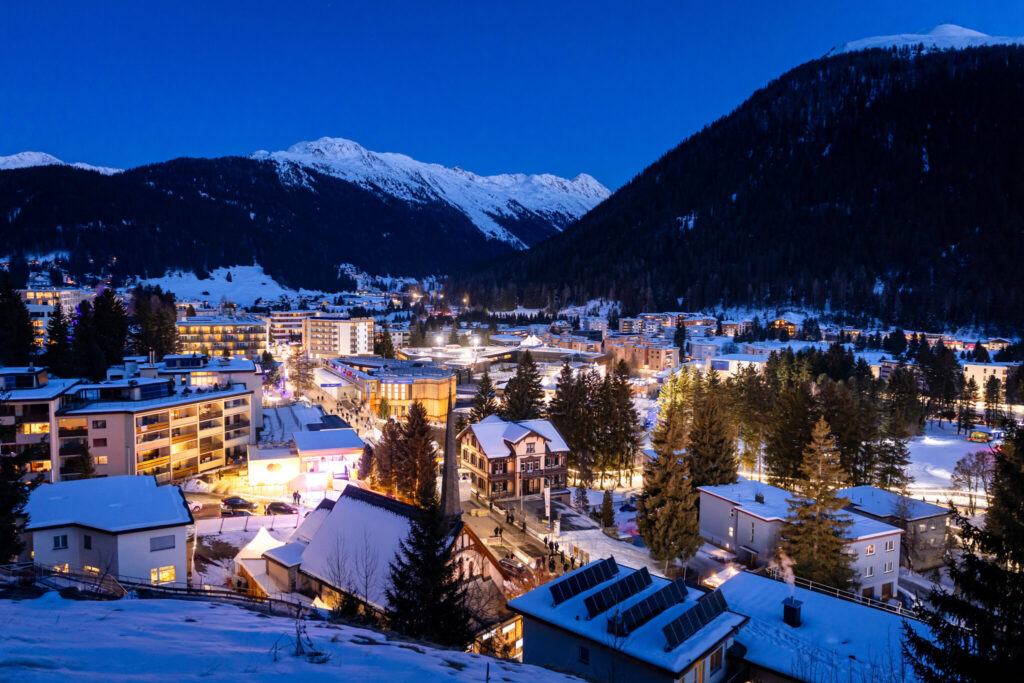
Deep Look: Davos Leaders Say Global Economy Resilient Despite Trump’s Disruptions
DAVOS, Switzerland (Jan. 23, 2026) — Amid political showdowns and headline-grabbing rhetoric from U.S. President Donald Trump, global economic leaders at the World Economic Forum in Davos focused on a more enduring message: the world economy remains strong, but needs smarter and more inclusive strategies to thrive.
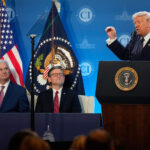
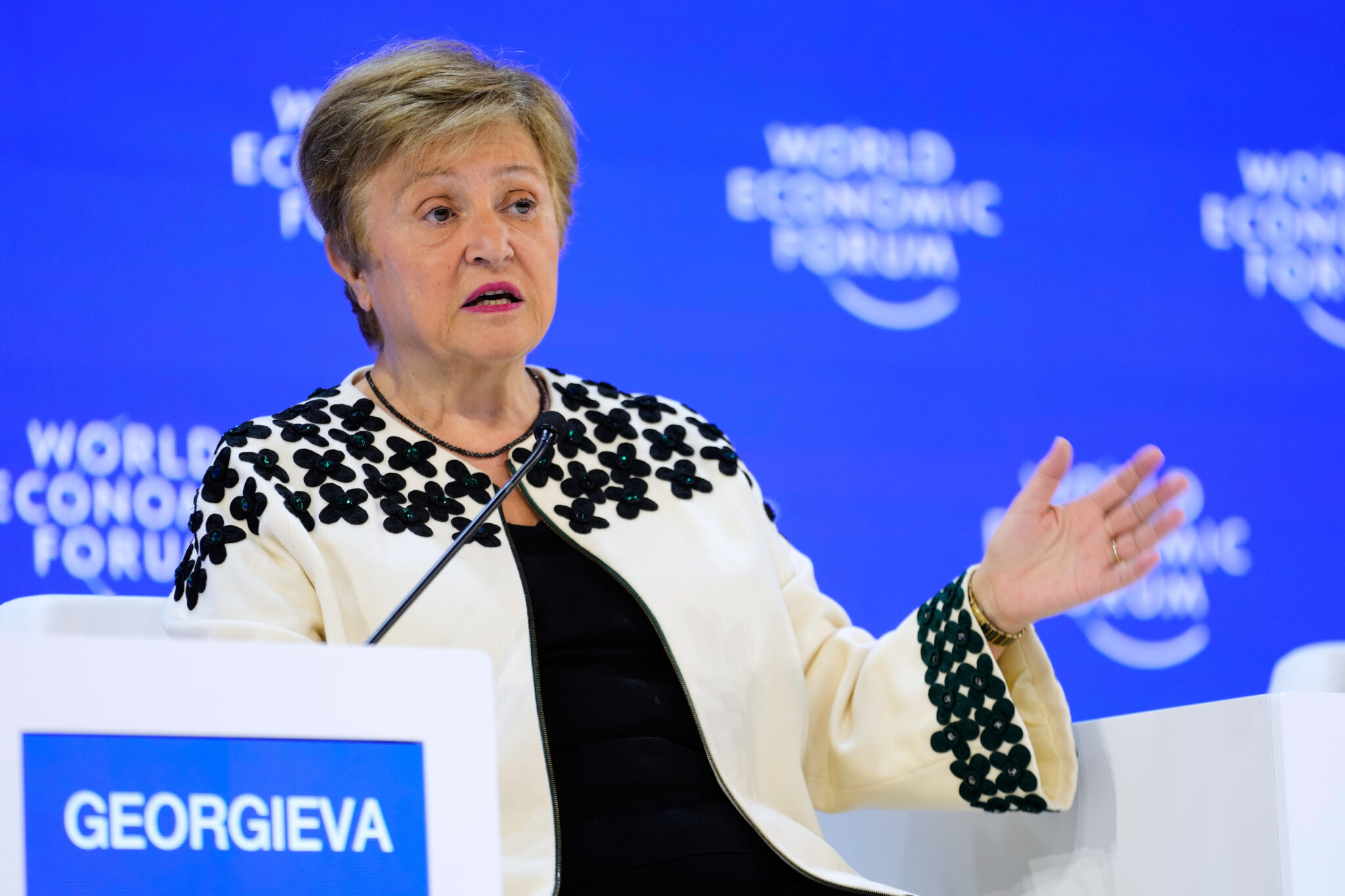
In a Friday panel that featured European Central Bank President Christine Lagarde, IMF Managing Director Kristalina Georgieva, and WTO Director-General Ngozi Okonjo-Iweala, the takeaway was clear: despite geopolitical turbulence, growth continues — but risks are rising.
IMF: Growth Is Solid, But Not Sufficient
Georgieva highlighted that the IMF has revised its 2026 global growth forecast upward to 3.3%, which she called “beautiful — but not enough.”
That figure, she warned, won’t be sufficient to reduce massive global debt loads or counteract the rising tide of economic inequality exacerbated by automation and artificial intelligence.
“We can’t afford to be complacent,” Georgieva said. “Governments need to protect those falling through the cracks.”
She also delivered a vivid metaphor about trade in the modern world:
“Trade is like water in a river — if you block it, it finds another way.”
Lagarde: Filter Out the Political Noise
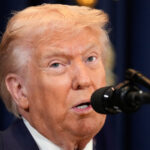
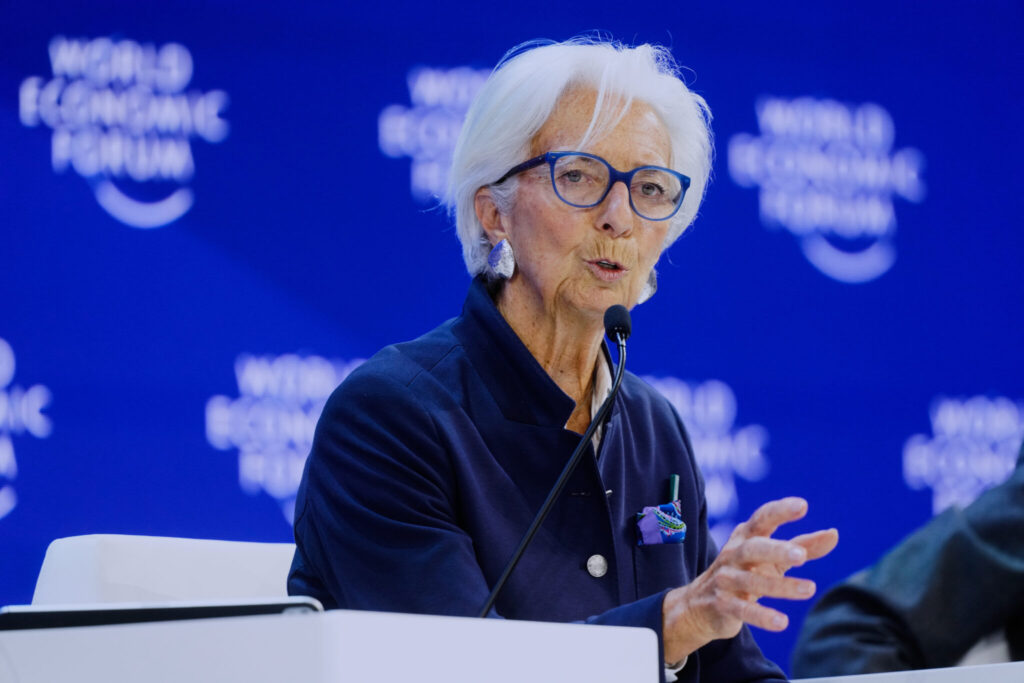
ECB President Christine Lagarde urged attendees to look beyond the “noise” generated during the summit — a veiled reference to President Trump’s disruptive statements and tariff threats.
“We’ve heard a lot of noise this week,” Lagarde said. “Let’s focus on the signal: how to drive innovation and secure long-term prosperity.”
She also turned criticism into reflection, responding to what she called “Europe bashing” during the week.
“We should thank the bashers — they remind us that Europe must improve its investment environment and foster innovation,” she said.
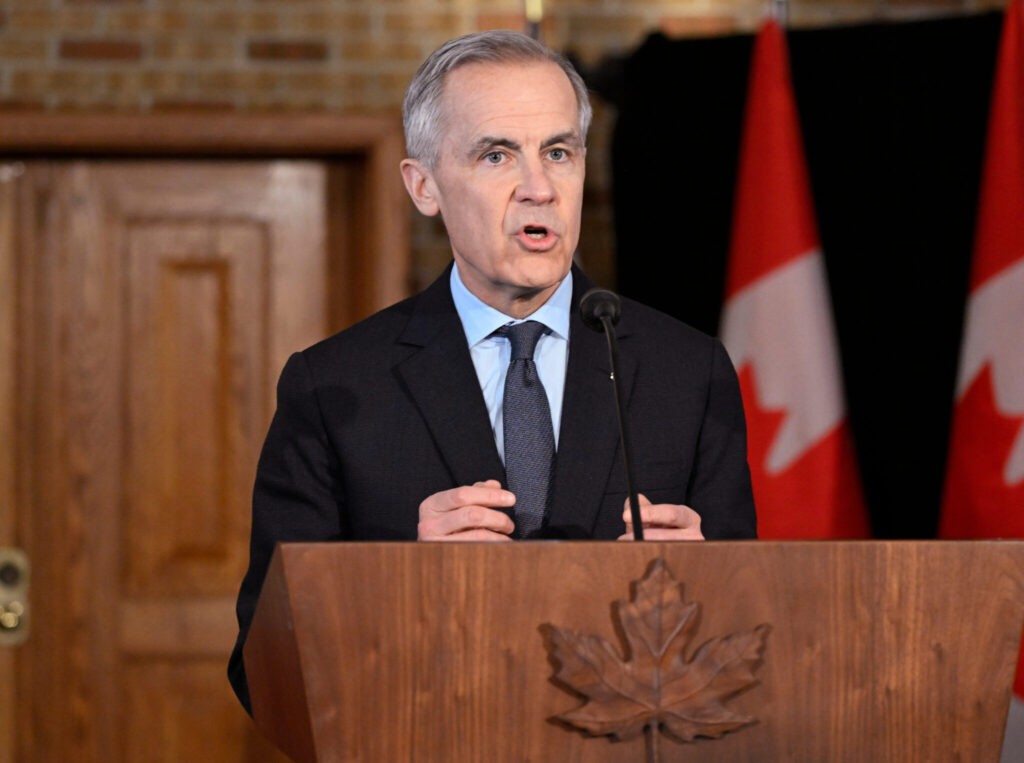
Lagarde dismissed Canadian Prime Minister Mark Carney’s assertion that the international order has irreversibly fractured under Trump, saying that interdependence remains the cornerstone of global business.
WTO: Trade Rules Still Hold Strong
WTO Director-General Ngozi Okonjo-Iweala emphasized that global trade flows remain stable, even with rising nationalism and tariff disputes.
“Despite the biggest disruption in 80 years, 72% of world trade still takes place under WTO rules,” she said. “Resilience is built into the system.”
While she acknowledged that the world may not return to pre-disruption trade norms, she remained confident in multilateral frameworks.
Trump’s Tariff Moves Draw Pushback, Not Panic
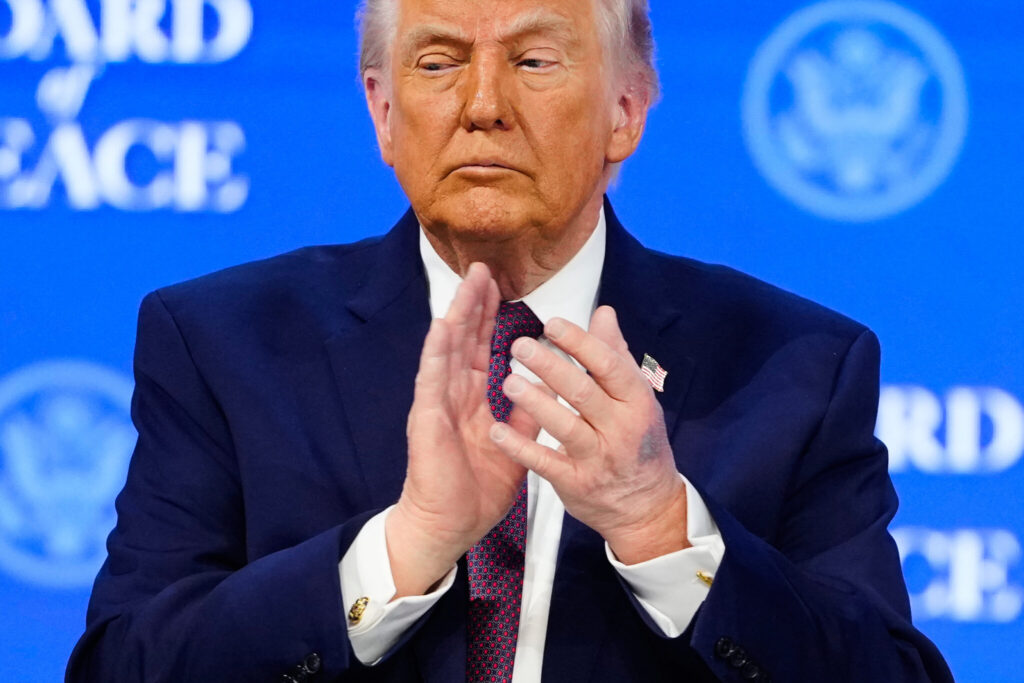
President Trump’s proposed tariffs on eight European countries — aimed at punishing opposition to his Greenland acquisition plan — sparked diplomatic alarm but ultimately failed to derail economic dialogue.
He later walked back the threat after pushback from NATO and global leaders, saying he had agreed on a future “framework” for Arctic security with NATO Secretary-General Mark Rutte.
The week’s events reflected an ongoing challenge: reconciling political theater with economic strategy.
AI and Debt Loom Larger Than Tariffs
While Trump dominated headlines, panelists stressed more pressing economic issues:
- Global debt remains at historically high levels
- AI and automation risk accelerating inequality and job displacement
- Europe must enhance productivity and modernize its economic structures
Lagarde called for “Plan B, or Plans B,” referencing alternative strategies beyond status quo solutions.
“Not in Kansas Anymore”
Georgieva wrapped up the panel with a cultural nod, quoting The Wizard of Oz:
“We are not in Kansas anymore.”
The quote captured the shift in global dynamics — an uncertain landscape that demands adaptability, cooperation, and policies that reach beyond short-term politics.