

Democrats Escalate Calls to Remove Trump from Office After His Iran Threats/ Newslooks/ WASHINGTON/ J. Mansour/ Morning Edition/ Democrats are increasingly calling for President Donald Trump’s removal after threats against Iran. Lawmakers cite national security concerns and growing public pressure. Republicans defend Trump while Democrats weigh impeachment and legislative options.
Trump Iran Threat Quick Looks
- Democrats call for Trump removal after Iran threats
- Impeachment and 25th Amendment discussed
- Trump agrees to temporary ceasefire with Iran
- Congressional offices flooded with calls from voters
- Democratic leaders push war powers legislation
- Republicans defend Trump’s strong rhetoric
- New impeachment resolution filed in House
- Defense Secretary Pete Hegseth also faces criticism
- Midterm politics shaping Democratic response
Deep Look: Democrats Escalate Calls To Remove Trump After Iran Threats
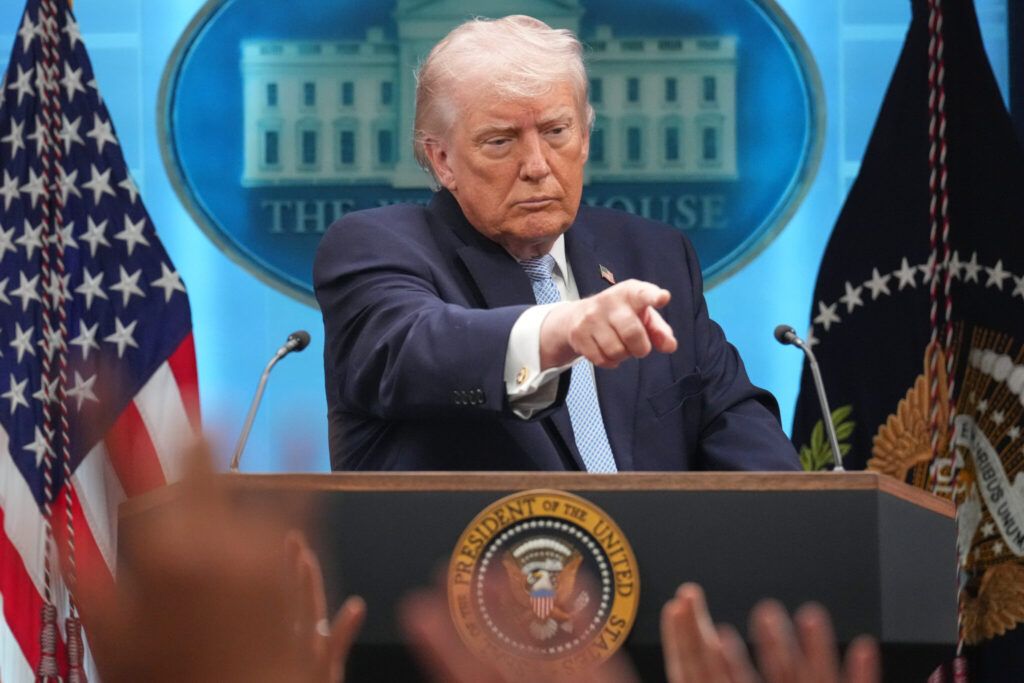
WASHINGTON — Democrats are increasingly raising calls to remove President Donald Trump from office following his threats to “wipe out” Iran, a moment that many lawmakers say crossed a dangerous line and heightened global tensions.
The president’s comments, which referenced destroying “a whole civilization,” triggered a wave of criticism from Democratic lawmakers, many of whom began openly discussing impeachment or invoking the 25th Amendment — options they had largely avoided during Trump’s second term.
Although Trump later backed away from the rhetoric and agreed to a two-week ceasefire with Iran, the episode intensified pressure within the Democratic Party to confront the president more aggressively. Congressional offices reported being flooded with calls and messages from constituents concerned about the escalating conflict and Trump’s statements.
Senate Democratic Leader Chuck Schumer sharply criticized Trump’s leadership, arguing that the president’s approach had created unnecessary instability.
“A commander in chief who is truly in control would have never gotten into this colossal mess to begin with,” Schumer said during a news conference in New York.
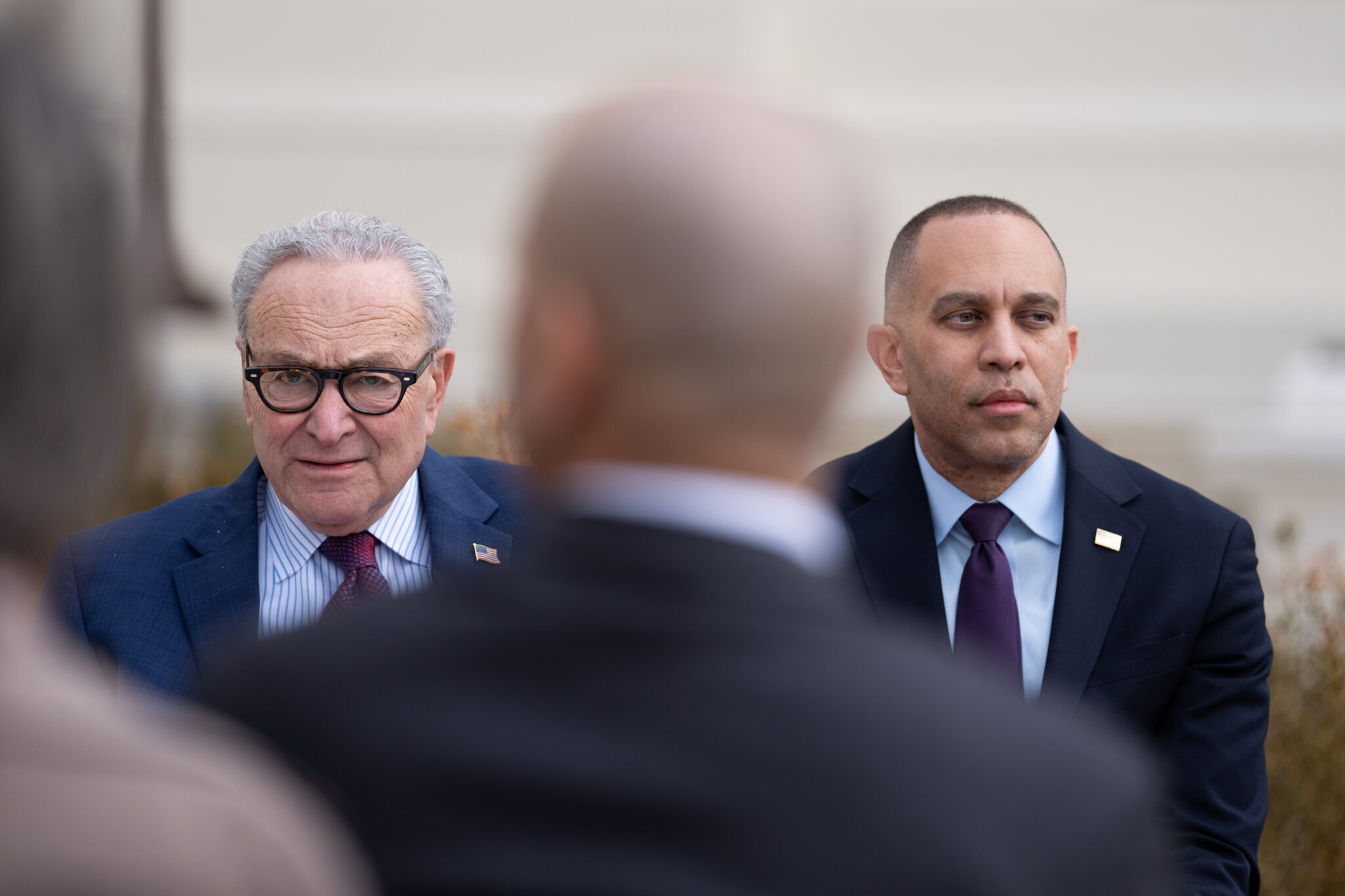
Despite the rising pressure, Democratic leadership is not immediately pursuing impeachment. Instead, Schumer and House Democratic Leader Hakeem Jeffries are urging Republicans to support legislation that would require Trump to obtain congressional approval before launching additional military strikes against Iran.
House Democrats plan to introduce the proposal during a brief session, though Republican leadership is expected to block the measure.
Jeffries said Democrats would continue to pressure Republicans to support oversight measures and limit executive military authority.
“We will continue to unleash maximum pressure on Republicans to put patriotic duty over party loyalty,” Jeffries wrote to Democratic lawmakers.
The White House defended Trump’s rhetoric, arguing it helped bring Iran to the negotiating table. Press Secretary Karoline Leavitt described the president’s statements as a strategic move that contributed to the ceasefire agreement and reopening of the Strait of Hormuz.
Meanwhile, congressional offices reported unprecedented outreach from voters worried about the situation.
Representative Suzan DelBene’s office in Washington state received a surge of calls and emails focused on Iran and potential impeachment. Staffers reported dozens of voicemails accumulating within hours.
Representative Maxine Dexter of Oregon described similar experiences, noting her office received 257 calls in a single day — the highest number recorded since her team began tracking communications.
Lawmakers said the public response appeared largely spontaneous rather than coordinated. Democratic strategists noted that voter concern about the president’s rhetoric fueled the surge in calls.
The debate has also drawn attention from figures on the political right. Former Representative Marjorie Taylor Greene suggested Trump could potentially be removed using the 25th Amendment, highlighting the unusual breadth of reactions across political lines.
Democrats previously impeached Trump twice during his first term, though he was acquitted both times. Since returning to office, Democratic leaders had largely avoided impeachment discussions, preferring to focus on economic issues ahead of the midterm elections.
That strategy shifted following Trump’s comments about Iran.
Representative Alexandria Ocasio-Cortez called for Trump’s removal, warning of escalating risks.
“Whether by his Cabinet or Congress, the President must be removed from office,” she wrote.
Representative Seth Moulton of Massachusetts echoed those concerns, arguing that even a temporary ceasefire did not negate what he viewed as an impeachable offense.
Republicans, however, retain control of the House and have previously blocked impeachment efforts during Trump’s second term. Still, new efforts are emerging.
Representative John Larson of Connecticut has filed a resolution containing 13 articles of impeachment against Trump. The proposal adds to earlier attempts that failed to gain traction.
In June, Democrats joined Republicans in tabling a previous impeachment effort following military strikes on Iran. A second resolution later drew more Democratic support, signaling shifting attitudes within the party.
House Democratic leadership is now preparing discussions focused on accountability measures and potential use of the 25th Amendment.
Some Democrats are also targeting Defense Secretary Pete Hegseth, calling for his removal over support for the military campaign against Iran.
Representative Yassamin Ansari, whose family fled Iran, expressed relief at the ceasefire but warned of continued risks.
“We need urgent action for the sake of our national security and the safety of the rest of the world,” Ansari said.
The escalating debate highlights the growing political stakes surrounding U.S. policy toward Iran. While impeachment remains unlikely given Republican control of Congress, the rising calls from Democratic lawmakers and voters signal a more confrontational phase in Trump’s presidency.
As tensions with Iran continue, Democrats face mounting pressure from their base to challenge Trump more aggressively — a dynamic that could shape both foreign policy debates and the upcoming midterm elections.






You must Register or Login to post a comment.