

Democrats Push $1,700 Tariff Refund for Households/ Newslooks/ WASHINGTON/ J. Mansour/ Morning Edition/ Democrats are calling for $1,700 tariff refunds per household after the Supreme Court struck down much of President Trump’s tariff policy. Several governors and 25 Senate Democrats introduced legislation to mandate repayments. The refund process remains legally complex and could take months or longer.
$1,700 Tariff Refund Proposal Quick Looks
- Democrats estimate $1,700 average loss per household.
- Proposal follows Supreme Court ruling against major tariffs.
- New “Tariff Refund Act” introduced by 25 Senate Democrats.
- Governors Hochul, Pritzker and Newsom demand refunds.
- Study suggests tariffs raised consumer prices by 1.3%.
- Nearly 90% of tariff burden fell on U.S. firms, consumers.
- Refund process could take up to 18 months.
- Trump administration exploring ways to retain tariff revenue.
Deep Look: Democrats Push $1,700 Tariff Refund for Households
WASHINGTON — Democratic leaders are ramping up calls for sweeping tariff refunds, arguing that Americans are owed an average of $1,700 per household after the Supreme Court invalidated much of President Donald Trump’s tariff agenda.
The push comes as legal and political questions swirl around what happens next — including whether the federal government must return billions of dollars collected from importers.
Democrats Push for Refunds
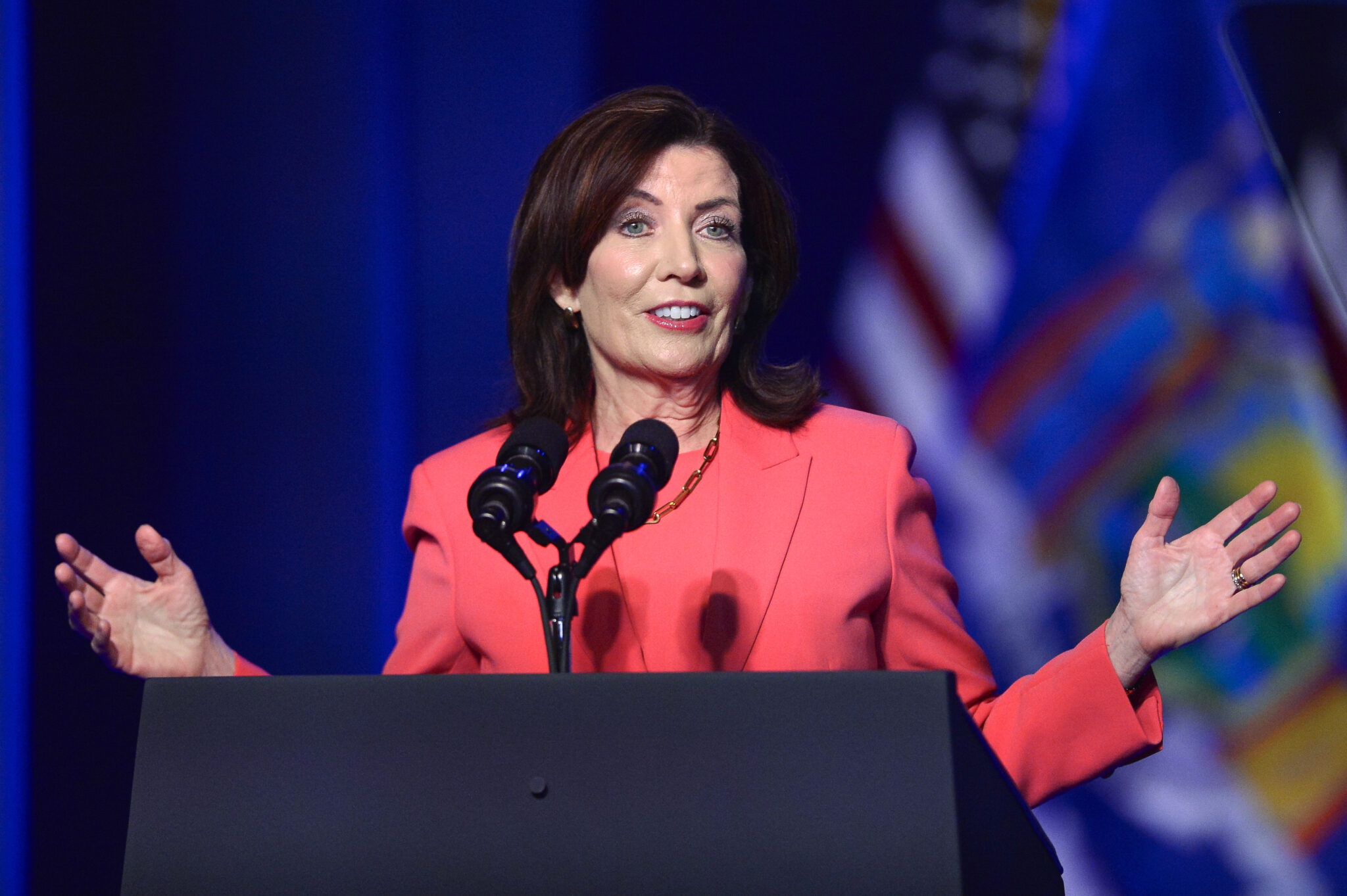
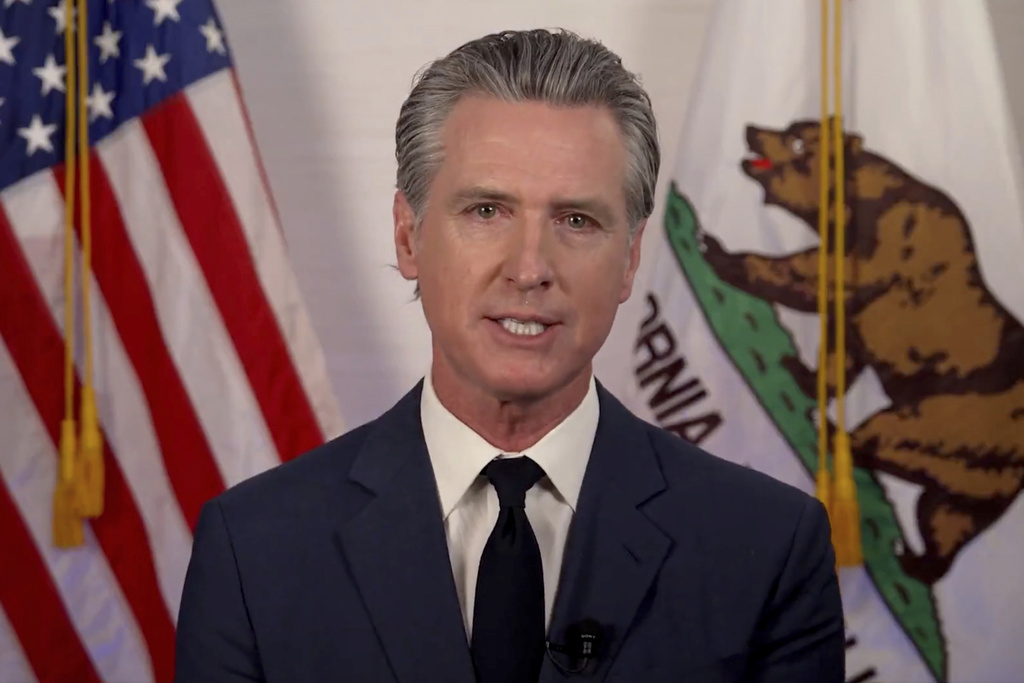
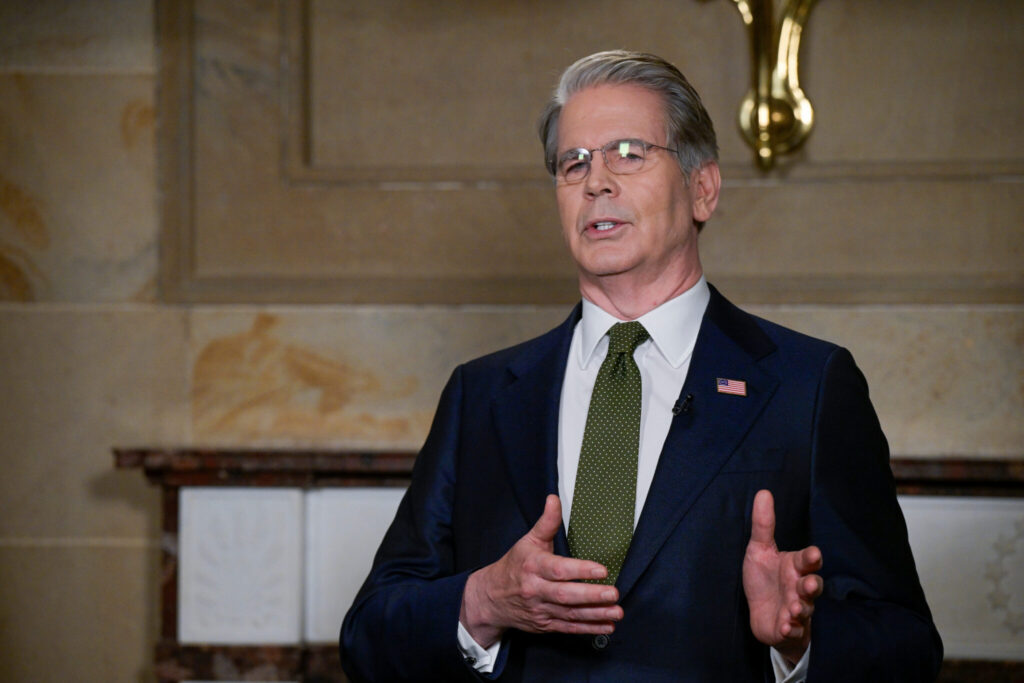
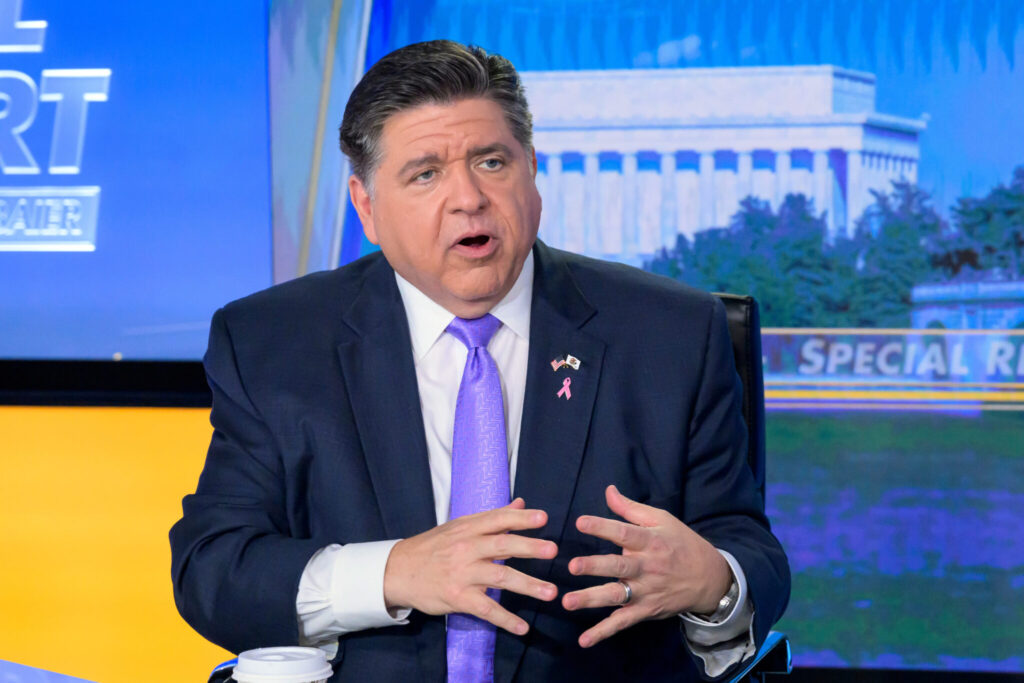
New York Gov. Kathy Hochul sent a letter Thursday to Treasury Secretary Scott Bessent urging the federal government to “refund all tariff payments to New Yorkers.” Illinois Gov. JB Pritzker and California Gov. Gavin Newsom have made similar demands.
On Capitol Hill, 25 Senate Democrats introduced the “Tariff Refund Act,” which would require U.S. Customs and Border Protection to issue reimbursements, prioritizing small businesses.
The proposed $1,700 refund figure flips Trump’s earlier messaging. While promoting tariffs, Trump had floated the idea of $2,000 “dividend” checks for Americans funded by tariff revenue. Now Democrats argue that American households effectively paid the price for those policies.
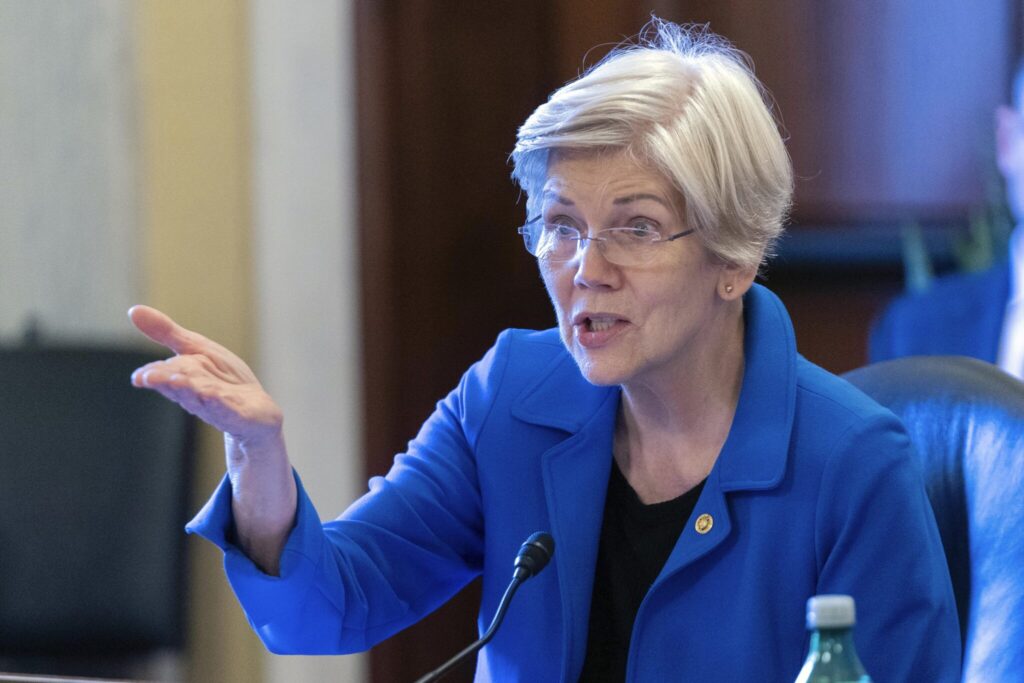
Sen. Elizabeth Warren (D-Mass.) released a video Thursday defending the refund proposal.
“Back in Massachusetts, I heard from all sorts of companies — from board game makers to baby stroller manufacturers — that tariffs made it more expensive to run their businesses and raise their prices,” Warren said. “The truth is, you paid for Trump’s disastrous economic policies.”
The White House and Office of Management and Budget did not immediately respond to requests for comment.
Where the $1,700 Comes From
Hochul cited a January analysis from the Yale Budget Lab to support the refund estimate.
According to the study, tariffs implemented in 2025–2026 led to an estimated 1.3% short-term increase in consumer prices, assuming the costs were fully passed through to consumers. Researchers calculated that this translated into an average income loss of about $1,751 per household in 2025 dollars.
Economists have broadly found that most of the tariff burden landed on American firms and consumers rather than foreign exporters.
The Federal Reserve Bank of New York recently reported that nearly 90% of tariff costs were borne domestically. Meanwhile, S&P Global estimated in October that Trump’s tariffs cost businesses more than $1.2 trillion in 2025, with roughly two-thirds of that passed along to consumers.
Legal and Logistical Hurdles
Despite growing political pressure, the refund process remains murky.
While the Supreme Court ruled that the bulk of Trump’s tariffs were illegal, it did not outline how the federal government should return the billions already collected. Justice Brett Kavanaugh noted in dissent that the ruling left open questions about repayment procedures.
Economists at TD Securities have described the refund process as “highly unclear,” estimating that it could take up to 18 months as cases wind through federal courts.
Trade lawyers say reimbursements would likely flow first to importing businesses that paid the tariffs. Consumers could then receive refunds indirectly — if companies pass along the recovered funds.
“Customers will likely have to wait for businesses to get reimbursed first, then get reimbursed by businesses,” international trade attorney Robert Shapiro told NPR.
Meanwhile, major corporations including Costco, FedEx and L’Oreal have filed lawsuits seeking refunds from the federal government.
Administration’s Next Moves
The situation is further complicated by the Trump administration’s response to the Supreme Court ruling. After much of the original tariff framework was struck down, Trump imposed new 15% global levies.
Administration officials are reportedly exploring legal strategies that could allow the government to retain tariff revenues already collected.
What Comes Next
The debate over tariff refunds is likely to intensify as election season approaches. Democrats are framing the issue as direct economic relief for households hit by higher prices, while the administration appears poised to defend both its trade strategy and its handling of the revenue.
Whether Americans will see actual refund checks — and how large they might be — remains uncertain. For now, the $1,700 figure serves as both a political rallying cry and a complicated legal question awaiting resolution.



You must Register or Login to post a comment.