DeSantis Calls April Session to Redraw Florida Districts/ Newslooks/ WASHINGTON/ J. Mansour/ Morning Edition/ Florida Governor Ron DeSantis has announced an April special session to redraw the state’s congressional districts, citing expected Supreme Court guidance. The move aligns with a broader GOP strategy to reshape political maps ahead of the 2026 midterms. The redistricting could significantly affect the balance of power in the U.S. House.
Florida Redistricting: Quick Look
- DeSantis sets April session to redraw districts
- Redistricting tied to pending U.S. Supreme Court ruling
- Florida joins other GOP states in mid-decade redraw
- New maps may help Trump-backed GOP gain seats
- Voting Rights Act ruling may reshape legal boundaries
- DeSantis cites Section 2 case from Louisiana
- Legal battles continue in key redistricting states
- Florida voters approved anti-gerrymandering rule in 2010
- GOP could net House gains in 2026 elections
- Florida’s political maps likely to face court scrutiny
DeSantis Calls April Session to Redraw Florida Districts
Deep Look
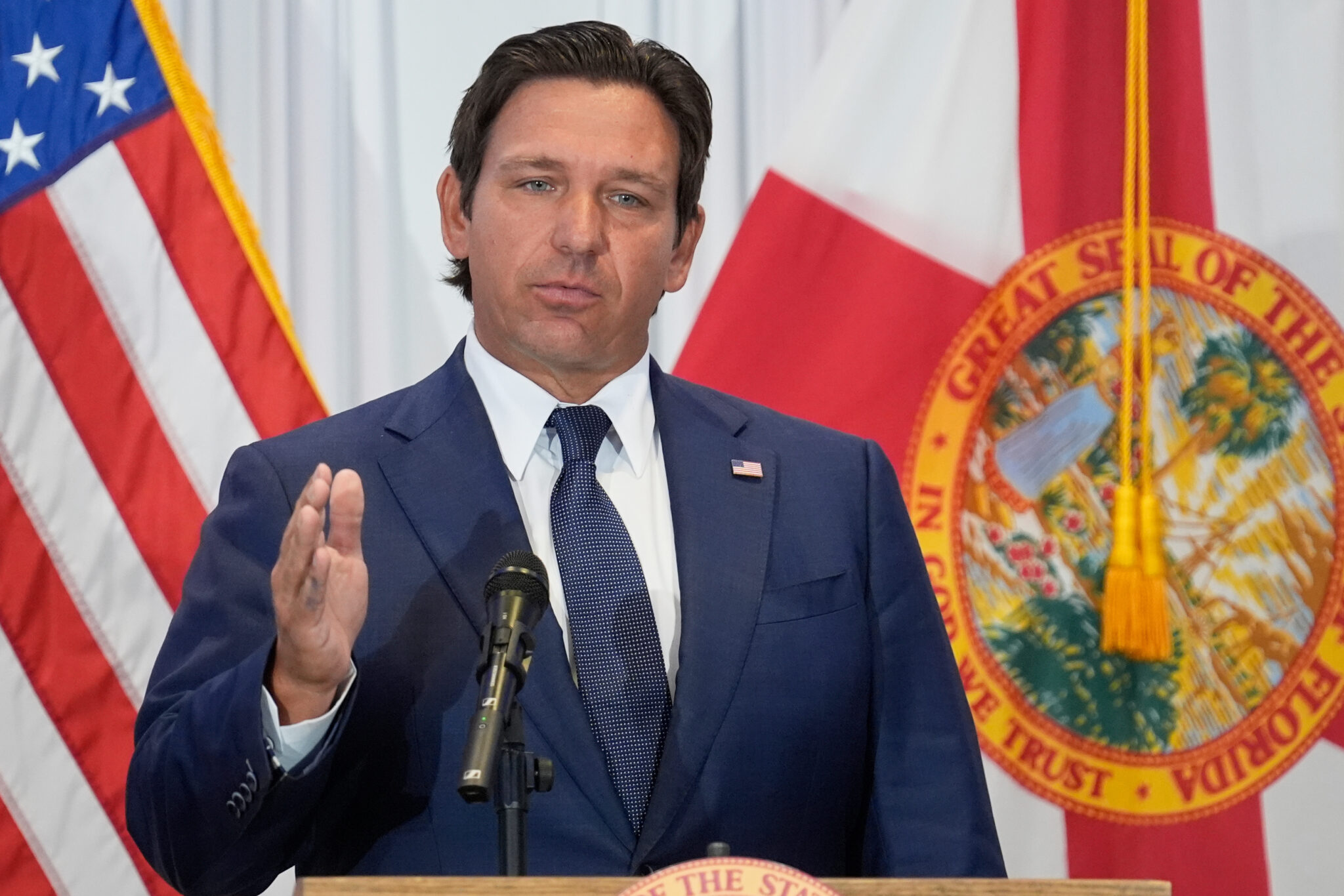
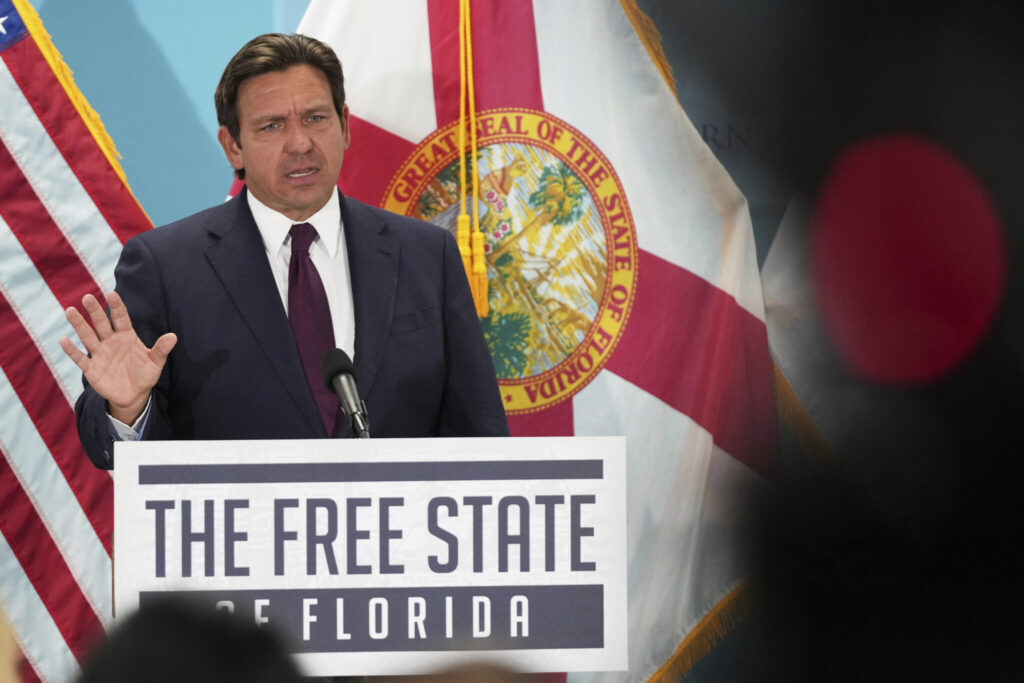
Florida Governor Ron DeSantis announced on Wednesday that he will convene a special legislative session in April to redraw the state’s congressional districts, deepening the national battle over mid-decade redistricting. The decision comes as Republicans ramp up efforts to reconfigure political boundaries in key states ahead of the 2026 midterm elections.
Speaking in Steinhatchee, Florida, DeSantis said the timing of the special session is linked to a pending U.S. Supreme Court decision in Louisiana v. Callais, a case that could determine the future of Section 2 of the Voting Rights Act. That section prohibits racial discrimination in voting systems and has been the legal basis for several court decisions requiring states to draw additional minority-opportunity districts.
“I don’t think it’s a question of if they’re going to rule. It’s a question of what the scope is going to be,” DeSantis told reporters. “So, we’re getting out ahead of that.”
Although Florida’s regular legislative session begins next week, DeSantis said the April timing allows lawmakers to act with more clarity after the Supreme Court’s decision, which is expected to define how much leeway states will have in drawing political lines.
National Redistricting Impact
DeSantis’ announcement aligns with a coordinated effort by GOP leaders and Trump-aligned strategists to reshape congressional maps in Republican-led states. These efforts, if successful, could shift the balance of power in the narrowly divided U.S. House of Representatives.
In the ongoing mid-decade redistricting push:
- Republicans believe they have secured up to nine net seats in states like Texas, North Carolina, Missouri, and Ohio.
- Democrats are expecting six additional seats in states including California and Utah.
- The GOP currently sees a net gain of three seats — a potentially decisive margin for House control.
However, many of the newly drawn maps are tied up in legal challenges, and their final status remains uncertain as the courts continue to weigh in on their legality.
Florida’s Role and Legal Background
Florida plays a pivotal role in the national redistricting landscape. With a growing population and 28 congressional seats, changes to the state’s map could significantly impact national politics.
In 2010, Florida voters passed a constitutional amendment aimed at curbing partisan gerrymandering. The amendment bars lawmakers from drawing districts “to favor or disfavor a political party,” but enforcement of that mandate has been inconsistent and frequently contested in court.
Despite that constitutional rule, DeSantis previously pushed through a congressional map in 2022 that eliminated a Black-majority district in North Florida, prompting a wave of lawsuits and federal scrutiny. Critics accused the governor of using redistricting to consolidate Republican power — a claim his administration denied.
Legal experts expect any new map produced in the upcoming April session to also face swift legal challenges from civil rights groups and Democratic-aligned organizations.
Supreme Court Case Could Reshape Rules
The pending Louisiana v. Callais case centers on whether Section 2 of the Voting Rights Act is constitutional — a ruling that could either affirm or dismantle one of the few remaining federal protections against racial gerrymandering.
A decision in favor of Louisiana could open the door for Republican-led states to redraw political maps without court-ordered obligations to protect minority voting strength, making it easier to create GOP-friendly districts even in diverse states.
DeSantis made it clear that Florida will be ready to act immediately after the Court rules. “We’ll have everything in place,” he said. “We’ll be ready to do it the right way, and we’ll do it legally and with precision.”
What’s Next
- April Special Session: Florida lawmakers will reconvene specifically to address congressional redistricting.
- Potential Legal Fights: New maps are expected to trigger lawsuits, especially if minority-majority districts are weakened or eliminated.
- Supreme Court Ruling: The outcome of Louisiana v. Callais could redefine the national redistricting landscape.
- 2026 Midterms: Control of the U.S. House may hinge on outcomes in states like Florida, where redrawn districts could favor one party.