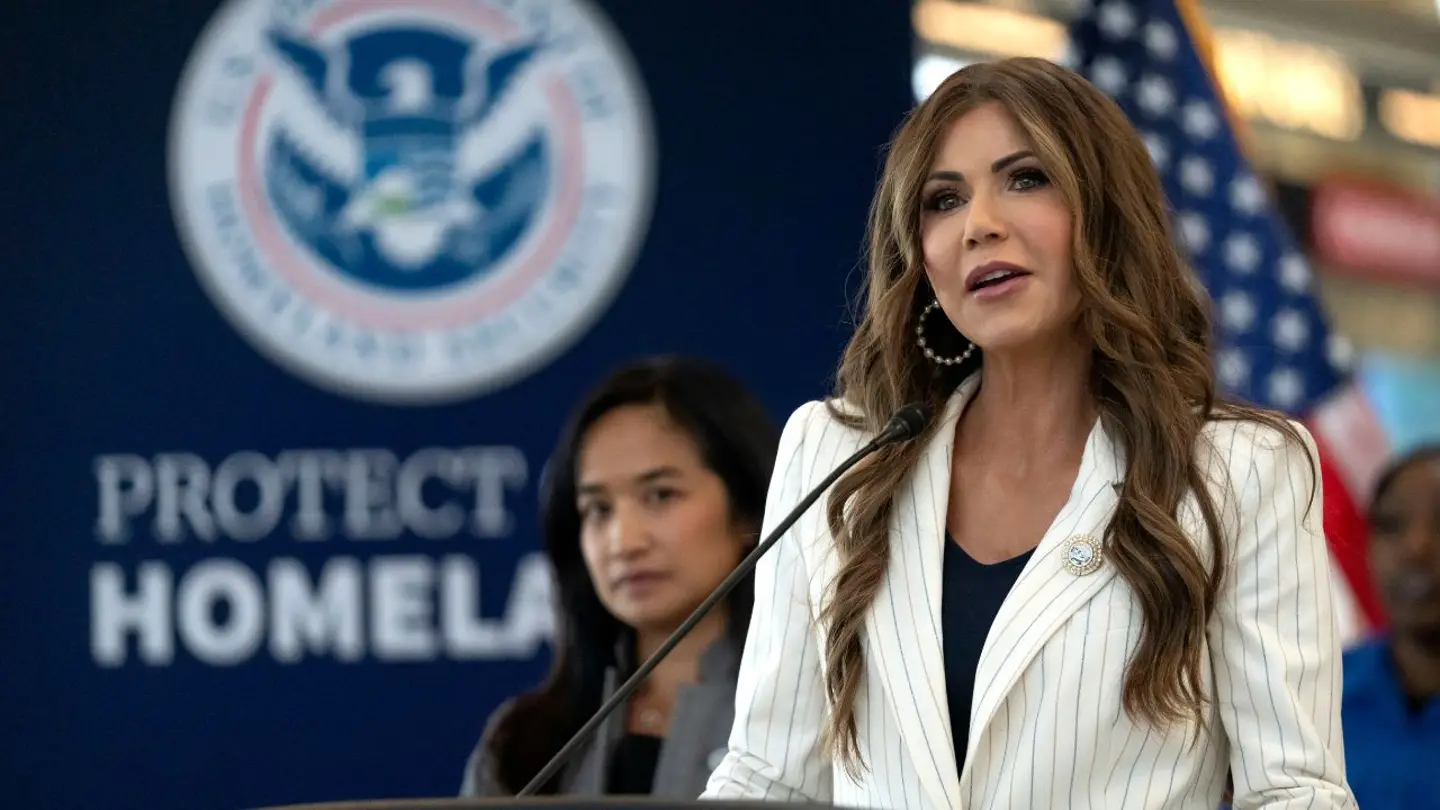
DHS Shifts Immigration Focus to Criminal Offenders Amid ICE Raid Backlash/ Newslooks/ WASHINGTON/ J. Mansour/ Morning Edition/ The Department of Homeland Security is refocusing immigration enforcement on undocumented immigrants with serious criminal records. Widespread ICE raids — once common at public locations — will be scaled back due to growing political and public pressure. The policy change follows declining support for Trump’s mass deportation approach, as polls show public concern over aggressive tactics.
Quick Look:
- DHS shifts focus to targeting undocumented immigrants with serious criminal convictions.
- Large-scale workplace and street raids to be scaled back amid public backlash.
- Polls show declining support for President Trump’s mass deportation policies.
- New Orleans operation “Catahoula Crunch” continues, with over 250 arrests so far.
- ICE will maintain traffic enforcement, but raids based on profiling or location will decrease.
DHS Shifts Immigration Focus to Criminal Offenders Amid ICE Raid Backlash
Deep Look:
WASHINGTON, D.C. — The Department of Homeland Security (DHS) is modifying its immigration enforcement strategy, placing greater emphasis on arresting undocumented immigrants with serious criminal records while scaling back high-profile workplace and street raids that have drawn intense public scrutiny, according to a report from NewsNation.
This policy shift marks a significant change from the aggressive approach previously favored under President Donald Trump’s administration, which has faced declining public support for large-scale Immigration and Customs Enforcement (ICE) operations.
A Shift in Priorities: From Mass Raids to Targeted Arrests
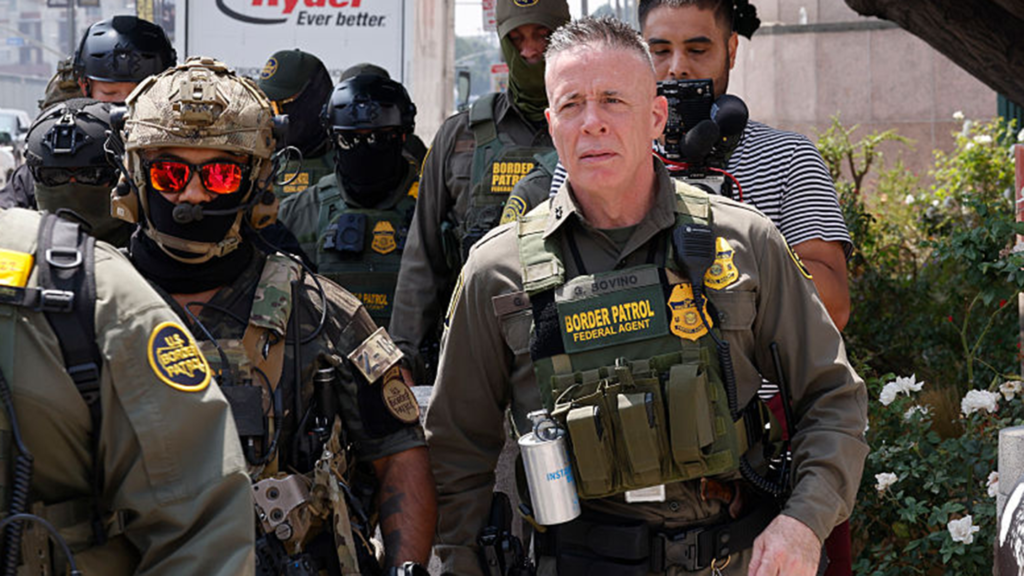
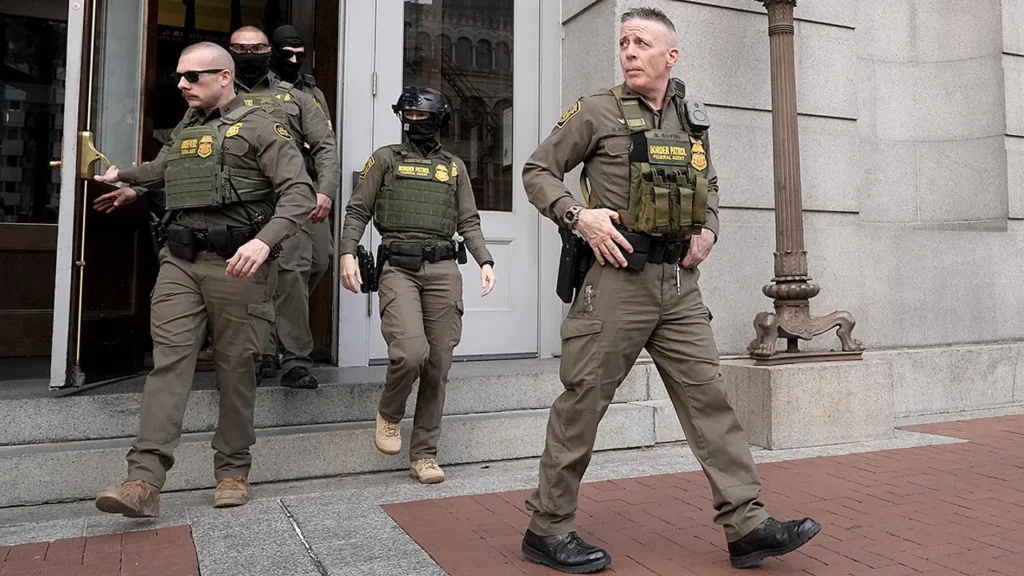
Under the revised enforcement plan, U.S. Border Patrol Commander at Large Gregory Bovino has instructed agents to prioritize arrests of undocumented immigrants with convictions for violent or serious offenses. This includes individuals with criminal histories involving drug trafficking, weapons charges, assault, or human smuggling.
Rather than conducting sweeping raids at public locations like Home Depot stores, construction sites, or car washes, federal agents will shift toward targeted enforcement efforts, leveraging intelligence and criminal databases to identify high-risk individuals.
Agents will continue to make arrests during traffic stops, but spontaneous apprehensions of individuals based on appearance, language, or ethnicity are expected to be curtailed.
“We are focusing our resources where they’re most needed — on individuals who pose a clear threat to public safety,” a DHS spokesperson said anonymously due to agency protocol.
Public Opinion Influences Policy Direction
The change comes in response to declining public support for Trump’s hardline immigration tactics.
A Public Religion Research Institute poll released earlier this week revealed that approval for Trump’s immigration handling has dropped from 42% in March to just 33% in December.
Additional polling from YouGov and a joint survey by the Kaiser Family Foundation (KFF) and The New York Times showed a majority of Americans now oppose ICE raids, and many immigrants report feeling “less safe” under Trump’s presidency.
“This shift is not only operational — it’s political,” said a former DHS official. “The administration is clearly trying to calm criticism ahead of the 2026 midterms.”
Operation ‘Catahoula Crunch’ Continues Despite New Direction
Despite the broader change in tactics, Operation Catahoula Crunch, a DHS-led crackdown on illegal immigration in New Orleans, is continuing under the new guidelines. The operation has already resulted in over 250 arrests, and DHS reportedly plans to reach 5,000 by its conclusion.
“While the optics of large raids may change, the goal of enforcing immigration laws is not going away,” said Commander Bovino, who was seen leading teams of federal agents through neighborhoods in Los Angeles, New Orleans, and Charlotte earlier this year.
Legal and Civil Rights Concerns Grow
ICE raids have sparked protests, lawsuits, and condemnation from immigrant advocacy organizations, who argue the tactics often result in racial profiling and civil liberties violations.
In a recent development, a federal judge blocked ICE from making warrantless arrests in Washington, D.C., unless agents can provide evidence that the individual is a flight risk.
“Enforcement must be lawful and respectful of constitutional rights,” said civil rights attorney Maria Alvarez. “We can’t allow fear-based policing to define our immigration policy.”
What’s Next for Immigration Enforcement?
The Biden-era “prosecutorial discretion” policies, which focused on removing only those posing public safety threats, were reversed under Trump’s return to office in 2024. However, the recent adjustments suggest a more refined approach could be emerging — one aimed at balancing enforcement with public sentiment.
Still, immigration remains one of the most polarizing issues in American politics, and how DHS enforces the law will likely continue to shape voter attitudes heading into 2026.