

Energy Facilities Targeted As Iran War Escalates/ Newslooks/ WASHINGTON/ J. Mansour/ Morning Edition/ The Iran war intensified as both sides expanded attacks on energy targets across the region. Israel said it killed Iran’s intelligence minister, while Iran struck Gulf energy areas and Israel. Oil prices jumped again, raising fresh concerns about fuel costs and global inflation.
Iran Energy War Quick Looks
- Israel said it killed Iran intelligence minister Esmail Khatib.
- Iran confirmed Khatib’s death on state television.
- An offshore gas field tied to Iran was struck.
- Iran expanded attacks on Gulf energy infrastructure.
- Explosions were reported in Riyadh on Wednesday evening.
- Oil prices climbed above $108 a barrel.
- Brent crude is up nearly 50% since the war began.
- Iran continued pressuring shipping in the Strait of Hormuz.
- Missiles struck Israel, killing two people near Tel Aviv.
- Fighting also intensified in Beirut and southern Iran.
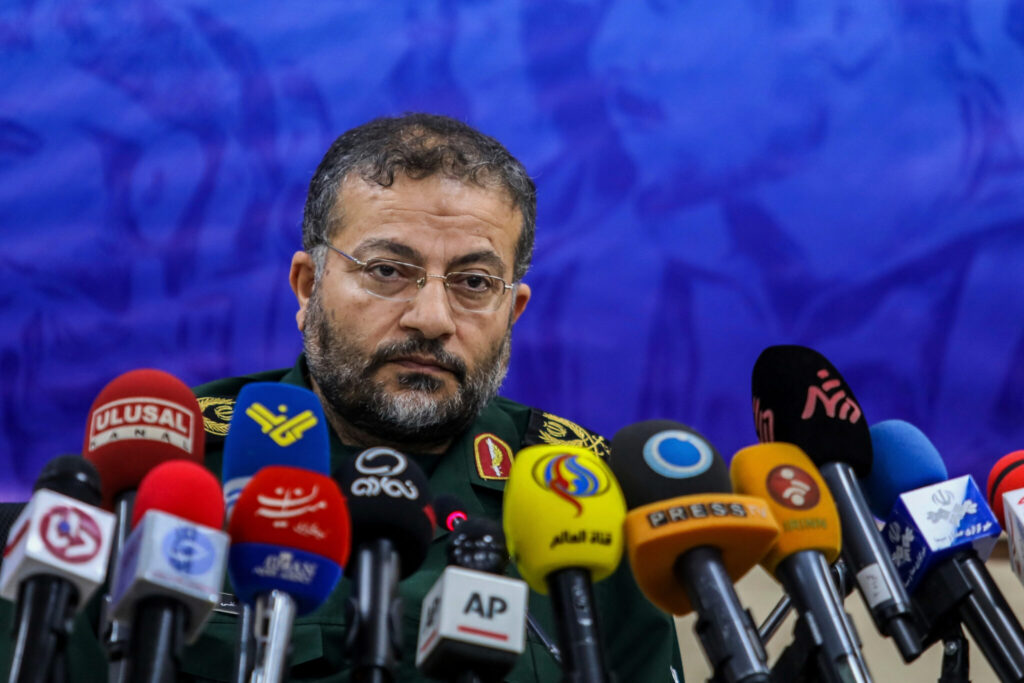
Deep Look: Energy Facilities Targeted As Iran War Escalates
The conflict between Iran and Israel widened further Wednesday as both sides stepped up attacks linked to the region’s energy network, driving oil prices sharply higher and adding pressure to an already strained global economy.
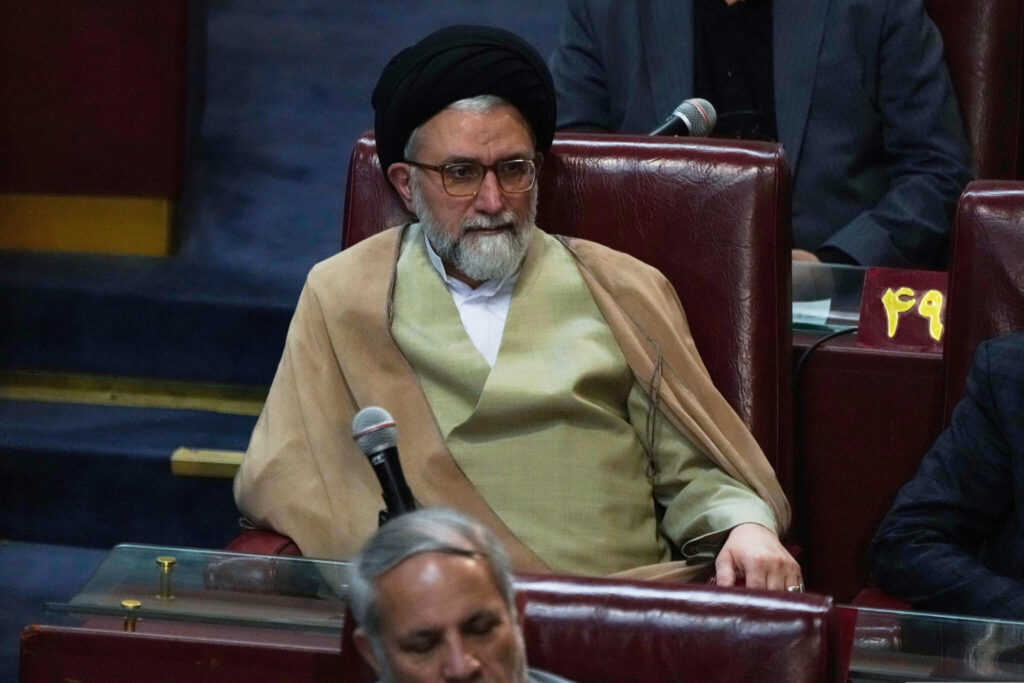
Israel said it killed Iran’s intelligence minister, Esmail Khatib, in an overnight strike, extending its campaign against senior Iranian officials. Tehran responded with new attacks aimed at Gulf Arab energy zones and Israel, signaling that both sides are increasingly targeting the infrastructure that underpins the region’s oil and gas trade.
The intensifying strikes pushed Brent crude above $108 a barrel, a fresh surge that adds to the sharp run-up in oil prices since the war began on Feb. 28. The spike is feeding concerns about higher gasoline costs, broader inflation pressure and slower growth far beyond the Middle East.
Israeli Defense Minister Israel Katz said Khatib was killed in a strike and warned that more “significant surprises” were coming. Iranian state television later confirmed the death. Khatib had been sanctioned by the United States in 2022 over alleged cyber activities targeting the U.S. and its allies.
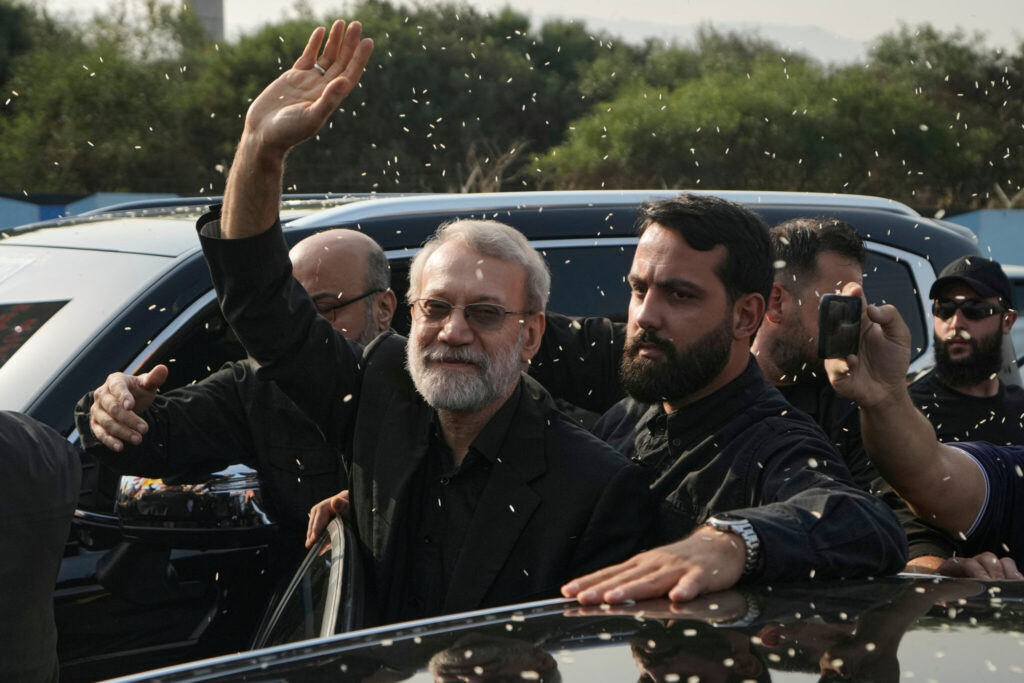
The killing came a day after Israel said it had eliminated Ali Larijani, one of Iran’s top security figures, and Gen. Gholam Reza Soleimani, who led the Basij paramilitary force. Iranian Supreme Leader Mojtaba Khamenei issued condolences for Larijani, portraying the killing as proof of his importance and promising that those responsible would pay.
A major offshore natural gas field connected to Iran was also struck, highlighting how the war is now hitting not only military targets but also core energy assets. Qatar, which shares the South Pars gas field with Iran, blamed Israel for the strike.
Iran, meanwhile, continued its strategy of targeting the oil and gas interests of neighboring Gulf states. Saudi Arabia’s Eastern Province, home to a large share of the kingdom’s oil production, was hit, and Tehran threatened more attacks against infrastructure in Qatar and the United Arab Emirates. Two large explosions were later heard in Riyadh, the Saudi capital, further raising alarm about the war’s regional spillover.
Iran has also maintained pressure on maritime traffic through the Strait of Hormuz, the narrow passage that normally carries about one-fifth of the world’s oil supply. While a limited number of ships have still crossed, the route remains heavily disrupted. Iran insists the waterway remains open, but not for the United States or many of its partners.
President Donald Trump has voiced growing frustration that allies have not committed ships to help reopen the strait. By Wednesday, his public stance had shifted toward insisting the United States could handle the situation without outside support.
With the energy squeeze worsening, the Trump administration moved to loosen sanctions on Venezuela, allowing U.S. companies to do business again with the country’s state-run oil and gas firm. The step appears aimed at boosting supply and easing market pressure as crude prices continue climbing.
Elsewhere in the region, Iraq said it had reached an agreement with the Kurdish regional authorities to restart exports of 250,000 barrels of crude a day through a pipeline to Turkey. Saudi Arabia has also been redirecting some exports through pipelines to Red Sea ports to avoid the Hormuz chokepoint.
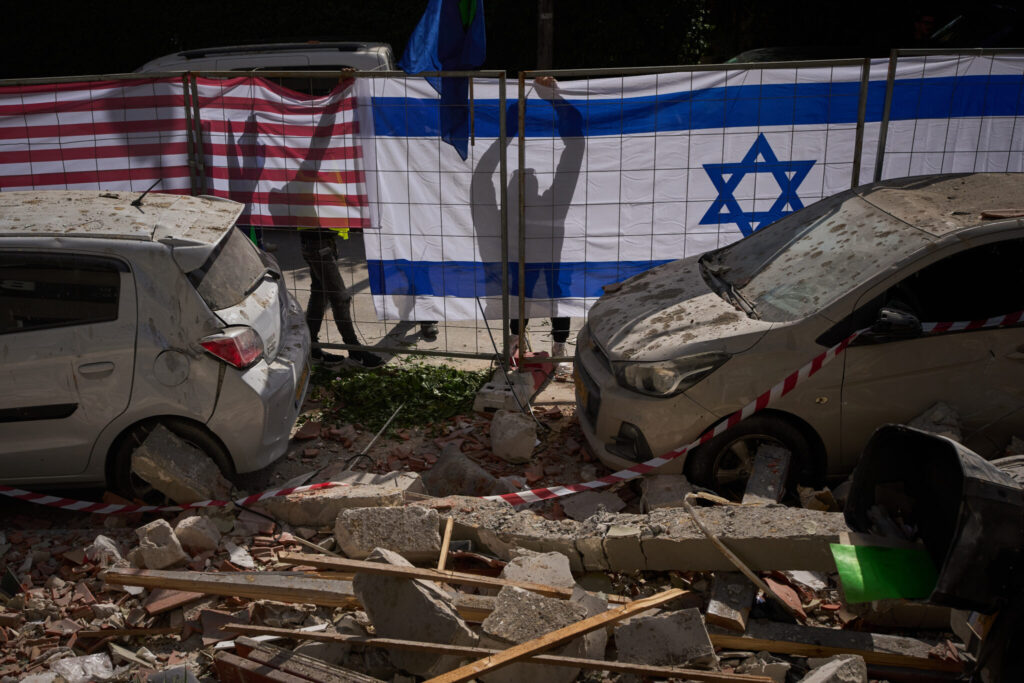
Iran also launched a fresh missile barrage at Israel. The Revolutionary Guard said it used multiple-warhead missiles aimed at central Israel, weapons designed to make interception more difficult. Video from the scene showed at least one missile dispersing munitions over Israeli territory. Two people were reported killed near Tel Aviv.
Shrapnel from missile interceptions also damaged three private aircraft at Ben Gurion Airport, according to Israeli airport authorities. Air traffic across the wider region has been heavily disrupted since the war began, adding to the economic and logistical fallout.
Inside Iran, the damage continued to mount. Iranian judicial media said an airstrike hit a courthouse complex in Larestan in the country’s south, killing at least eight people. The Iranian Red Crescent says more than 1,300 people have been killed in Iran since the conflict started.
Iranian authorities also announced the execution of a man identified as Kourosh Keyvani, who was accused of spying for Israel’s Mossad. Sweden’s Foreign Ministry separately condemned what it said was the execution of a Swedish citizen in Iran on Wednesday, though further details were not immediately released.
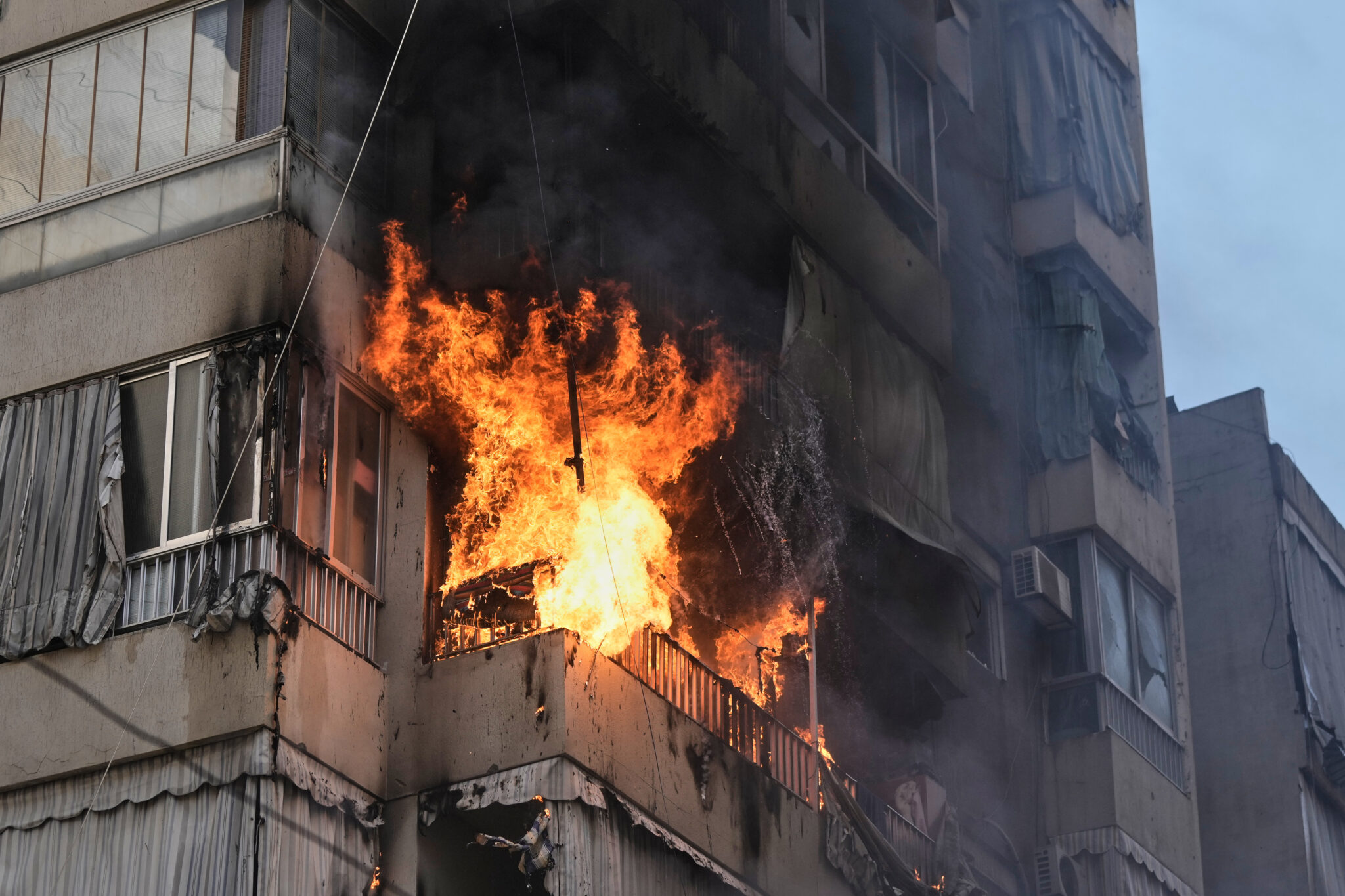
In Lebanon, Israel maintained heavy pressure on Hezbollah, which entered the conflict after the Iran war began. Israeli strikes hit several apartment buildings in Beirut, including one structure that Israel said was being used to store funds for Hezbollah operations. Lebanese officials said at least 10 people were killed in central Beirut and two more in the western Bekaa Valley.
The humanitarian toll in Lebanon continues to rise. Lebanese authorities say more than 1 million people have been displaced, with over 900 killed and more than 2,200 wounded since the latest escalation began.
In Israel, Iranian missile fire has now killed 14 people. At least 13 U.S. military personnel have also died since the conflict began.
With energy infrastructure increasingly in the crosshairs, the war’s stakes now stretch well beyond the battlefield. The latest attacks suggest both Iran and Israel are using economic pressure as a central weapon, increasing the risk of a deeper regional crisis with global consequences.



You must Register or Login to post a comment.