Epstein Files Review Flags Six Newly Incriminated Men/ Newslooks/ WASHINGTON/ J. Mansour/ Morning Edition/ U.S. lawmakers reviewing unredacted Jeffrey Epstein files say six additional men were identified as “likely incriminated.” The Justice Department has so far redacted the names, citing ongoing review and legal constraints. Lawmakers warn they may publicly disclose the names using constitutional protections if delays continue.

Epstein File Review Quick Looks
- Six men described as “likely incriminated” remain unnamed due to DOJ redactions
- Review conducted by Thomas Massie and Ro Khanna
- One individual allegedly holds a senior role in a foreign government
- Files reviewed under the Epstein Transparency Act
- Lawmakers may use House speech protections to disclose names publicly
Deep Look: Epstein File Review Reveals New Incriminating Names
A long-awaited congressional review of unredacted files connected to Jeffrey Epstein has identified at least six additional men who lawmakers say are “likely incriminated,” reigniting pressure on the Justice Department to release more information to the public.
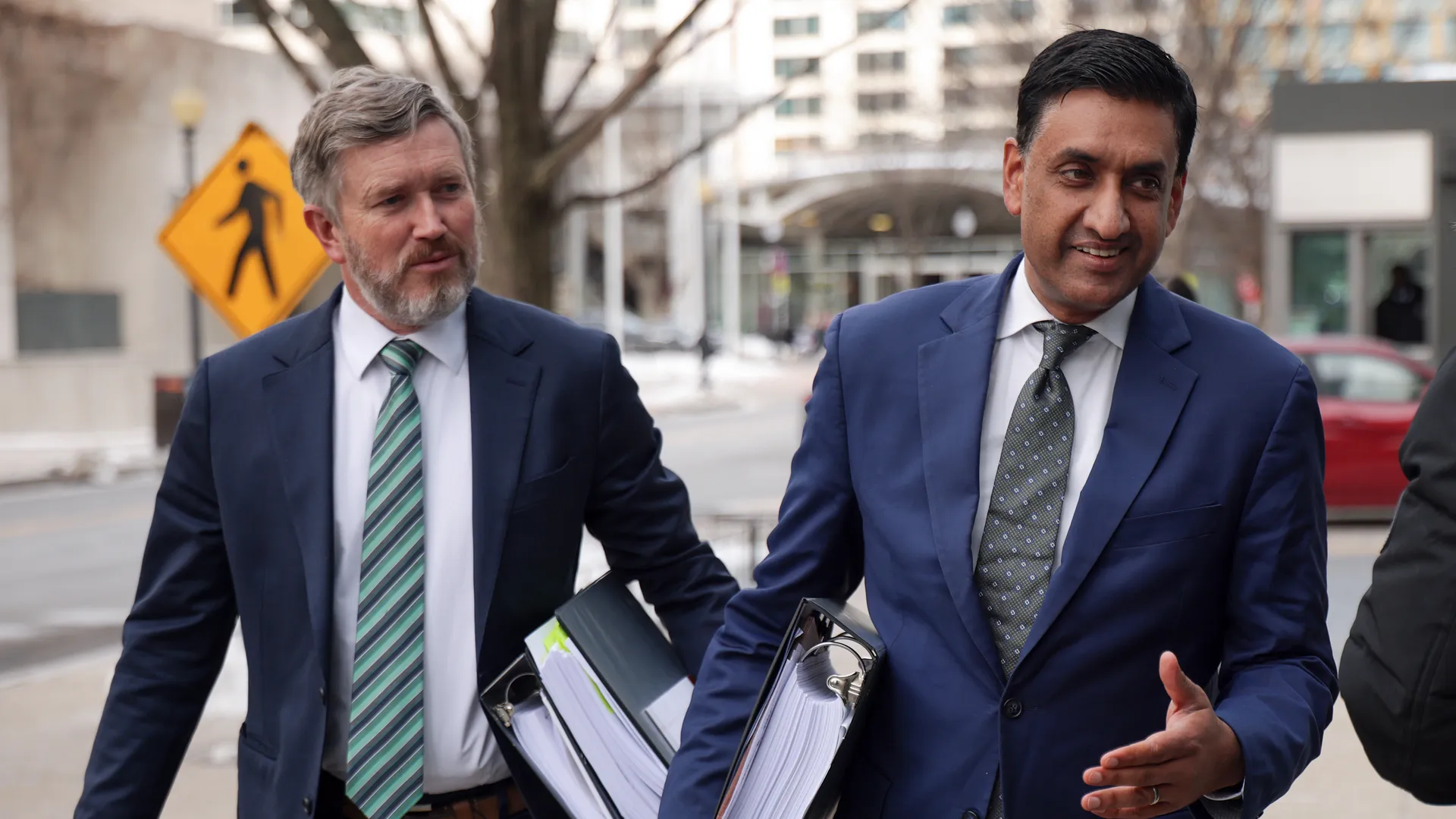
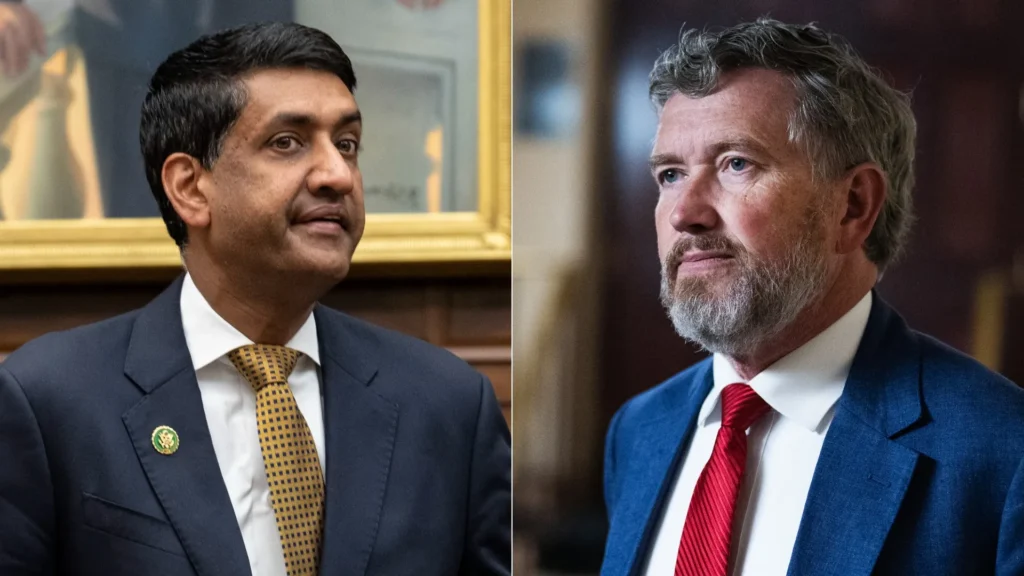
Representatives Thomas Massie of Kentucky and Ro Khanna of California disclosed the findings after reviewing documents at the U.S. Department of Justice. According to the lawmakers, the DOJ has redacted the names of those individuals despite their apparent significance in the files.
Massie told reporters that one of the unnamed men occupies a high-ranking position within a foreign government, while another is a prominent public figure. However, the lawmakers declined to specify the nature of the alleged conduct or how the individuals were implicated, citing restrictions tied to the ongoing review.
The revelations underscore the enduring reach of Epstein’s network, which has implicated powerful figures across politics, business, and international institutions. Epstein, who died in federal custody in 2019, faced charges related to sex trafficking of minors, and investigations into his associates have continued to spark controversy and legal battles.
Lawmakers Consider Public Disclosure
While Massie and Khanna said they are willing to give the DOJ additional time to complete further unredactions, they made clear that patience is wearing thin. Both lawmakers noted that the U.S. Constitution’s Speech and Debate Clause would protect members of Congress from civil or criminal liability if they chose to read the redacted names aloud on the House floor.
Such a move would be extraordinary but legally permissible, and it highlights growing bipartisan frustration with what some lawmakers describe as excessive secrecy.
DOJ Access and Transparency Dispute
The review became possible after a formal request from Jamie Raskin, the ranking Democrat on the House Judiciary Committee. Under the arrangement, members of Congress can access the documents in a secured reading room at the DOJ headquarters in Washington, D.C.
The rules are strict: lawmakers must provide at least 24 hours’ notice, cannot bring electronic devices into the room, and may only take handwritten notes. Access is limited to weekdays between 9 a.m. and 6 p.m.
Despite these accommodations, Democrats and some Republicans argue that the DOJ is failing to comply with the Epstein Transparency Act. They allege that millions of documents remain withheld and that many released files are so heavily redacted that meaningful oversight is impossible.
Ongoing Redactions Raise Questions
Massie and Khanna said many of the files they reviewed were already redacted before reaching DOJ attorneys, suggesting the redactions originated with the FBI or grand jury proceedings.
Massie emphasized that he does not believe career attorneys acted in bad faith but argued that the law requires the original sources, including the FBI and grand jury materials, to be provided without redactions.
The lawmakers also noted that some files previously listed as available were no longer accessible during their review, further fueling concerns about transparency.
DOJ Responds
In response to criticism, Assistant Attorney General Patrick Davis said the department is acting in good faith. In a letter to Congress, he stated that the review process is complex due to the sheer volume of material and the need to balance transparency with legal and privacy obligations.
As pressure mounts, the standoff between lawmakers and the Justice Department could determine whether more names linked to Epstein’s network are officially disclosed—or revealed through congressional action.