Equine Virus Threatens Las Vegas National Rodeo Event/ Newslooks/ WASHINGTON/ J. Mansour/ Morning Edition/ A nationwide outbreak of equine herpesvirus (EHV-1) casts a shadow over Las Vegas’ National Finals Rodeo. Strict biosecurity measures, reduced attendance, and event cancellations reflect widespread concern. No cases in Nevada yet, but organizers remain on high alert through the rodeo’s final days.
Equine Virus Crisis Quick Looks
- Equine herpesvirus outbreak affects major national rodeo event in Las Vegas.
- Riders walked in during opening ceremonies, leaving horses stabled away.
- Over 60 horses infected across multiple states, but no Nevada cases reported yet.
- Daily temperature checks and strict isolation protocols enforced for all horses.
- Events canceled or relocated due to health concerns, including Miss Rodeo America horsemanship and Breakaway Roping Finals.
- 3,500 horses at South Point and 450 horses at Thomas & Mack under watch.
- Hotels and stables face revenue losses due to lower horse attendance.
- Transmission risks include water troughs, nose contact, and contaminated clothes.
- Veterinary teams are swabbing and testing any horses showing symptoms.
- Rodeo continues under enhanced sanitation, spacing, and quarantine procedures.
Deep Look: Las Vegas Rodeo Grapples with Equine Virus Threat
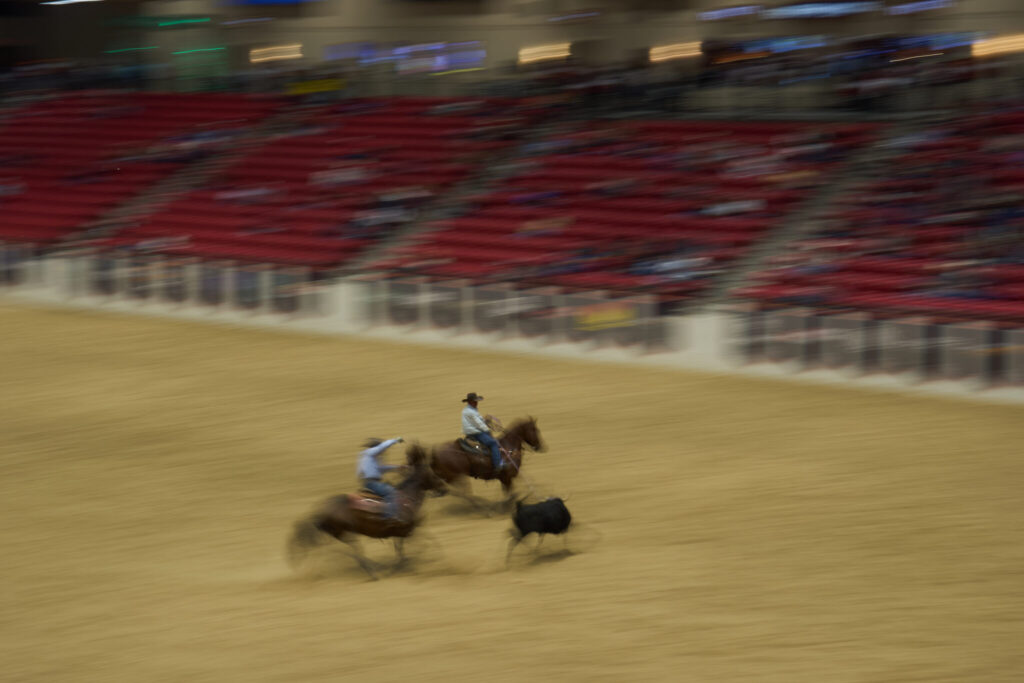
LAS VEGAS — The excitement and thunder of hooves that typically kick off the Wrangler National Finals Rodeo (NFR) gave way to a subdued scene this year, as concerns over a nationwide outbreak of equine herpesvirus (EHV-1) reshaped one of the largest rodeo events in the world.
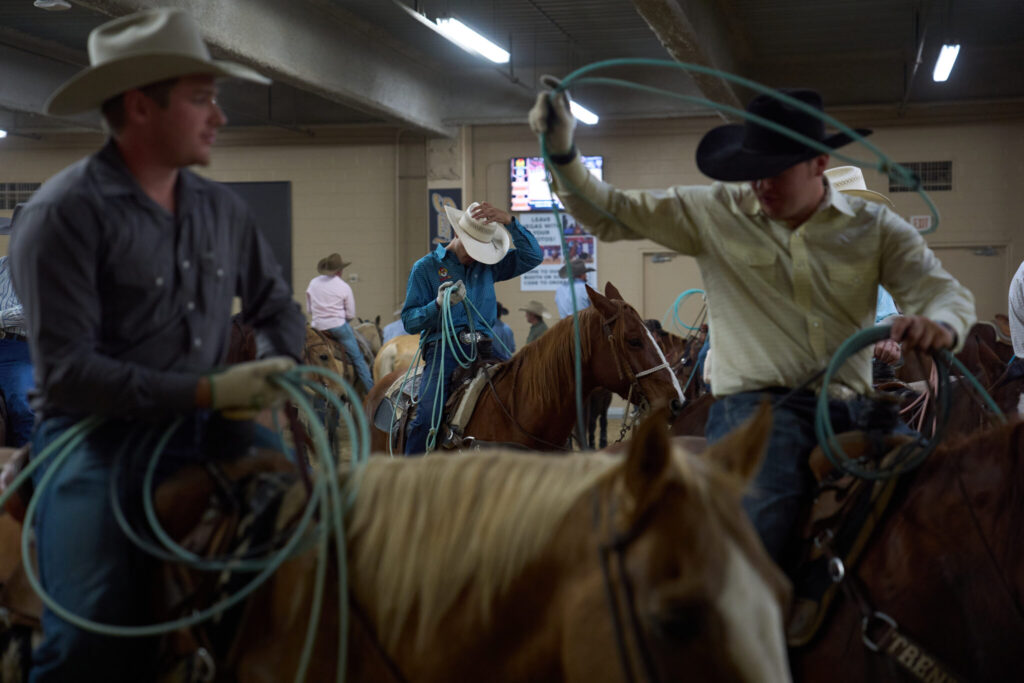
Instead of galloping horses leading the grand entry, riders walked solemnly on foot across the arena floor — a powerful signal that health and safety had taken center stage. The spectacle, usually a celebration of Western pride and tradition, was this time framed by anxiety and caution.
The virus, which has infected at least 60 horses across multiple U.S. states in recent weeks, has not yet been detected in Nevada. But that hasn’t stopped organizers, veterinarians, and riders from enacting emergency biosecurity measures across the city, where thousands of horses and competitors have gathered for the 10-day event.
“It was a tough call, but absolutely the right one,” said Allen Rheinheimer, general manager of NFR production. “We’ve limited access, canceled tours, and tightened every protocol possible to keep horses safe.”
What is EHV-1 and Why It Matters
Equine Herpesvirus-1 (EHV-1) is a highly contagious virus that primarily causes cold-like symptoms in horses, such as nasal discharge and coughing. In more severe cases, it attacks the nervous system, leading to equine herpesvirus myeloencephalopathy (EHM) — a condition that causes loss of coordination, inability to stand, and in some cases, death. According to Nevada’s state veterinarian Dr. Peter Rolfe, the mortality rate for horses contracting the neurological form can reach 30%.
This potential for serious illness, coupled with the virus’s ease of transmission, has made EHV-1 a top concern for events like NFR, where horses from across the country converge.
Travel Woes and Rider Vigilance
Some riders opted not to attend, while others took drastic precautions to ensure safety.
Taylor Lawson, a rider from New Waverly, Texas, drove nearly 22 hours nonstop with her horses, Hollywood and Elvis, to avoid entering virus-affected states and complicating health certification.
“We only stopped for fuel and water. No contact, no risks,” she said. Once in Vegas, she continued her vigilance — keeping her horses away from others and checking their temperatures morning and night.
Her horses are boarded at Fly Again Ranch Horse Hotel, whose owner Kristine Weitz said business is down.
“People are scared. I don’t blame them,” said Weitz. “This virus doesn’t just impact competition — it threatens lives.”
Lockdown at Rodeo Grounds
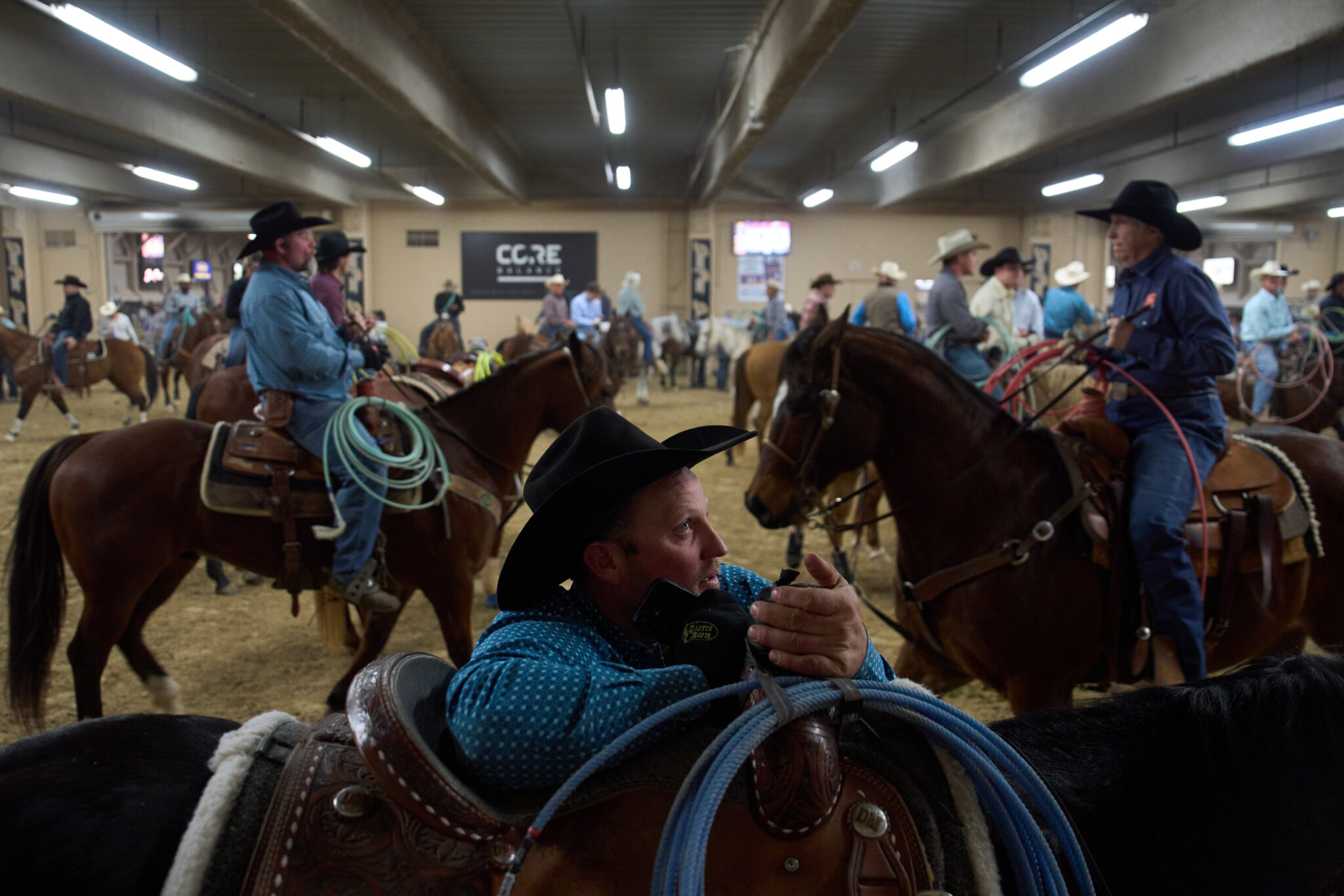
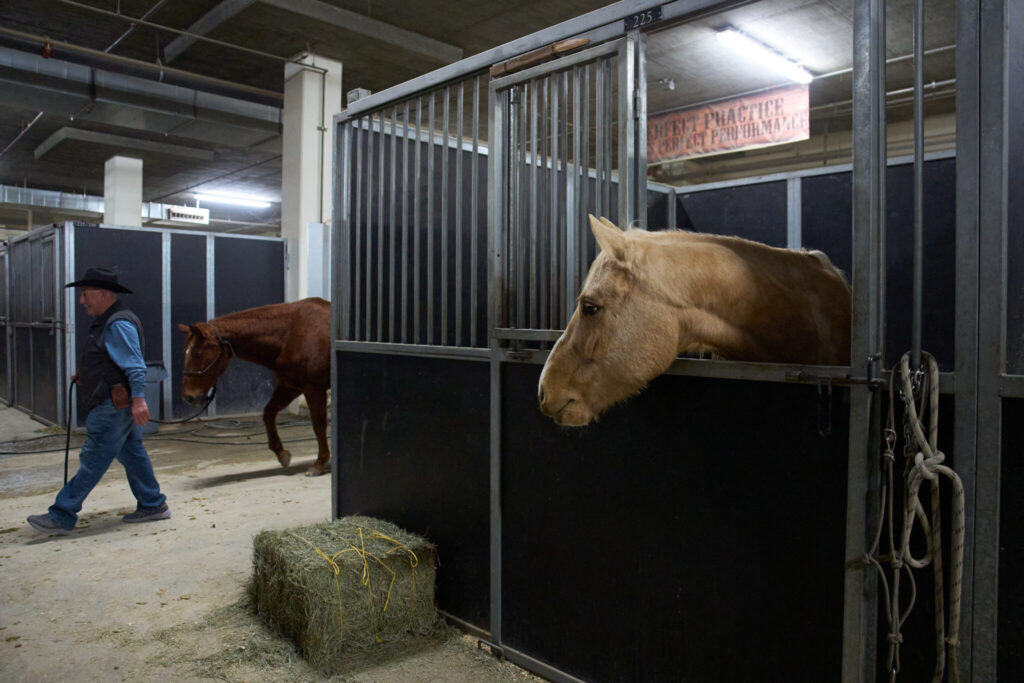
At the official Thomas & Mack Center, where the headline NFR events take place, over 450 horses have been confined to the property for the duration of the rodeo. Riders and support staff are following strict isolation and sanitization protocols, including:
- No stall-to-stall horse contact (barriers installed).
- Limited access to stables; no group tours.
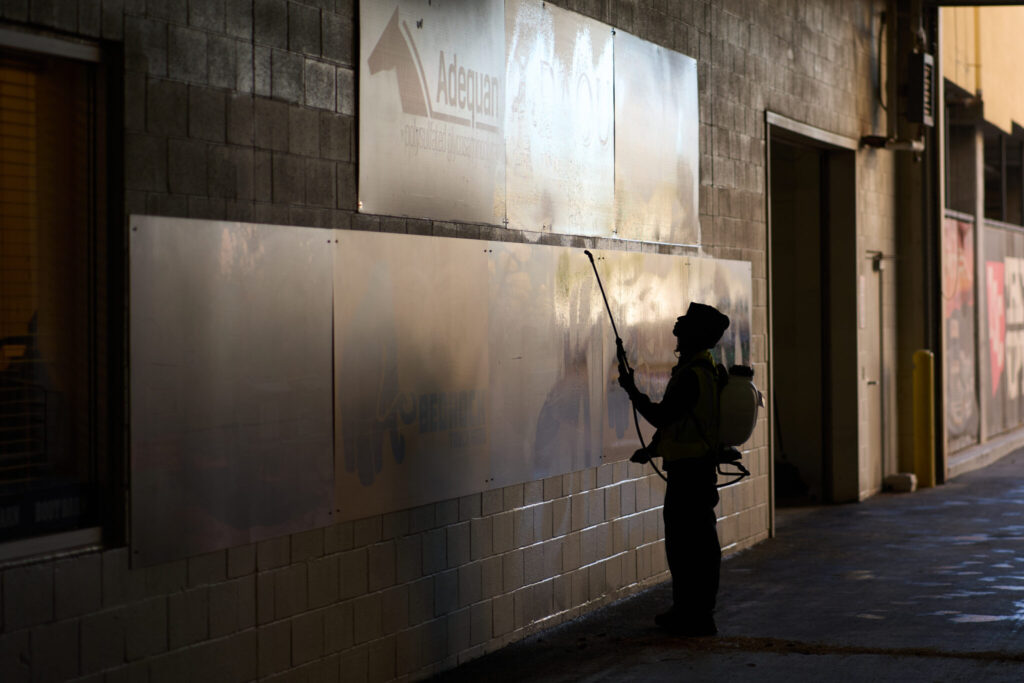
- Sanitizing water hoses and shared surfaces after each use.
- Daily health monitoring for all horses.
Meanwhile, over at the South Point Hotel, Casino & Spa, home to over 3,500 horses and numerous amateur rodeo events, a similar lockdown is in place.
“We left the barns empty for 17 days before horses arrived,” said Steve Stallworth, arena general manager. “That was just the start. We’ve canceled events, spread horses apart, and are ready to quarantine at a moment’s notice.”
Indeed, the horsemanship segment of the Miss Rodeo America Pageant was cut, and the Breakaway Roping Finals have been moved to Fort Worth, Texas to reduce the risk of spread.
Economic Impact and Animal Welfare
While horse hotels and rodeo organizers have seen reduced profits, officials say that’s secondary to protecting animal welfare.
“It doesn’t matter what we lost,” said Stallworth. “If we save just one horse, it’s worth every bit.”
Equine welfare advocates and veterinarians overseeing the events have praised the quick implementation of biosecurity measures, noting that while stress can trigger viral flare-ups, early detection and isolation protocols are helping mitigate the threat.
If a horse does show symptoms, they are immediately placed in quarantine stalls located on the outer edges of properties, where vets perform diagnostic swabs and coordinate with owners on next steps — including return transport and quarantine arrangements at home.
Looking Ahead: The Final Weekend and Beyond
As the NFR heads into its final weekend, riders, spectators, and organizers remain cautiously optimistic.
The virus may not have reached Nevada, but its presence looms — a reminder of the risks involved in equestrian sports and the delicate balance between tradition and safety.
“This is a cowboy town,” said one longtime fan in the stands. “And cowboys know how to look after their horses.”
The hope now is that the rodeo finishes strong, with no new cases — and that the lessons learned in Las Vegas help prevent further outbreaks nationwide.