
Families Struggle With Rising Health Care Costs in 2026/ Newslooks/ WASHINGTON/ J. Mansour/ Morning Edition/ Millions of Americans who rely on Affordable Care Act insurance are preparing for major premium hikes as enhanced COVID-era subsidies expire at the end of 2025. Families across the country face difficult decisions, from downgrading coverage to going uninsured entirely. Congress has yet to agree on an extension, leaving many uncertain and anxious.
Subsidy Expiration Quick Looks
- ACA enhanced subsidies are set to expire Dec. 31, 2025.
- Senate failed to pass bills extending the subsidies.
- House GOP plan does not include a renewal of tax credits.
- Wisconsin couple faces $1,600 monthly premium increase in 2026.
- Michigan family plans to drop insurance due to rising costs.
- Single mom in Nevada will pay more and cut back on spending.
- ACA premium hikes threaten to push families into medical debt.
- Some enrollees face deductibles as high as $15,000 next year.
- Families are delaying care or gambling on going uninsured.
- Congressional inaction leaves millions uncertain heading into 2026.
Deep Look: ACA Enrollees Warn of Rising Costs as Subsidies Expire
NEW YORK, NY — As the year draws to a close, millions of Americans enrolled in Affordable Care Act (ACA) health plans are facing the harsh reality of rising premiums and reduced coverage. The expiration of enhanced federal subsidies—originally expanded during the COVID-19 pandemic—threatens to destabilize household budgets, force families off their plans, and erode years of progress in affordable health care access.
With just weeks remaining before the December 31 cutoff, Congress remains deadlocked on any legislation that would extend the enhanced tax credits. Senate proposals from both parties failed this week, and the House Republicans’ new health care package excludes any subsidy extension. For ACA enrollees, the consequences are already hitting home.
Wisconsin Couple Forced to Downgrade, Pay More for Less
In rural Sawyer County, Wisconsin, retired couple Chad and Kelley Bruns are preparing for a dramatic shift in their health coverage.
Just this year, the couple was paying only $2 a month for a gold-tier ACA plan with a deductible under $4,000—thanks to generous subsidies tied to their modest retirement income. But come 2026, that same plan will cost $1,600 a month, forcing them to switch to a bronze plan with a $15,000 deductible and an out-of-pocket maximum of $21,000—nearly half of their total annual income.
“We have to pray that we don’t need surgery or some emergency care,” said Kelley Bruns. “It would be devastating.”
The Brunses live frugally—cutting firewood for heat, avoiding restaurants, and stretching every dollar—but even their thrift won’t cushion this blow.
Michigan Family Drops Coverage Amid Unaffordable Hikes
In Grand Blanc, Michigan, Dave Roof and his wife Kristin have relied on ACA coverage for their family of four since 2014. The marketplace enabled both to pursue self-employment—Dave in music production and Kristin as a successful Etsy seller.
But in 2026, the cost of their current $500/month plan is jumping to over $700/month, with higher deductibles and more out-of-pocket costs.
With an income of about $75,000 per year, Roof said they simply can’t afford it anymore. Their solution: go without insurance entirely and pay cash for medical needs.
“The fear and anxiety it’s going to put on my wife and me is really hard to measure,” Roof said. “But we can’t pay for what we can’t pay for.”
The family already skips vacations, avoids unnecessary spending, and doesn’t contribute to retirement savings. Now they face a major risk with no safety net if a serious health issue arises.
Nevada Mom Sacrifices Holidays to Keep Her Coverage
Katelin Provost, a 37-year-old single mother in Henderson, Nevada, is also facing impossible choices. A social worker with a four-year-old daughter, she’s always carefully budgeted to balance child care, rent, and groceries.
In 2025, her ACA plan cost just $85 a month. In January 2026, her premium will jump to nearly $750.
Provost has decided to pay the new premium for January in hopes Congress extends the subsidies. But after that, if lawmakers don’t act, she’ll drop coverage for herself and only keep her daughter insured.
“Christmas will be much smaller,” she said. “I’m going to have to reprioritize everything just to make it through.”
National Impact, Local Consequences
The enhanced ACA subsidies were originally introduced during the COVID-19 pandemic and later extended by Congress to help keep premiums manageable. These subsidies drastically reduced out-of-pocket expenses for millions of Americans, especially lower- and middle-income families.
But unless Congress acts, the rollback means:
- Monthly premiums could double or triple for many.
- Deductibles will skyrocket, making plans effectively unusable for some.
- Individuals may go uninsured or delay needed care.
- Out-of-pocket maximums could push families into debt.
Political Stalemate Leaves Millions in Limbo
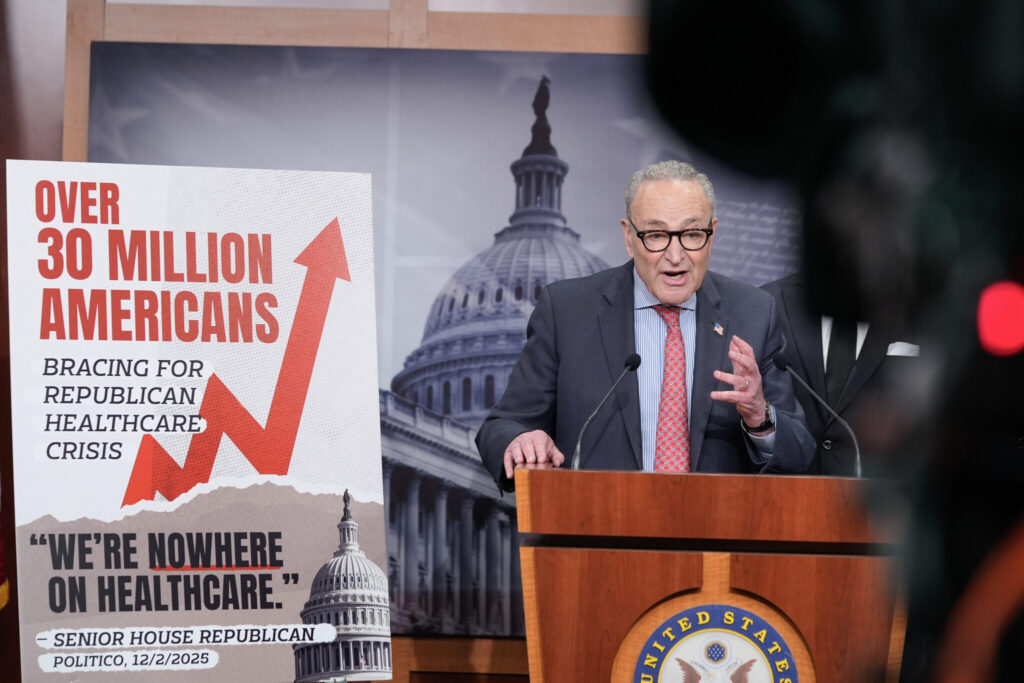
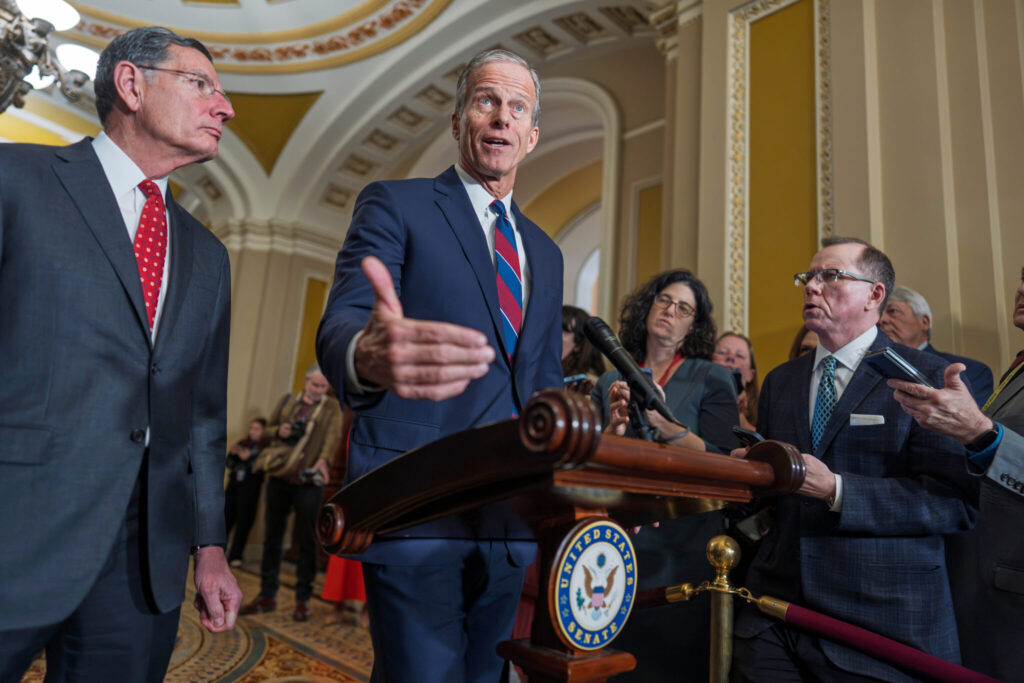
Congress’s failure to act has frustrated policyholders and advocacy groups. This week, the Senate rejected both Democratic and Republican proposals, and the House GOP’s latest health care bill ignores the subsidy extension entirely.
Though some discharge petitions are being circulated in the House to force votes on temporary extensions, no solution has yet gained traction. With each passing day, enrollees are forced to make tough decisions about their coverage, finances, and well-being.
As of now, millions of ACA users will see new, higher rates when their plans renew in January 2026, and for many like the Brunses, Roofs, and Provosts, the consequences are already real.