

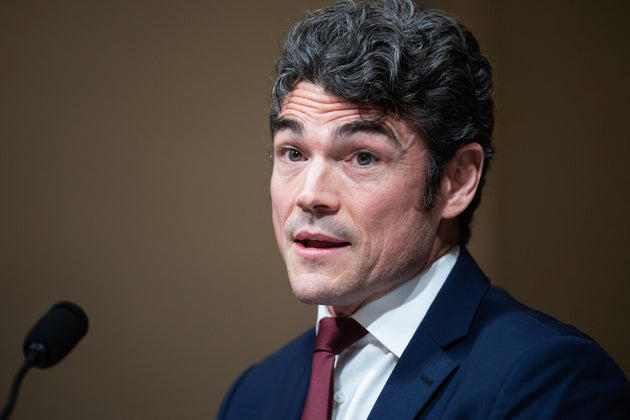
FBI Probes Joe Kent Over Classified Leak Claims/ Newslooks/ WASHINGTON/ J. Mansour/ Morning Edition/ The FBI is investigating whether former counterterrorism chief Joe Kent improperly shared classified information. The inquiry began before Kent resigned as director of the National Counterterrorism Center over his opposition to the Iran war. The case adds to mounting political controversy around Kent’s departure and the administration’s handling of the conflict.
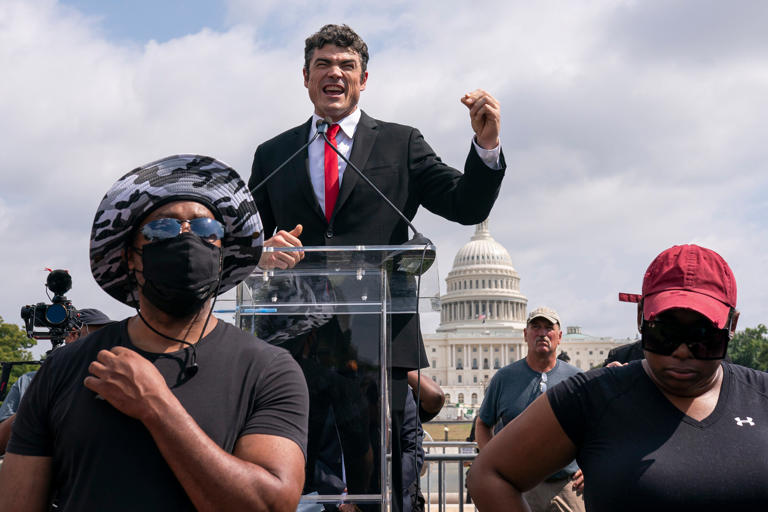
Joe Kent FBI investigation Quick Looks
- The FBI is examining whether Joe Kent improperly disclosed classified information.
- Kent had served as director of the U.S. National Counterterrorism Center.
- The investigation reportedly started before his resignation this week.
- Kent resigned after publicly opposing the administration’s war in Iran.
- He said Iran posed no imminent threat to the United States.
- President Donald Trump later criticized Kent as weak on security.
- The probe was first reported by Semafor.
- No public details have yet explained exactly what material investigators are reviewing.
Deep Look: FBI Probes Joe Kent Over Classified Leak Claims
A federal investigation into former U.S. counterterrorism chief Joe Kent has added a new layer of controversy to an already politically charged resignation tied to the Trump administration’s war in Iran.
The reported inquiry began before Kent stepped down on Tuesday, a detail that matters because it separates the leak investigation from the public fallout that followed his resignation. Kent had announced he was leaving the administration because he could not support the rationale for military action against Iran. In public remarks, he argued that Iran did not pose an imminent threat to the United States and said he could not back the war in good conscience.
That made his departure especially notable. Kent was not an outside critic or a lower-level dissenter. He had been leading the National Counterterrorism Center, a position central to intelligence coordination and national security planning. His resignation became one of the highest-profile internal breaks over the Iran conflict, drawing attention not only because of his role, but because it exposed disagreement from inside the administration’s national security ranks.
Now the FBI probe is intensifying scrutiny over whether Kent’s conduct involved unauthorized disclosures of classified material. So far, no public filing or official statement has spelled out what specific information investigators believe may have been shared or with whom it may have been disclosed. Major questions remain unanswered about the scope of the case, possible evidence, and whether prosecutors are considering charges.
The timing also places the investigation inside a broader political fight. The Justice Department has pursued multiple investigations over the past year involving figures seen as political opponents of President Donald Trump, including former FBI Director James Comey and New York Attorney General Letitia James. At the same time, prosecutors in some of those matters have reportedly struggled to secure indictments or sustain cases in court. In that context, Kent’s supporters are likely to frame the inquiry as politically loaded, while critics will argue that any possible mishandling of classified information by a senior intelligence official must be examined regardless of politics.
Kent’s own public comments have kept the story in the headlines. In announcing his resignation, he said the United States had entered the war with Iran without a valid imminent-threat basis. He also said he and other officials were not allowed to fully share their concerns about the Iran war with Trump, deepening the sense of internal division. Those remarks widened the political and media response, with some praising him as a dissenter and others attacking both his judgment and rhetoric.
Trump quickly distanced himself from Kent after the resignation became public. The president told reporters he had long viewed Kent as weak on security and said people who did not believe Iran was a threat were not wanted in his administration. Other senior officials also moved away from Kent’s assessment, underscoring the administration’s effort to close ranks around its national security message.
The result is a story unfolding on two tracks at once. One is the factual question of whether Kent leaked classified information and whether investigators can support that allegation with evidence strong enough for criminal charges. The other is the political meaning of his exit: a once-senior counterterrorism official breaking publicly with the administration over a war, then becoming the subject of an FBI investigation almost immediately afterward. Those two tracks are now inseparable in the public debate, even if investigators insist the timeline shows the case predates the resignation.
At this stage, the key fact is uncertainty. The FBI investigation was reportedly underway before Kent left his job. But beyond that, the public record remains thin. There are no disclosed charges, no public court documents, and no detailed explanation of what investigators believe happened. Until more emerges, the case will likely remain a flashpoint in the larger argument over secrecy, dissent, and accountability inside a wartime administration.



You must Register or Login to post a comment.