

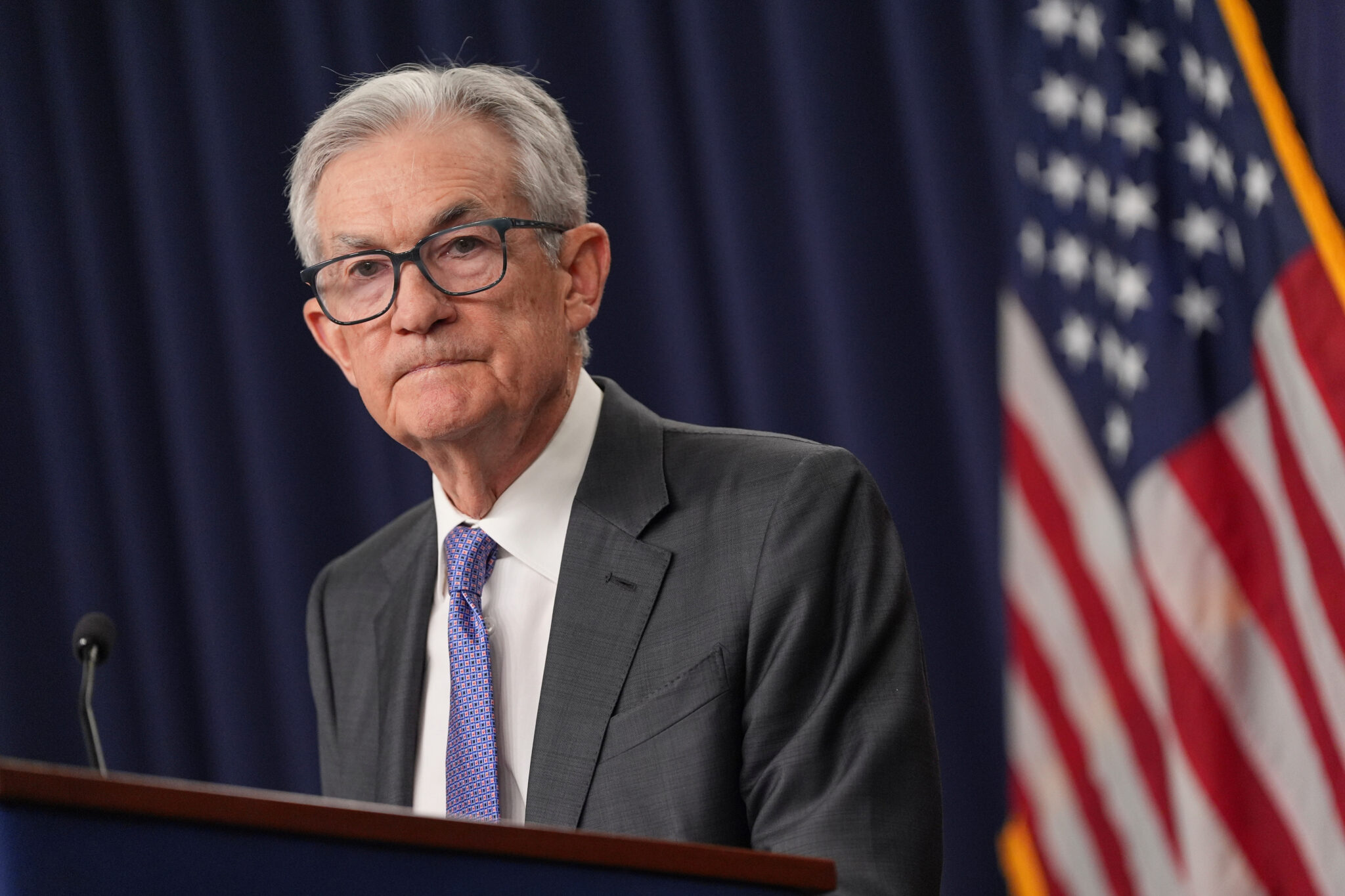
Federal Reserve Holds Rates Steady Amid Inflation Concerns/ Newslooks/ WASHINGTON/ J. Mansour/ Morning Edition/ The Federal Reserve held interest rates steady at 3.50%–3.75%, citing ongoing inflation and signs of job market stabilization. Despite political pressure from President Trump to lower rates, the central bank remained cautious. Two Fed governors dissented, favoring another rate cut.
Fed Interest Rate Decision Quick Looks
- Fed holds interest rates at 3.50%–3.75%, pausing 2025’s rate-cut trend
- Economic growth labeled “solid”; inflation still above 2% target
- Labor market described as stabilizing despite prior slowdown
- Two governors, Miran and Waller, dissented in favor of a cut
- Trump continues to demand aggressive rate reductions
- Powell’s leadership under pressure ahead of May term expiration
- DOJ subpoenas Powell over building renovation testimony
- Supreme Court hears Trump’s attempt to fire Fed Governor Lisa Cook
- Economists see Fed resisting political pressure, favoring data-driven policy
- Markets expect no changes until at least June 2026
Deep Look: Fed Keeps Rates Unchanged, Balancing Inflation and Employment Pressures
WASHINGTON — The Federal Reserve on Wednesday opted to keep interest rates unchanged, holding the benchmark federal funds rate steady in the 3.50% to 3.75% range. The decision reflects cautious optimism about U.S. economic growth and labor market stability, even as inflation remains above the central bank’s 2% target.
Fed officials voted 10–2 in favor of maintaining current rates, following three consecutive cuts in 2025. Governors Christopher Waller and Stephen Miran dissented, preferring an additional quarter-point rate reduction. Miran, a Trump appointee, and Waller, who is considered a top candidate to replace Fed Chair Jerome Powell in May, both cited concerns over credit conditions and job growth.
In its post-meeting statement, the Fed described economic activity as expanding at a “solid pace” and noted signs that the labor market was stabilizing. However, inflation remains “somewhat elevated,” and the Fed gave no indication of when further rate cuts might occur.
Political Pressure Mounts Ahead of Leadership Change
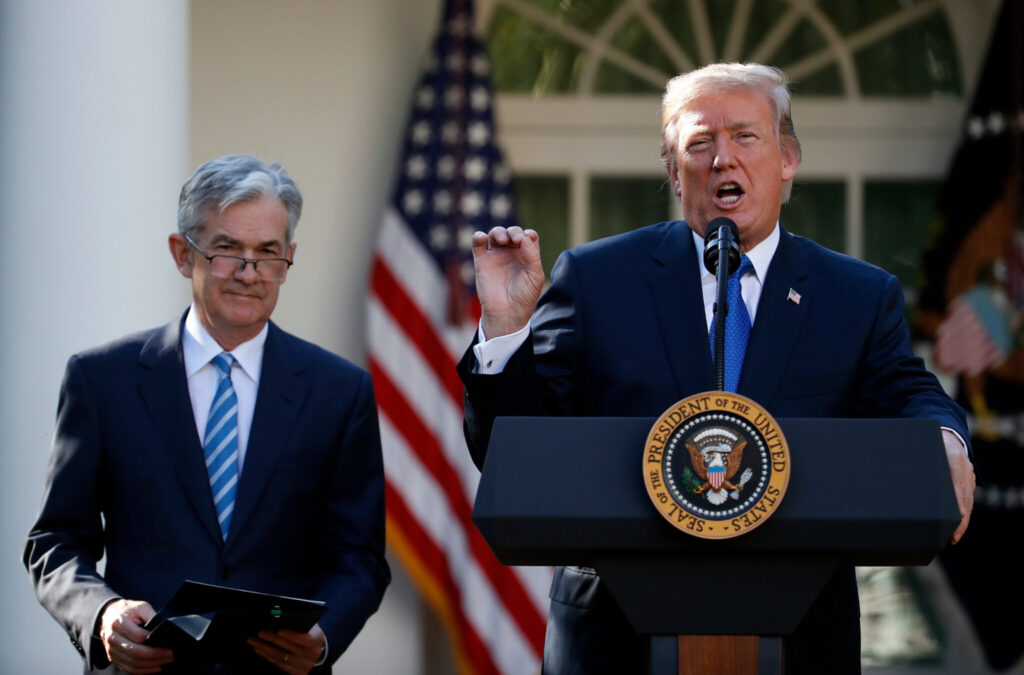
The Fed’s decision comes amid intense political pressure from President Donald Trump, who has repeatedly called for deeper rate cuts to spur economic growth. Trump’s criticism of Powell has intensified, with accusations that the Fed is stifling job creation by holding rates too high.
Earlier this month, Powell revealed the Justice Department had subpoenaed him in a criminal investigation regarding testimony he gave to Congress about a $2.5 billion Fed building renovation. He dismissed the subpoenas as retaliation for his refusal to lower rates more aggressively.
Meanwhile, Trump has floated the possibility of replacing Powell before his term ends in May. Economists expect an announcement on Powell’s successor soon, possibly within weeks. Senate Republicans, however, have expressed support for Powell and may resist efforts to politicize the central bank’s leadership.
Adding to the turmoil, the U.S. Supreme Court recently heard arguments in a case challenging Trump’s attempt to remove Fed Governor Lisa Cook over allegations of mortgage fraud, which she denies. No president has successfully removed a Fed governor in the institution’s 112-year history.
Divisions Within the Fed
Internal divisions continue to shape the Fed’s approach to monetary policy. The split among members reflects broader uncertainty about how inflation and employment trends will evolve. Some policymakers fear that easing rates prematurely could allow inflation to persist, while others warn that tight credit conditions risk harming job growth.
Last December, the committee was also divided, with some members advocating a deeper cut and others opposing any rate move. That tension has carried into 2026, with Fed officials still struggling to balance inflation control with support for a recovering labor market.
The central bank’s preferred inflation gauge showed a 2.8% annual increase as of November, still above its 2% goal. Although hiring remains tepid, unemployment edged down to 4.4% in December, suggesting that job losses have slowed under the Trump administration’s immigration-tightening policies.
Cautious Outlook for 2026
Chair Powell is expected to remain tight-lipped until his term ends, offering minimal public commentary. Analysts say this low-profile approach reflects a deliberate strategy to shield the Fed from further political attacks.
“This has been the quietest Powell has been throughout his entire term,” noted one former Fed economist, pointing to Powell’s absence from key economic discussions since late 2025. “He’s allowing other officials to speak publicly while he prepares for an uncertain transition.”
The rate-setting Federal Open Market Committee consists of 12 voting members, including the seven Fed governors, the New York Fed president, and a rotating group of four regional bank presidents. In 2026, the voting lineup includes Cleveland’s Beth Hammack, Minneapolis’ Neel Kashkari, Dallas’ Lorie Logan, and Philadelphia’s Anna Paulson.
Paulson recently signaled openness to rate cuts later in the year, citing a moderation in inflation, stable employment, and projected 2% growth. She emphasized that “modest further adjustments” could be warranted if those trends continue.
Economists expect that larger-than-usual tax refunds could help boost consumer spending this spring, possibly driving up hiring. Yet public sentiment remains sour, with consumer confidence in January hitting its lowest point since 2015, according to the Conference Board.
With the Fed standing firm, attention now turns to the June 16–17 meeting — the first likely to be overseen by Powell’s successor. Until then, the central bank is expected to maintain its current policy stance, carefully weighing inflation data and political risks.





You must Register or Login to post a comment.