FIFA Cuts World Cup Ticket Prices to $60 After Global Criticism/ Newslooks/ WASHINGTON/ J. Mansour/ Morning Edition/ FIFA has reduced World Cup ticket prices after global fan outrage, with some final match seats now priced at $60 instead of $4,185. The organization introduced a new “Supporter Entry Tier” to offer affordable access for loyal fans. Critics say the move is overdue and fails to address broader pricing concerns.
FIFA World Cup Ticket Pricing Quick Looks
- FIFA introduces $60 tickets for loyal fans after global backlash.
- Price cut includes final match tickets that were $4,185.
- Supporter Entry Tier seats to be distributed via national federations.
- Only 400–750 discounted seats per match per team expected.
- 2026 World Cup will be the largest ever, with 48 teams.
- Tournament to be held across U.S., Canada, and Mexico.
- FIFA expected to earn $10 billion from the event.
- Fans slam “dynamic pricing” and resale fees on FIFA’s platform.
- Critics say FIFA abandoned $21 ticket promise from 2018 bid.
- FSE urges better accessibility and pricing for disabled supporters.
Deep Look
FIFA Slashes World Cup Ticket Prices to $60 Following Fan Outrage
In a rare reversal, FIFA announced Tuesday it will significantly reduce ticket prices for the 2026 World Cup following widespread backlash from global fans. The soccer body confirmed the introduction of a new “Supporter Entry Tier,” which will offer some fans tickets priced as low as $60—including for the final, where tickets were originally listed as high as $4,185.
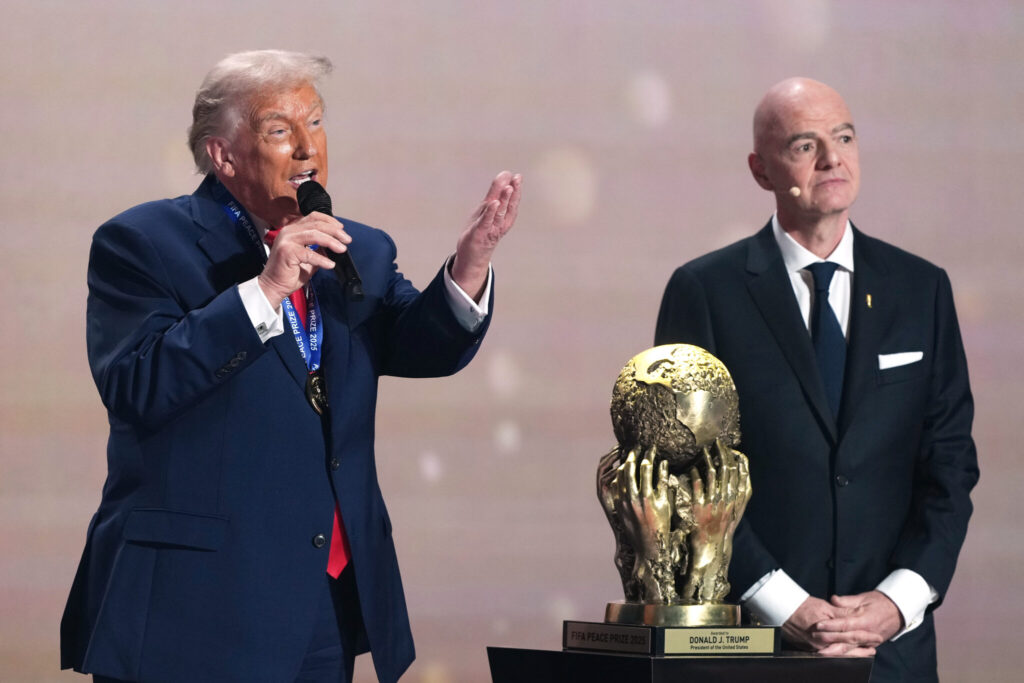
The policy shift marks a dramatic U-turn for FIFA and its president, Gianni Infantino, who have faced increasing criticism for pricing strategies perceived as elitist and exclusionary, especially as the organization draws closer to the political orbit of U.S. President Donald Trump.
Under the new plan, each participating team will receive a limited allocation of discounted tickets—likely between 400 and 750 per game—distributed to fans who have proven their loyalty by attending home and away matches. The tickets will be available for all matches in the expanded 48-team tournament, which will take place across 16 cities in the United States, Canada, and Mexico.
FIFA did not fully explain the reasons behind its pricing overhaul but stated that the lower-tier tickets are “designed to further support traveling fans following their national teams across the tournament.”
Fan Groups Call Move a “Tactical Retreat”
However, many fans and supporter groups remain skeptical. Football Supporters Europe (FSE), a leading grassroots organization, dismissed the move as a calculated response to growing outrage rather than a genuine attempt at inclusivity.
“This shows that FIFA’s ticketing policy is not set in stone, was decided in a rush, and without proper consultation,” FSE said in a statement.
“It’s an appeasement tactic due to the global negative backlash.”
The controversy began last week when FIFA’s ticketing plan revealed that participating teams would receive no tickets in the cheapest price category. With only 8% of stadium seats allocated per team, fans expressed outrage over having to pay upwards of $140 for group stage games—even more for matches featuring top-tier teams like Argentina, Brazil, or England.
This contradicted a key promise made during the 2018 World Cup bid, where organizers pledged to offer hundreds of thousands of $21 tickets to make the tournament accessible to everyday fans.
Soaring Revenues, Soaring Prices
Despite the backlash, FIFA reports that over 20 million ticket requests have already been received for the upcoming tournament. The 2026 edition is expected to generate more than $10 billion in revenue, thanks in part to the in-house hospitality program, which is projected to generate billions—far more than the hundreds of millions earned in previous tournaments.
Ticket pricing isn’t the only concern. FSE and other advocates have also criticized FIFA’s embrace of “dynamic pricing,” common in American sports but unfamiliar—and unwelcome—in global football circles. Added to that are transaction fees on FIFA’s official resale platform and non-refundable multi-match passes, which require upfront payment for all of a team’s potential games, including the final.
On Tuesday, FIFA made a second concession, announcing it would waive administrative fees for ticket refunds processed after the July 19 final.
Accessibility Concerns for Disabled Fans
Beyond pricing, FIFA is also facing criticism for its handling of tickets for disabled fans. FSE noted that accessible seating is currently being listed on FIFA’s resale platform at inflated prices, with no guarantees that those tickets will be used by disabled fans.
At the last World Cup in Qatar, fans with disabilities were entitled to free companion tickets—a policy that has now been quietly dropped.
“True inclusion requires action,” FSE said, referencing Infantino’s controversial 2022 statement, “Today I feel disabled,” which was widely criticized as tone-deaf.
“It’s time for FIFA to move away from populistic statements and respect its own commitments.”
Looking Ahead to 2026
The 2026 World Cup will be the largest in history, with 48 national teams competing in venues across 16 North American cities—including 11 NFL stadiums in the United States. With the promise of massive television revenues, international sponsorships, and expanded commercial reach, the tournament is a financial juggernaut for FIFA.
Yet the backlash over ticket pricing has reminded FIFA that global fans demand more than just spectacle—they want access, fairness, and respect. Whether the latest policy changes will satisfy those demands remains to be seen.