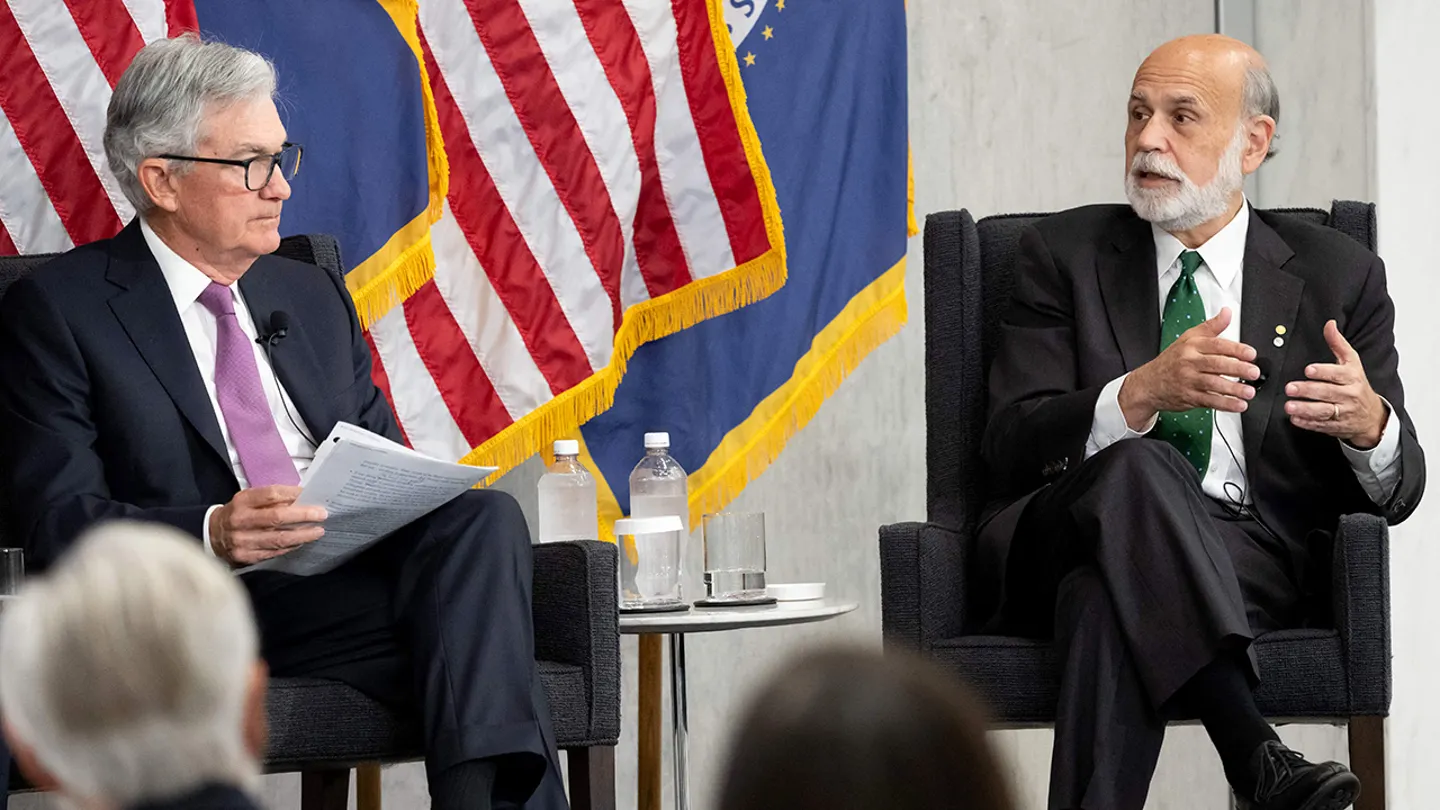
Former Fed Officials Defend Powell Amid DOJ Probe/ Newslooks/ WASHINGTON/ J. Mansour/ Morning Edition/ Former Federal Reserve chairs and Treasury secretaries issued a rare joint statement defending Jerome Powell amid a DOJ criminal probe launched by the Trump administration. Powell denies any wrongdoing, calling the investigation political pressure over interest rates. The controversy has triggered bipartisan concern over central bank independence.
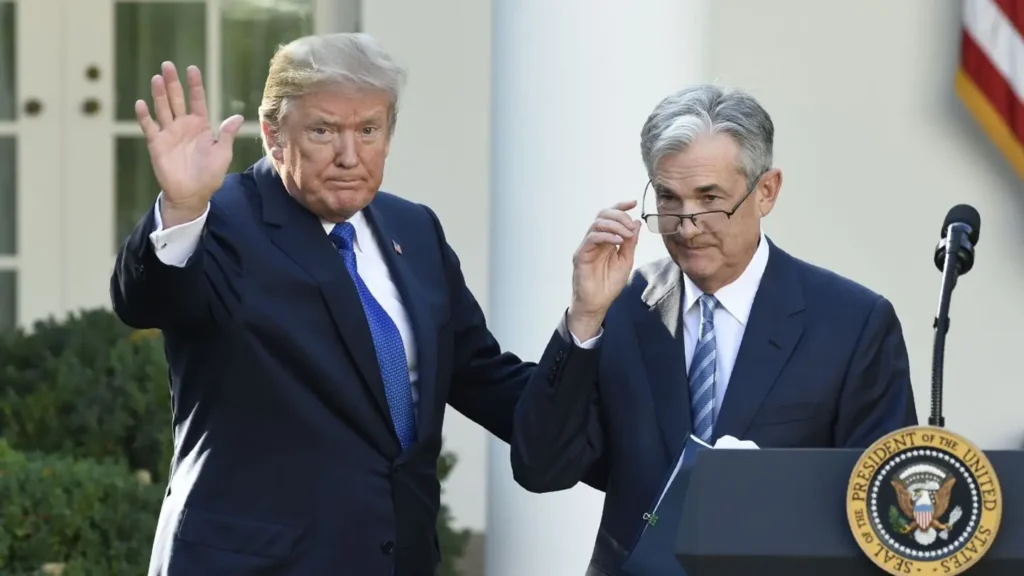
Economic Leaders Rally Behind Powell: Quick Looks
- Former Fed chairs and Treasury secretaries defend Jerome Powell
- DOJ is investigating Powell over the Fed’s $2.5 billion renovation
- Powell says the probe is a political “pretext” for pressuring rate cuts
- Statement warns of risk to Fed independence and U.S. economic credibility
- Trump has called Powell “fool,” “clown,” and threatened a lawsuit
- Powell appointed by Obama, made Fed chair by Trump, reappointed by Biden
- Trump denies probe is politically motivated, blames “public pressure”
- Powell insists Fed policy must be driven by data, not politics
- FHFA Director Pulte also calls for Powell’s resignation, faces legal backlash
- Project costs rose due to inflation, materials, and hazardous material removal
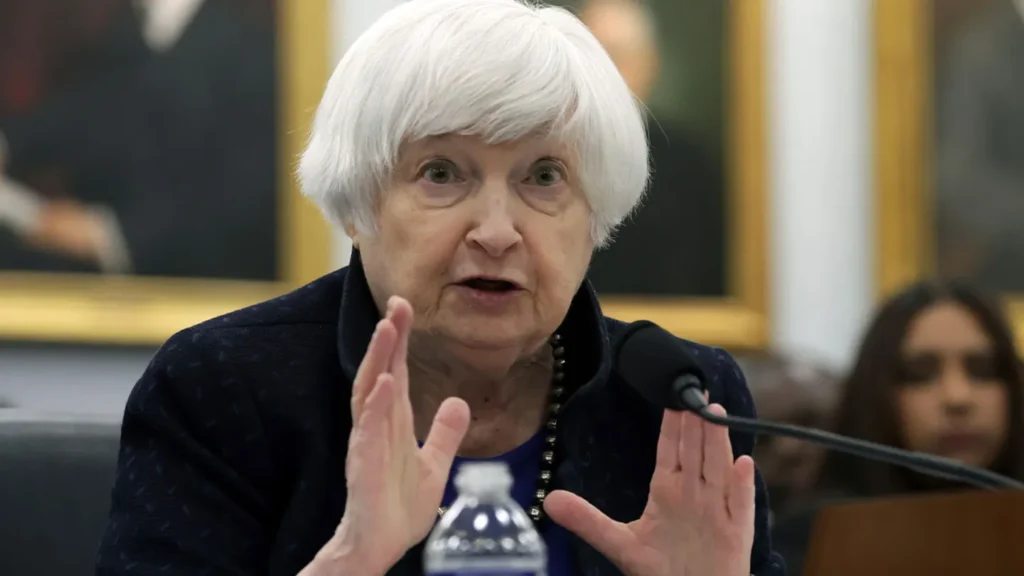
Former Fed Officials Defend Powell Amid DOJ Probe
Deep Look
A powerful coalition of former economic leaders is defending Federal Reserve Chair Jerome Powell as the Trump administration’s Department of Justice moves forward with a criminal investigation tied to a costly renovation project at the Fed’s Washington headquarters.
Former Fed Chairs Ben Bernanke, Alan Greenspan, and Janet Yellen joined former Treasury Secretaries Timothy Geithner and Henry Paulson, along with several ex-chairs of the Council of Economic Advisers, to release a joint statement condemning the DOJ’s actions. The signatories served under both Republican and Democratic administrations, underscoring the nonpartisan nature of their warning.
“The Federal Reserve’s independence and the public’s perception of that independence are critical for economic performance,” the group stated. “The reported criminal inquiry into Federal Reserve Chair Jay Powell is an unprecedented attempt to use prosecutorial attacks to undermine that independence.”
They further cautioned that politicizing central banking resembled the practices of unstable regimes. “This is how monetary policy is made in emerging markets with weak institutions, with highly negative consequences… It has no place in the United States,” they wrote.
The controversy began when Powell revealed that the DOJ had issued subpoenas as part of an investigation tied to his June 2025 testimony before the Senate Banking Committee. The testimony concerned the rising cost of renovations to the Fed’s main building, which grew from $1.9 billion in 2019 to $2.5 billion in 2025.
In a public video statement, Powell said he respects the rule of law and understands the importance of accountability, but characterized the criminal threat as a political maneuver.
“This new threat is not about my testimony last June or about the renovation of the Federal Reserve buildings,” Powell said. “These are pretexts. The threat of criminal charges is a consequence of the Federal Reserve setting interest rates based on our best assessment of what will serve the public.”
Powell emphasized that the DOJ’s move represents an attempt to substitute political will for economic reasoning in monetary policy.
“This is about whether the Fed will be able to continue to set interest rates based on evidence and economic conditions—or whether instead monetary policy will be directed by political pressure or intimidation.”
President Donald Trump, who nominated Powell as Fed chair in 2017, has repeatedly criticized him throughout his first and second terms. Trump has labeled Powell a “fool,” a “clown,” and a “stupid person,” and in late 2025 floated a lawsuit accusing Powell of “gross incompetence” over the cost of the renovations.
Speaking to NBC News, Trump denied the DOJ probe was designed to pressure Powell to lower interest rates.
“No. I wouldn’t even think of doing it that way. What should pressure him is the fact that rates are far too high. That’s the only pressure he’s got,” Trump said, claiming Powell had “hurt a lot of people.”
Despite repeated attacks, Powell has continued to insist that rate decisions are made based on data, not political rhetoric.
The president also visited the Fed headquarters in August 2025 for a tour of the renovation project and challenged Powell publicly, claiming the project had ballooned to $4 billion. Powell clarified that Trump’s cited figure included previously completed renovations to the McChesney Martin building that had reopened in 2021. According to the Fed, cost increases were driven by inflation, surging prices for materials like wood and steel, and necessary asbestos and lead remediation.
As Powell navigates the political firestorm, pressure is also mounting from within the administration. Federal Housing Finance Agency (FHFA) Director Bill Pulte, a Trump ally, submitted a criminal referral against Fed Governor Lisa Cook over alleged mortgage fraud. Cook denies any wrongdoing, filed a lawsuit to block her removal, and received support from a federal judge, who ruled that her due process rights were likely violated.
Pulte has also personally called for Powell’s resignation, publicly claiming in July 2025 that Powell was considering stepping down. Powell quickly dismissed the claim, reaffirming that he will serve until his term as chair expires in May.
Though the president cannot remove the Fed chair without cause, Trump has stated he may wait until Powell’s term ends to name a replacement. Powell will remain a Fed governor even after his chairmanship ends unless he resigns or is removed through legal means.
The clash between Powell and the White House is raising urgent concerns about the future of central bank independence in the U.S., with experts warning that undermining the Fed’s autonomy could weaken global confidence in the nation’s financial stability.
As Powell continues to steer U.S. monetary policy during uncertain economic conditions, his supporters across party lines argue that politicizing the Fed is a dangerous precedent that risks economic credibility, investor confidence, and the broader principle of lawful governance.