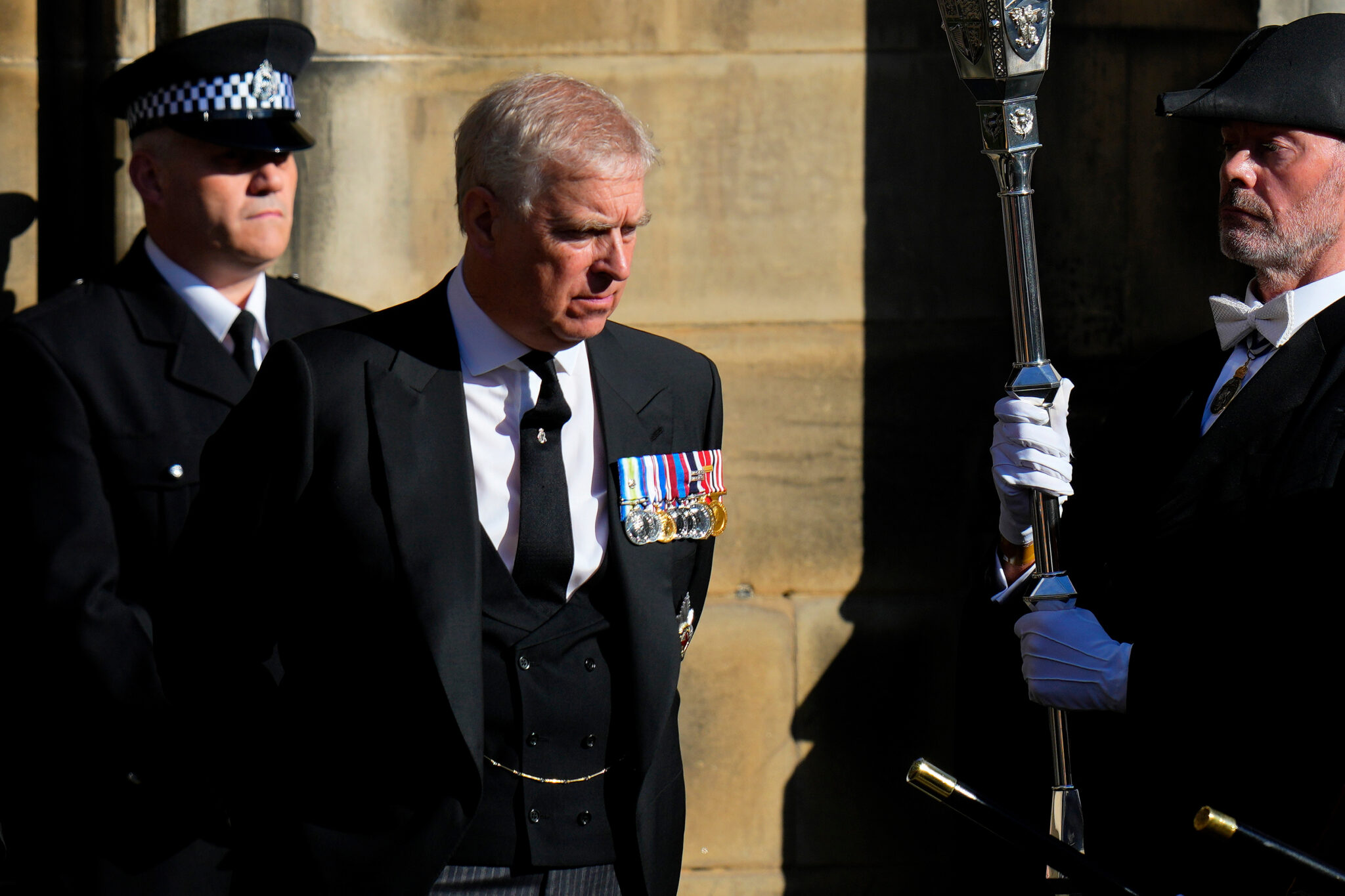
Former Prince Andrew Arrested over Epstein Ties, King Says ‘Law Must Take its Course’/ Newslooks/ WASHINGTON/ J, Mansour/ Morning Edition/ Prince Andrew, once a senior British royal and trade envoy, has been arrested amid an investigation tied to Jeffrey Epstein. The 66-year-old is accused of misconduct in public office but has not been charged. His dramatic fall from royal favor follows years of controversy, lawsuits, and stripped titles. King Charles said earlier that he learned of his younger brother’s arrest with “deep concern” and stressed that “the law must take its course.” The Prince and Princess of Wales support the statement made by King Charles III about the arrested of Andrew Mountbatten-Windsor.

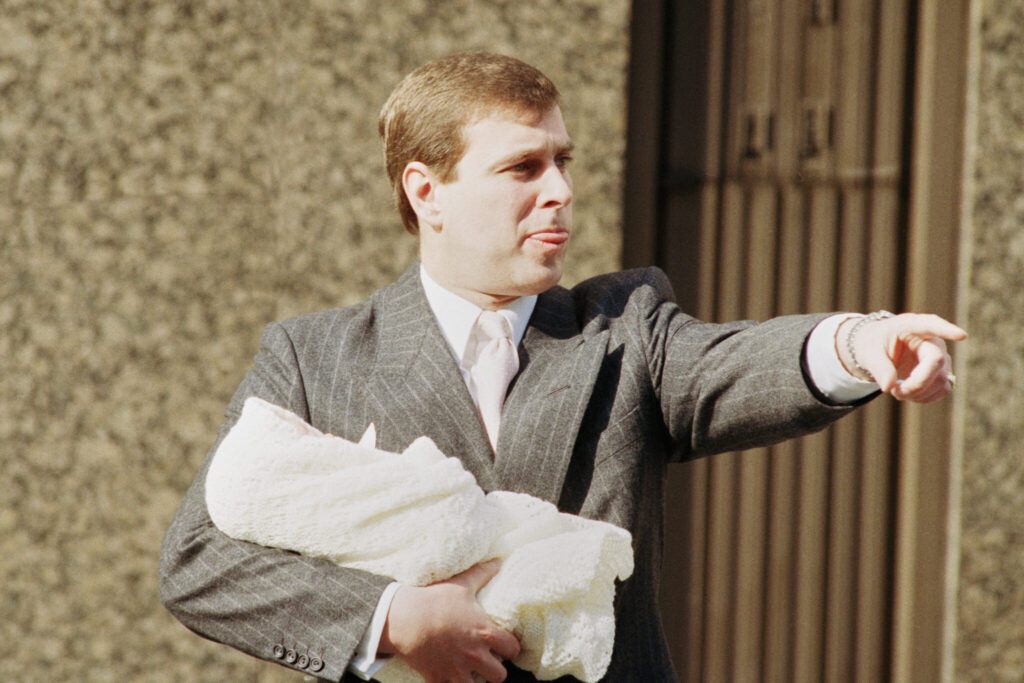
Andrew Mountbatten-Windsor Arrest Over Epstein Ties Quick Looks
- Arrested by Thames Valley Police in Norfolk
- Suspected misconduct in public office
- Investigation linked to Jeffrey Epstein documents
- Allegedly shared confidential trade reports in 2010
- First brother of a reigning monarch detained in modern history
- King Charles III pledges cooperation with police
- No formal charges announced yet
- Remains in custody pending investigation
- Arrested on his 66th birthday in London
- First senior British royal detained in modern history
- Investigation linked to Jeffrey Epstein documents
- Former Royal Navy helicopter pilot in Falklands War
- Stepped down as trade envoy in 2011
- Settled U.S. civil lawsuit in 2022
- Stripped of princely title and royal duties by King Charles III
- Remains eighth in line to the throne
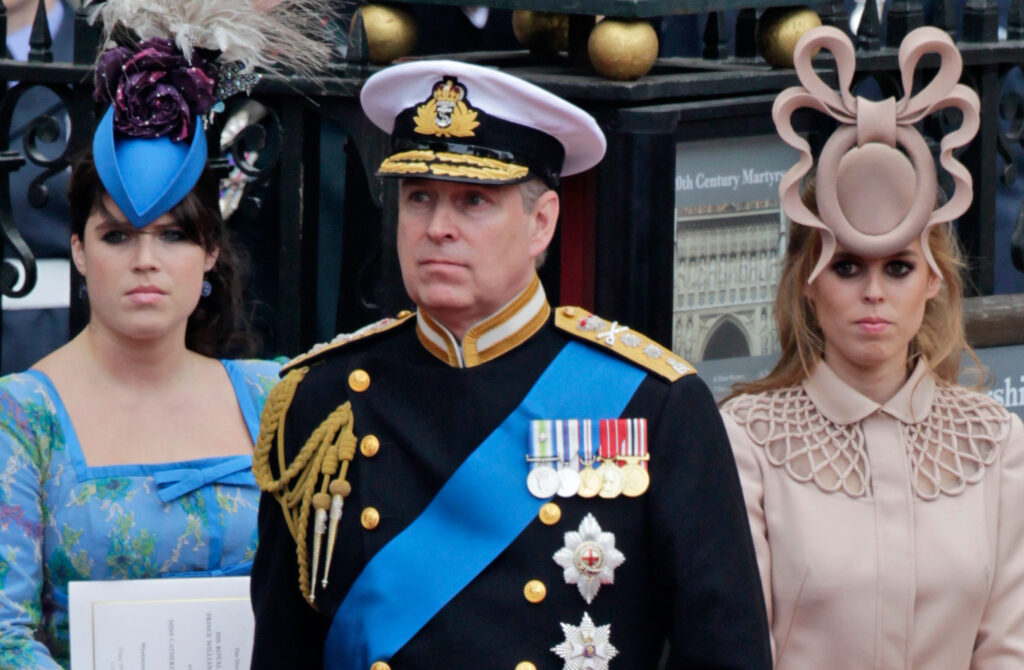
Deep Look: Former Prince Andrew Arrested over Epstein Ties, King Says ‘Law Must Take its Course’
The arrest of Prince Andrew, formally known as Andrew Mountbatten-Windsor, marks a historic and deeply troubling chapter for Britain’s royal family. Detained Thursday on suspicion of misconduct in public office, Andrew’s arrest is tied to renewed scrutiny over his longstanding association with disgraced financier Jeffrey Epstein.
The 66-year-old former royal has consistently denied any wrongdoing connected to his relationship with Epstein. Nevertheless, concerns about their friendship have shadowed the monarchy for more than a decade. His arrest represents an extraordinary moment: the brother of a reigning monarch taken into custody — an unprecedented development in modern British royal history.
Police Investigation Intensifies
Thames Valley Police confirmed that a man in his 60s from Norfolk was arrested and remains in custody. While authorities did not publicly name Andrew in accordance with British policing standards, officials referred to prior statements about assessing allegations tied to him when asked for clarification.
The investigation centers on whether Andrew sent confidential trade documents to Epstein in 2010, during his tenure as Britain’s special representative for international trade and investment. The allegations stem from correspondence found within millions of pages of documents released by the U.S. Justice Department as part of its broader Epstein investigation.
Assistant Chief Constable Oliver Wright said authorities had conducted a thorough assessment before opening a formal investigation into alleged misconduct in public office. Police also executed searches at two properties, including Wood Farm on the Sandringham Estate in Norfolk, where Andrew recently relocated after being asked to leave his longtime residence near Windsor Castle.
Images circulating online appeared to show unmarked police vehicles and plainclothes officers outside the property, underscoring the gravity of the moment.
Policing analysts note that suspects in the U.K. are typically held for 12 to 24 hours before being charged or released pending further investigation. The legal maximum detention period without charge is 96 hours, subject to judicial approval. It remains unclear how long Andrew will be held.
According to former policing commentator Danny Shaw, the former prince will be placed in a standard custody cell, with no special accommodations. “There’ll be no special treatment,” Shaw told the BBC.
Royal Fallout and King Charles’ Response
The arrest intensifies pressure on the monarchy and particularly on King Charles III, who ascended the throne following the death of Queen Elizabeth II. Andrew was once widely regarded as Elizabeth’s favored son, but his reputation deteriorated significantly following his public defense of his relationship with Epstein during a widely criticized 2019 BBC Newsnight interview.
That interview, seen by millions, led Queen Elizabeth II to strip Andrew of public duties and charitable patronages. In the years since, his royal role steadily diminished.
More recently, King Charles III took further action. After additional details about Andrew’s communications with Epstein surfaced in newly published material, Charles removed Andrew’s remaining right to use the title “prince” and ordered him to vacate his Windsor residence. Andrew subsequently moved to Wood Farm on the Sandringham Estate.
Last week, Buckingham Palace issued an unprecedented statement indicating its readiness to cooperate fully with any police inquiry. Following Thursday’s arrest, the king reaffirmed that position.
“Let me state clearly: the law must take its course,” Charles said in a signed statement. “As this process continues, it would not be right for me to comment further on this matter.” He added that the royal family would continue its public service duties.
Long-Running Epstein Controversy
Andrew’s ties to Epstein have haunted the royal institution since Epstein’s 2008 conviction for soliciting a minor for prostitution. Although Andrew denied knowledge of Epstein’s crimes, correspondence revealed their contact continued even after the conviction.
Epstein was later arrested again in 2019 on federal sex trafficking charges in New York. He died by suicide in jail while awaiting trial, fueling global media attention and scrutiny of his high-profile associates.
The renewed investigation into Andrew stems from the U.S. Justice Department’s release of extensive Epstein-related documents last month. The scale of the material reportedly revealed the depth and duration of communications between Epstein and Andrew, prompting British authorities to reassess earlier concerns.
Historic Royal Crisis
Royal experts describe the situation as the most dramatic fall from grace for a modern royal. Craig Prescott, a constitutional scholar at Royal Holloway, University of London, called the arrest “the most spectacular fall from grace for a member of the royal family in modern times.”
The broader implications for the monarchy remain uncertain. While Andrew no longer performs official duties and has lost key titles and honors, his arrest places renewed scrutiny on royal accountability and institutional transparency.
For now, Andrew remains in custody as investigators continue examining evidence related to alleged misconduct during his time as a government trade envoy. No formal charges have been announced.
The unfolding case is likely to test both Britain’s legal institutions and the resilience of the monarchy — an institution that relies heavily on public trust.
The dramatic downfall of Prince Andrew marks one of the most consequential royal crises in modern British history. Once viewed as a decorated naval officer and trusted trade representative, Andrew now finds himself in police custody following a long-running investigation tied to disgraced financier Jeffrey Epstein.
Andrew Mountbatten-Windsor, the second son of Queen Elizabeth II and Prince Philip, was born into privilege in 1960. While his elder brother, now King Charles III, was destined to inherit the throne, Andrew followed a traditional path for younger royal sons by pursuing a military career.
He served 22 years in the Royal Navy, earning respect as a helicopter pilot during combat missions in the 1982 Falklands War. His wartime service helped solidify his public image as a capable and committed royal at a time when the monarchy was navigating shifting public attitudes.
In 2001, Andrew transitioned into diplomacy and commerce, taking on the role of Britain’s Special Representative for International Trade and Investment. The appointment placed him at the forefront of promoting British business interests abroad. However, that period is now central to the ongoing police investigation.
Authorities are examining documents recently released from Epstein-related files that reportedly suggest Andrew may have shared official government materials with the financier during his tenure as trade envoy. Police arrested Andrew on suspicion of misconduct in public office. As of now, he has not been formally charged with a crime and continues to deny wrongdoing connected to Epstein.
Andrew’s relationship with Epstein has haunted his public life for more than a decade. The controversy intensified in 2011, when mounting criticism over his ties to Epstein—who had previously pleaded guilty in 2008 to soliciting a minor for prostitution—forced Andrew to resign from his trade envoy post.
The former prince’s reputation deteriorated further in 2019 after Epstein’s second arrest in the United States. In a widely criticized appearance on BBC’s Newsnight program, Andrew attempted to defend his past association with Epstein. The interview was broadly seen as a public relations disaster, with critics arguing that he failed to express empathy for victims and offered implausible explanations about his continued contact with the financier.
Public backlash was swift and intense. On November 20, 2019, Andrew announced he would step back from public duties and charitable roles “for the foreseeable future.” The move marked a significant retreat from royal life, but legal challenges soon followed.
In August 2021, Virginia Giuffre, one of Epstein’s accusers, filed a civil lawsuit against Andrew in a New York court, alleging that he had sexual relations with her when she was underage. Andrew denied the allegations. Nevertheless, the fallout deepened. He was stripped of his honorary military titles and royal patronages, effectively severing his remaining official ties to public royal service.
The case was eventually settled for an undisclosed amount in early 2022. While Andrew did not admit liability, he acknowledged Giuffre’s suffering as a victim of sex trafficking. Giuffre died by suicide in April 2025 at age 41, a tragic development that renewed attention on the broader Epstein scandal and its ripple effects.
Even after the settlement, controversy persisted. Emails released in 2025 suggested Andrew maintained contact with Epstein longer than he had publicly acknowledged. In response, King Charles III took the unprecedented step of stripping his brother of his remaining princely title and associated honors. Andrew also lost his residence at Royal Lodge in Windsor, further underscoring his diminished status within the royal family.
Now, at 66, Andrew faces the most serious chapter yet in his personal and public saga: detention by British police. His arrest marks the first time in modern history that a senior member of the royal family has been taken into custody, raising profound constitutional and reputational questions for the monarchy.
Despite his removal from public duties and titles, Andrew technically remains eighth in line to the British throne. However, his once-prominent position within the royal institution has been replaced by near-complete isolation from official royal life.
The case continues to unfold, with investigators reviewing financial records, diplomatic communications, and other materials linked to his tenure as trade envoy. The outcome could have lasting consequences not only for Andrew but also for the broader public perception of the British monarchy, an institution that has historically depended on public trust and moral authority.
As legal proceedings develop, the story of Prince Andrew’s transformation—from decorated naval officer and international envoy to royal pariah in police custody—stands as one of the most dramatic reversals of fortune in modern royal history.
The Prince and Princess of Wales support the statement made earlier by King Charles III about the arrested of Andrew Mountbatten-Windsor, CNN understands.
Charles said earlier that he learned of his younger brother’s arrest with “deep concern” and stressed that “the law must take its course.”
Earlier this month, a Kensington Palace spokesperson said William and Kate had been “deeply concerned” by the continuing revelations from documents related to Jeffrey Epstein.