

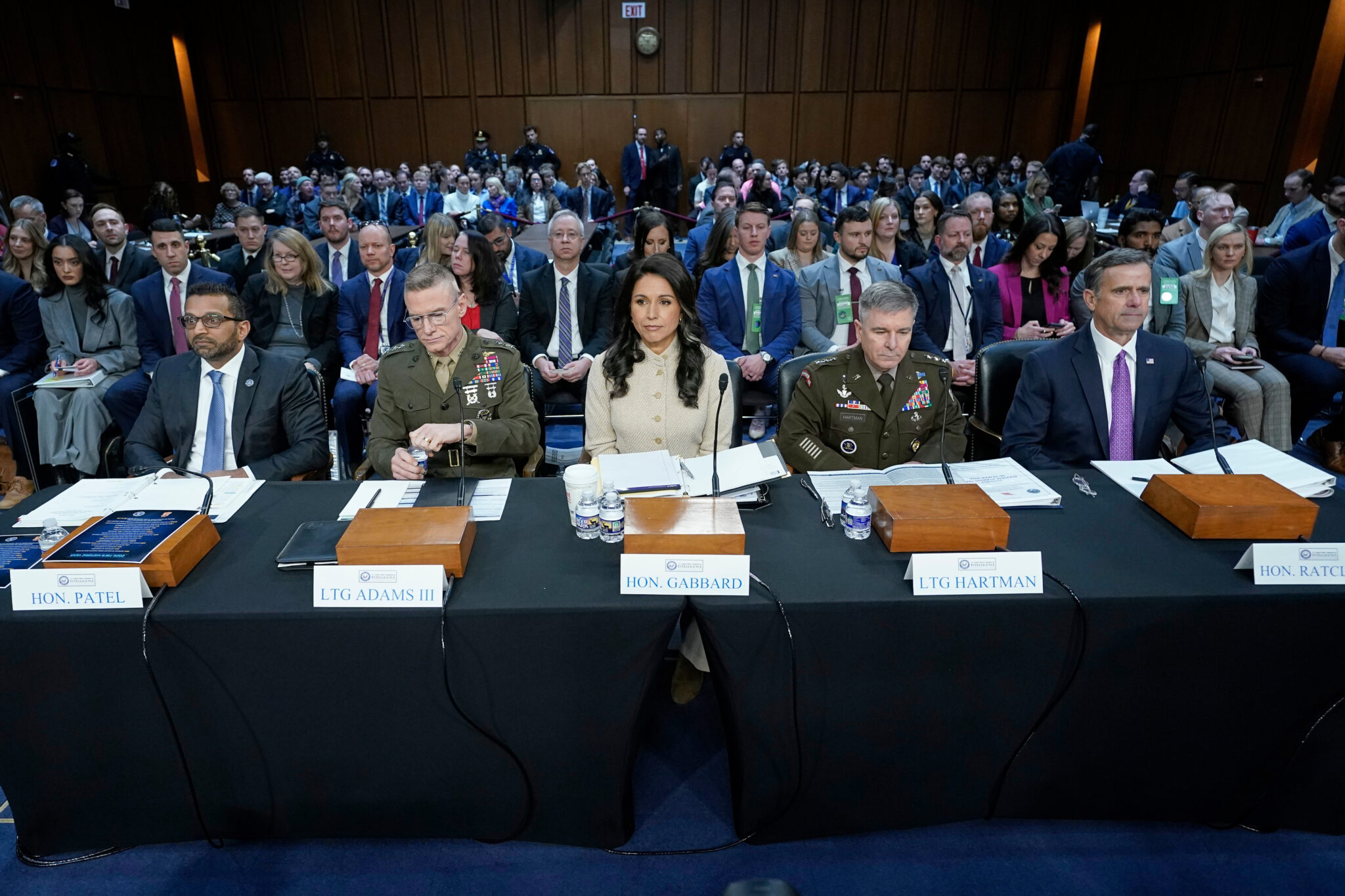
Gabbard Dodges Questions On Iran War Intelligence Briefings/ Newslooks/ WASHINGTON/ J. Mansour/ Morning Edition/ Tulsi Gabbard faced tough questions from senators about pre-war intelligence on Iran. Lawmakers pressed whether she warned Donald Trump about risks to the Strait of Hormuz. Gabbard declined to reveal details, citing confidentiality of intelligence briefings.
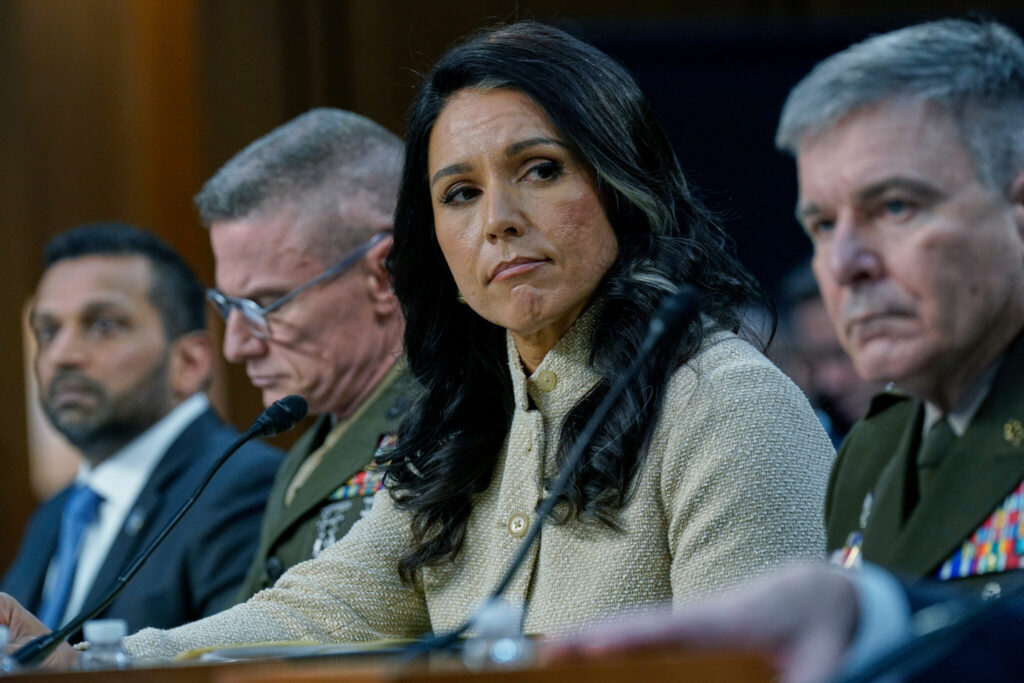
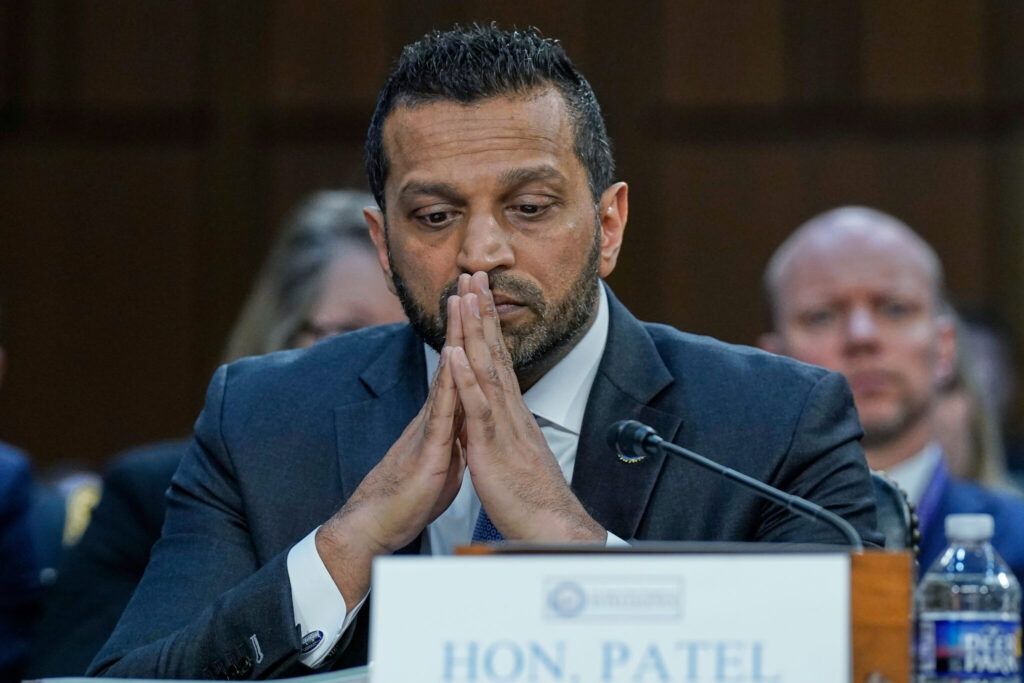
Intelligence Hearing Quick Looks
- Gabbard questioned at annual global threats hearing.
- Democrats seek clarity on pre-war intelligence.
- Focus on risks to Strait of Hormuz.
- Gabbard refuses to disclose internal briefings.
- CIA says intelligence contradicted “no threat” claims.
- Joe Kent resignation adds to controversy.
- Lawmakers probe civilian casualties from strikes.
- Domestic security threats also discussed.
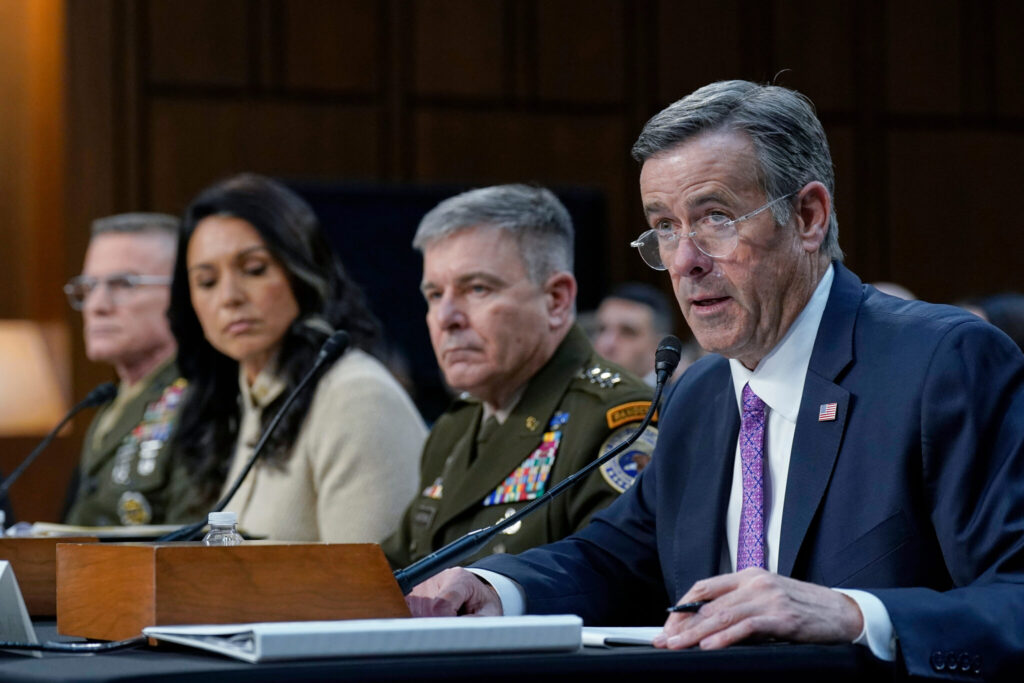
Deep Look: Gabbard Dodges Questions On Iran War Intelligence Briefings
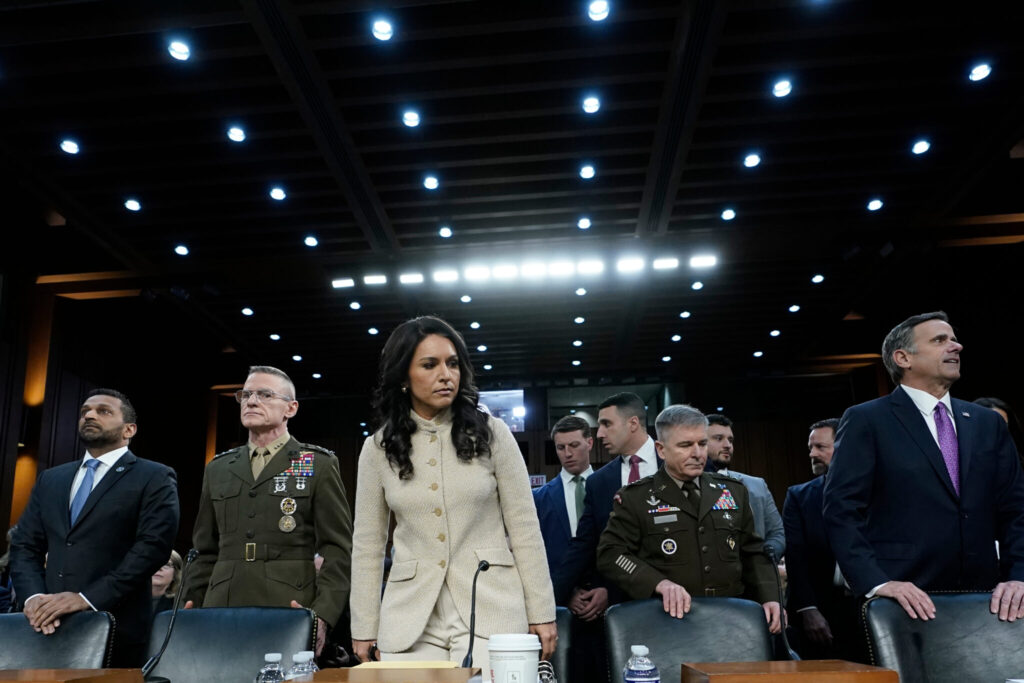
Tulsi Gabbard faced intense questioning on Capitol Hill as lawmakers sought answers about what intelligence the Trump administration had before launching military strikes against Iran.
During a Senate hearing on global threats, Democrats pressed Gabbard on whether she warned Donald Trump that Iran could retaliate by disrupting the Strait of Hormuz — a critical global oil route.
Gabbard declines to reveal intelligence details
Gabbard repeatedly declined to discuss what she told the president before the conflict began.
“I have not and won’t divulge internal conversations,” she said, adding that intelligence agencies continue to provide “objective intelligence” to inform presidential decisions.
Her refusal frustrated lawmakers, particularly Mark Warner, the top Democrat on the Senate Intelligence Committee, who sought clarity on whether the risks of escalation had been fully communicated.
Iran war dominates hearing
The annual hearing, typically focused on global threats, was largely overshadowed by the ongoing war with Iran.
Lawmakers raised concerns about the broader consequences of the conflict, including disruptions to global energy supplies and rising geopolitical instability.
One key issue was whether outdated intelligence contributed to a U.S. strike that reportedly hit an elementary school in Iran, killing more than 165 people. The White House has said the incident is under investigation.
Conflicting views inside administration
The hearing comes amid visible divisions within the administration over the justification for the war.
The recent resignation of Joe Kent, who said Iran posed no imminent threat, added fuel to the debate.
Gabbard avoided directly addressing Kent’s claims, emphasizing instead that threat assessments ultimately fall under presidential decision-making authority.
Meanwhile, John Ratcliffe told lawmakers that intelligence assessments contradicted Kent’s position, stating that available intelligence supported the view that Iran posed a threat.
Questions beyond Iran
Lawmakers also questioned Gabbard about her involvement in a domestic FBI operation earlier this year.
Her presence during a search of an election-related facility in Georgia drew criticism, with some Democrats arguing it blurred the line between national security and domestic politics.
Gabbard said she attended at the president’s request but did not participate in the operation.
Rising domestic security concerns
The hearing also highlighted growing concerns about threats within the United States.
Officials pointed to a series of recent incidents, including attacks and plots linked to extremist ideologies, as evidence of a heightened domestic security environment.
At the same time, lawmakers raised concerns about leadership changes and staffing reductions at the FBI under Kash Patel, warning they could impact national security readiness.
A broader political and security debate
The exchange underscored the broader debate surrounding the Iran war — not just about military strategy, but about intelligence, decision-making and accountability.
With the conflict ongoing and its consequences spreading across global markets and security landscapes, lawmakers are likely to continue pressing for answers about how the U.S. arrived at war — and what risks may still lie ahead.






You must Register or Login to post a comment.