

Gap Between Rich and Poor Nations Widens, UN Warns/ Newslooks/ WASHINGTON/ J. Mansour/ Morning Edition/ A new U.N. report warns the economic gap between rich and poor countries is widening. Declining aid, rising tariffs, and geopolitical tensions are worsening disparities. Global development goals for 2030 are increasingly at risk.
Global Wealth Gap UN Report Quick Looks
- UN says wealth gap between nations widening
- Development funding dropped sharply in 2025
- Iran conflict darkens global economic outlook
- Trade barriers and tariffs increasing
- Climate shocks impacting developing countries
- $4 trillion development funding gap remains
- U.S. aid decline among largest reported
- IMF, World Bank reforms still pending
Deep Look: Gap Between Rich and Poor Nations Widens, UN Warns
UNITED NATIONS — The economic gap between wealthy and developing nations is widening, according to a new United Nations report warning that global commitments to reduce inequality remain largely unfulfilled.
The report assessed progress on the “Seville Commitment,” a blueprint adopted last year in Seville, Spain, aimed at narrowing global economic disparities and achieving U.N. development goals by 2030. The findings were released ahead of spring meetings in Washington of the International Monetary Fund and World Bank — two key institutions responsible for promoting global economic growth.
U.N. officials warned that progress toward closing the gap has stalled, with geopolitical tensions, reduced development assistance, and rising trade barriers worsening conditions for developing countries.
Iran War Clouds Global Economy
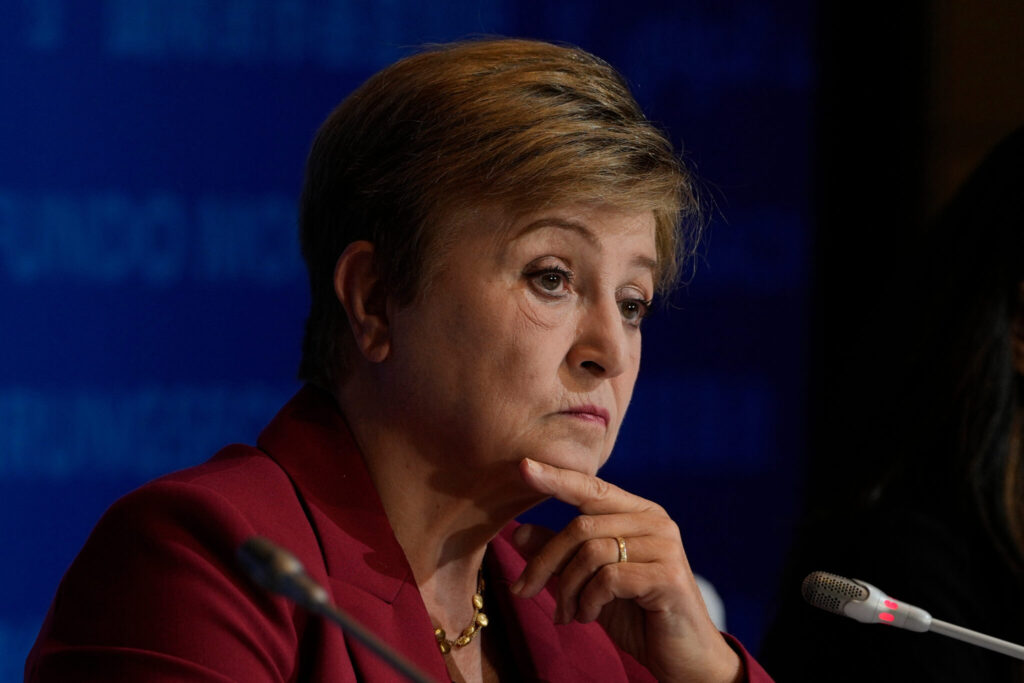
International Monetary Fund Managing Director Kristalina Georgieva said global growth had been expected to improve but noted that the Iran conflict has now cast uncertainty over the world economy.
Li Junhua, the U.N. undersecretary-general for economic and social affairs, said geopolitical tensions are making it harder for developing countries to attract investment and financing.
“This is an extremely perilous time for international cooperation,” Li said, noting that political tensions are increasingly influencing economic policies and financial relationships.
Aid Cuts Hit Developing Nations
One of the most alarming trends highlighted in the report was a significant drop in development assistance. In 2025, 25 countries reduced aid to poorer nations, leading to a 23% decline overall — the largest drop on record.
The United States accounted for the biggest decrease, with a 59% reduction in development assistance, according to the report.
Preliminary projections suggest aid could decline another 5.8% in 2026, further widening the financial gap.
$4 Trillion Financing Gap
At last year’s Seville conference, global leaders — excluding the United States — adopted a plan to close a $4 trillion annual development financing gap.
The agreement called for increased investment in developing nations and reforms to global financial institutions such as the IMF and World Bank.
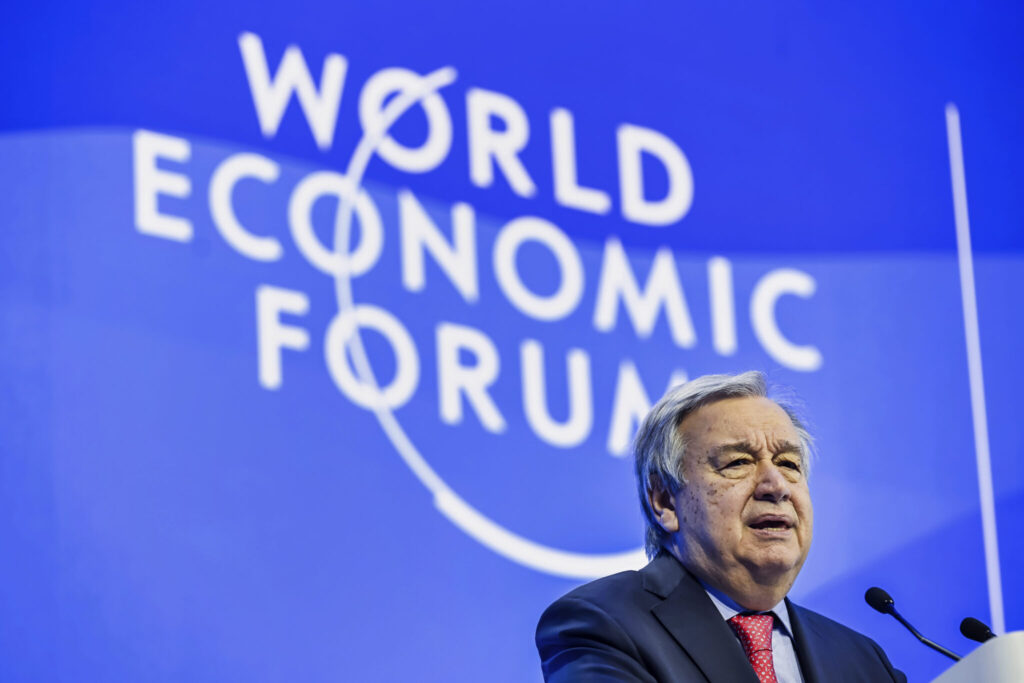
U.N. Secretary-General António Guterres has repeatedly criticized the institutions, arguing they favor wealthy nations and have failed to adequately support developing countries — particularly during the COVID-19 pandemic, which left many nations deeply indebted.
Critics have also pointed to decision-making power within the IMF and World Bank, which is heavily influenced by the United States and European countries.
Rising Trade Barriers
The report also cited rising tariffs as another factor widening global inequality. Average tariffs on exports from the world’s poorest countries increased sharply from 9% to 28% in 2025.
For developing countries — excluding China — tariffs rose from 2% to 19%.
The report noted that tariffs, including those implemented by the Trump administration, have had a significant impact on developing economies that rely heavily on exports.
Climate and Economic Pressures
Climate-related disasters and repeated economic shocks are further straining developing nations, the report said. These countries often lack the financial resources needed to recover quickly from natural disasters and economic downturns.
The combined pressures of reduced aid, rising tariffs, geopolitical tensions, and climate impacts have slowed progress toward achieving the U.N.’s 2030 development goals.
Call for Global Cooperation
U.N. officials stressed that implementing the Seville Commitment remains the best path forward to close the widening gap.
However, they warned that without renewed international cooperation and increased financial support, inequality between nations could continue to grow.
As global leaders prepare to meet in Washington, the report underscores the urgency of addressing economic disparities before they widen further — potentially impacting global stability and economic growth.





You must Register or Login to post a comment.