

Gas Prices Top $4 Per Gallon as Iran War Drives Costs/ Newslooks/ WASHINGTON/ J. Mansour/ Morning Edition/ U.S. gas prices climbed above $4 per gallon for the first time since 2022. The Iran war disrupted oil supplies and raised global fuel costs. Higher fuel prices threaten inflation, shipping costs, and household budgets.
Gas Prices Surge Above $4 Quick Looks
- U.S. gas average hits $4.02 per gallon
- Prices up over $1 since Iran war
- Diesel prices jump to $5.45 average
- Strait of Hormuz shipping disruptions continue
- Global fuel prices surge across Europe
- USPS seeks temporary fuel surcharge
- Emergency oil reserves released
- Inflation concerns grow ahead of midterms
Deep Look: Gas Prices Eclipse $4 Per Gallon as Iran War Drives Fuel Costs Higher
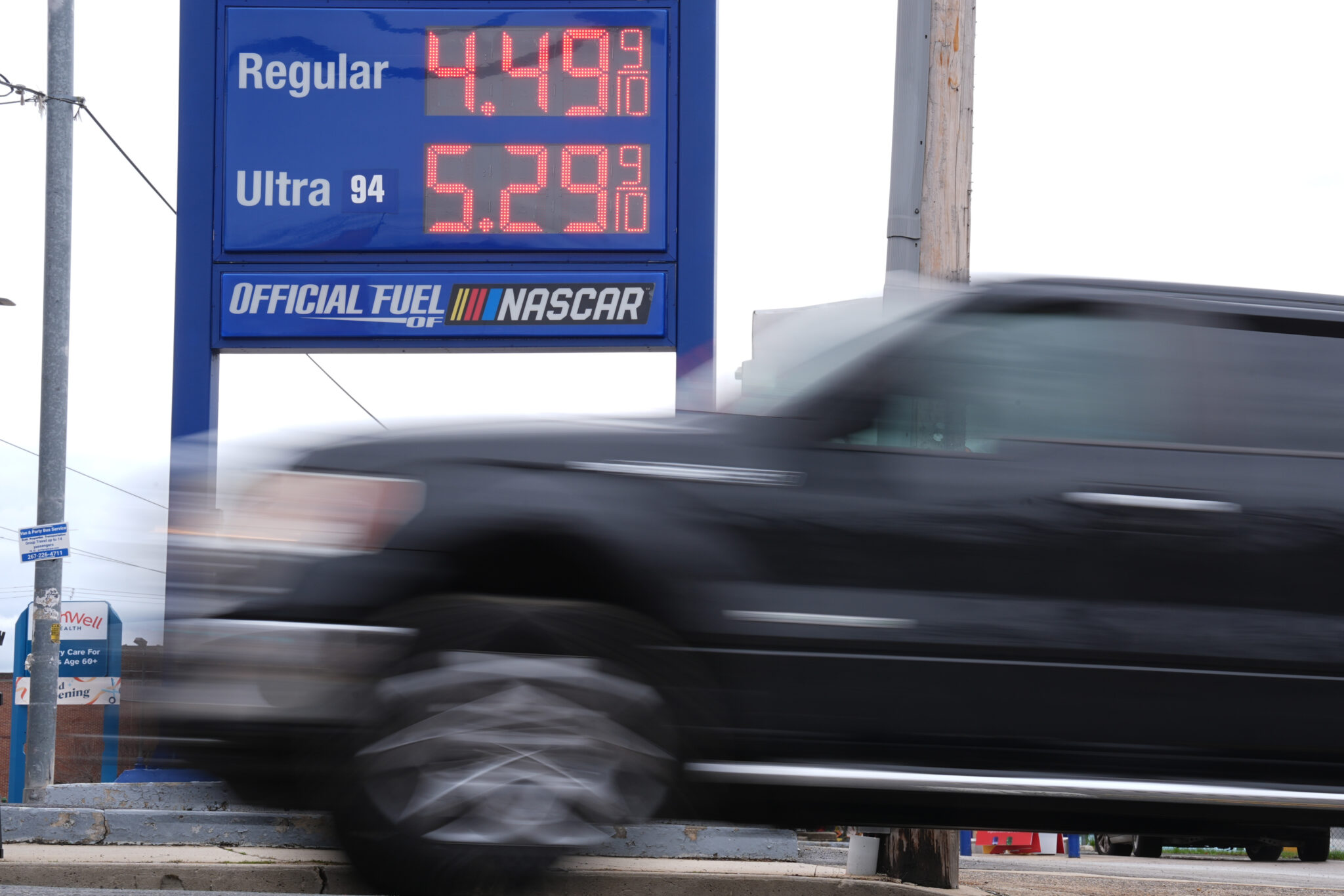
NEW YORK — U.S. gas prices have surged above $4 per gallon for the first time since 2022, as the ongoing Iran conflict disrupts global oil markets and fuels inflation concerns across the economy. The national average for regular gasoline reached $4.02 per gallon Tuesday, according to AAA — more than $1 higher than prices before the war began.
The spike marks the highest average price in nearly four years, recalling the surge that followed Russia’s invasion of Ukraine in 2022. While $4 is the national average, drivers in many states are already paying significantly more depending on local taxes, supply levels and refining capacity.
Iran War Disrupts Global Oil Supply
Fuel prices have climbed rapidly since the United States and Israel launched military operations against Iran on Feb. 28. The conflict has disrupted supply chains and led to production cuts across the Middle East, sending crude oil prices sharply higher.
The Strait of Hormuz — a key shipping route where roughly one-fifth of global oil normally passes — remains partially shut down, further tightening supply.
In addition, strikes on oil and gas infrastructure involving Iran, Israel and the United States have worsened concerns about supply shortages.
The impact is global. In Paris, gasoline prices have climbed to 2.34 euros per liter — equivalent to roughly $10.27 per gallon.
Higher Fuel Costs Affect Broader Economy
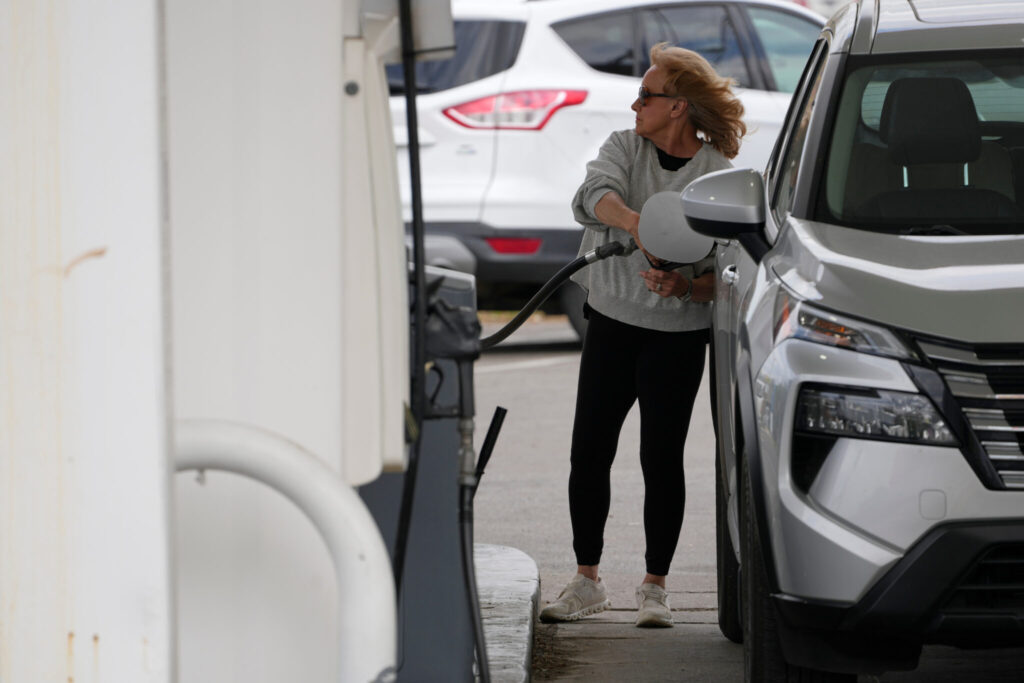
Rising gas prices are adding pressure to household budgets already strained by inflation. Consumers spending more at the pump may cut back in other areas, potentially slowing economic growth.
Fuel price increases also affect:
- Grocery prices
- Shipping and delivery costs
- Airline travel
- Utility bills
- Manufacturing expenses
Groceries are expected to be among the first sectors affected because food must be transported frequently.
The United States Postal Service has already requested an 8% temporary surcharge on certain delivery services due to rising fuel costs.
Diesel prices, which power freight trucks and shipping, have surged to an average of $5.45 per gallon — up sharply from $3.76 before the conflict began.
Political Pressure Builds Ahead of Midterms
Rising fuel prices are becoming a key political issue during the midterm election year. Democrats have criticized President Donald Trump and Republicans as consumers face higher living costs.
An AP-NORC poll found that 45% of Americans are now highly concerned about affording gasoline in the coming months, up from 30% shortly after Trump’s 2024 election victory.
Higher fuel costs often influence voter sentiment, making gas prices a closely watched political indicator.
Emergency Measures to Ease Prices
Governments and energy organizations are attempting to stabilize prices.
The International Energy Agency pledged to release 400 million barrels of oil from emergency reserves, including U.S. stockpiles.
The Trump administration has also taken steps including:
- Easing sanctions on Venezuela
- Temporarily loosening restrictions on Russian oil
- Waiving Jones Act shipping rules for 60 days
These measures aim to increase supply and reduce pressure on fuel markets.
However, analysts caution that relief may take time. Refineries typically purchase crude oil in advance, meaning higher costs may continue to affect consumers.
Seasonal Demand Also Contributing
Gas prices often rise in spring and summer due to increased travel demand. Warmer weather also requires a switch to summer-blend gasoline, which is more expensive to produce.
These seasonal factors are adding to the upward pressure created by geopolitical tensions.
US Still Affected Despite Oil Exports
Although the United States is a net oil exporter, domestic fuel prices remain tied to global markets.
Much of U.S. oil production is light crude, while many U.S. refineries require heavier crude imported from abroad. As a result, global disruptions still impact American consumers.
Similar geopolitical events have driven price spikes before. Gas prices peaked above $5 per gallon in June 2022 following Russia’s invasion of Ukraine.
Prices eventually declined, but analysts warn that prolonged conflict could keep prices elevated.
With oil shipments disrupted and demand rising, fuel costs may continue to climb if tensions persist.






You must Register or Login to post a comment.