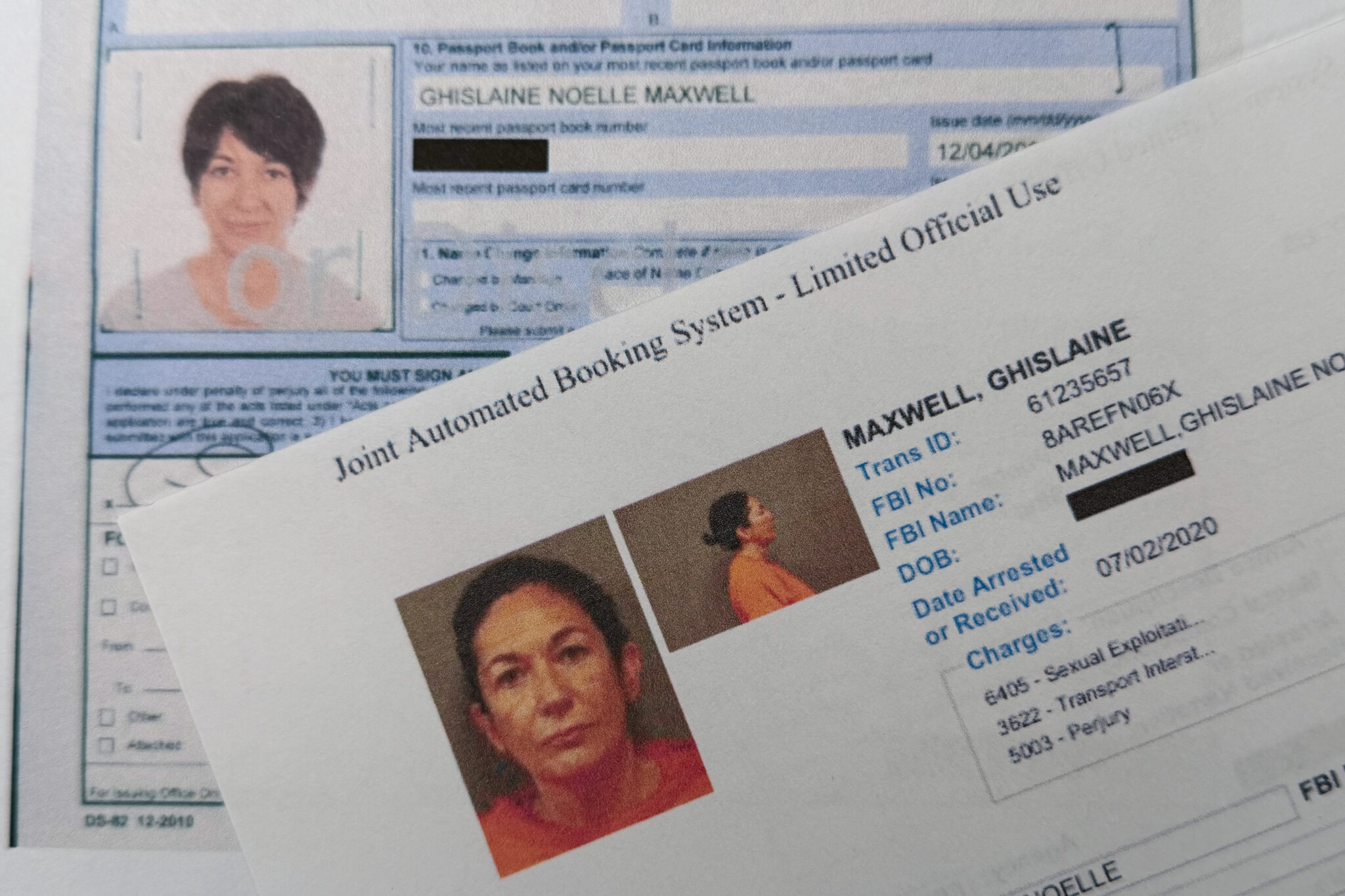
Ghislaine Maxwell Invokes Fifth Amendment in House Epstein Probe/ Newslooks/ WASHINGTON/ J. Mansour/ Morning Edition/ Ghislaine Maxwell declined to answer questions from a House committee, invoking her Fifth Amendment rights. The deposition was conducted virtually as part of a congressional investigation into Jeffrey Epstein’s crimes. Lawmakers continue reviewing unredacted Epstein files released by the Justice Department.


Ghislaine Maxwell House Deposition Quick Looks
- Maxwell invoked Fifth Amendment protections during questioning
- Deposition conducted via video from a Texas federal prison
- House Oversight Committee issued subpoena last year
- Lawmakers probing how Epstein abused minors for years
- DOJ recently released unredacted Epstein files to Congress
- Maxwell serving 20-year sentence for sex trafficking
- Clinton depositions agreed to after subpoena threats
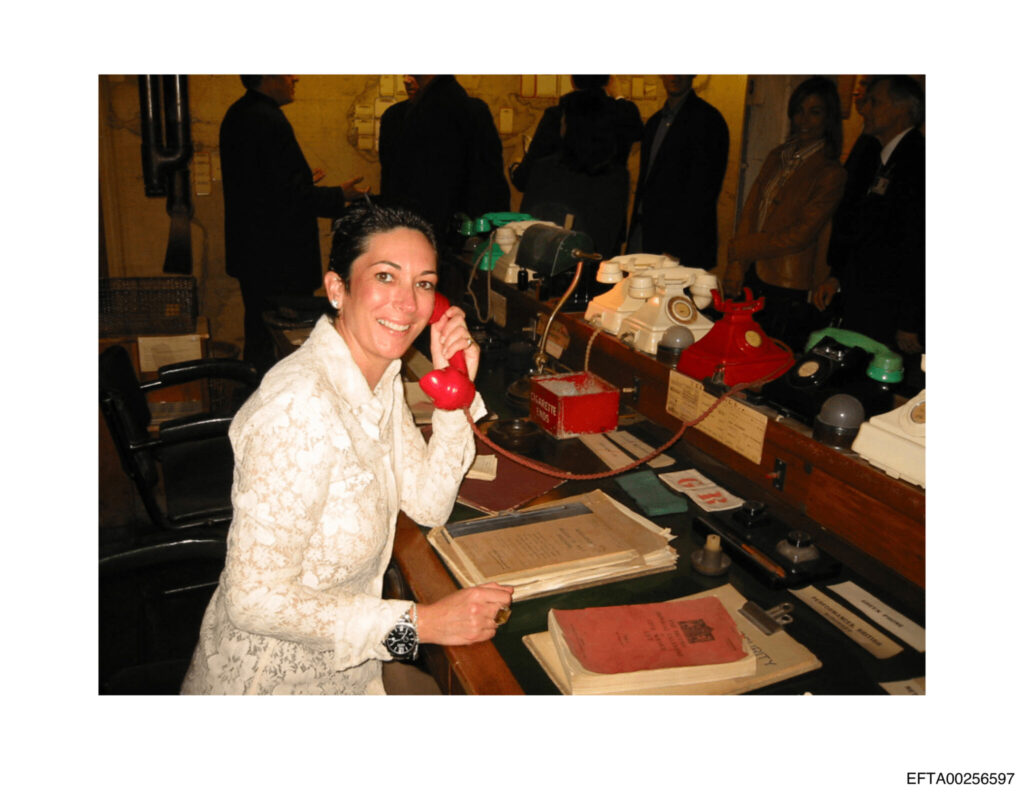
Deep Look: Ghislaine Maxwell Invokes Fifth Amendment in House Epstein Probe
WASHINGTON (AP) — Ghislaine Maxwell refused to answer questions from lawmakers on Monday, invoking her Fifth Amendment right against self-incrimination during a closed-door deposition with the House Oversight Committee.
The former confidante and girlfriend of Jeffrey Epstein appeared via video call from a federal prison camp in Texas, where she is serving a 20-year sentence following her conviction on sex trafficking charges. The deposition was part of Congress’s expanding investigation into how Epstein, a wealthy and politically connected financier, was able to sexually abuse underage girls for years.
Maxwell’s attorneys had repeatedly warned lawmakers that she would not answer questions, citing ongoing legal efforts to overturn her conviction. Despite that, House Oversight Chairman James Comer insisted the deposition proceed, arguing it was necessary to exhaust all avenues in the committee’s inquiry.
Epstein Files Under Review
The deposition coincided with renewed congressional scrutiny of Epstein-related records. Several Democratic lawmakers began reviewing unredacted Epstein files released by the Department of Justice under a transparency law passed by Congress last year.
Lawmakers are seeking to identify individuals who may have facilitated or ignored Epstein’s abuse, even as prosecutors maintain that no evidence supported charges against additional co-conspirators beyond Epstein and Maxwell.
Political Context
Comer has faced mounting pressure from both parties to enforce subpoenas connected to the Epstein probe. That pressure intensified after he threatened former President Bill Clinton and former Secretary of State Hillary Clinton with contempt of Congress. Both subsequently agreed to appear for depositions later this month.
What Comes Next
While Maxwell’s refusal to testify was widely anticipated, the deposition marks another step in Congress’s effort to examine institutional failures that allowed Epstein’s crimes to continue for years. Whether further testimony or document reviews yield new revelations remains uncertain.
For now, Maxwell’s silence underscores the legal limits facing lawmakers — even as public scrutiny of the Epstein case continues to grow.