

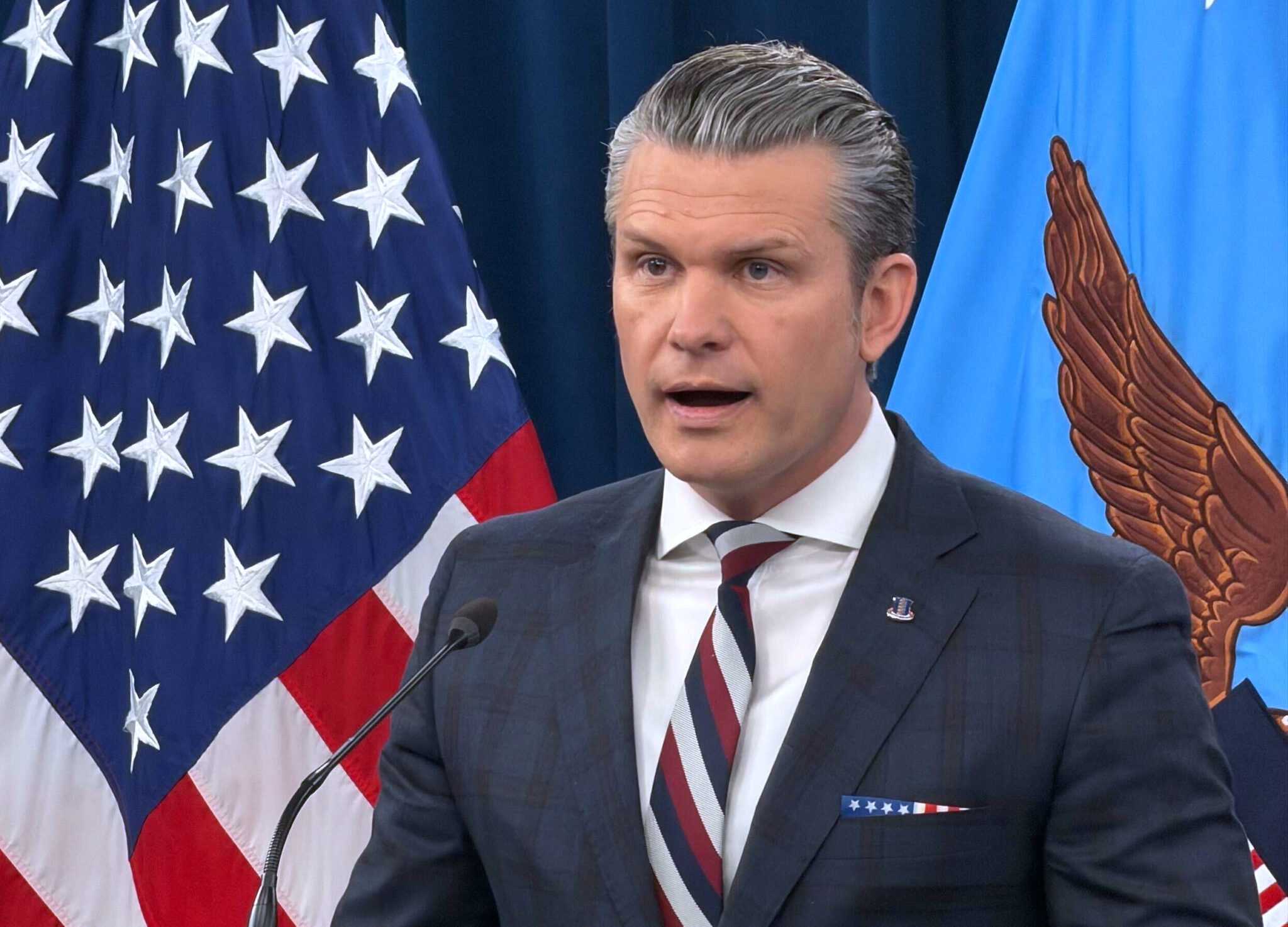
Hegseth Claims Iran’s Supreme Leader is ‘Wounded and Likely Disfigured’/ Newslooks/ WASHINGTON/ J. Mansour/ Morning Edition/MU.S. Defense Secretary Pete Hegseth said Iran’s new supreme leader, Mojtaba Khamenei, has been wounded and possibly disfigured. The claim marks the first official statement from the Trump administration regarding Khamenei’s condition since he took power. U.S. officials say the war has significantly weakened Iran’s military capabilities.
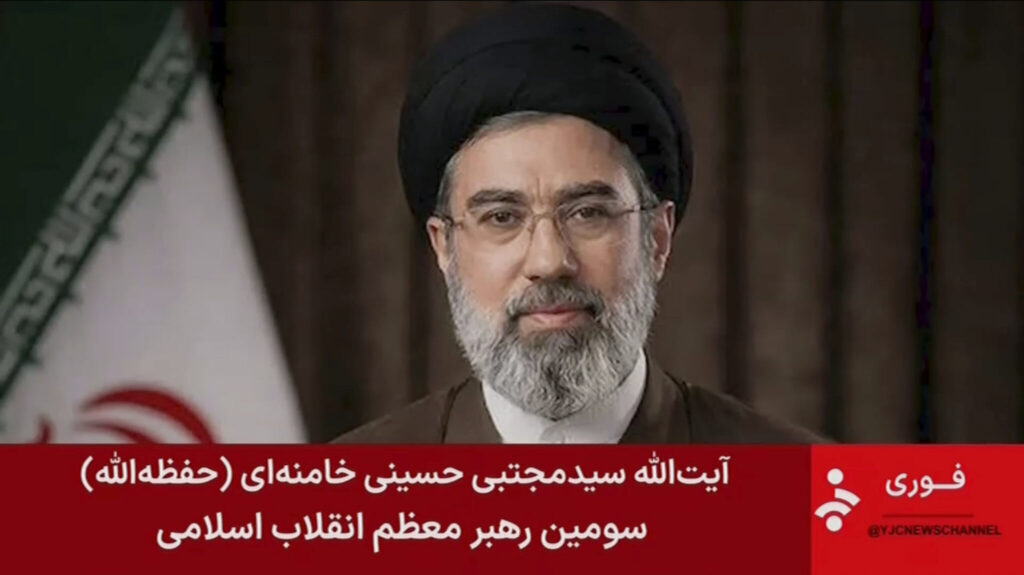
Iran Supreme Leader Health Claim Quick Looks
- Defense Secretary Pete Hegseth said Iran’s supreme leader is “wounded and likely disfigured.”
- The leader, Mojtaba Khamenei, recently assumed power after his father’s death.
- President Donald Trump also suggested Khamenei had been injured.
- Iran recently issued a written statement from Khamenei, but no video appearance.
- U.S. officials say Iran’s missile and drone capabilities have been severely reduced.
- Iran continues to threaten global shipping routes through the Strait of Hormuz.
- The conflict between Iran, Israel and the U.S. continues to escalate.
Deep Look
Pentagon Claims Iran’s Supreme Leader Is Injured
U.S. Defense Secretary Pete Hegseth said Friday that Iran’s new supreme leader, Mojtaba Khamenei, has been wounded and possibly disfigured during the ongoing war involving Iran, Israel and the United States.
The claim marks the first official comment by the Trump administration regarding the condition of Iran’s top leader since he assumed power earlier in the conflict.
Speaking to reporters during a briefing, Hegseth said Iran’s leadership has been severely weakened by recent military strikes.
“Iran’s leadership is in no better shape,” Hegseth said. “Desperate and hiding, they have gone underground.”
He added that U.S. intelligence indicates Khamenei may have been injured during the fighting.
“We know the new so-called not-so-supreme leader is wounded and likely disfigured,” Hegseth said.
Trump Also Suggests Leader Was Hurt
President Donald Trump has also suggested that Iran’s leader may have been wounded.
During a virtual meeting with leaders of the Group of Seven (G7) nations earlier in the week, Trump reportedly told participants that Khamenei was “not in good shape.”
According to officials familiar with the discussion, Trump suggested the Iranian leadership structure may currently be unstable.
“Nobody knows who is the leader,” Trump reportedly said during the call, according to two officials briefed on the conversation.
In a separate interview on Fox News Radio, Trump said he believes Khamenei is likely still alive but injured.
“I think he probably is alive,” Trump said. “I think he is damaged, but he’s probably alive in some form.”
First Public Message From Khamenei
On Thursday, Iranian state media broadcast the first public message from Mojtaba Khamenei since he became the country’s supreme leader.
The message promised retaliation against U.S. and Israeli military operations targeting Iran.
However, the statement was delivered only in written form and read aloud on state television.
No video or images of Khamenei accompanied the broadcast.
Hegseth suggested that the absence of visual confirmation could indicate the leader is injured.
“Iran has plenty of cameras and voice recorders,” he said. “Why a written statement? I think you know why.”
According to Hegseth, Khamenei may currently be hiding or recovering from injuries sustained during the war.
War Weakens Iran’s Military Capabilities
U.S. officials say the conflict has severely degraded Iran’s military strength.
Hegseth said American and Israeli strikes have destroyed much of Iran’s ability to launch missiles and drones.
According to Pentagon estimates, Iran’s missile launch capacity has been reduced by roughly 90%, while its drone capabilities have fallen by 95%.
The attacks have targeted missile launch sites, command centers and weapons production facilities across Iran.
Strait of Hormuz Remains Major Concern
Despite those losses, tensions remain high in the region.
Iran has threatened global energy markets by attempting to block traffic through the Strait of Hormuz, one of the world’s most important shipping routes for oil.
Gen. Dan Caine, chairman of the Joint Chiefs of Staff, said Iranian forces are currently preventing most commercial vessels from passing through the strait.
However, he noted that some ships are still moving through the area.
Hegseth said the U.S. military is actively addressing the situation.
“It’s something we’re dealing with,” he told reporters.
He added that weakening Iran’s naval forces was a key objective of the campaign.
“There’s a reason we targeted the Navy early,” Hegseth said.
Strategic Waterway Critical To Global Trade
The Strait of Hormuz carries roughly 20% of the world’s oil supply, making it one of the most critical shipping routes in the global economy.
Disruptions to the waterway have already pushed oil prices sharply higher and raised fears of a global energy crisis.
U.S. officials say restoring safe passage for commercial vessels remains a top priority.
“That’s not a strait we’re going to allow to remain contested,” Hegseth said.


You must Register or Login to post a comment.