Hegseth Refuses Public Release of Deadly Caribbean Boat Strike Video/ Newslooks/ WASHINGTON/ J. Mansour/ Morning Edition/ Defense Secretary Pete Hegseth said the Pentagon will not publicly release unedited video of a U.S. strike that killed two survivors of a drug boat attack in the Caribbean. Lawmakers reviewing the classified footage privately continue to question the legality and goals of the expanding U.S. military campaign near Venezuela. The incident has intensified congressional scrutiny over transparency, civilian harm, and war powers.

Quick Look
- Video withheld: Hegseth said the full, unedited strike footage will not be released to the public.
- Limited access: Members of the House and Senate Armed Services Committees will be allowed to view the video.
- Congressional pushback: Lawmakers are demanding greater transparency and clarity on legal authority.
- Fatal September strike: Two people survived an initial attack, then were killed in a second strike.
- Administration defense: Officials describe the operation as a counter-drug mission saving U.S. lives.
- Legal concerns raised: Critics question whether firing on survivors violates laws of war.
- Broader campaign: The U.S. has destroyed over 20 boats and killed at least 95 people.
- Venezuela tension: Lawmakers say briefings did not clarify goals toward President Nicolás Maduro.
- War powers debate: Congress may vote on resolutions challenging unilateral military action.
- More briefings ahead: Additional classified sessions are planned with military commanders.
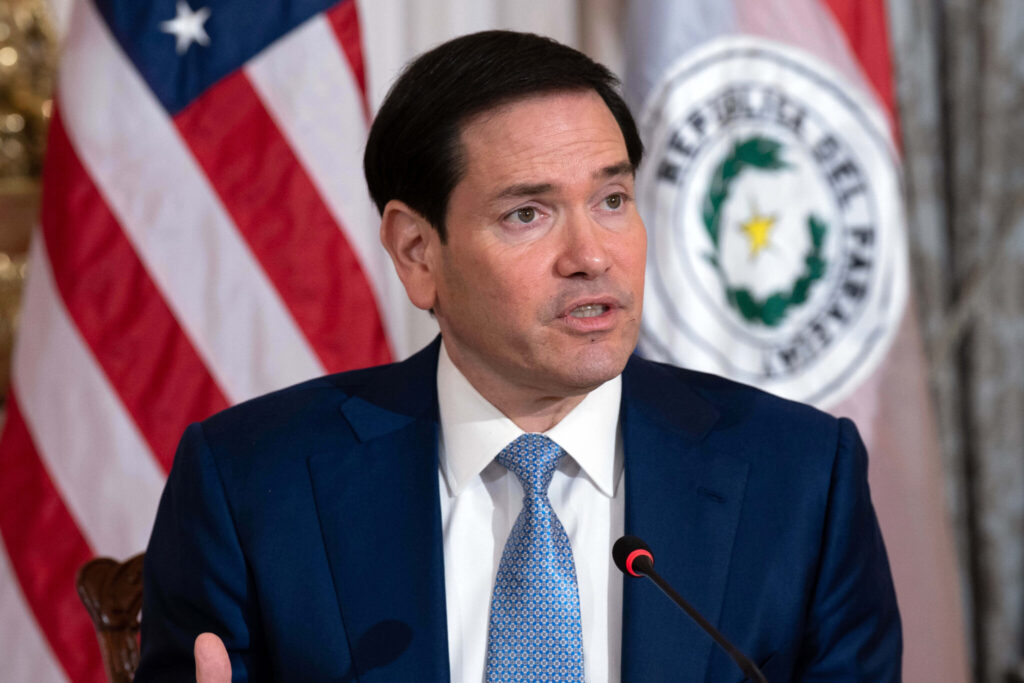
Defense Secretary Hegseth Says U.S. Will Not Publicly Release Unedited Video of Deadly Boat Strike
Deep Look
WASHINGTON — Defense Secretary Pete Hegseth announced Tuesday that the Department of Defense will not make public the full, unedited video of a U.S. military strike in the Caribbean that resulted in the deaths of two people who survived an earlier attack on a suspected cocaine‑smuggling vessel.
Hegseth told reporters that lawmakers on the House and Senate Armed Services Committees will be allowed to view the classified footage this week, but he stopped short of committing to a broader congressional release, despite language in a defense policy bill requiring that the video be made available to congressional members.
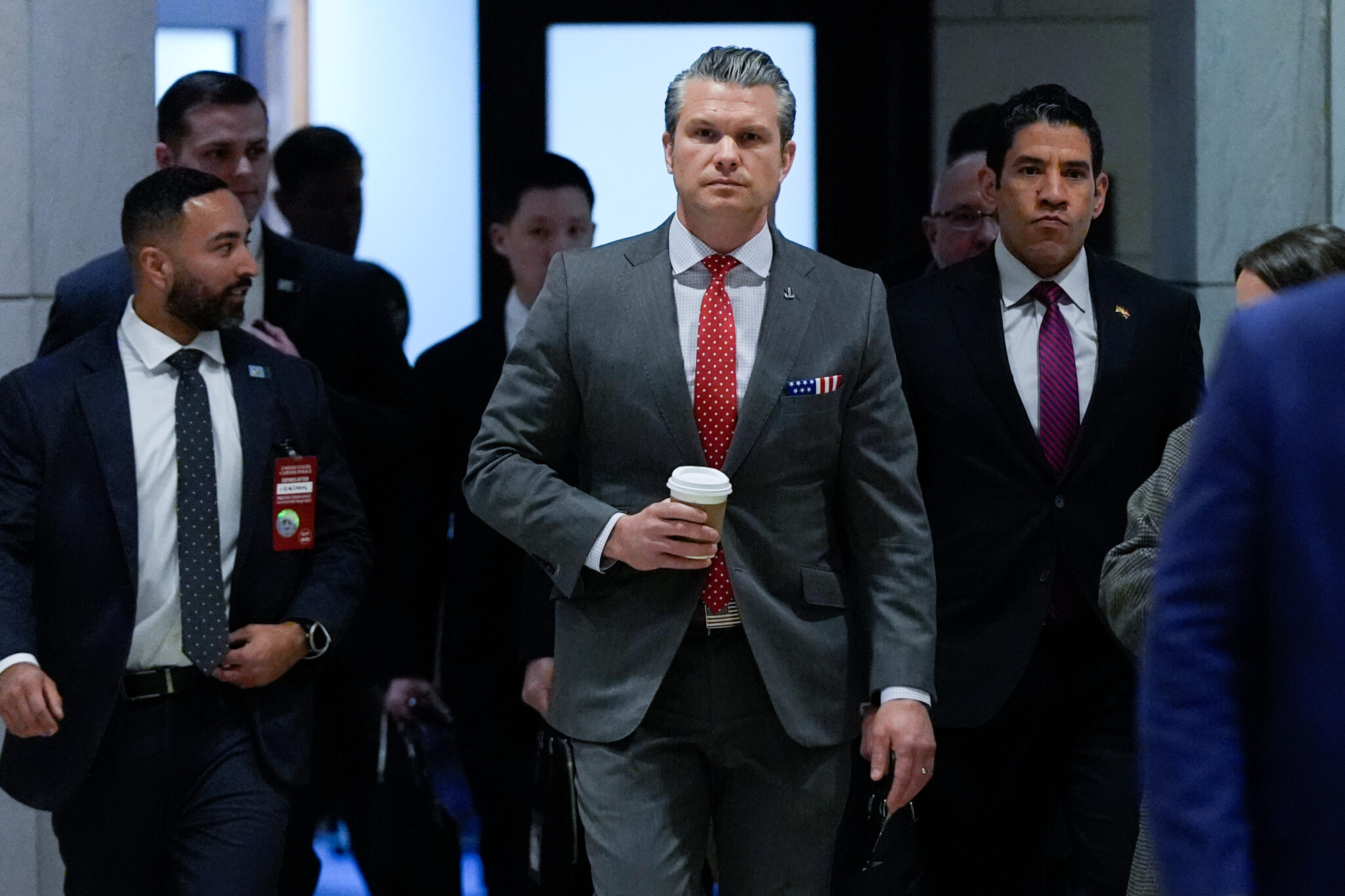
“Of course we’re not going to release a top‑secret, full, unedited video of that to the general public,” Hegseth said as he exited a closed briefing with senators. He did not clarify whether rank‑and‑file lawmakers beyond the armed services committees would be permitted access.
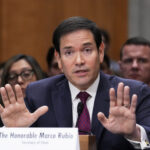
Hegseth, Secretary of State Marco Rubio and other senior national security officials were on Capitol Hill to defend and explain the Trump administration’s expanding military operations in international waters near Venezuela — operations that have increasingly drawn scrutiny from lawmakers of both parties.
The briefing came as Congress continues to investigate a controversial September 2 strike in the Caribbean that killed two survivors of an initial attack on a suspected drug boat. The Pentagon says its broader campaign has disrupted drug trafficking networks and prevented narcotics from reaching the United States, but critics raised urgent questions about the legality and purpose of the operations.
Rubio described the efforts as a “counter‑drug mission” aimed at dismantling drug trafficking infrastructure that threatens U.S. security and public health. “This is focused on undermining the operations of these criminal networks in our hemisphere,” Rubio told reporters.
But many lawmakers remain unconvinced that the mission’s objectives are clearly defined, or that Congress has been kept sufficiently informed about the legal rationale and scope of U.S. force in the region. The Pentagon confirmed late Monday that U.S. forces struck three additional suspected drug boats in the eastern Pacific Ocean, killing eight people.
Congressional Concerns Over Strategy and Oversight
Senators from both parties said the closed‑door briefings did little to clarify President Donald Trump’s overall strategy toward Venezuelan President Nicolás Maduro or to address whether U.S. military involvement could escalate into direct conflict.
The United States has stationed warships in the Caribbean, flown fighter jets near Venezuelan airspace and seized a Venezuelan‑flagged oil tanker as part of military pressure against Maduro, who contends the real aim of the U.S. operations is to force him from power. The Trump administration, however, has not sought congressional authorization for military action against Venezuela, prompting lawmakers to consider war powers resolutions that could be brought to a vote this week.
Critics of the Caribbean strike — especially the one that killed survivors — argue the administration’s unilateral approach raises serious legal and ethical questions. That strike, which targeted two people clinging to a damaged vessel after an earlier attack, has become a focal point of congressional demands for transparency and accountability.
“If it’s not a war against Venezuela, then we’re using armed force against civilians who are just committing crimes,” said John Yoo, a law professor at UC Berkeley who previously helped craft post‑9/11 national security legal doctrine. “This raises serious concerns about whether we are shooting civilians without a legitimate military purpose.”
Limited Transparency and Calls for Video Footage Release
Until now, Congress has received limited information about how the U.S. military is conducting its Caribbean campaign, which the Pentagon says has destroyed more than 20 boats and resulted in at least 95 deaths. At times, lawmakers have first learned of strikes through Pentagon‑posted videos on social media showing boats exploding.
In response, members of Congress included provisions in the annual defense policy bill demanding that video of the September boat strike be released to lawmakers. For some critics, the footage represents a crucial piece of evidence about the operation’s conduct and justification.
“The American public should see this,” said Sen. Rand Paul, a Republican from Kentucky and one of the campaign’s most vocal critics. “I think shooting unarmed people floundering in the water, clinging to wreckage, is not who we are as a nation. You can’t say you’re at war and then blow up people without due process or clear justification.”
Hegseth had suggested last week that he was considering whether to make the footage public, but his remarks Tuesday confirmed that the unedited video will remain classified.
Support for the Campaign
Not all Republicans oppose the administration’s approach. Sen. Jim Risch, the GOP chairman of the Senate Foreign Relations Committee, defended the Caribbean strikes last week as lawful under both U.S. and international law. Risch also maintained that the operations have saved American lives by preventing large quantities of drugs from entering the United States.
But lawmakers digging into the September strike have found inconsistencies in the administration’s explanations.
President Trump and some GOP lawmakers have justified the strike that killed the two survivors by asserting the men were attempting to overturn their damaged boat in a manner that posed a continued threat. However, Adm. Frank “Mitch” Bradley — the special forces commander who ordered the second strike — reportedly told lawmakers in a private briefing that while the individuals had climbed atop the overturned vessel, they were unlikely to succeed and were unarmed, waving but not signaling for help.
According to people familiar with those closed briefings, Bradley said he consulted with a military attorney before ordering the second strike, based on the belief that drugs remained in the hull and needed to be destroyed.
Questions About Rules of War
Legal experts have questioned whether the second strike violated established norms, including the Pentagon’s own law of war manual, which states that firing on shipwrecked individuals would be clearly illegal.
“The boat was damaged and overturned and had no power,” said Michael Schmitt, a former Air Force lawyer and professor emeritus at the U.S. Naval War College. “I really don’t care if another vessel was coming to rescue them — they were shipwrecked.”
Central to the dispute is the administration’s framing of its Caribbean and Pacific operations. Trump and senior aides have argued that drug shipments bound for the U.S. constitute an attack on American lives, justifying aggressive action. But lawmakers have pushed back, saying they need clearer legal explanations and evidence that operations adhere to international law.
Ongoing Briefings and Future Scrutiny
In addition to Tuesday’s sessions with Hegseth and Rubio, Adm. Bradley is expected to conduct classified briefings with the Senate and House Armed Services Committees on Wednesday, providing more details about the strike that killed the two survivors.
Sen. Thom Tillis, a North Carolina Republican, said he wants to understand not only what action was taken but the intelligence that informed the decision and whether military conduct complied with both laws of war and maritime law.
Meanwhile, pressure on the Pentagon to share more information continues. Lawmakers argue that without transparency, public trust and congressional oversight erode at a time when U.S. military activity far from American shores carries increasing consequences.
As debate over the Caribbean strikes grows, the broader campaign’s goals, legality and human cost remain subjects of intense congressional, legal and public scrutiny — even as additional strikes unfold on the other side of the hemisphere.