

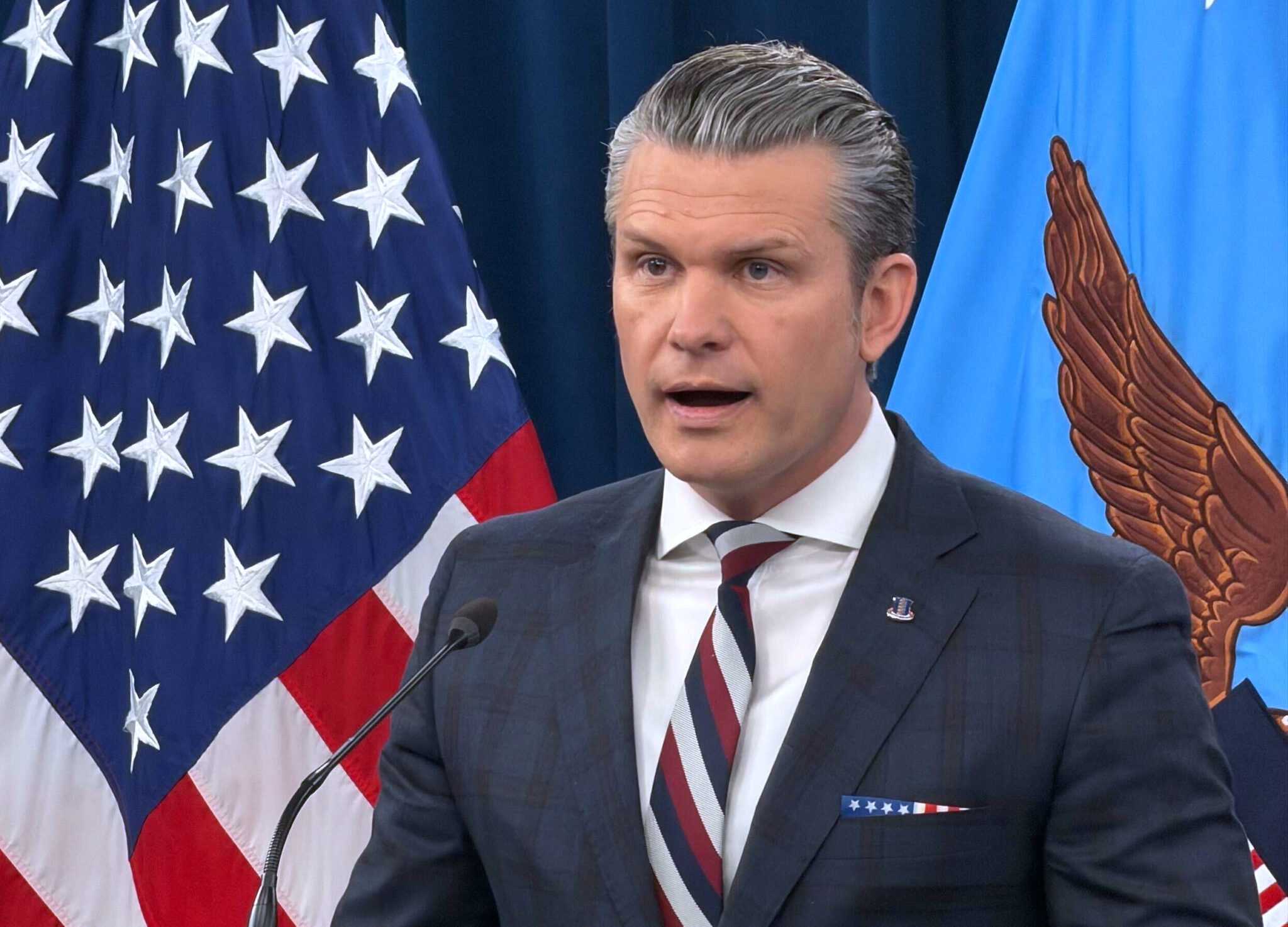
Hegseth Remarks Renew Debate Over Reporting War Casualties/ Newslooks/ WASHINGTON/ J. Mansour/ Morning Edition/ Defense Secretary Pete Hegseth criticized media coverage of U.S. casualties in the Iran war, accusing reporters of political bias. His remarks revived a longstanding debate about whether governments try to limit public exposure to the human costs of war. Historians and journalists say tensions between the military and the press over war reporting stretch back decades.
Hegseth War Casualties Media Debate Quick Looks
- Defense Secretary Pete Hegseth accused media outlets of highlighting war casualties to damage President Trump politically.
- The remarks followed the deaths of six U.S. Army reservists in an Iranian drone attack in Kuwait.
- Critics say coverage of casualties honors service members and informs the public about war’s human cost.
- The debate echoes historical tensions between governments and journalists over battlefield reporting.
- Television coverage during the Vietnam War played a major role in shaping public opinion.
- Restrictions on journalists and battlefield access have increased in more recent conflicts.
- Experts say the public still needs clear reporting about the human consequences of war.
Deep Look: Hegseth Remarks Renew Debate Over Reporting War Casualties
Comments by U.S. Defense Secretary Pete Hegseth criticizing media coverage of American casualties in the war with Iran have revived a longstanding debate about how governments and journalists portray the human cost of conflict.
During a Pentagon briefing this week, Hegseth accused the news media of focusing heavily on the deaths of American troops in order to politically damage President Donald Trump. His remarks came after six U.S. Army reservists were killed in a drone attack carried out by Iranian forces against a military operations center in Kuwait.
“When a few drones get through or tragic things happen, it’s front-page news,” Hegseth said during the briefing. He also criticized what he described as “fake news,” arguing that the press was attempting to portray the administration negatively rather than accurately reflect the broader course of the war.
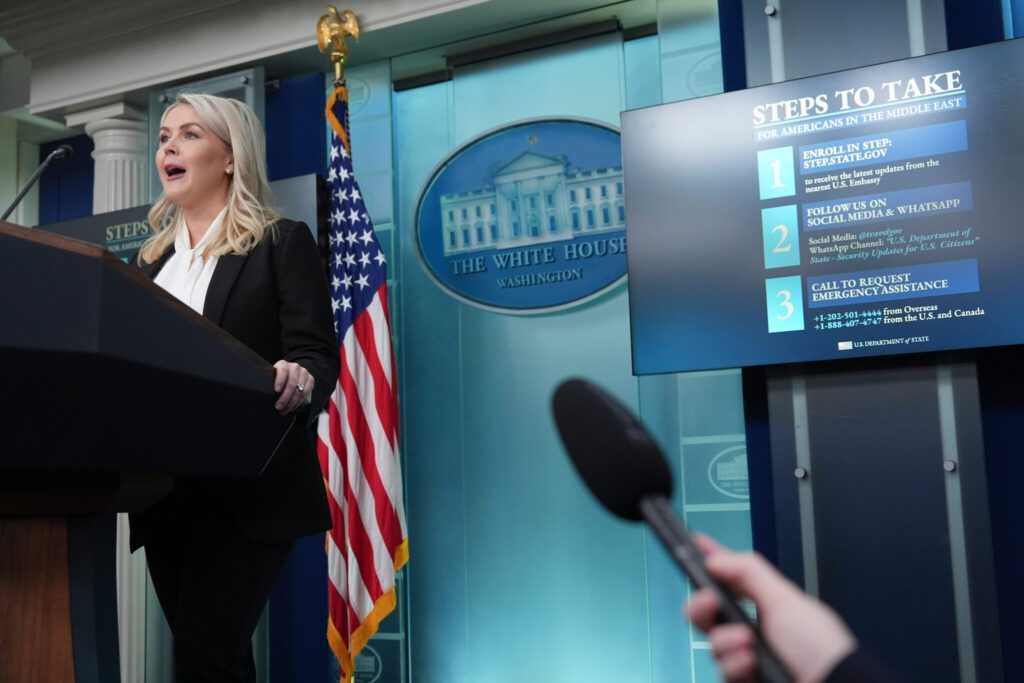
White House Press Secretary Karoline Leavitt reinforced that criticism later during her own press briefing. When asked about Hegseth’s remarks, she accused journalists of using statements from the administration to undermine the president politically.
The exchange quickly reignited a larger conversation about how wars are covered in the United States and whether governments historically attempt to limit the public’s exposure to the consequences of combat.
Historians and media scholars note that tension between government officials and journalists over war reporting is nothing new. For decades, U.S. leaders have struggled with the impact that images and stories from the battlefield can have on public opinion.
Many analysts trace this dynamic back to the Vietnam War, when television coverage brought graphic images of combat and civilian suffering directly into American homes. The conflict unfolded during a period when television news was rapidly expanding, and nightly broadcasts often featured vivid footage from the front lines.
The repeated exposure to scenes of violence and destruction is widely believed to have played a role in shifting American attitudes toward the war. Over time, public support eroded as viewers saw the human toll of the fighting.
Timothy Naftali, a historian and research scholar at Columbia University’s School of International and Public Affairs, said the experience left a lasting impression on future presidents and policymakers.
“For many presidents, the lesson seemed to be: Don’t allow the realities of war into people’s living rooms if you can help it,” Naftali said.
Since Vietnam, access to war zones has changed significantly. In earlier conflicts, journalists often traveled alongside military units and reported from the battlefield with relatively few restrictions.
During World War II, reporters such as Ernie Pyle and Walter Cronkite became nationally recognized figures while covering the war effort. Photographers like Robert Capa and Margaret Bourke-White documented the conflict in powerful images that shaped how Americans understood the war.
But even then, reporting was limited by the technology of the time, since television had not yet become the dominant medium.
By contrast, the Vietnam War offered journalists extensive access to combat zones. Reporters stationed throughout the region regularly transmitted detailed accounts of military operations and casualties.
One of the most influential moments occurred in 1968 when CBS News anchor Walter Cronkite traveled to Vietnam and later concluded during a broadcast that the war appeared unwinnable and should end through negotiations.
President Lyndon B. Johnson reportedly reacted by saying, “If I’ve lost Cronkite, I’ve lost Middle America,” reflecting the perceived influence of media coverage on public sentiment.
In later conflicts, however, the U.S. government placed more limits on journalists’ access to the battlefield.
During the 1991 Gulf War, for example, President George H.W. Bush faced criticism after television broadcasts showed the coffins of American service members returning to the United States while he appeared to be joking with reporters at the White House.
Soon afterward, the Pentagon imposed a ban on media coverage of the ceremonies in which the remains of fallen soldiers were returned home. Officials said the policy was designed to protect grieving families, although critics argued it also shielded the public from confronting the human cost of the conflict.
The restriction remained largely in place until President Barack Obama lifted the ban in 2009.
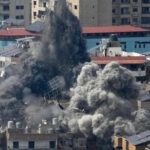
Even with those changes, modern war coverage has evolved in ways that make the suffering of combat less visible. Much of the imagery from recent conflicts shows distant explosions or missile strikes captured by cameras far from the battlefield, often resembling video-game-style visuals.
Direct reporting from combat zones has also become more difficult. Journalists frequently face strict limitations on their movements or access to military operations.
Jessica Donati, who reported on the war in Afghanistan for The Wall Street Journal and Reuters, wrote in a 2021 analysis that it had become easier for journalists to embed with the Taliban than with U.S. forces.
The current conflict with Iran presents additional challenges. Fighting is occurring far from the American homeland and has not yet involved large numbers of ground troops inside Iran itself. As a result, the number of U.S. casualties has remained relatively small — making each death more significant in news coverage.
Journalists have defended their reporting, arguing that documenting casualties is not political but an essential part of honoring those who died in service.
CNN anchor Jake Tapper rejected the idea that such coverage is historically unusual, describing the criticism as “ahistorical.” He said reporting on fallen service members recognizes their sacrifice.
Military reporters have expressed similar views. Dan Lamothe of The Washington Post said coverage of troop deaths has been consistent across multiple administrations and political parties.
He wrote that these reports highlight both the sacrifices made by service members and any failures that might have contributed to their deaths.
Others emphasize the importance of telling the personal stories behind casualty statistics.
Robert H. Reid, a former editor at the military newspaper Stars and Stripes, said readers — particularly service members — often want more than numbers. They want to understand who the fallen soldiers were, where they came from, and what lives they led before joining the military.
For many of those who die in combat, Reid noted, their stories may fade from public memory over time. Yet recognizing their lives and sacrifices remains essential.
Ultimately, historians say the debate over war coverage reflects a deeper tension between political messaging and public accountability.
Naftali said the central issue remains simple: war always carries human consequences that the public must understand.
“The public needs to know that war is not a video game,” he said. “It affects people.”



You must Register or Login to post a comment.