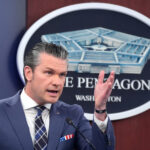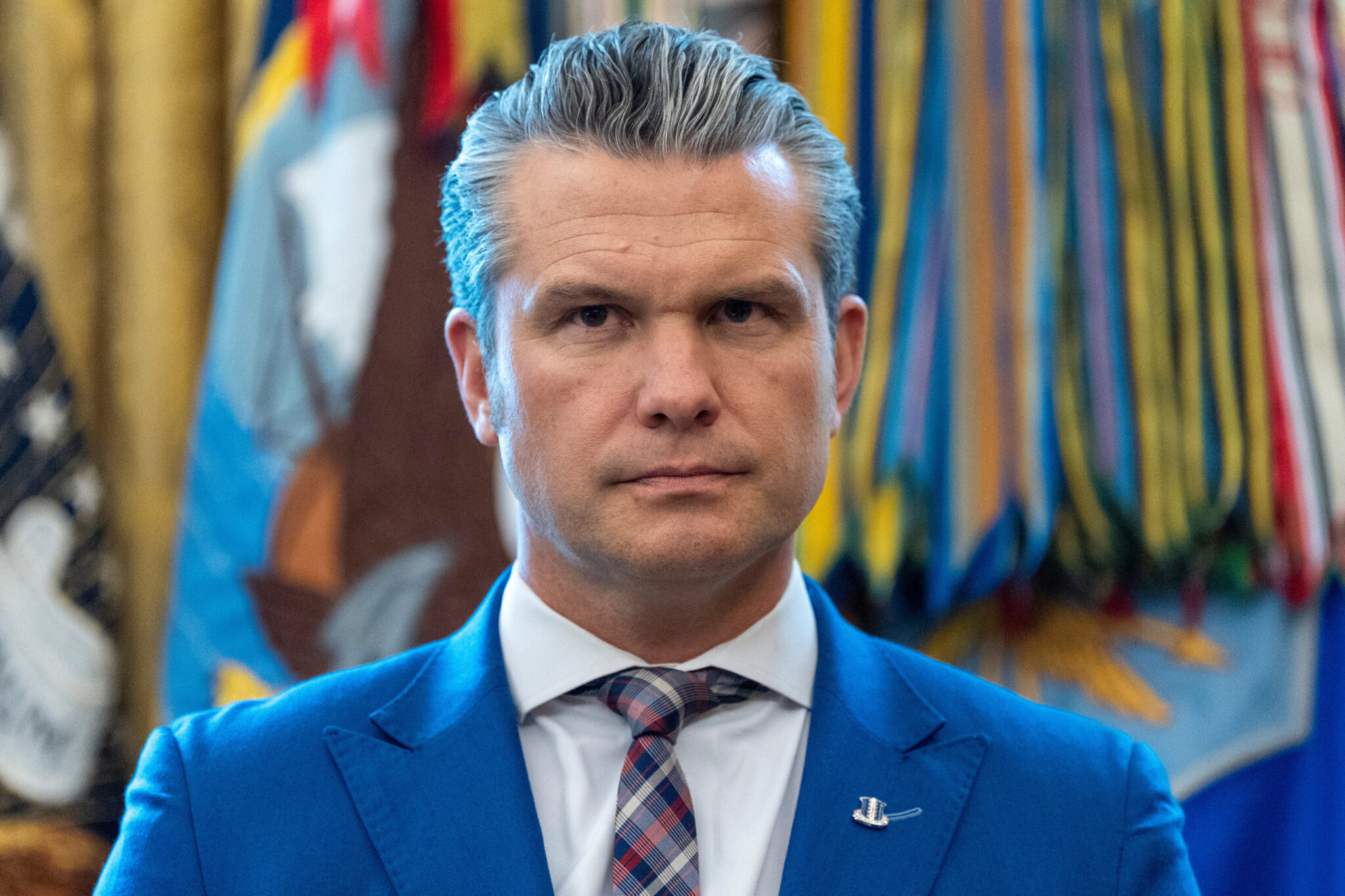
Hegseth, Rubio Face Congress Over Venezuela Boat Strikes/ Newslooks/ WASHINGTON/ J. Mansour/ Morning Edition/ Top Trump officials, including Pete Hegseth and Marco Rubio, return to Capitol Hill to answer lawmakers’ questions about deadly U.S. boat strikes near Venezuela. The briefings follow growing concern over military escalation and lack of transparency. Congress is pressing for video evidence and legal justification amid bipartisan scrutiny.
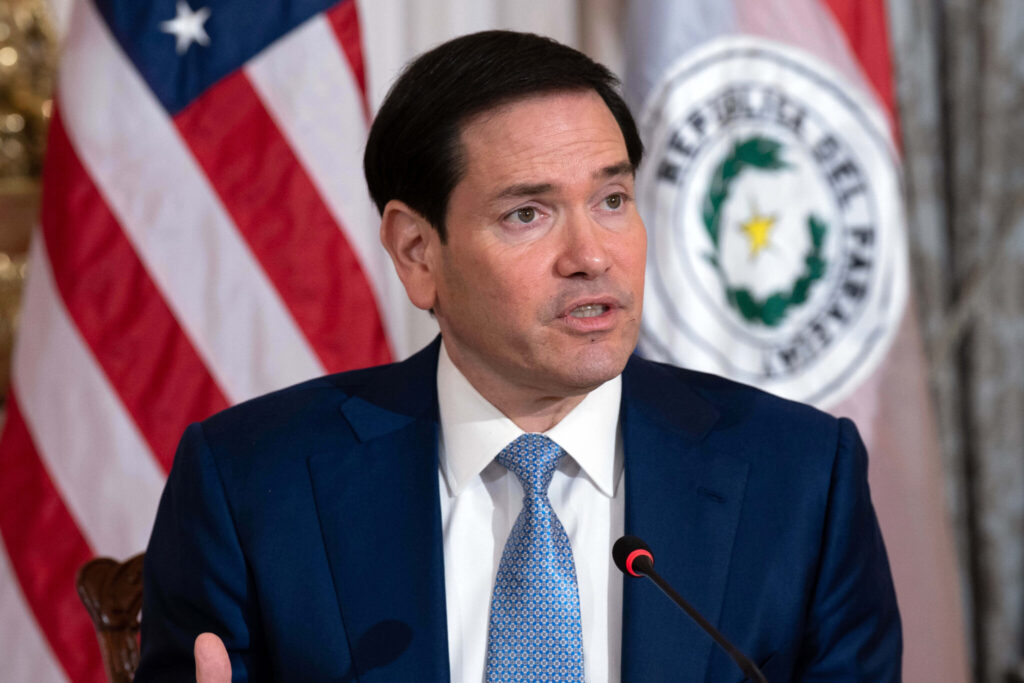
U.S. Boat Strikes and Venezuela Tensions: Quick Looks
- Defense Secretary Hegseth and Secretary of State Rubio will brief lawmakers Tuesday.
- Congressional investigations focus on deadly Sept. 2 boat strike near Venezuela.
- U.S. military campaign has destroyed 20+ boats, killed at least 95 people.
- Critics question legality and morality of killing drug suspects at sea.
- Trump administration bypassed Congress on military escalation in the region.
- Latest strikes killed 8 more people in Pacific on Monday.
- Congress demands release of strike footage; war powers resolutions under discussion.
- Legal experts cite violations of laws of war in strike on survivors.
- Rubio and Hegseth face bipartisan scrutiny over lack of transparency and oversight.
- Admiral Bradley to give classified briefings on mission decisions this week.
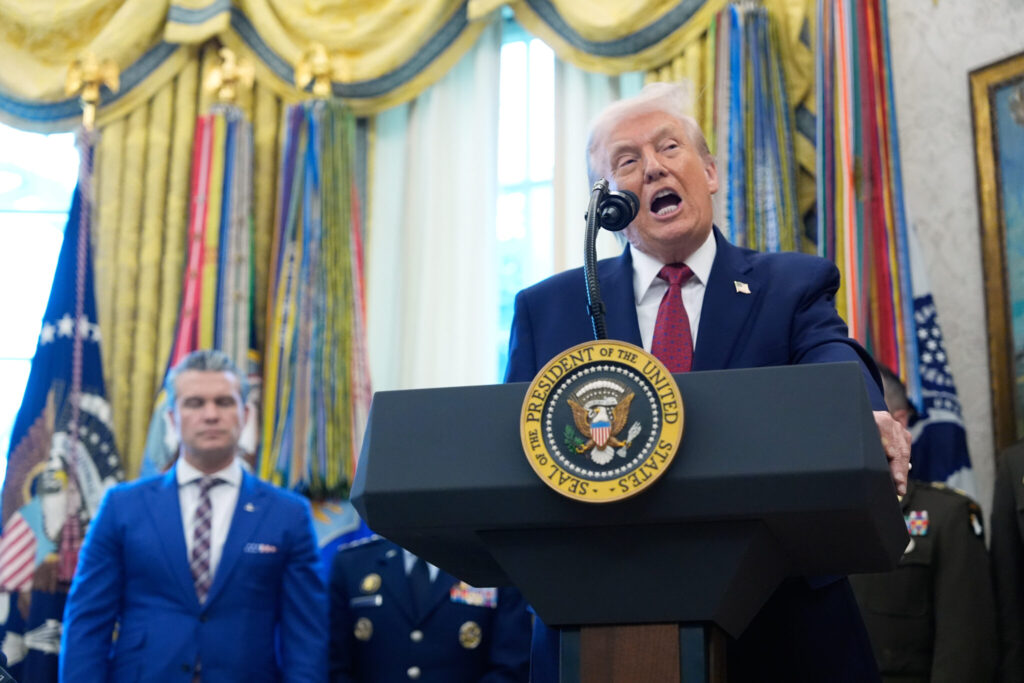
Deep Look
Congress Grills Trump Officials Over Boat Strikes and Venezuela Military Campaign
As tensions escalate in international waters near Venezuela, President Donald Trump’s top national security officials are set to face a wave of congressional scrutiny over a series of deadly U.S. military strikes. Defense Secretary Pete Hegseth and Secretary of State Marco Rubio will brief both the Senate and House on Tuesday in closed-door sessions regarding a controversial campaign targeting alleged drug traffickers, which critics claim is veering into unauthorized military conflict.
The briefings come amid growing outrage over a specific U.S. strike on September 2 that killed two people who had survived an earlier attack on a suspected drug-running boat in the Caribbean. Lawmakers are not only questioning the legality of that operation, but the broader intent of the Trump administration’s military posture in the region — particularly its focus on Venezuela and its leader, Nicolás Maduro.
On the eve of Tuesday’s briefings, the Pentagon revealed it had carried out three more strikes in the eastern Pacific, destroying boats believed to be used for drug smuggling and killing eight more people. These latest developments only intensify pressure on administration officials, who have provided minimal transparency to Congress about the campaign’s scope or objectives.
Senate Majority Leader Chuck Schumer criticized the lack of clarity, saying, “We have thousands of troops and our largest aircraft carrier in the Caribbean — but zero, zero explanation for what Trump is trying to accomplish.”
Despite the scale of the military build-up — including warships, fighter jets flying near Venezuelan airspace, and the seizure of an oil tanker — the Trump administration has not requested or received congressional authorization for its actions. As a result, lawmakers from both parties are advancing war powers resolutions that could challenge the legality of continued operations without legislative approval.
Legal and Moral Questions Around the Sept. 2 Strike
Central to the current controversy is the U.S. strike on September 2, where two individuals were killed after surviving an initial attack on their boat. The administration argues the individuals posed a threat and were attempting to overturn the wrecked vessel, possibly to retrieve drugs hidden in the hull. However, reports from lawmakers briefed on the event indicate that the survivors were clinging to the boat, unarmed, waving for help, and had made no communication for reinforcement.
Adm. Frank “Mitch” Bradley, who ordered the second strike, admitted during a closed briefing that the two individuals were unlikely to succeed in reactivating or overturning the boat. The admiral consulted a military attorney before ordering the second strike, claiming the goal was to ensure the destruction of suspected narcotics. Yet legal experts argue that the individuals were shipwrecked and should have been protected under international law.
Michael Schmitt, a former Air Force attorney and law professor, stated: “The boat was damaged, the boat was overturned, and the boat had no power. I don’t care if another boat was coming — they’re shipwrecked.”
Indeed, the Pentagon’s own manual forbids attacking shipwrecked individuals, defining such actions as “clearly illegal.” This legal gray area is at the heart of congressional and public concern.
Demand for Transparency Grows
Lawmakers are now demanding the Pentagon release the video footage of the September 2 strike, which has become emblematic of what critics see as a dangerously unchecked military campaign.
Republican Sen. Rand Paul has been especially vocal, saying, “The American public ought to see it. Shooting unarmed people floundering in the water, clinging to wreckage, is not who we are.”
Despite the mounting pressure, Defense Secretary Hegseth told Congress last week he was still deliberating whether to release the footage.
While some Republicans remain staunchly supportive of the campaign, claiming it disrupts drug trafficking and protects American lives, others are disturbed by the administration’s approach. Sen. Jim Risch, the Republican chair of the Senate Foreign Relations Committee, insists the strikes are legal under both U.S. and international law.
Still, inconsistencies in the administration’s explanations have only fueled congressional skepticism. While Trump argues the survivors posed an ongoing threat, Bradley’s testimony suggests otherwise. Lawmakers now suspect the justification for the campaign may be more political than strategic, with suspicions that its true aim is regime change in Venezuela.
What’s Next: Classified Briefings and Possible Votes
The briefings from Hegseth and Rubio on Tuesday will be followed by additional classified sessions with Adm. Bradley on Wednesday. Lawmakers are expected to press for greater clarity on the intelligence used to justify the strikes and whether the military followed rules of engagement and international maritime law.
Sen. Thom Tillis of North Carolina said, “I want to really understand what action, what intelligence they were acting on, and whether or not they followed the laws of war, the laws of the sea.”
With bipartisan concerns mounting and legal experts raising alarms, the Trump administration faces increasing pressure to clarify its goals in Venezuela, justify its military actions, and ensure proper congressional oversight moving forward.