

Hegseth: US ‘Can’t Stop Everything’ That Iran Fires, Asserts Air Dominance/ Newslooks/ WASHINGTON/ J. Mansour/ Morning Edition/ Defense Secretary Pete Hegseth said the U.S. cannot intercept every Iranian missile or drone attack despite claiming growing air dominance over Iran. The Pentagon warned that American troops remain at risk as the conflict with Iran expands. Officials say the war could last weeks or longer depending on battlefield developments.


US Iran War Air Defense Warning Quick Looks
- Defense Secretary Pete Hegseth says the U.S. cannot intercept every Iranian attack.
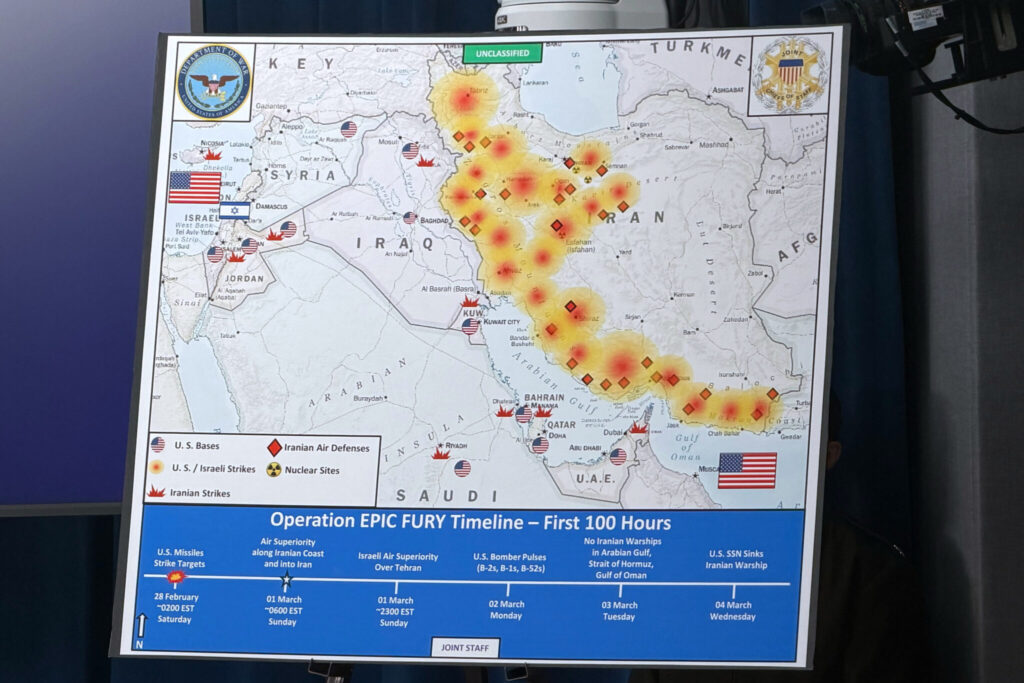
- The Pentagon claims U.S. forces are gaining control of Iranian airspace.
- American air defenses have been strengthened across the Middle East region.
- Officials warn U.S. troops remain in danger as the conflict escalates.
- Six American soldiers were killed in an Iranian drone strike in Kuwait.
- The war could last several weeks or potentially longer.
- Additional U.S. fighter jets and bombers are being deployed to the region.
- Iran has threatened broader attacks on regional military and economic infrastructure.
US Iran War Air Defense Warning Deep Look
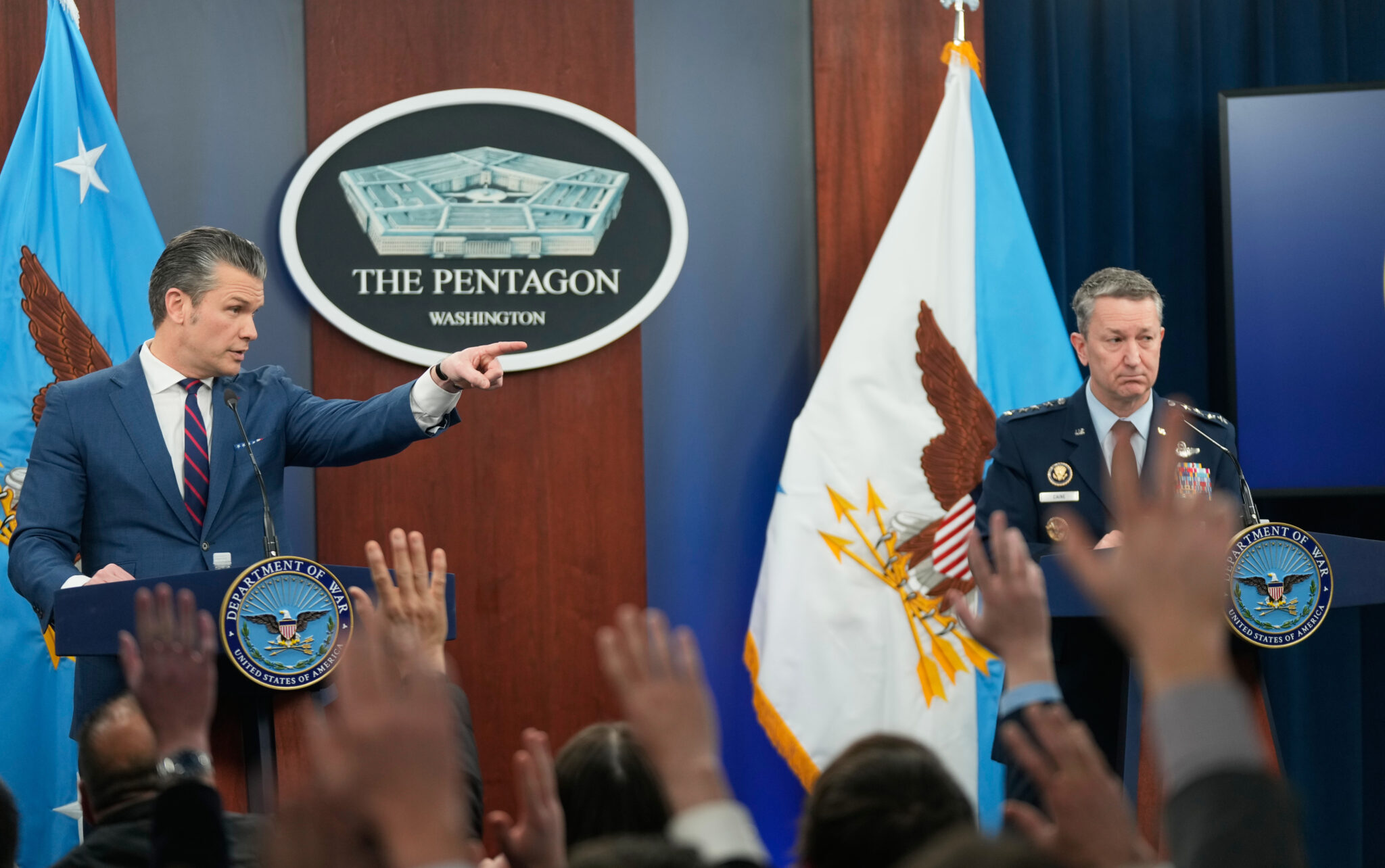
Defense Secretary Pete Hegseth acknowledged Wednesday that the United States cannot guarantee complete protection from Iranian missile or drone attacks, even as he insisted that American military forces are steadily gaining dominance over Iran’s airspace.
Speaking to reporters at the Pentagon, Hegseth said the U.S. military has invested heavily in strengthening air defenses across the Middle East following the outbreak of war between Iran and a U.S.-Israel coalition.
Despite those efforts, the defense secretary cautioned that modern warfare makes it impossible to intercept every incoming threat.
“This does not mean we can stop everything,” Hegseth said. “But we ensured that the maximum possible defense and maximum possible force protection was set up before we went on offense.”
Rising Risks for U.S. Troops
The warning comes as the conflict continues to intensify and American troops stationed throughout the region face growing threats from Iranian missiles, drones and proxy forces.
Military leaders have been preparing the public for the likelihood of additional casualties as the war expands.
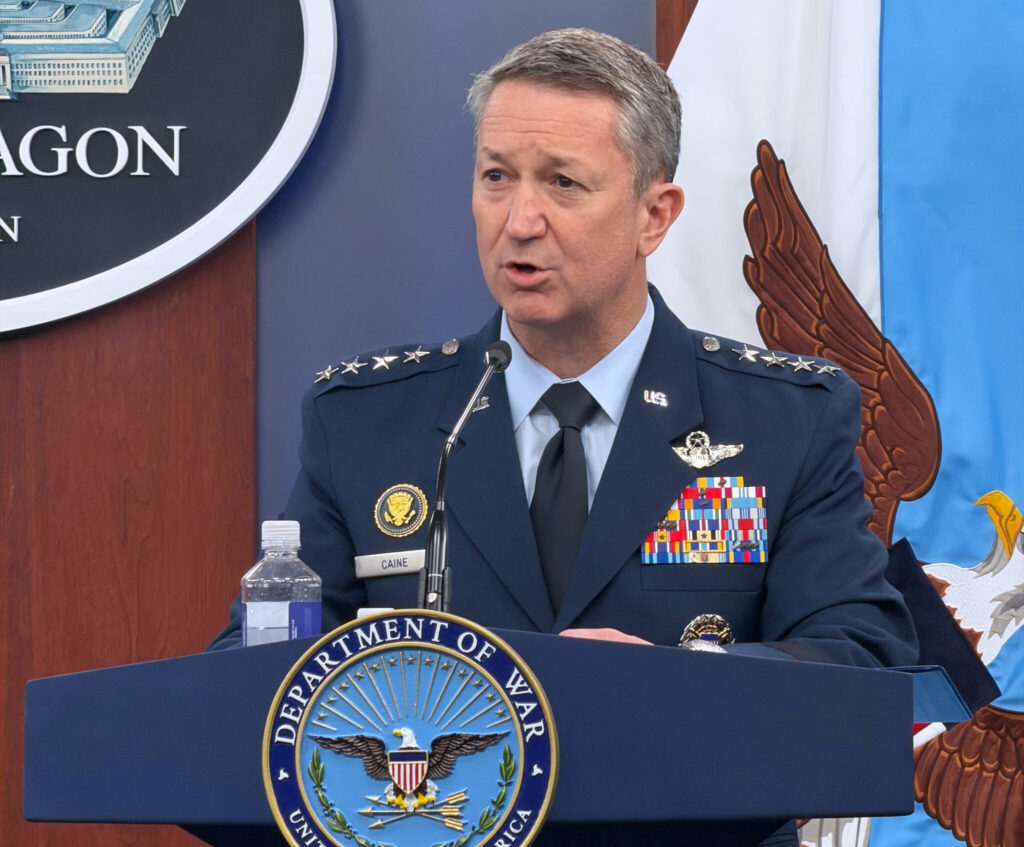
Gen. Dan Caine, chairman of the Joint Chiefs of Staff, emphasized that the dangers facing U.S. service members remain significant.
“U.S. service members remain in harm’s way,” Caine said during the Pentagon briefing. “We must be clear-eyed that the risk is still high.”
Those risks became tragically clear over the weekend when an Iranian drone strike hit an operations center in Kuwait, killing six American soldiers.
The strike targeted a logistics facility located at a civilian shipping port, several miles away from the main U.S. Army base in the country. According to family members of one of the soldiers killed in the attack, the facility consisted of a container-style structure that had little defensive protection against aerial threats.
The incident highlighted the vulnerabilities faced by support and supply units operating outside heavily fortified military installations.
U.S. Expands Military Presence
In response to the expanding conflict, the Pentagon is deploying additional military assets to the Middle East.
Hegseth said more fighter jets, bombers and support forces are continuing to arrive in the region to reinforce U.S. operations and strengthen deterrence against Iran.
He also stressed that the United States maintains overwhelming military resources and is prepared to sustain a prolonged conflict if necessary.
“We will take all the time we need to make sure that we succeed,” Hegseth said.
War Timeline Remains Uncertain
While early estimates suggested the conflict could last around four weeks, Pentagon officials now acknowledge that the timeline remains uncertain.
Hegseth suggested the war could stretch to six or even eight weeks depending on how events unfold on the battlefield.
“You can say four weeks, but it could be six, it could be eight, it could be three,” he said. “Ultimately, we set the pace and the tempo. The enemy is off balance, and we’re going to keep them off balance.”
President Donald Trump has offered similar estimates, saying earlier this week that the military campaign could last four to five weeks but warning that the United States is prepared to extend operations if needed.
Iran Signals Continued Escalation
Meanwhile, Iranian leaders have issued increasingly aggressive warnings about the conflict’s future.
Officials in Tehran have vowed to strike back against American and allied targets across the Middle East and threatened to destroy military and economic infrastructure throughout the region.
Such threats suggest the war could spread further, potentially drawing in additional countries and destabilizing an already volatile region.
Despite the uncertainty, U.S. military leaders say they are confident that American forces hold a decisive advantage in the air and will continue pressing operations against Iranian targets.
For now, however, the Pentagon is making clear that even with superior technology and air power, the risks to American troops and regional allies remain real.






You must Register or Login to post a comment.