

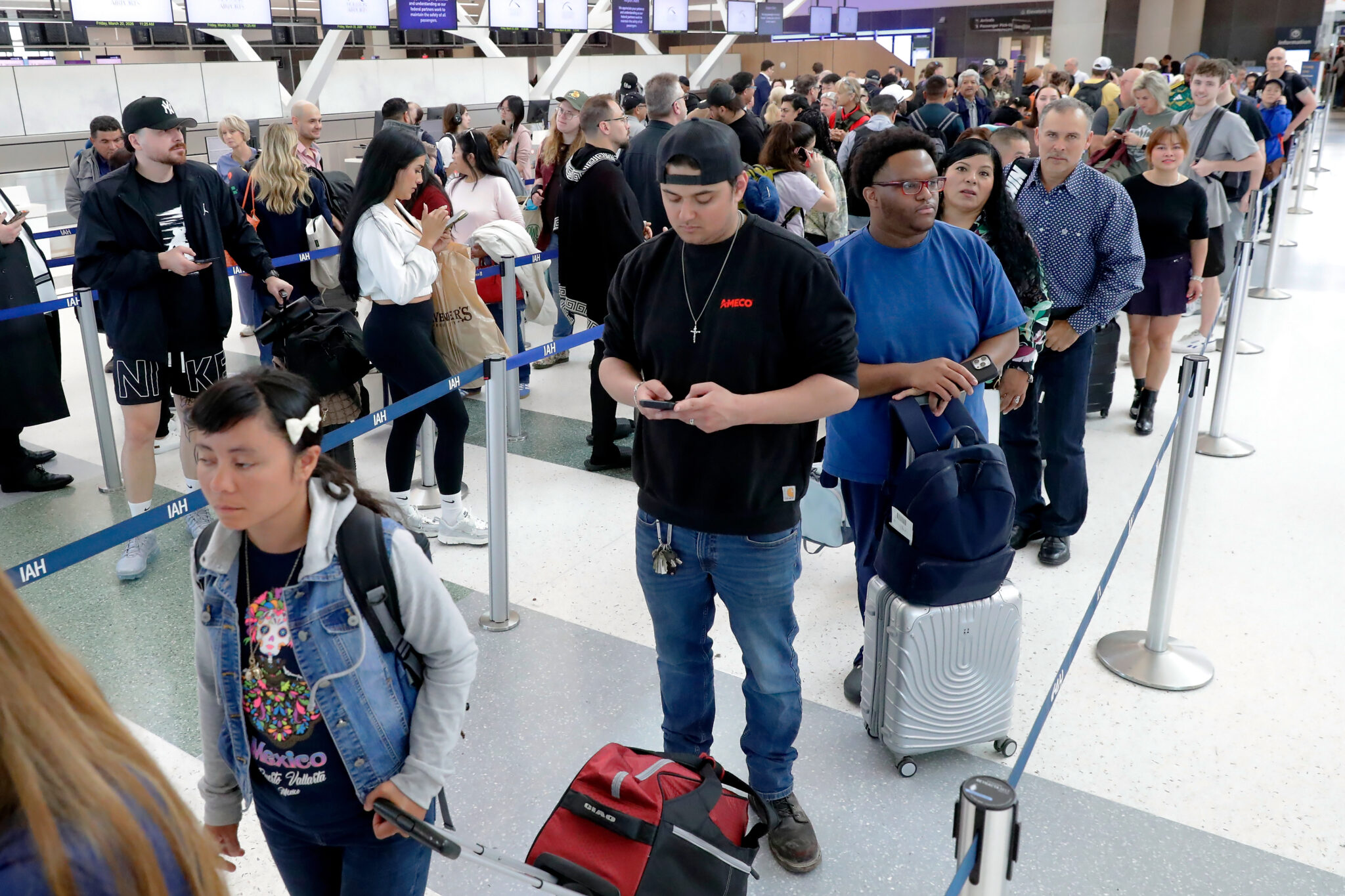
Homeland Security Funding Bill Fails Amid Airport Delay Concerns/ Newslooks/ WASHINGTON/ J. Mansour/ Morning Edition/ A Senate bill to fund Homeland Security failed again Friday. Lawmakers remain divided over immigration policy demands. Airport delays worsen as TSA workers continue unpaid work.
Homeland Security Funding Bill Quick Looks
- Senate fails to advance DHS funding bill again
- Democrats push for separate TSA-only funding plan
- Airport wait times increasing nationwide
- Lawmakers negotiating behind closed doors
- Dispute centers on immigration enforcement policies
- Shutdown threatens extended travel disruptions
Deep Look: Homeland Security Funding Bill Fails Amid Airport Delay Concerns
Efforts to fund the Department of Homeland Security hit another roadblock in the Senate, intensifying concerns about worsening airport delays and prolonged disruptions for travelers across the United States.
The funding bill failed to advance after Democrats declined to provide the necessary support, leaving the agency partially unfunded and thousands of employees — including Transportation Security Administration (TSA) officers — working without pay. The ongoing standoff has now stretched for weeks, with visible consequences emerging at major airports nationwide.
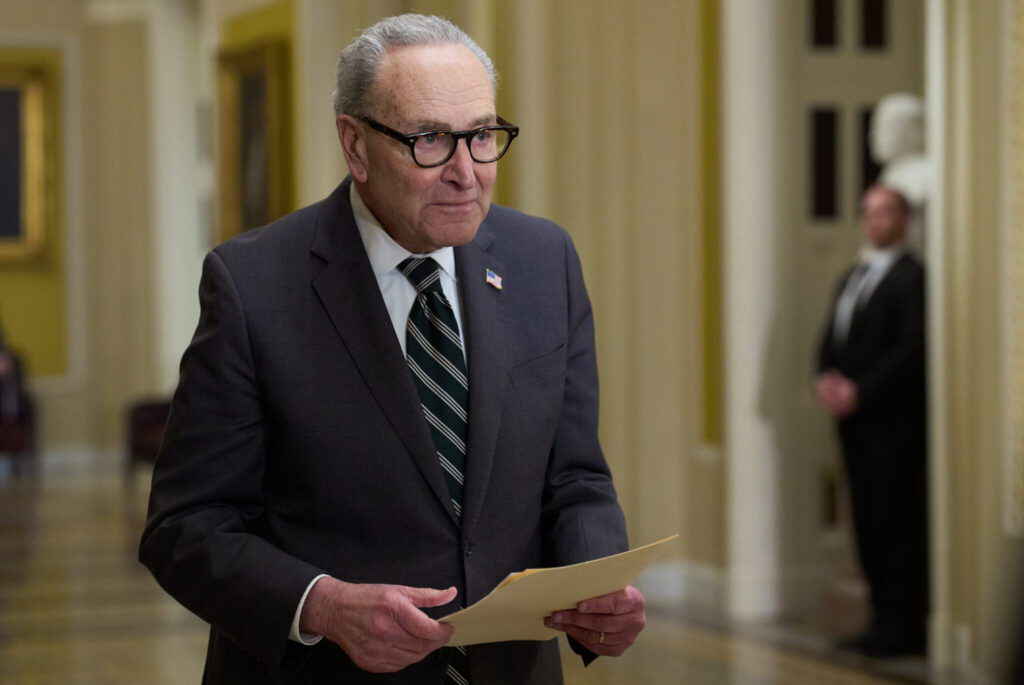
Senate Democratic leader Chuck Schumer announced plans to introduce an alternative proposal that would fund only the TSA, the agency responsible for screening passengers and luggage. However, that measure is also expected to face significant resistance, as Republicans insist on funding the entire Homeland Security Department rather than approving piecemeal solutions.
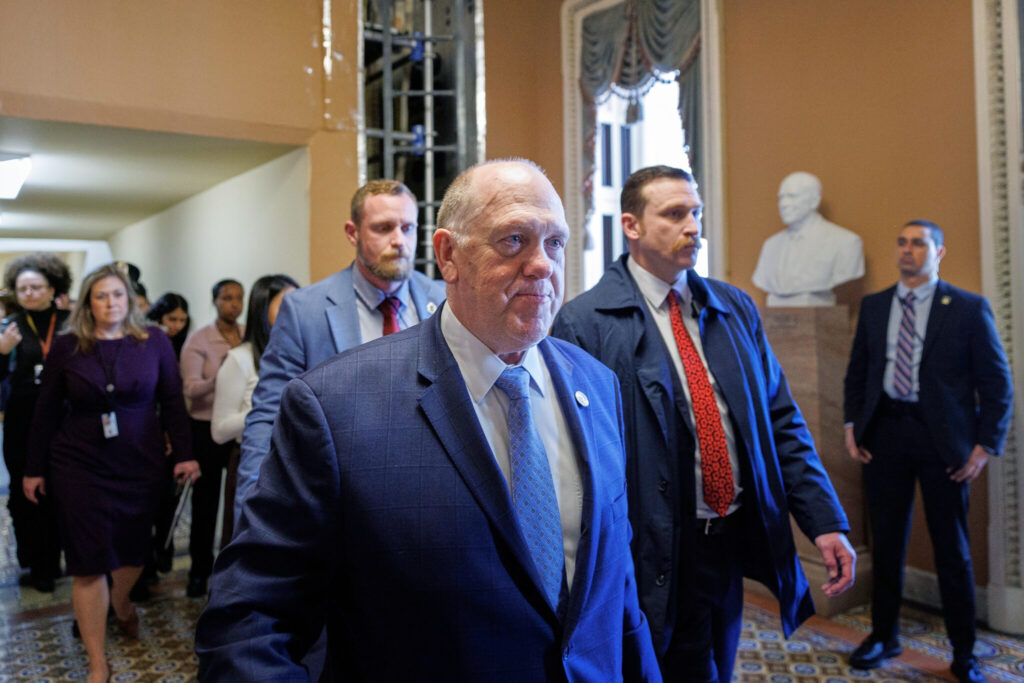
Behind closed doors, negotiations showed signs of movement. White House border czar Tom Homan met for a second consecutive day with a bipartisan group of senators in an effort to break the impasse. While details of the discussions were not publicly disclosed, lawmakers indicated that talks remain ongoing, though gaps between the two sides persist.
Republican Sen. Susan Collins, who chairs the Senate Appropriations Committee, said the White House had revised its offer in hopes of reaching an agreement. She described the proposal as “fair and reasonable” but noted that progress depends on whether Democrats respond with a counteroffer.
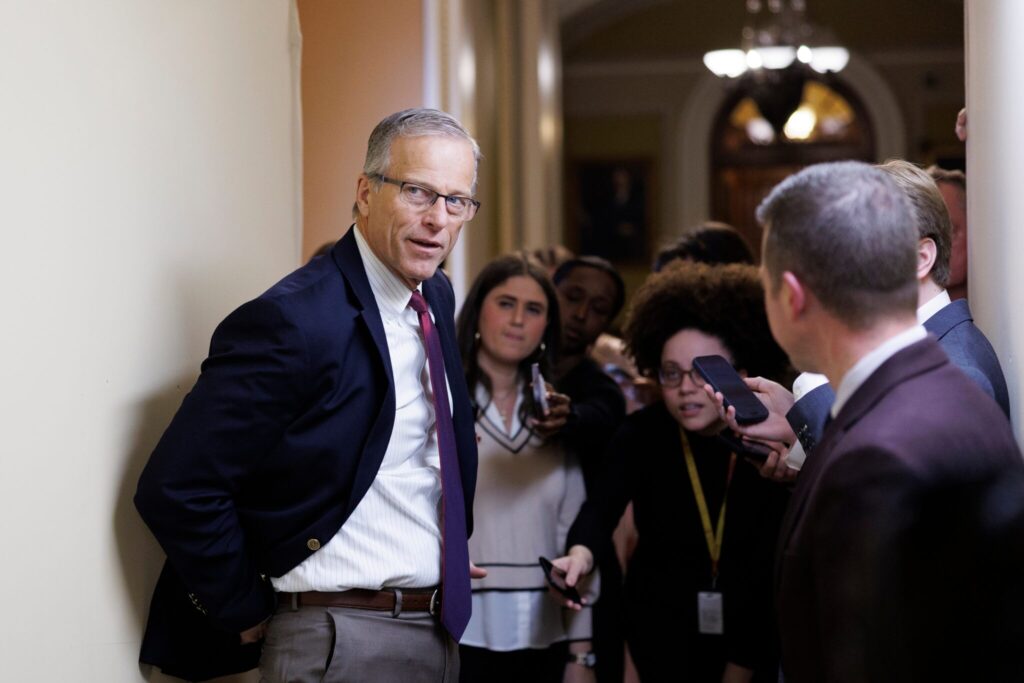
Senate Majority Leader John Thune acknowledged that there may be room for compromise, pointing to what he called “deal space” emerging from recent discussions. Still, he questioned whether Democrats are willing to support additional funding for Immigration and Customs Enforcement, a central sticking point in the negotiations.
“This needs to be fixed,” Thune said, referencing the growing impact on travelers. “You’ve got people standing in lines at the airports.”
Democrats argue that any funding agreement must include reforms to immigration enforcement practices. Their demands follow the fatal shootings of two individuals in Minneapolis earlier this year, incidents that have fueled calls for increased oversight of federal agents.
Proposed changes include requiring ICE agents to obtain judicial warrants before entering homes, mandating visible identification on uniforms, restricting the use of masks, and expanding the use of body-worn cameras. Democrats also want limits placed on enforcement actions in sensitive locations such as schools, hospitals and places of worship.
“The American people have had enough,” said Sen. Patty Murray, emphasizing the need for accountability and reform within immigration agencies.
The Trump administration has signaled some willingness to adjust policies, including expanding body camera usage and restricting certain enforcement activities. Officials have also pointed to leadership changes within the Department of Homeland Security as evidence of efforts to address concerns.
Despite these developments, a comprehensive agreement remains elusive.
Meanwhile, the effects of the funding lapse are becoming increasingly apparent at airports. TSA workers, classified as essential employees, are required to continue working without pay. As financial strain grows, absentee rates have begun to rise, leading to longer wait times at security checkpoints.
Passengers at major airports have reported delays stretching into hours, with some missing flights altogether. The situation is expected to worsen if the shutdown continues, particularly as staffing shortages deepen.
Lawmakers face mounting pressure to reach a resolution before Congress is scheduled to leave Washington for a two-week Easter recess. Thune has warned that the break could be canceled if the impasse is not resolved, underscoring the urgency of the situation.
“I can’t see us taking a break if the government is still shut down,” he said.
As negotiations continue, both sides remain entrenched in their positions. For travelers, the political stalemate is translating into longer lines, increased uncertainty and growing frustration at airports nationwide.
Until a funding agreement is reached, the strain on both TSA workers and the traveling public is likely to persist.





You must Register or Login to post a comment.