

Homeland Security Shutdown Likely to Continue as House Considers Senate Plan/ Newslooks/ WASHINGTON/ J. Mansour/ Morning Edition/ The Department of Homeland Security shutdown is expected to extend into next week as lawmakers debate funding. Republican leaders and President Trump now support a two-step funding strategy. Disagreements over immigration enforcement funding continue to stall a resolution.
Homeland Security Shutdown Quick Looks
- DHS shutdown enters 48th day
- House considering Senate funding proposal
- Immigration enforcement funding remains unresolved
- Trump supports two-step funding plan
- Speaker Johnson reverses earlier opposition
- Senate bipartisan plan funds most DHS operations
- ICE and Border Patrol funding delayed
- Some Republicans oppose partial funding approach
- TSA staffing issues create airport delays
- Employees working without pay during shutdown
- Congress on spring recess without resolution
- Lawmakers aiming for funding legislation by June
Deep Look: Homeland Security Shutdown Likely to Extend Into Next Week
WASHINGTON — The partial shutdown of the Department of Homeland Security is expected to stretch into next week as House lawmakers weigh a Senate-approved funding proposal that excludes key immigration enforcement agencies, prolonging a standoff now entering its seventh week.
Congress made little progress Thursday, with both the House and Senate holding brief pro forma sessions without taking action. The shutdown has now reached 48 days, leaving thousands of federal workers unpaid and disrupting some government services.
Despite the continued stalemate, Republican leadership and President Donald Trump have aligned behind a two-step strategy aimed at ending the impasse. The plan would first fund most of the Department of Homeland Security, followed by a separate effort to fund immigration enforcement operations such as U.S. Immigration and Customs Enforcement and U.S. Border Patrol.
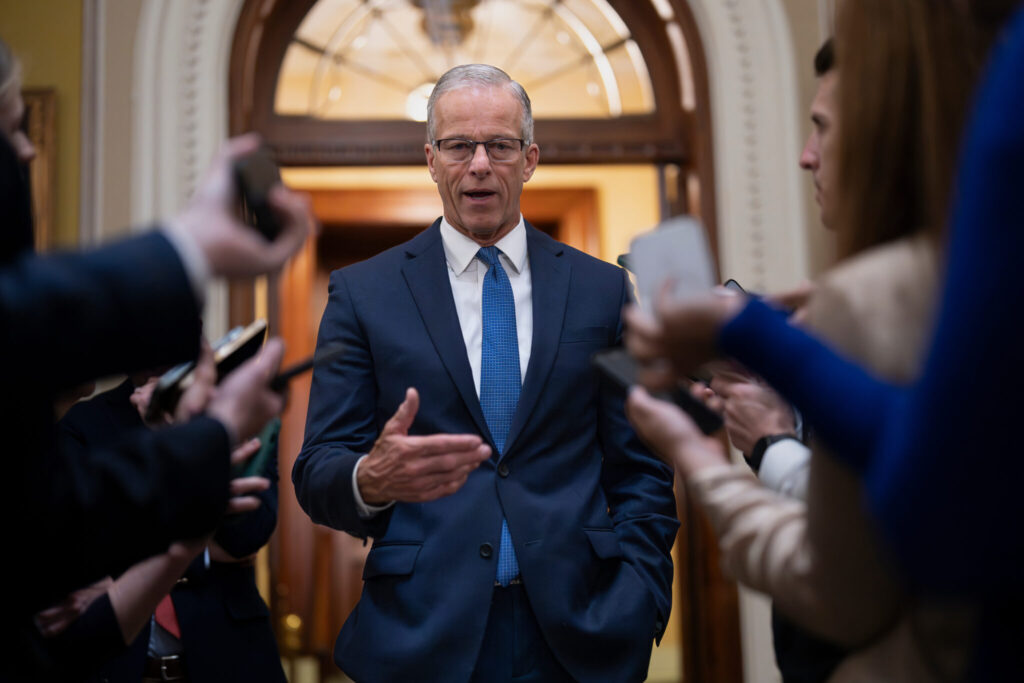
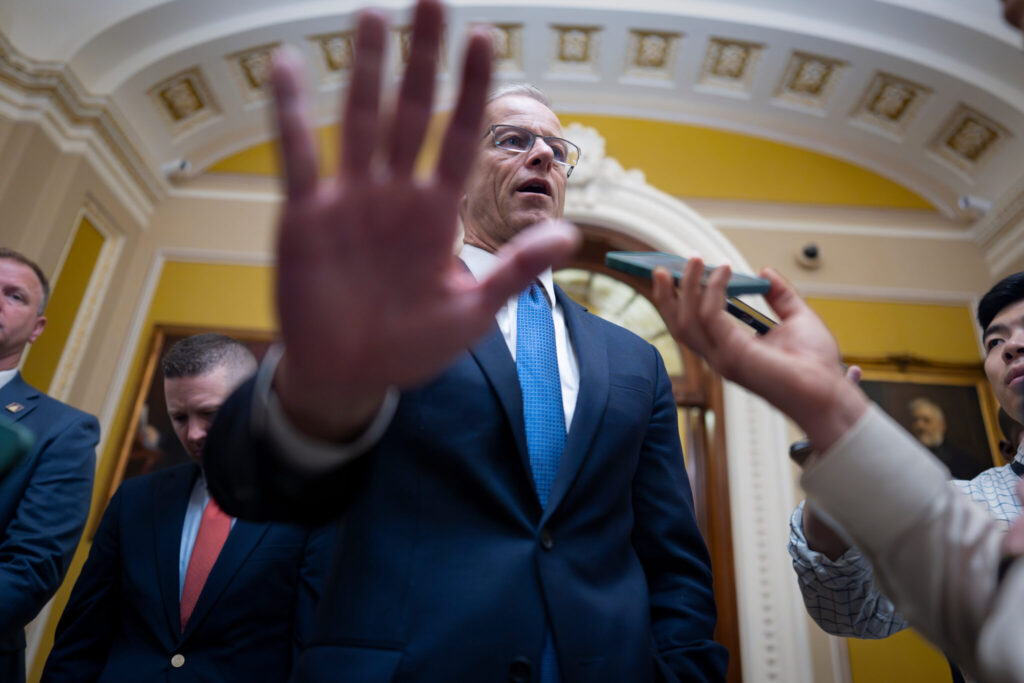
Senate Majority Leader John Thune said he expects the House to eventually take up the Senate’s bipartisan funding measure, though uncertainty remains.
“I don’t know the particulars around what the House will do with it,” Thune told reporters. “My assumption is, at some point, hopefully, they’ll move it.”
Speaker Johnson Changes Course
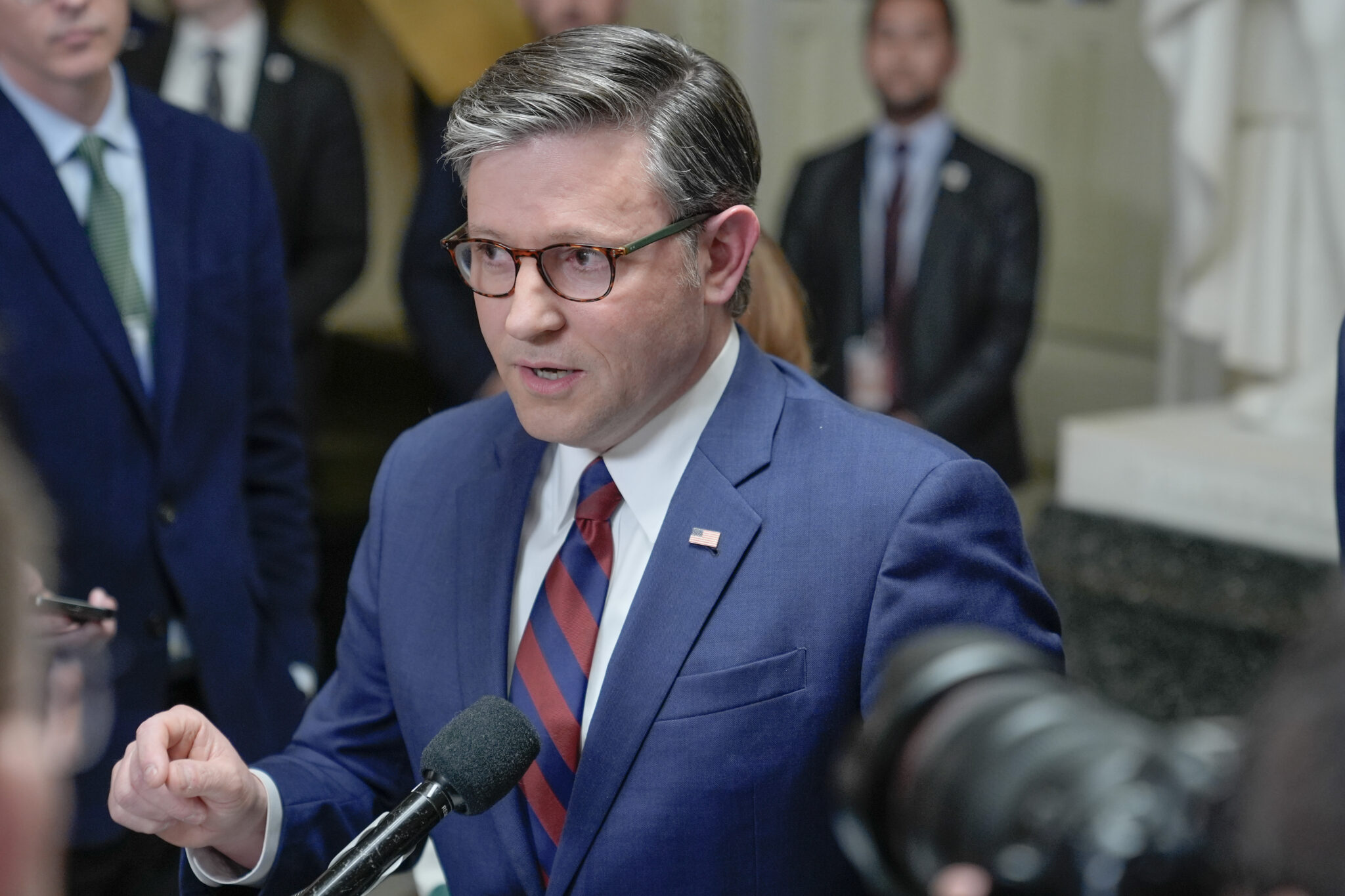
House Speaker Mike Johnson’s support for the Senate plan represents a significant shift. Just days earlier, Johnson had criticized the proposal, calling it inadequate and expressing skepticism about Senate Republicans’ support.
Now, Johnson and Thune appear to be working together to move forward with the two-step approach. However, the strategy faces resistance from conservative Republicans who insist on full funding for immigration enforcement agencies.
House Republicans planned a conference call Thursday to discuss next steps and gauge support for the compromise.
Thune acknowledged the political realities shaping the negotiations.
“The thing that some people want to do, we can’t do,” he said. “You have to figure out what’s in the realm of the possible.”
Immigration Funding Remains Major Hurdle
The Senate’s bipartisan funding plan would keep most DHS operations running but exclude funding for Immigration and Customs Enforcement and Border Patrol.
Republicans plan to address those agencies later through party-line legislation, which could take months to complete.
Democrats support the Senate proposal and have blamed Republican divisions for prolonging the shutdown.
Senate Democratic Leader Chuck Schumer criticized the delay, saying Republican disagreements disrupted a bipartisan agreement.
Meanwhile, conservative Republicans remain opposed to partial funding.
Rep. Scott Perry of Pennsylvania warned that excluding immigration agencies amounts to defunding law enforcement and weakening border security.
“If that’s the vote, I’m a NO,” Perry wrote on social media.
Trump Pushes Long-Term Funding Plan
President Trump has called for broader legislation to fund ICE and Border Patrol through the remainder of his term. The administration hopes to deliver that package by June 1.
Senate leaders acknowledged challenges in passing the measure, including efforts to expand the bill with unrelated provisions.
Thune emphasized the need for a narrow bill to speed passage.
“We need to move with haste,” he said.
Impact on Workers and Travelers
Although most DHS employees have continued working during the shutdown, many have gone without pay. The situation has strained operations, particularly at airports.
Transportation Security Administration staffing shortages led to long security lines at some airports. Those delays began easing after TSA workers started receiving back pay following an executive order signed by Trump.
Still, the prolonged shutdown continues to create uncertainty for employees and travelers alike.
With Congress on spring recess and divisions remaining within the Republican Party, lawmakers face mounting pressure to reach an agreement and restore full funding to the Department of Homeland Security.
Until then, the shutdown is likely to extend into next week — and possibly beyond — as negotiations continue.






You must Register or Login to post a comment.