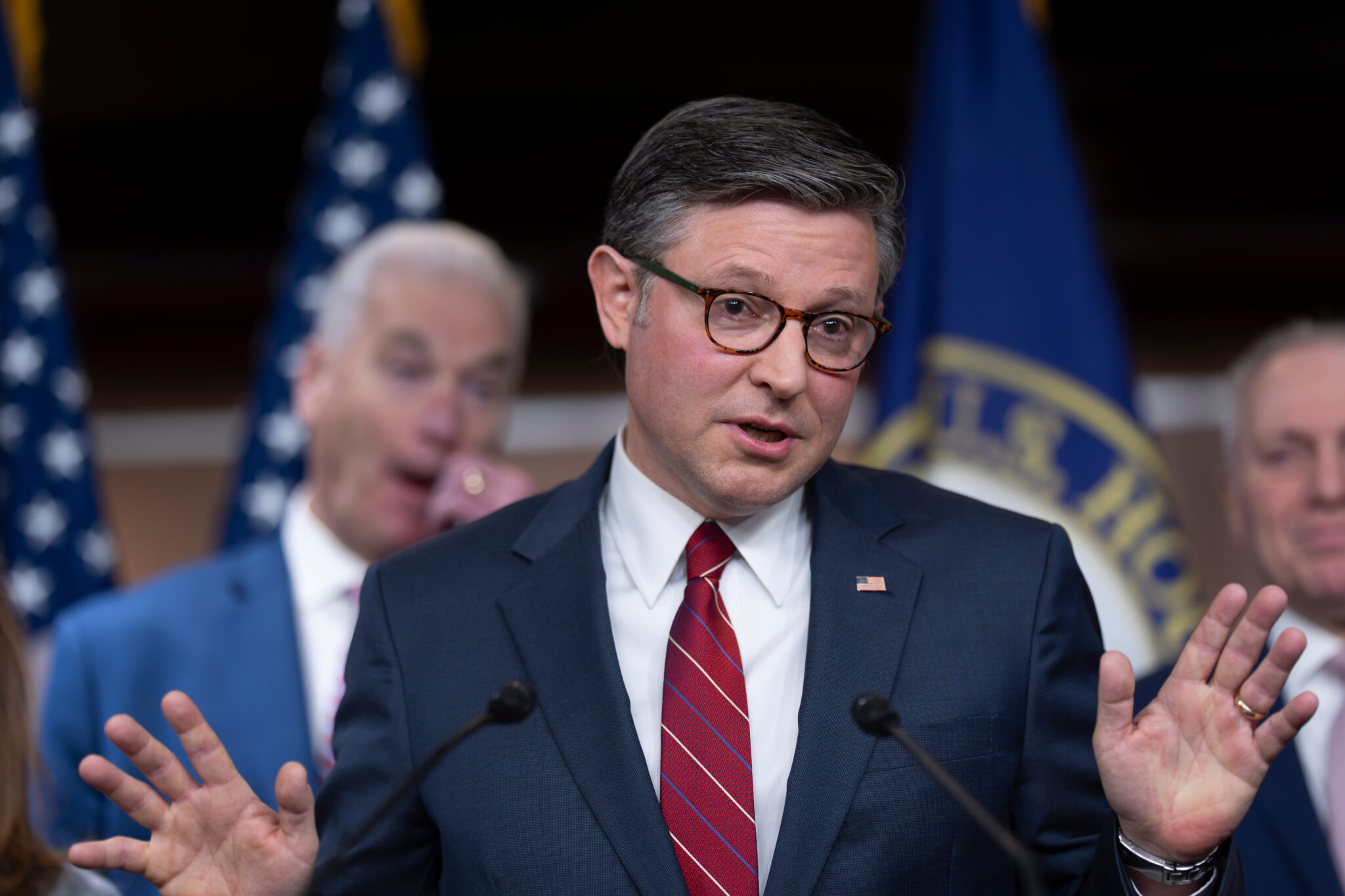
House Passes Funding Bill to End Partial Government Shutdown/ Newslooks/ WASHINGTON/ J. Mansour/ Morning Edition/ The House passed a bill to end the partial government shutdown after a razor-thin procedural vote. The package funds most federal agencies through September, with temporary funding for DHS as immigration debates continue. President Trump has backed the bill and promised to sign it once passed.
Shutdown Deal Quick Looks
- House advanced a shutdown-ending bill with a narrow 217–215 procedural vote.
- Final vote imminent; measure funds most of government through Sept. 30.
- DHS receives only short-term funding through Feb. 13 amid ICE enforcement debate.
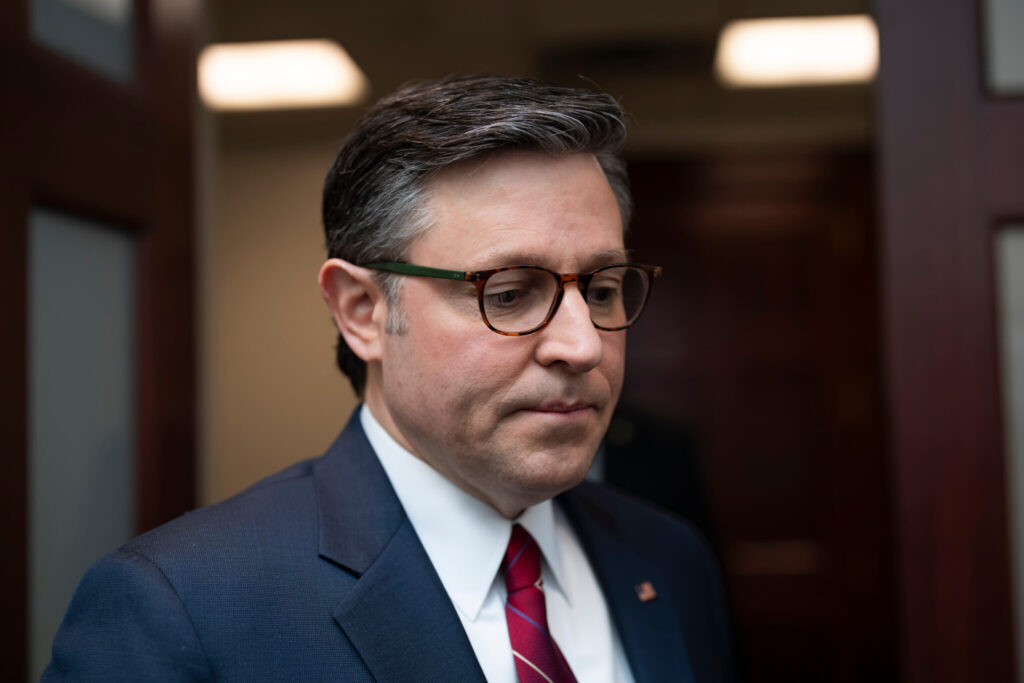
- Speaker Mike Johnson relied on near-unanimous GOP support to move forward.
- Trump urged Republicans to unify and avoid a prolonged shutdown.
- Democrats declined to support the procedural vote over GOP-linked clauses.
- The SAVE Act voter ID proposal threatened to derail negotiations but was deferred.
- Earlier fall shutdown lasted 43 days and involved ACA subsidy disputes.
- This shutdown began Saturday; service members and workers risk missed paychecks.
- Senate passed the funding package Friday; Trump says he will sign it.
Deep Look: House Passes Funding Bill to End Partial Government Shutdown
WASHINGTON (AP) —Speaker Mike Johnson’s ability to carry out President Donald Trump’s “play call” for funding the government looks promising ahead of a House vote this afternoon on a bill to end the partial shutdown.
Johnson found success earlier in the day when House Republicans managed to keep their slim majority to clear the bill during a key procedural vote.
Only one Republican, Rep. Thomas Massie of Kentucky, joined all House Democrats in voting against moving forward with the bill.
The measure would end the partial government shutdown that began Saturday, funding most of the federal government through Sept. 30 and the Department of Homeland Security for two weeks as lawmakers negotiate potential changes for U.S. Immigration and Customs Enforcement, or ICE.
The House is moving closer to ending the partial government shutdown, after Speaker Mike Johnson secured just enough Republican votes Tuesday afternoon to advance a comprehensive spending bill toward final passage.
The chamber voted 217–215 to clear the procedural hurdle, holding the vote open nearly an hour while House GOP leaders worked behind the scenes to sway holdouts. The bill now heads for a final vote expected shortly and is poised to reach President Donald Trump, who has pledged to sign it into law.
The bill would finalize 11 of the 12 annual appropriations measures, securing funding for most of the federal government through September 30. It also includes a short-term extension for the Department of Homeland Security (DHS), lasting until February 13, as lawmakers continue to debate contentious immigration and enforcement policy.
Trump’s Strategy and Johnson’s Balancing Act
Trump took to Truth Social Monday, urging Republicans to unite behind the deal and resist changes. “There can be NO CHANGES at this time,” he wrote, adding that a prolonged shutdown would harm both parties.
Johnson credited Trump’s leadership, calling the funding approach the former president’s “play call.” “We have to work through individual members’ concerns,” Johnson told reporters. “It’s a consensus building operation.”
Still, the narrow procedural win highlights the pressure Johnson faces in a closely divided House, where GOP control now stands at 218-214 following Saturday’s special election in Texas. With virtually no margin for dissent, Johnson continues to thread a needle between hardliners and pragmatists.
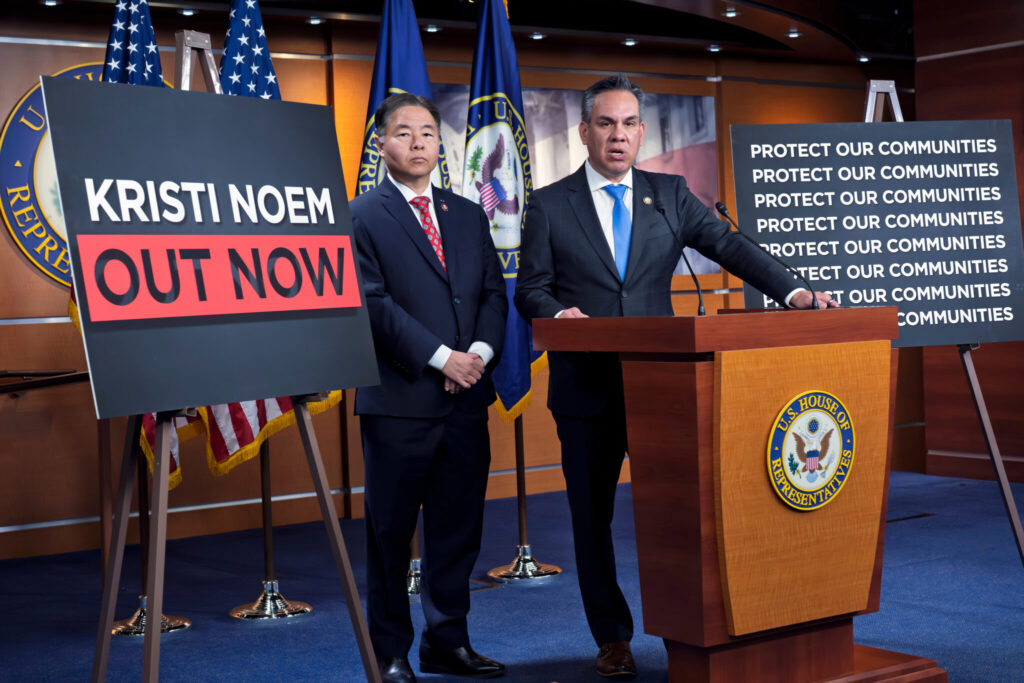
Democrats Reject Procedural Vote, Cite Controversial Add-ons
While some Democrats are expected to support the final bill, they refused to back Tuesday’s procedural vote, citing its inclusion of resolutions to hold Bill and Hillary Clinton in contempt of Congress tied to the Jeffrey Epstein investigation.
House Democratic Leader Hakeem Jeffries criticized the process:
“If they have some massive mandate, then go pass your rule, which includes toxic bills that we don’t support.”
Even though Senate Democratic Leader Chuck Schumer helped negotiate the broader spending deal, House Democrats kept their distance during the early stages of the vote.
Voter ID Proposal Nearly Upends Agreement
An unexpected hurdle emerged when Rep. Anna Paulina Luna (R-Fla.) demanded inclusion of the SAVE Act, which would require proof of citizenship to vote. Voting rights groups, including the Brennan Center for Justice, warned the legislation could disenfranchise up to 21 million Americans lacking documents like passports or birth certificates.
Late Monday, Luna announced she had spoken with Trump and found a “pathway forward” for the proposal in the Senate — allowing her to drop objections to the House funding bill.
Sen. Chuck Schumer dismissed the proposal as a political ploy:
“Let’s be clear, the SAVE Act is not about securing our elections. It is about suppressing voters.”
Shutdown Timeline and What’s at Stake
This partial shutdown, which began Saturday, affects agencies not covered in the six appropriations bills passed late last year. While national parks, nutrition programs, and other critical services remain funded, this bill addresses remaining priorities — including the Defense Department, representing a significant chunk of federal spending.
If unresolved, the lapse could delay paychecks for service members and federal workers, adding pressure for swift passage.
The current shutdown differs from the record-setting 43-day shutdown in the fall, which stemmed from debates over Affordable Care Act subsidies. Lawmakers failed to renew pandemic-era assistance, leaving many Americans in limbo.
What Comes Next
With the Senate already approving the funding package and Trump offering full support, the path appears clear — pending a final vote. Still, the debate around DHS funding, ICE enforcement, and voter ID legislation is likely to resume in mid-February, setting up another flashpoint.
For now, Congress appears ready to end the shutdown, at least temporarily — even if the underlying disputes remain far from resolved.