House Passes Obamacare Subsidy Bill Despite GOP Leaders/ Newslooks/ WASHINGTON/ J. Mansour/ Morning Edition/ In a rare bipartisan move, the House passed a bill extending Affordable Care Act health care subsidies despite opposition from GOP leadership. Seventeen Republicans joined Democrats to support the measure, aimed at lowering premium costs. The bill now heads to the Senate, where negotiations continue.
House Health Subsidy Vote Quick Looks
- House passes ACA subsidy extension 230–196 despite GOP leadership resistance
- Seventeen Republicans joined Democrats via discharge petition to force vote
- Bill extends Affordable Care Act subsidies for three years
- Congressional Budget Office projects $80.6 billion cost over 10 years
- Senate GOP leaders seek alternative with income limits and HSA expansion
- Speaker Mike Johnson opposed the bill, citing COVID-era fraud
- Democrats call rising premium costs a political and moral crisis
- Senate Republicans propose cost-sharing and eligibility restrictions
- Key swing-district Republicans backed the petition ahead of elections
- Trump urges GOP to take control of health care debate
Deep Look: House Passes Obamacare Subsidy Bill Despite GOP Leaders
WASHINGTON — In a striking show of defiance toward their party’s leadership, 17 House Republicans joined all Democrats on Thursday to pass legislation that would extend health care subsidies under the Affordable Care Act (ACA). The measure, which bypassed GOP leaders through a rare procedural move, now heads to the Senate, where bipartisan negotiations are already underway.
The final House vote was 230 to 196, a signal of growing concern over rising health care costs and the political fallout tied to the expiration of enhanced subsidies enacted during the COVID-19 pandemic. The expired tax credits had helped millions of Americans afford insurance through the ACA marketplaces, and their loss has led to higher premiums for many families in 2026.
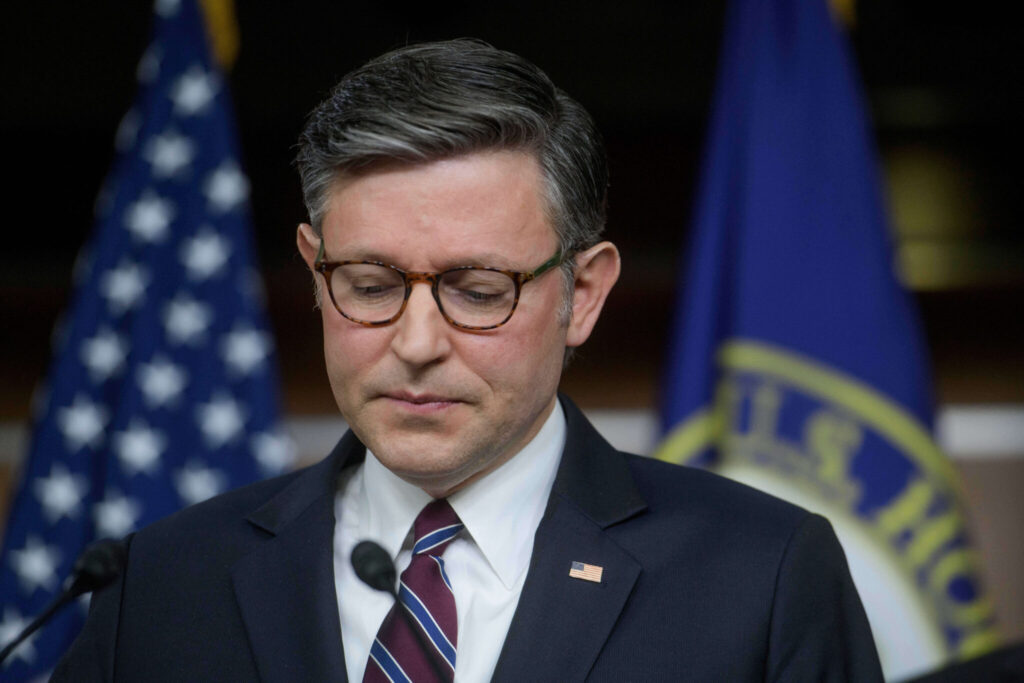
House Democrats, with the help of moderate Republicans, used a “discharge petition” to force the legislation to the floor. That maneuver requires 218 signatures and bypasses the Speaker’s control. The move dealt a significant blow to House Speaker Mike Johnson, R-La., who had resisted bringing the bill forward.
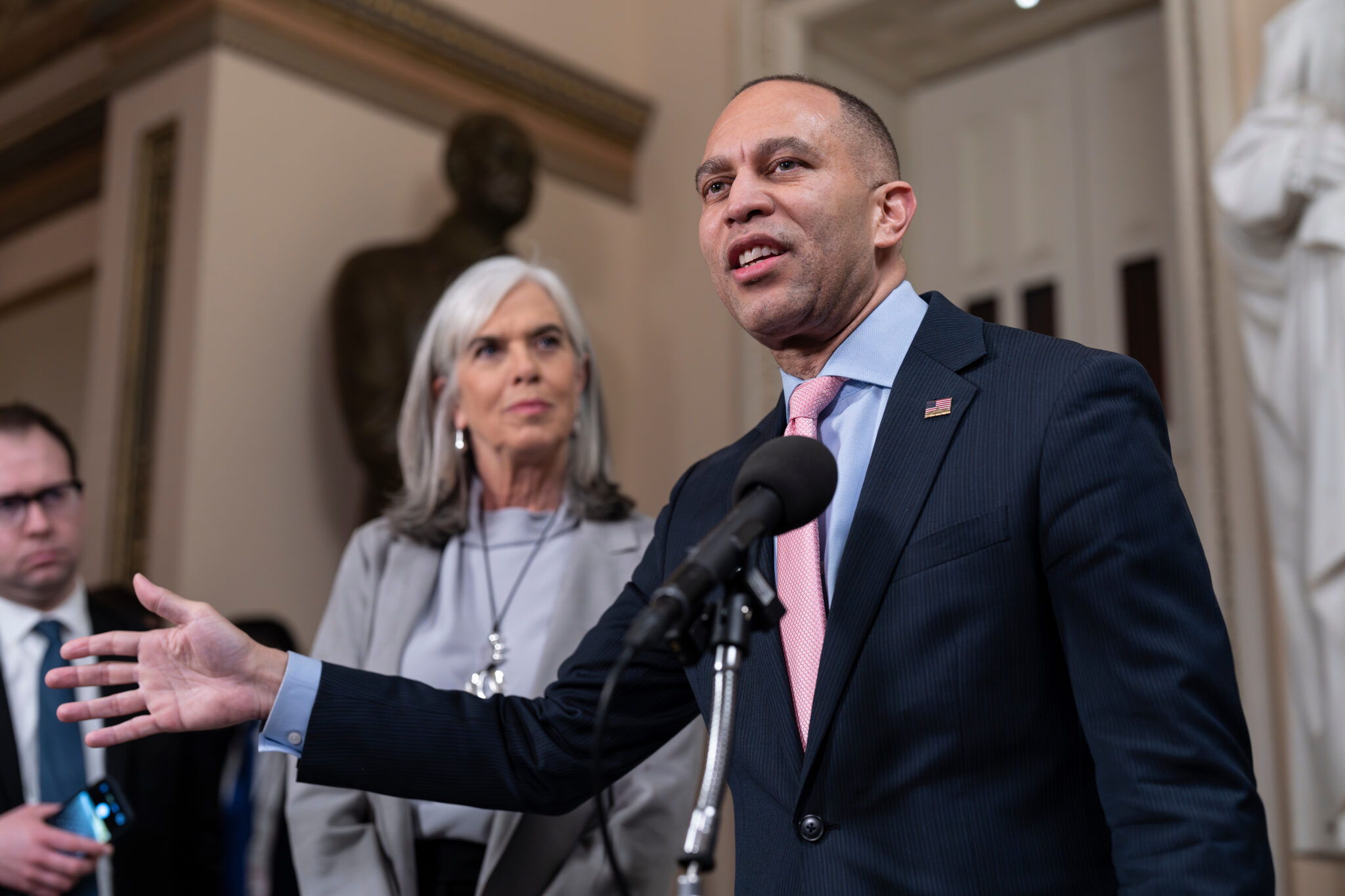
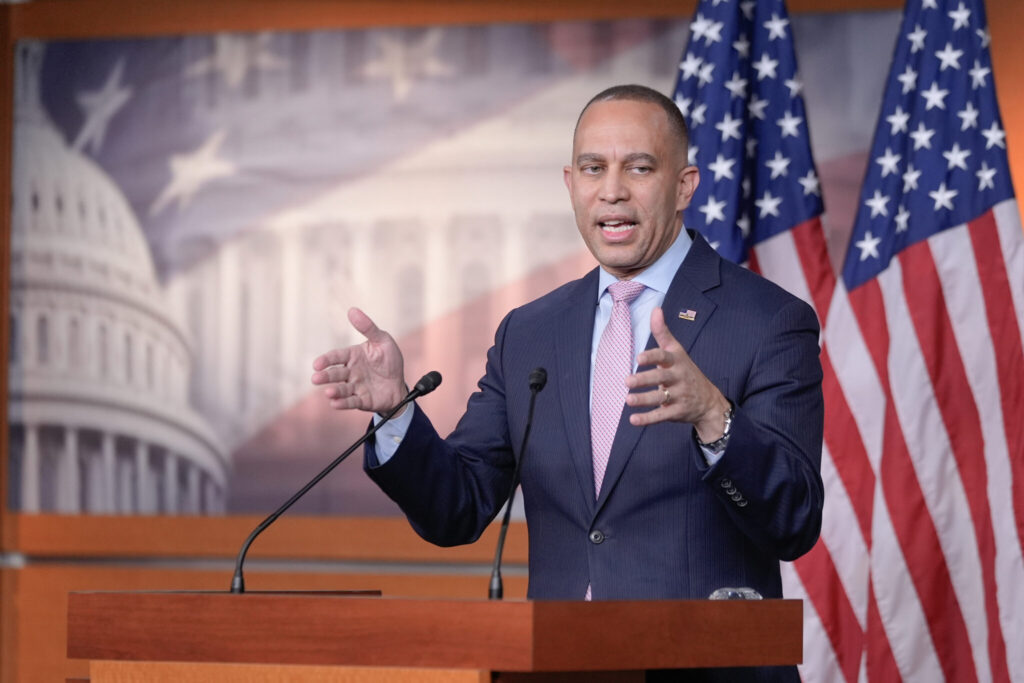
“The affordability crisis is not a hoax — it is very real,” said House Democratic Leader Hakeem Jeffries, referring to remarks by President Trump downplaying the issue. “Democrats made clear we are in this fight to lower health care costs until we win it.”
The nonpartisan Congressional Budget Office estimates the bill will increase the federal deficit by approximately $80.6 billion over the next decade. However, it would also expand health insurance coverage, adding an estimated 3 million people to the rolls by 2027 and over 4 million by 2028.
Speaker Johnson’s office opposed the measure, criticizing the extension of what it called fraud-prone COVID-era funding and arguing that the plan fails to address broader health insurance affordability. “Only 7% of Americans use ACA marketplace plans. This chamber should be helping 100% of Americans,” said Rep. Jason Smith, R-Mo., chair of the House Ways and Means Committee.
Despite the opposition, momentum has grown in both chambers to continue supporting the subsidies. Senate leaders are drafting an alternative that includes income caps to limit eligibility and proposals to expand Health Savings Accounts (HSAs) — tax-free accounts used to cover qualified medical expenses.
Senate Majority Whip John Thune, R-S.D., stressed that any bill gaining traction in the upper chamber must include fiscal safeguards and personal cost-sharing by beneficiaries. “People need to contribute at least something,” he said.
Sen. Bernie Moreno, R-Ohio, who is helping lead bipartisan talks, said a compromise proposal could be introduced as early as next week. Democratic Senator Jeanne Shaheen of New Hampshire, also part of the talks, expressed urgency in reaching an agreement.
“We recognize that millions have lost coverage because they can’t afford premiums,” Shaheen said. “We need to act quickly to help them.”
The renewed push for ACA subsidies comes as President Donald Trump encourages Republicans to seize the health care narrative. In a recent closed-door address to House GOP members, Trump urged lawmakers to focus on health savings accounts and reduce reliance on federal programs. Democrats, however, argue that such approaches are inadequate for addressing the scope of the health care crisis.
The House vote represents a major challenge to Johnson’s leadership. The Speaker had initially considered allowing vulnerable Republicans a separate vote on a scaled-back bill. But under pressure from the conservative wing, he rejected the broader subsidy extension and introduced a more limited health care package, which failed to advance.
That opened the door for a faction of House Republicans — including Reps. Brian Fitzpatrick, Robert Bresnahan, Ryan Mackenzie (all from Pennsylvania), and Mike Lawler of New York — to sign the discharge petition. All represent competitive swing districts, and their support signals the political significance of health care ahead of the 2026 elections.
“This issue matters deeply to our constituents,” said Lawler, whose district has seen a surge in premium hikes since the subsidies expired. “We can’t let partisanship block relief for working families.”
Jeffries, celebrating the vote, called on Senate leaders to pass the House bill immediately, but acknowledged the reality of negotiations. “If the Senate has a better plan, let’s see it,” he said.
What began as a long-shot maneuver by Democrats has turned into a high-stakes political moment. Democrats now plan to center health care costs in their messaging to voters, especially in battleground districts and states.
Whether or not the Senate version aligns with the House bill, both parties agree that some action must be taken. Millions of Americans are already feeling the effects of higher premiums, and with election season heating up, lawmakers are under pressure to deliver relief — or risk consequences at the ballot box.