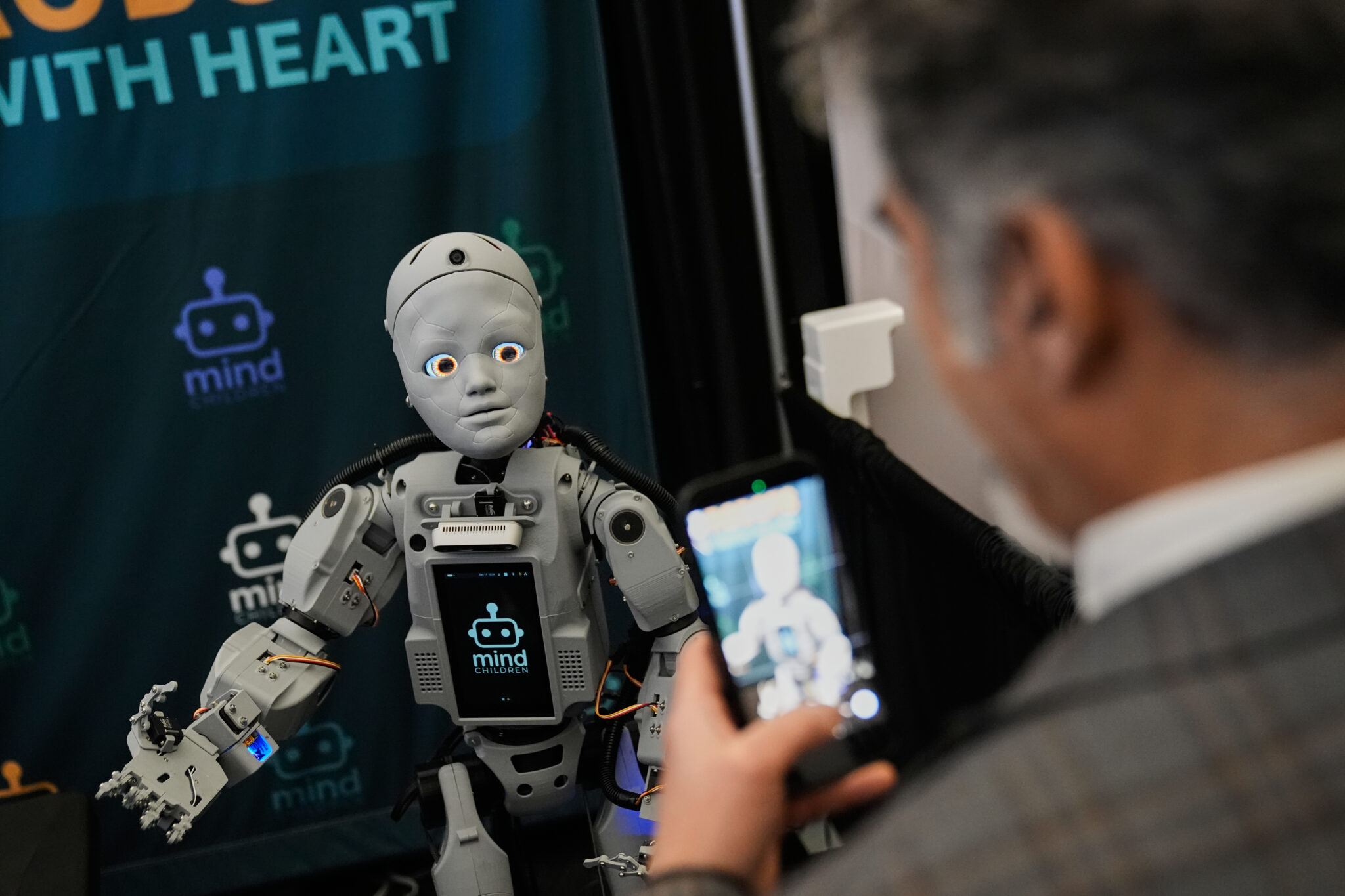
Humanoid Robots Shine at Silicon Valley Tech Summit Amid Skepticism/ Newslooks/ WASHINGTON/ J. Mansour/ Morning Edition/ At a major summit in Silicon Valley, humanoid robots drew attention from investors, engineers, and tech giants eager to shape the future of AI-powered machines. While the event showcased new capabilities, skepticism lingers about the viability of humanlike robots in real-world environments. With China surging ahead and U.S. companies catching up, the humanoid race is heating up — but challenges remain.
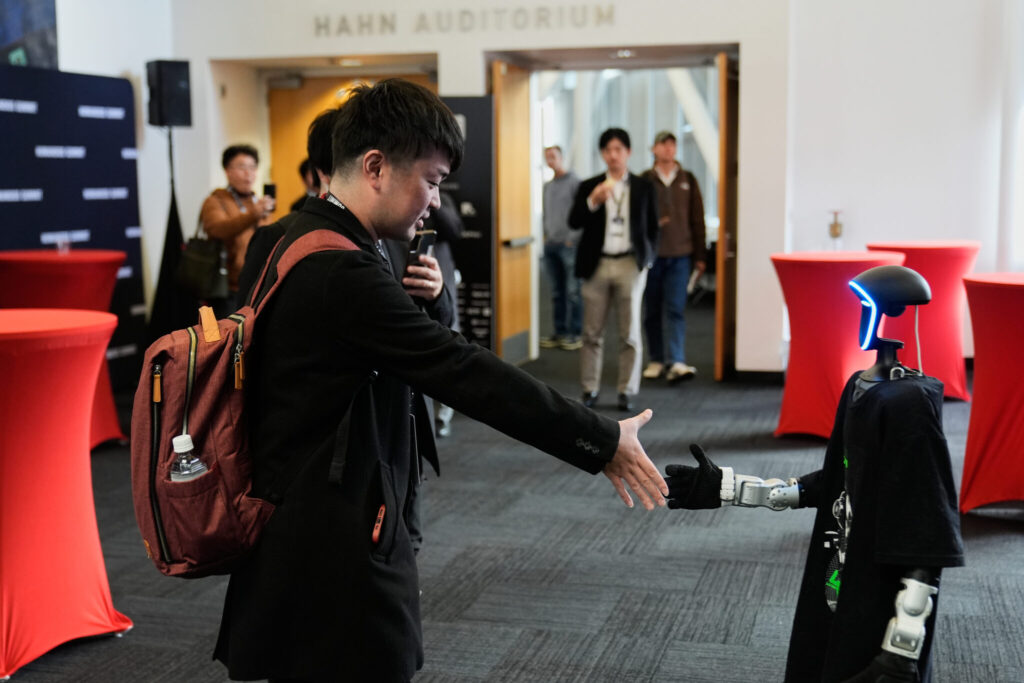
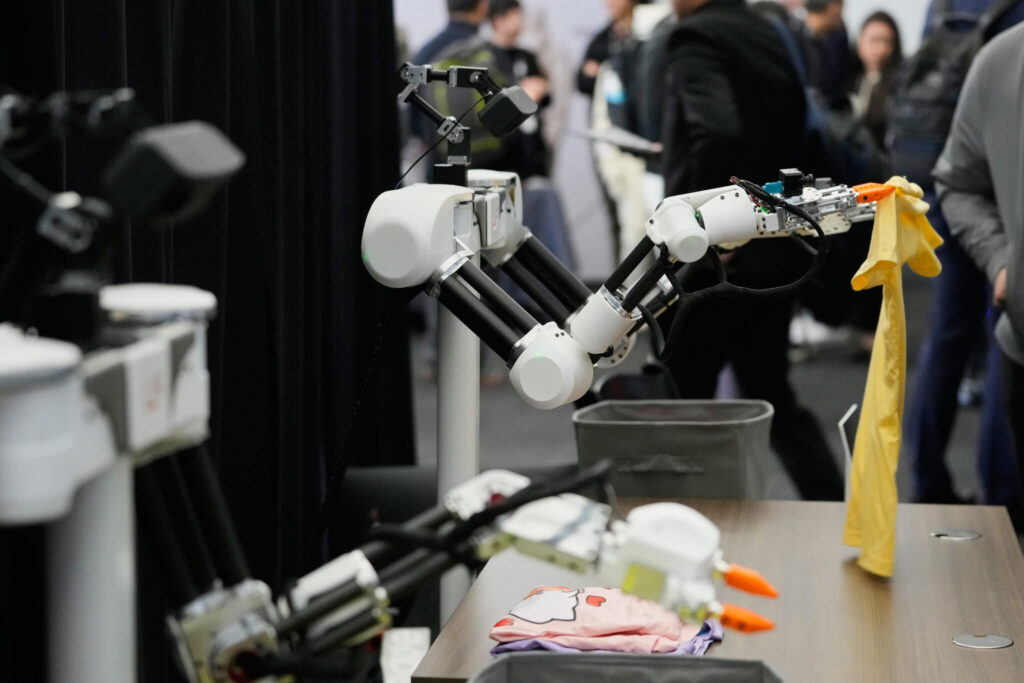
Quick Look: What Happened at the Humanoids Summit
- Event: Humanoids Summit held at the Computer History Museum in Mountain View, CA
- Attendees: Over 2,000 participants from Google, Disney, startups, and academia
- Highlight: Walking Olaf robot from Disney heading to Disneyland parks in 2026
- Big Question: When will general-purpose humanoid robots become viable?
- China’s Role: Chinese companies lead the humanoid space with 20+ ventures
- U.S. Momentum: Driven by generative AI like ChatGPT and Gemini
- Top Skeptic: Rodney Brooks warns of overhyped promises in humanoid dexterity
- No-Show: No update on Elon Musk’s Tesla Optimus robot at the summit
- In Use: Agility Robotics’ Digit robot to work in Texas warehouses
- Call to Action: U.S. robotics industry urges national policy to catch up to China
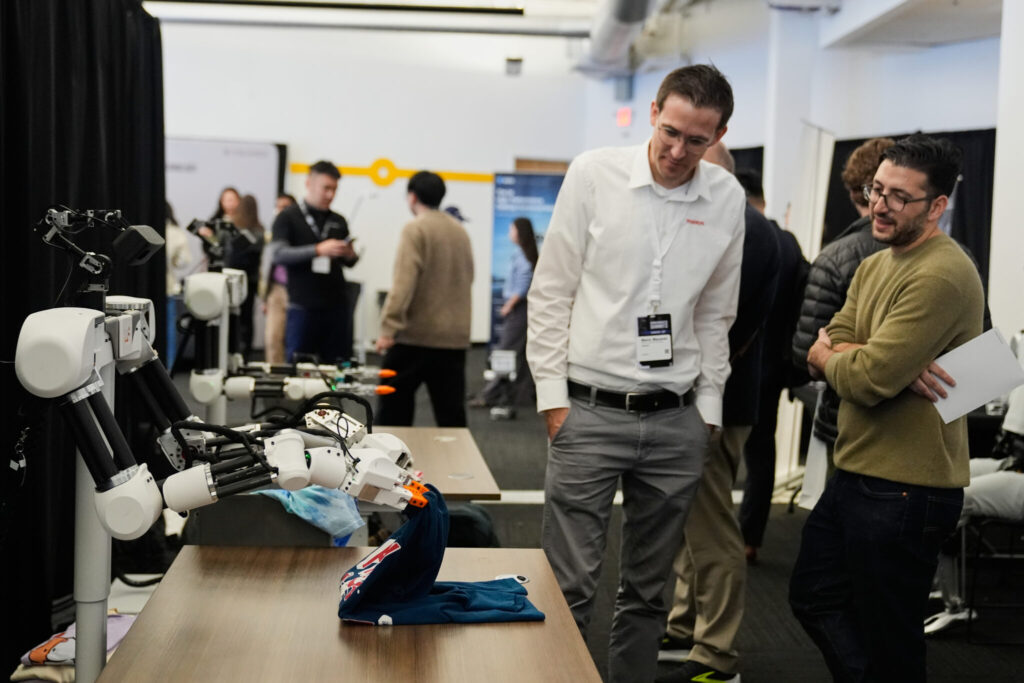
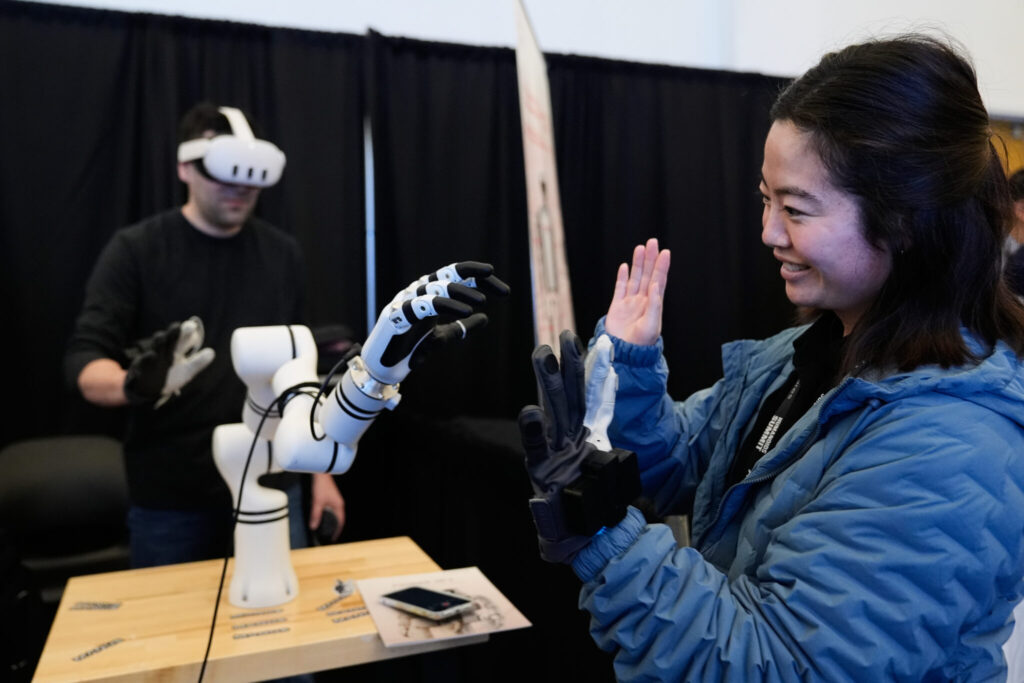
Deep Look: Humanoid Robots Take Center Stage, But Doubts Persist
MOUNTAIN VIEW, CALIFORNIA — Once dismissed as futuristic fantasy or VC money traps, humanoid robots are having a moment. At the Humanoids Summit held in Silicon Valley this week, more than 2,000 technologists, investors, and engineers gathered to discuss the real-world future of these humanlike machines.
Venture capitalist Modar Alaoui, the summit’s founder, acknowledged past skepticism toward robotics, calling them “boring” and capital-intensive. But now, thanks to the AI boom, the climate has changed.
“Many believe humanoids will become the norm,” Alaoui said. “The only question is how soon.”
That optimism was on display in a packed expo hall near Google’s headquarters, where the Computer History Museum served as a fitting backdrop for a potential leap in robotics. Yet despite the excitement, many attendees voiced a common refrain: don’t believe the hype just yet.
From Olaf to Optimus: Robots on Display
Among the eye-catching exhibits was Disney’s Olaf, a humanoid version of the beloved Frozen character, which will begin roaming Disneyland parks in Hong Kong and Paris in 2026. It’s a clear sign that sophisticated, autonomous robots are already entering mainstream environments — even if their use is limited to entertainment.
Meanwhile, Agility Robotics announced its Digit robot, which will work in a Mercado Libre warehouse in Texas. The two-legged bot moves boxes — but unlike Olaf, its purpose is strictly utilitarian.
AI and Robotics Merge
What’s fueling the sudden momentum? The same technological breakthroughs behind ChatGPT, Google’s Gemini, and other large language models are being integrated into robot brains. Paired with computer vision, these AI-powered systems help robots recognize objects, interpret commands, and move intelligently in physical space.
“Visual-language models are reshaping how we train robots,” said one Google engineer at the event.
That said, true humanlike dexterity remains a distant goal.
China Takes the Lead in Humanoids
‘According to McKinsey & Company, about 50 companies globally have raised $100M+ for humanoid development, with China leading the charge due to government incentives and a national mandate to build a humanoid ecosystem by 2025.
Chinese robot maker Unitree dominated the conference floor with affordable models that many U.S. researchers use for software testing.
“We’re seeing incredible momentum from China, while the U.S. is still catching up,” said Ani Kelkar of McKinsey.
Voices of Caution: Industry Skeptics Speak Up
Despite the buzz, the summit wasn’t short on skepticism.
Cosima du Pasquier, co-founder of Haptica Robotics and a Stanford researcher, said that humanoids are still very far from widespread utility.
“It’s a big hill to climb. There’s still so much research to be done,” she noted.
One name frequently mentioned was Rodney Brooks, the iRobot co-founder, who wrote a viral essay criticizing the hype around humanoids. He argued that the current wave of robots won’t achieve the dexterity needed for real-world usefulness — no matter how much money is invested.
Tesla Optimus: Notably Absent
Notably missing from the summit? Elon Musk and Tesla’s Optimus humanoid robot, which Musk claimed would be mass-produced “within three to five years” back in 2022.
With no update at the event, some attendees questioned how far Tesla has progressed — or whether Optimus is still on track.
A Push for U.S. Robotics Policy
Jeff Burnstein, president of the Association for Advancing Automation, toured the expo and urged the U.S. government to adopt a national robotics strategy. He emphasized that while the U.S. leads in AI expertise, it risks falling behind in the hardware race.
“The momentum is with China right now,” Burnstein warned.
The U.S. has the talent and tools — but without coordinated support, it may lose its competitive edge in robotics.