

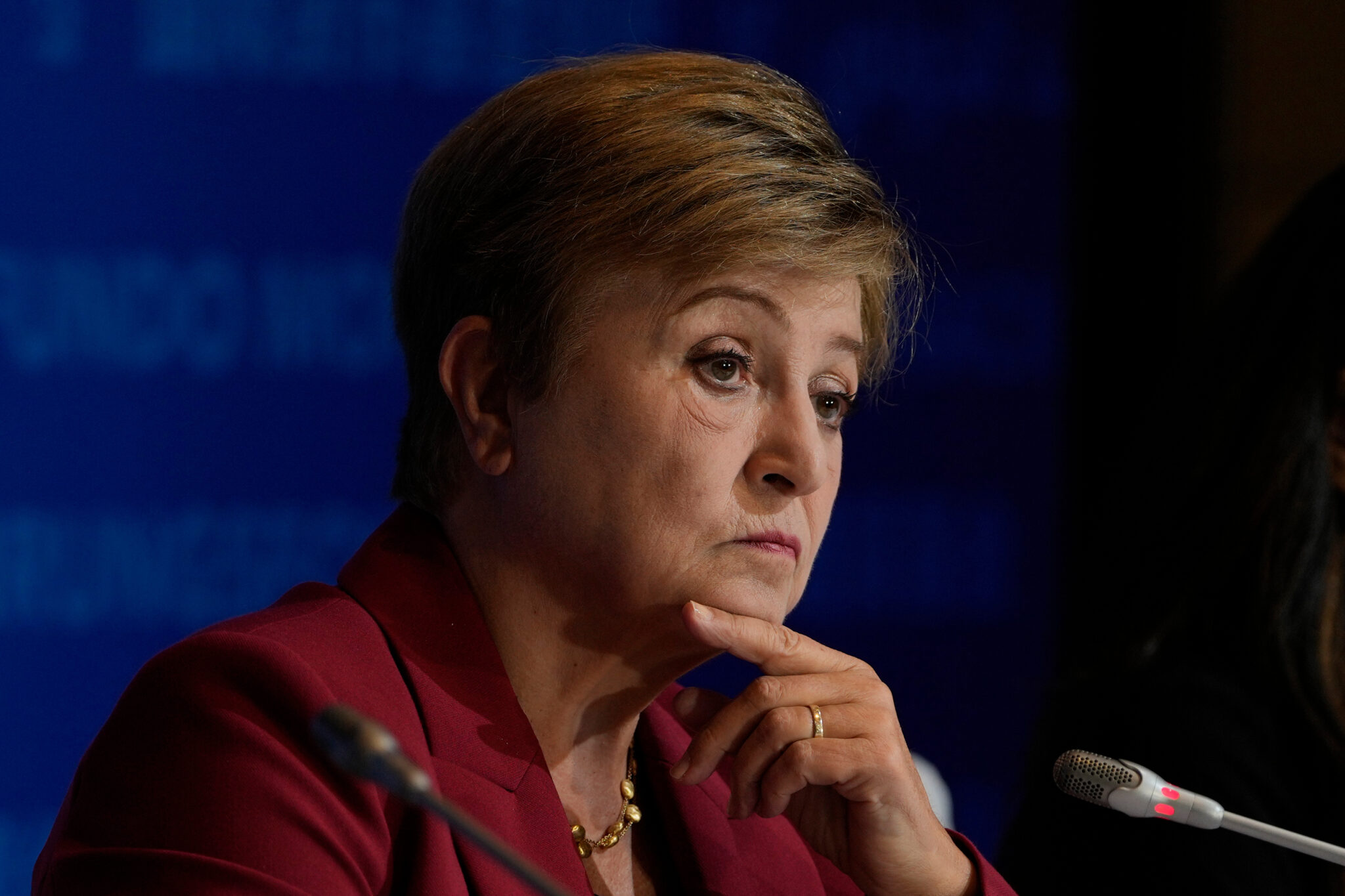
IMF Director Warns Iran War Will Slow Global Economic Growth/ Newslooks/ WASHINGTON/ J. Mansour/ Morning Edition/ The IMF warned the Iran war will slow global economic growth. Rising energy costs and disrupted trade are driving uncertainty. Even with a ceasefire, global growth is expected to weaken.
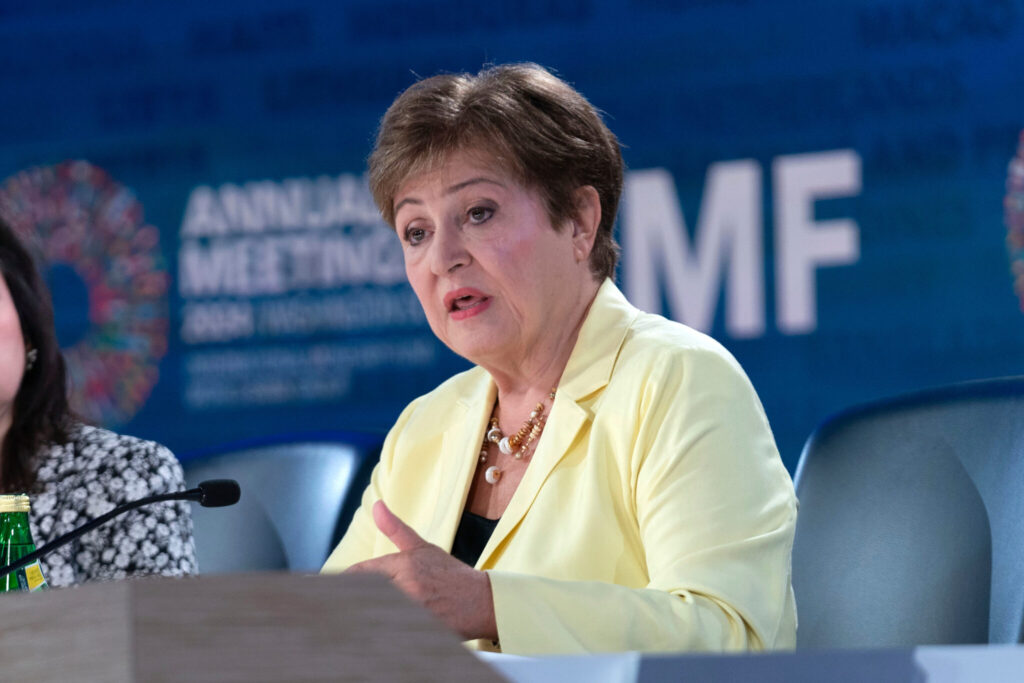
IMF Global Growth Warning Quick Looks
- IMF to downgrade global growth forecast
- Iran war drives oil prices higher
- Global trade disrupted by conflict
- Energy infrastructure damaged
- Fertilizer shipments affected worldwide
- Debt limits government stimulus options
- Emerging economies most vulnerable
- Business confidence weakened
- Ceasefire unlikely to restore growth quickly
- IMF urges policy coordination
Deep Look: IMF Warns Iran War Will Slow Global Economy
WASHINGTON — The International Monetary Fund warned Thursday that the Iran war is likely to slow global economic growth, even if the fragile ceasefire between the United States and Iran holds.
IMF Managing Director Kristalina Georgieva said the organization will downgrade its global growth forecast next week, citing the economic shock caused by the conflict.
“Had it not been for this shock, we would have been upgrading global growth,” Georgieva said ahead of the IMF and World Bank spring meetings. “But now, even our most hopeful scenario involves a growth downgrade.”
The IMF had previously projected global growth of 3.3% and was considering raising that forecast before the conflict began.
War Disrupts Global Economy
The Iran conflict, which began Feb. 28, has disrupted multiple aspects of the global economy:
- Rising oil and natural gas prices
- Damage to energy infrastructure
- Disrupted fertilizer shipments
- Declining business confidence
- Weakened consumer spending
These disruptions have created ripple effects across industries and countries.
Higher energy costs have already increased transportation and manufacturing expenses, which often lead to higher prices for consumers.
Ceasefire Offers Limited Relief
Although the United States and Iran announced a ceasefire Tuesday, Georgieva warned that growth would still slow.
“Growth will be slower—even if the new peace is durable,” she said.
The conflict’s economic impact is expected to linger even if fighting does not resume.
Vulnerable Economies at Risk
Georgieva said Sub-Saharan Africa and small island nations are particularly vulnerable to rising energy costs.
These economies often rely heavily on imported fuel and have fewer financial resources to offset price increases.
Countries with high debt levels may also struggle to support their economies through government spending.
Many governments have limited capacity for:
- Stimulus spending
- Tax cuts
- Subsidies
This limits their ability to cushion economic shocks.
Governments Take Emergency Measures
Countries around the world have already begun implementing measures to reduce energy consumption, including:
- Encouraging remote work
- Promoting public transportation
- Limiting official travel
These policies aim to reduce fuel demand and control costs.
IMF Urges Global Cooperation
Georgieva warned policymakers not to worsen the situation through protectionist measures.
She cautioned against:
- Export restrictions
- Price controls
- Trade barriers
“Don’t pour gasoline on the fire,” she said, urging governments to coordinate policies.
Economic Outlook Uncertain
The IMF will release updated global growth forecasts next week during its spring meetings.
Economists expect the revised outlook to reflect:
- Slower global growth
- Persistent inflation
- Higher energy prices
- Increased geopolitical risks
The Iran conflict adds to existing challenges, including high debt levels and slowing growth in major economies.
Global Economy Faces Headwinds
Despite resilience earlier this year, the world economy now faces new risks.
Energy market disruptions, geopolitical tensions, and reduced confidence could slow economic activity worldwide.
Even if the ceasefire holds, the IMF warns that the economic fallout from the Iran conflict may continue for months.





You must Register or Login to post a comment.