

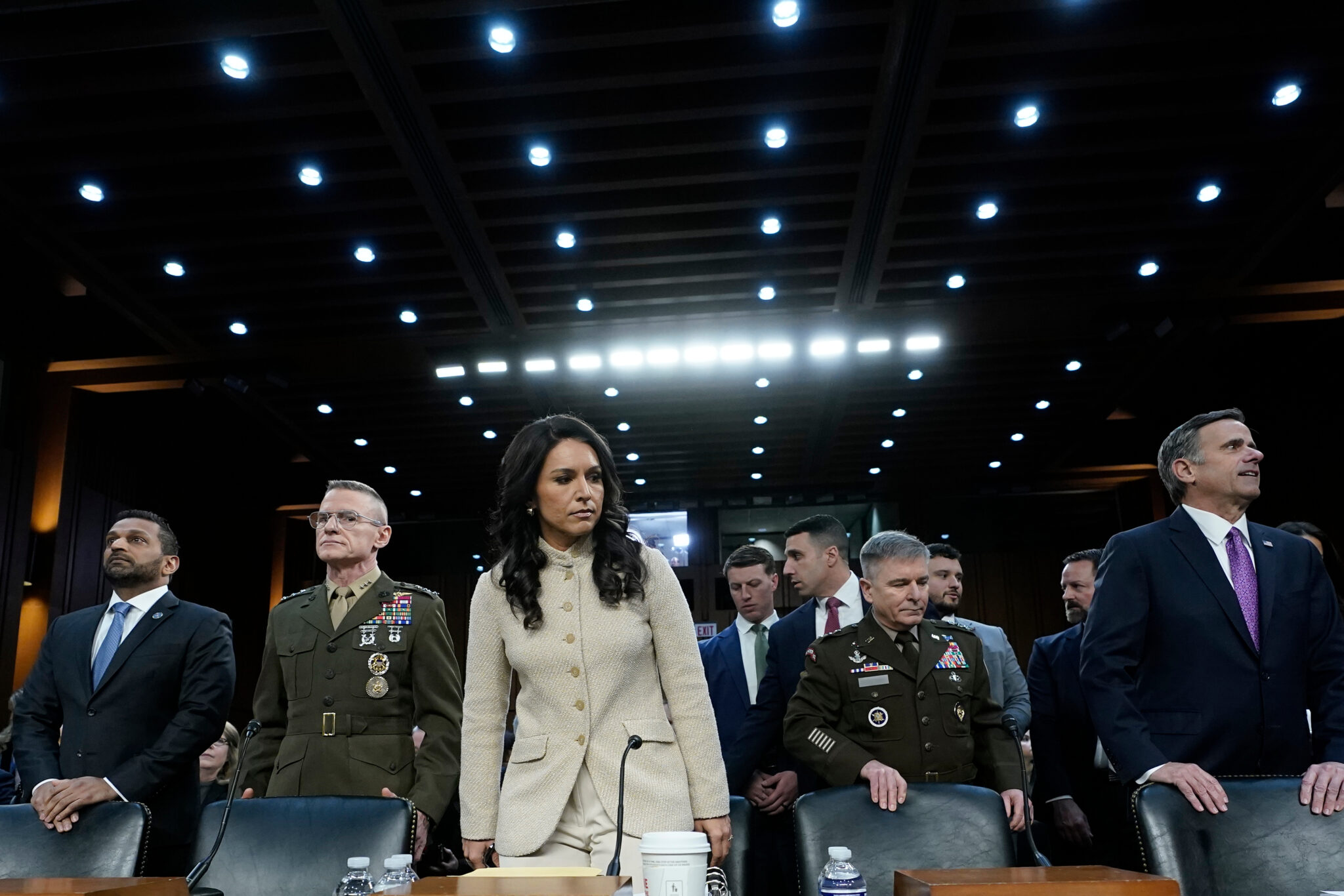
Intelligence Testimony Raises New Iran War Questions/ Newslooks/ WASHINGTON/ J. Mansour/ Morning Edition/ Top U.S. intelligence officials faced tough questions over the Trump administration’s case for war with Iran. Their testimony exposed gaps, contradictions, and evasions on nuclear threats, missile risks, and retaliation warnings. The hearing also spotlighted Joe Kent’s resignation and fresh scrutiny of Tulsi Gabbard’s role in a Georgia election search.
Iran Intelligence Testimony Quick Looks
- Senate hearing marked the first major public intelligence testimony since the Iran war began.
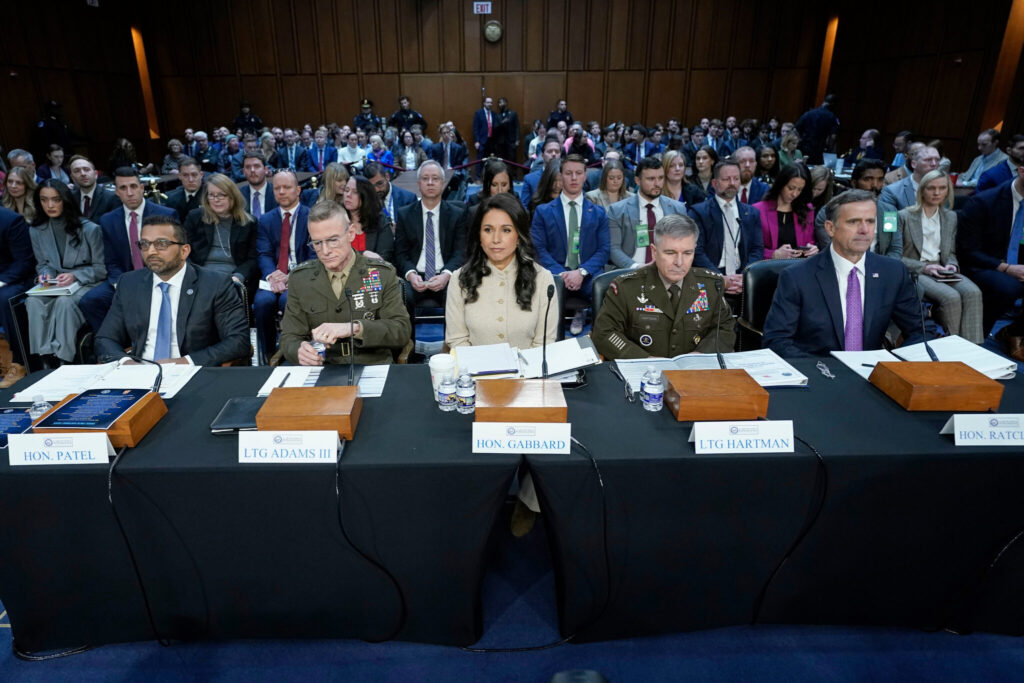
- Tulsi Gabbard, John Ratcliffe, and Kash Patel appeared before lawmakers.
- Senators pressed officials on whether Iran posed an imminent threat.
- Gabbard did not back Trump’s strongest claims on Iran’s nuclear recovery.
- She said Iran had made no effort to rebuild enrichment after the June strikes.
- Officials also stopped short of confirming Trump’s timeline on Iranian ICBM capability.
- Ratcliffe called Iran a continuing threat but did not use “imminent” in the same way Trump has.
- Democrats focused on intelligence gaps rather than leaning heavily on Joe Kent’s resignation.
- Gabbard again offered unclear answers about her presence at the Fulton County search.
- The hearing deepened questions over how the administration justified the war.
Deep Look: Intelligence Testimony Raises New Iran War Questions
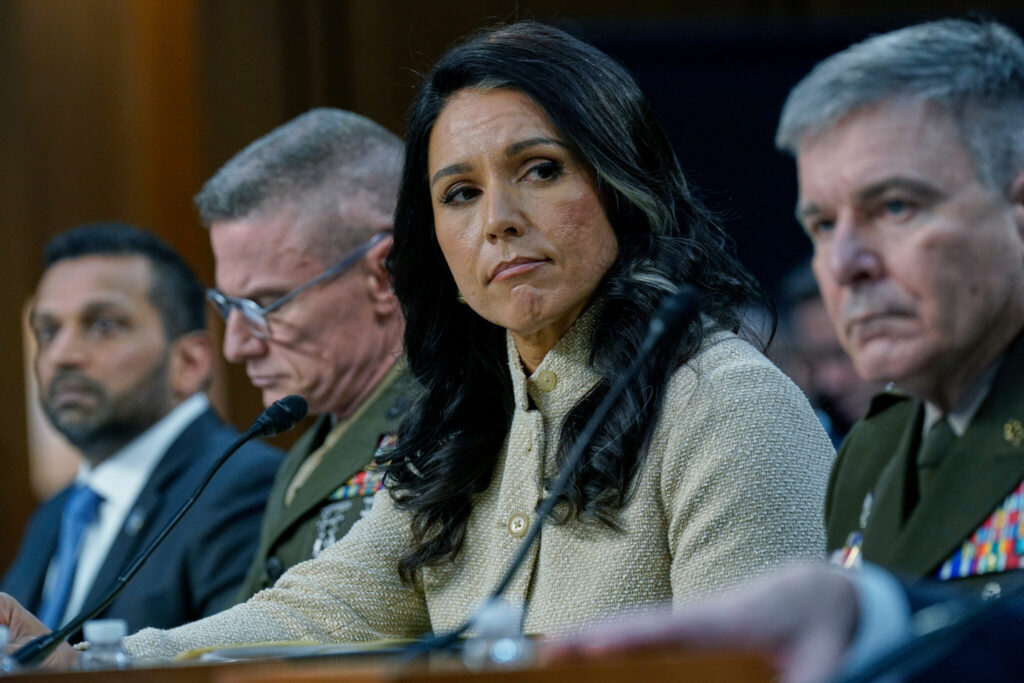
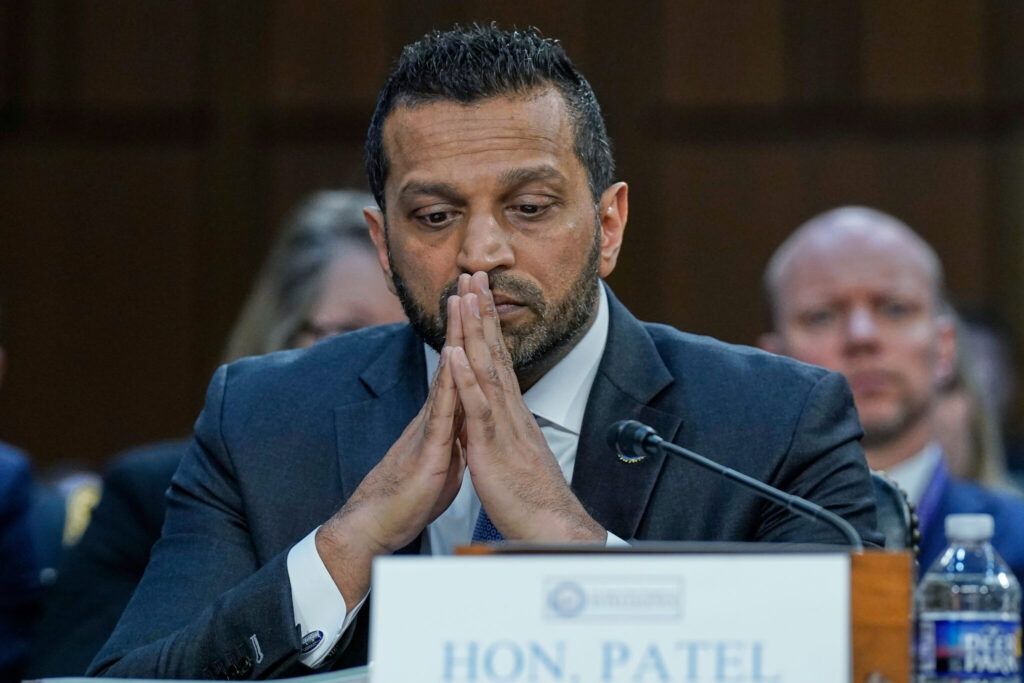
The Senate Intelligence Committee hearing on Wednesday offered the clearest public test yet of the Trump administration’s justification for the war with Iran. Top national security officials, including Director of National Intelligence Tulsi Gabbard, CIA Director John Ratcliffe and FBI Director Kash Patel, appeared before lawmakers as Democrats pressed them on the intelligence behind the conflict and the White House’s public claims.
The hearing came at a politically fraught moment, just one day after National Counterterrorism Center Director Joe Kent resigned in protest. Kent said he could not support the war and argued that Iran did not pose an imminent threat to the United States. His resignation immediately intensified attention on whether the administration had overstated or distorted the intelligence.
That broader concern hung over nearly every exchange.
One of the biggest areas of focus involved Trump’s statements about Iran’s nuclear program. The president has claimed that Iran was trying to rebuild its nuclear capabilities after U.S. strikes in June and suggested the threat was quickly returning. But Gabbard’s prepared testimony painted a different picture. She said Iran’s enrichment program had been destroyed in the operation and that there had been no effort since then to restore that capability.
That assessment stood out because it directly undercut the administration’s alarmist public rhetoric. When senators asked whether that remained the intelligence community’s view, Gabbard said yes. At the same time, she did not fully emphasize that finding in her opening remarks, later saying she left it out because of time constraints. That explanation did little to calm skepticism from Democrats, who viewed the omission as notable given the political stakes.
Missile threats were another area where testimony fell short of validating Trump’s language. The president has suggested Iran could soon field intercontinental ballistic missiles capable of reaching the United States. But Gabbard repeated a more cautious assessment, saying Iran could begin developing a militarily viable ICBM before 2035 if it chose to pursue that path. Ratcliffe likewise avoided endorsing the more urgent public timeline some Republicans floated during the hearing. He said Iran could eventually gain the ability to reach the U.S. mainland if left unchecked, but he declined to put a short timetable on it.
The sharpest issue, however, was whether Iran posed an imminent threat that justified war. That phrase has been central to the administration’s defense of military action. Yet Wednesday’s testimony offered little clear support for it.
Asked directly whether intelligence showed an imminent nuclear threat, Gabbard declined to say yes. Instead, she argued that deciding what qualifies as a threat is the president’s responsibility, not the intelligence community’s. That answer frustrated Democratic senators, who argued that assessing immediacy and danger is exactly what intelligence officials are supposed to do.
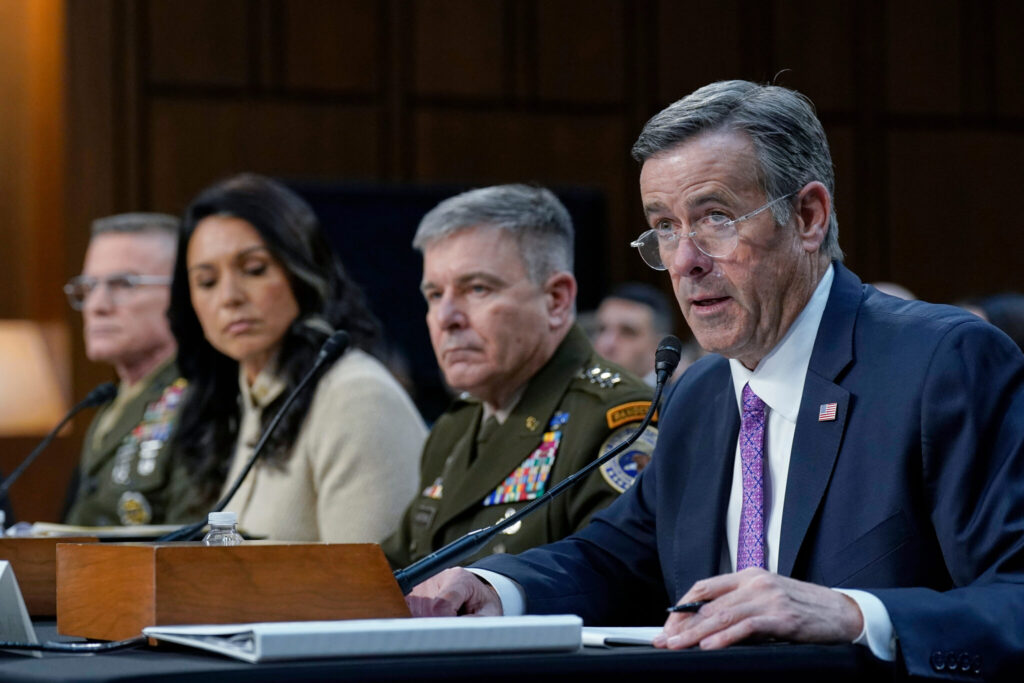
Ratcliffe took a somewhat firmer line, describing Iran as a long-running and immediate threat, particularly because of Iranian-backed attacks on Americans in the Middle East. But even he did not clearly frame Iran as an imminent threat to the U.S. homeland in the same terms used by Trump and other administration figures.
That distinction mattered. Much of the administration’s public messaging has implied a direct and urgent danger to the United States itself. The testimony instead suggested a more familiar picture of Iran as a hostile regional actor with long-term capabilities and proxy networks, but not necessarily a country on the verge of striking the American mainland.
Lawmakers also raised the issue of whether Trump had been warned that attacking Iran could lead to retaliation against Gulf nations and to disruptions in the Strait of Hormuz. Gabbard refused to discuss what intelligence she may have shared with the president, saying she would not reveal internal conversations. That left unanswered whether the White House had been fully briefed on consequences that later became central to the war’s economic fallout.
Joe Kent’s resignation hovered in the background throughout the hearing, but Democrats did not make him the centerpiece. That appeared deliberate. Kent’s own political history and inflammatory comments make him an awkward figure for Democrats to embrace too strongly. Instead, they focused on the same core issue his resignation raised: whether the administration’s case for war matched the intelligence.
The hearing also touched on another unresolved controversy involving Gabbard’s role in an FBI search of an election office in Fulton County, Georgia. Her presence at that operation had already prompted questions because her office is meant to focus on foreign intelligence, not domestic election matters. On Wednesday, she again said she was there at Trump’s request to help oversee the search, but she offered little added clarity on why the president would involve her or how the request was made. Her answers left the matter murky and are likely to fuel further scrutiny.
Taken together, the testimony did not deliver the kind of unequivocal intelligence backing the administration might have wanted. Instead, it highlighted significant distance between Trump’s most forceful public claims and the more measured language used by his own intelligence chiefs under oath. That gap is likely to keep growing as Congress, the media and the public continue to examine how the United States entered another major conflict in the Middle East.




You must Register or Login to post a comment.