International ‘Board of Peace’ to Govern Gaza by Year-End/ Newslooks/ WASHINGTON/ J. Mansour/ Morning Edition/ An “international body” called the Board of Peace — chaired by Donald Trump — is set to be announced by year-end to govern Gaza under a U.N.‑backed ceasefire agreement. The plan includes a technocratic Palestinian administration, a multinational stabilization force, and U.N. oversight for reconstruction. Despite progress, uncertainty remains over funding, final security arrangements, and Palestinian representation.
Quick Look: International Body to Govern Gaza
- What’s happening?
A U.S.-backed Board of Peace, chaired by President Donald Trump, will be announced by year-end to govern post-war Gaza under a U.N. mandate. - Who’s involved?
Around a dozen world leaders (Middle East & West), plus a Palestinian technocratic committee for daily administration. An International Stabilization Force will oversee security. - Why it matters:
This is the centerpiece of a 20-point plan aiming to rebuild Gaza, disarm Hamas, and shift toward longer-term peace — though critics say it lacks Palestinian representation and clarity on future statehood. - When?
Deployment of international forces could begin early 2026. - What’s next?
Trump-Netanyahu meeting expected to finalize governance details; major decisions still pending on funding, disarmament, and border control (especially Rafah crossing with Egypt).
Global Body to Govern Gaza Expected by Year‑End, Officials Say: Deep Look
DOHA, Qatar — Under the latest phase of a U.S.-brokered ceasefire, an international governing body is expected to be unveiled by the end of 2025 to oversee the Gaza Strip’s reconstruction and administration, according to Arab and Western officials. The group, dubbed the Board of Peace, will be chaired by U.S. President Donald Trump and operate under a renewable two-year U.N. mandate.
What’s Being Planned
- The Board of Peace will include around a dozen leaders from Middle Eastern and Western countries, according to the officials.
- A separate committee of Palestinian technocrats will be appointed to run governance and day-to-day civil services in Gaza.
- An armed International Stabilization Force (ISF) is to be deployed to maintain security and support the disarmament of militant factions, a requirement from Israel.
This governance framework forms part of a broader 20‑point peace plan announced by President Trump, which gained backing through the U.N. Security Council’s adoption of United Nations Security Council (UNSC) Resolution 2803 on November 17, 2025.
Implementation Timeline and Next Steps
Officials expect the ISF to begin deployment in early 2026, pending final agreements on force composition and logistics. A key immediate step will be negotiations involving Hamas and Israel — particularly discussions about disarming militant groups and withdrawing Israeli troops from parts of Gaza currently under occupation.
Major Hurdles Ahead
One of the most pressing issues is funding. While reconstruction efforts and rebuilding Gaza’s infrastructure are central to the plan, no concrete funding mechanism has yet been publicly committed. Some Palestinians have raised concerns that the plan lacks genuine representation of Gaza’s people, noting that the proposed administration — though Palestinian-led — would still be overseen by an internationally appointed board.
Critics argue the arrangement risks undermining long-term aspirations for Palestinian autonomy, as the Board of Peace could impose external control and limit the influence of traditional local governance structures.
Border Crossing, Hostages, and Ongoing Violence
As part of the ceasefire agreement, Israel announced plans to reopen the Rafah crossing between Gaza and Egypt. The reopening could allow civilians to leave Gaza — a vital development after years of blockade and destruction — but triggered regional backlash. Several Arab and Muslim‑majority countries objected to Israel’s “exit‑only” proposal, demanding the crossing be open in both directions to guarantee freedom of movement and prevent forced displacement.
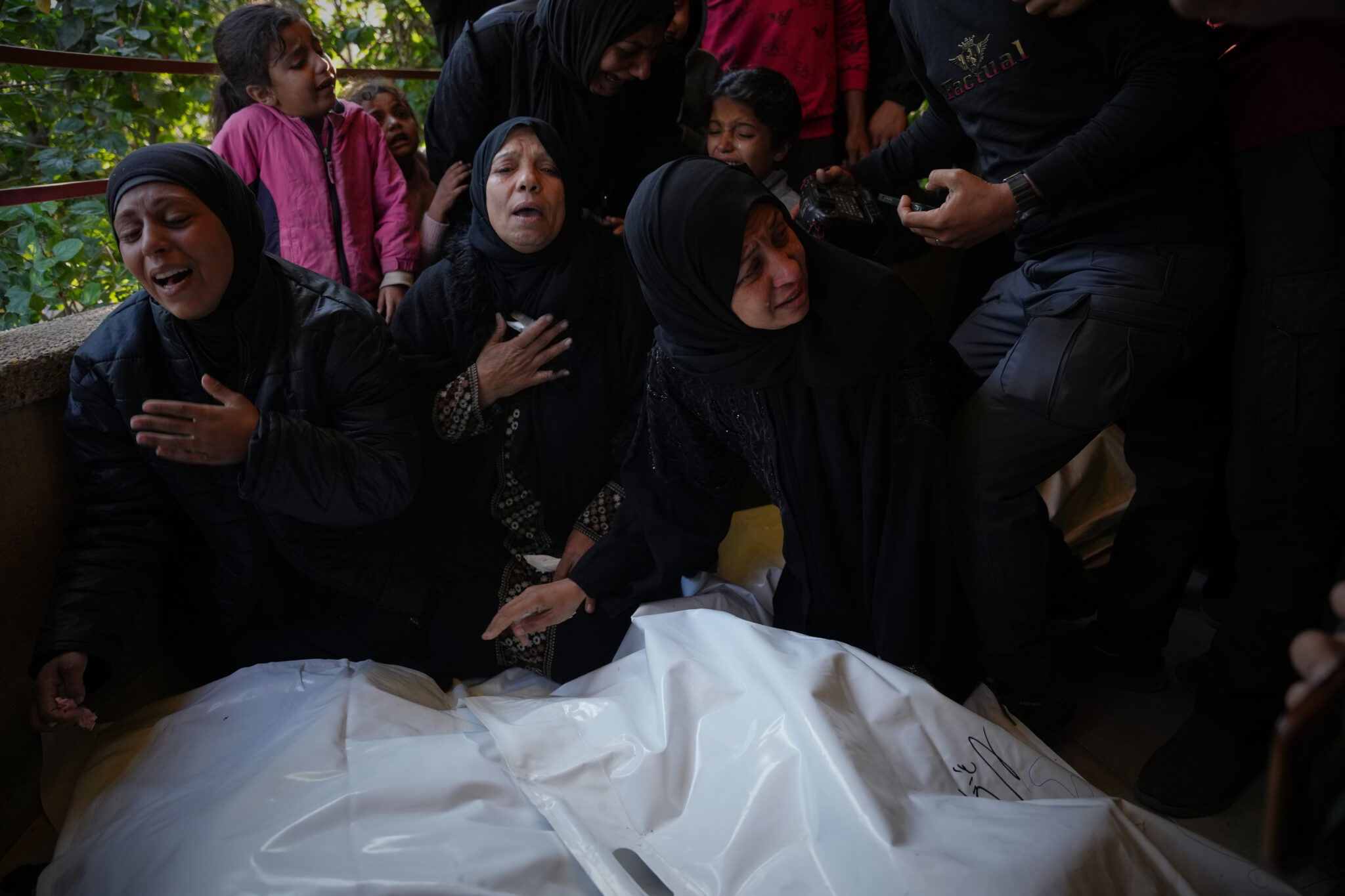
Meanwhile, sporadic violence has not entirely ceased. Israeli forces reported a military operation in northern Gaza targeting individuals allegedly carrying suspicious items, and a separate incident involved a fatality in the occupied West Bank. The renewed hostilities underscore the fragility of the truce and the challenges ahead for peacekeepers.
Bigger Picture: Transition from War to Governance
The proposed governance and reconstruction plan draws on international models of post-conflict administration, aiming to replace decades of turmoil with stability, vetted public services, and infrastructure rebuilding. The temporary technocratic administration under the Board of Peace is intended to manage the transition until Gaza can return to self-governance — though many observers remain skeptical about how “temporary” and how representative this new structure will be.
As world leaders prepare for the formal announcement, Gaza now waits — for peacekeepers, for reconstruction funds, and for an uncertain future under an international body with sweeping powers over its fate.