

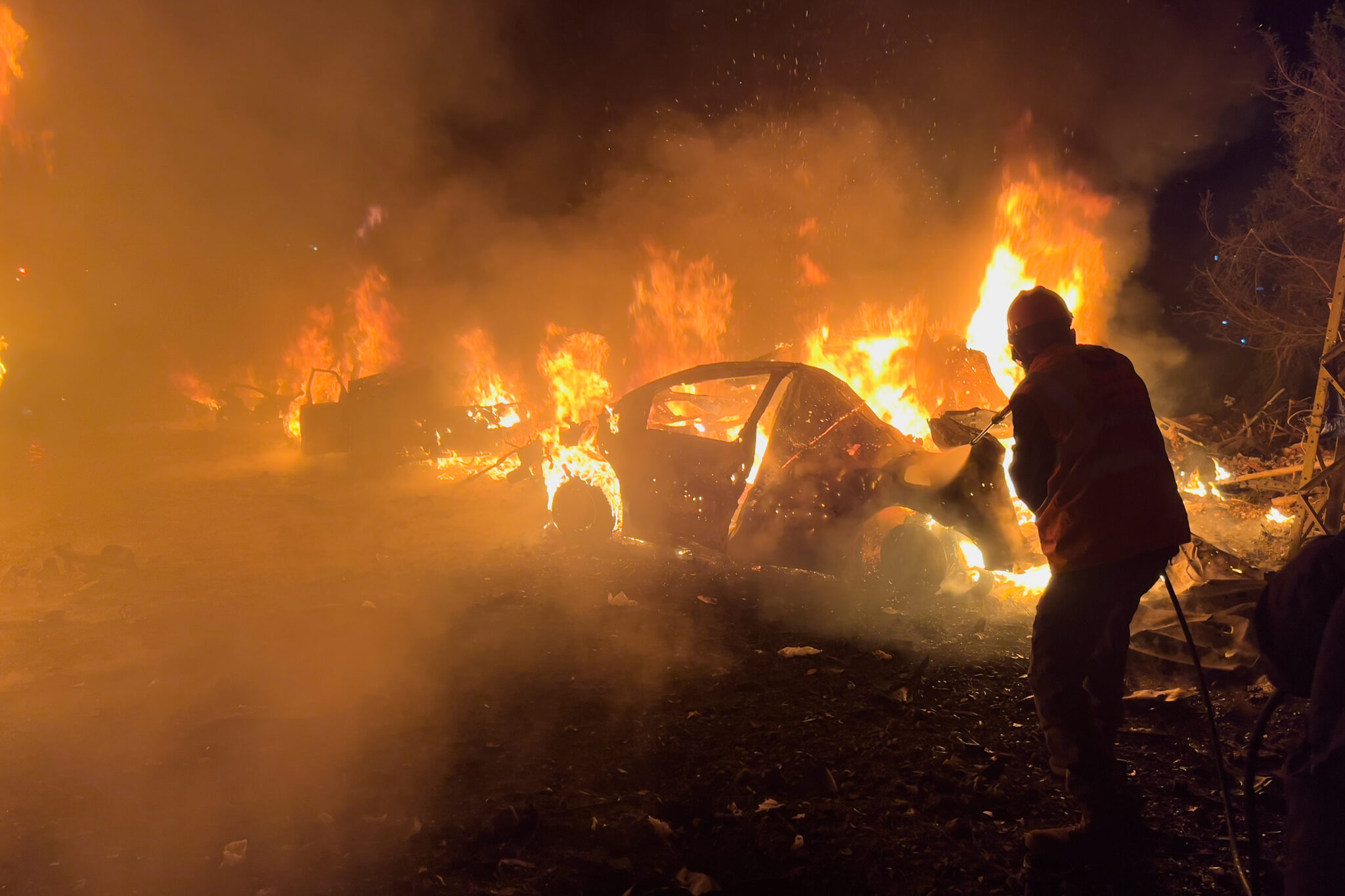
Iran Attacks Continue As Trump Threatens Escalation/ Newslooks/ WASHINGTON/ J. Mansour/ Morning Edition/ Iran launched new attacks across the Middle East as U.S. airstrikes continued on Tehran. President Donald Trump issued mixed signals about ending or escalating the conflict. Fighting spread across Gulf states, Lebanon, and Israel amid rising global oil concerns.

Iran Attacks Trump Escalation — Quick Looks
- Iran attacks Gulf states and oil tankers
- U.S. airstrikes continue targeting Tehran
- Trump threatens bombing “back to Stone Ages”
- Conflicting signals on war timeline
- More U.S. troops deployed to Middle East
- Strait of Hormuz remains blocked
- Israel strikes Lebanon and Iranian targets
- Oil prices surge amid conflict uncertainty
- Iran rejects ceasefire claims
- Casualties rise across region
Deep Look: Iran Attacks Continue As Trump Threatens Escalation
Attacks across Iran and the broader Middle East intensified Wednesday as U.S. airstrikes struck Tehran and Iran launched new attacks against Persian Gulf nations, while President Donald Trump issued conflicting statements about whether the war could soon end or expand further.
In a post on Truth Social, Trump took a hard-line stance, warning Iran to reopen the Strait of Hormuz or face devastating consequences. The president threatened that the United States would bomb Iran “back to the Stone Ages” if the crucial shipping route remained blocked.
The Strait of Hormuz remains central to the conflict. Roughly one-fifth of the world’s traded oil moves through the narrow waterway during peacetime, making its closure a major concern for global energy markets. Oil prices have surged more than 40% since the war began, with Brent crude trading above $103 per barrel Wednesday.
Despite his latest warning, Trump has offered mixed signals about the future of the conflict. On Tuesday, he suggested the United States could end the war within two to three weeks once he is confident Iran cannot develop nuclear weapons. He also indicated that a ceasefire agreement may not be necessary for U.S. forces to withdraw.
However, the president’s more recent statements suggested possible escalation. Thousands of additional U.S. troops are heading to the Middle East, raising speculation about potential ground operations after weeks of airstrikes.
Trump also claimed that Iran’s leadership had requested a ceasefire. However, it was unclear which official he was referencing, as Iran’s leadership structure has not changed. Iranian Foreign Ministry spokesman Esmail Baghaei dismissed Trump’s claim, calling it “false and baseless.”
Iranian Foreign Minister Abbas Araghchi also rejected U.S. threats, signaling Tehran’s readiness to continue fighting.
“You cannot speak to the people of Iran in the language of threats and deadlines,” Araghchi said in an interview with Al Jazeera. “We do not set any deadline for defending ourselves.”
Since the conflict began on Feb. 28, Trump has repeatedly shifted between signaling a potential withdrawal and threatening broader military action. Recent statements have included threats to strike Iran’s Kharg Island oil export hub and speculation about securing Iran’s uranium stockpile.
Such operations could be complex and dangerous, experts say, due to radiation risks and the possibility of escalating the conflict further. The role of Israel, which has conducted joint strikes with the United States, also remains uncertain.
Economic pressure is mounting as the war continues. Rising oil prices have pushed up the cost of gasoline, food, and other goods worldwide. Even if the Strait of Hormuz reopens quickly, analysts warn that inflationary pressures could persist for months.
Diplomatic efforts remain uncertain. The United States has reportedly presented Iran with a 15-point proposal that includes reopening the Strait of Hormuz and rolling back Iran’s nuclear program. Iran has responded with its own five-point proposal, including maintaining sovereignty over the strait.
Iranian officials acknowledged receiving messages from U.S. Middle East envoy Steve Witkoff but said there are no direct negotiations underway. Araghchi said trust between the two countries is effectively nonexistent.
Meanwhile, fighting across the region intensified. A cruise missile struck an oil tanker off Qatar’s coast Wednesday, forcing evacuation of its 21-member crew. No casualties were reported.
Another oil tanker came under attack off Dubai the previous day, one of more than 20 ships targeted since the conflict began. In the United Arab Emirates, one person was killed by debris from an intercepted drone.
Missile and drone alerts sounded across Bahrain and Kuwait. A drone struck a fuel tank at Kuwait International Airport, sparking a large fire. Jordan intercepted a ballistic missile and drones fired from Iran, while Saudi Arabia also intercepted two drones.
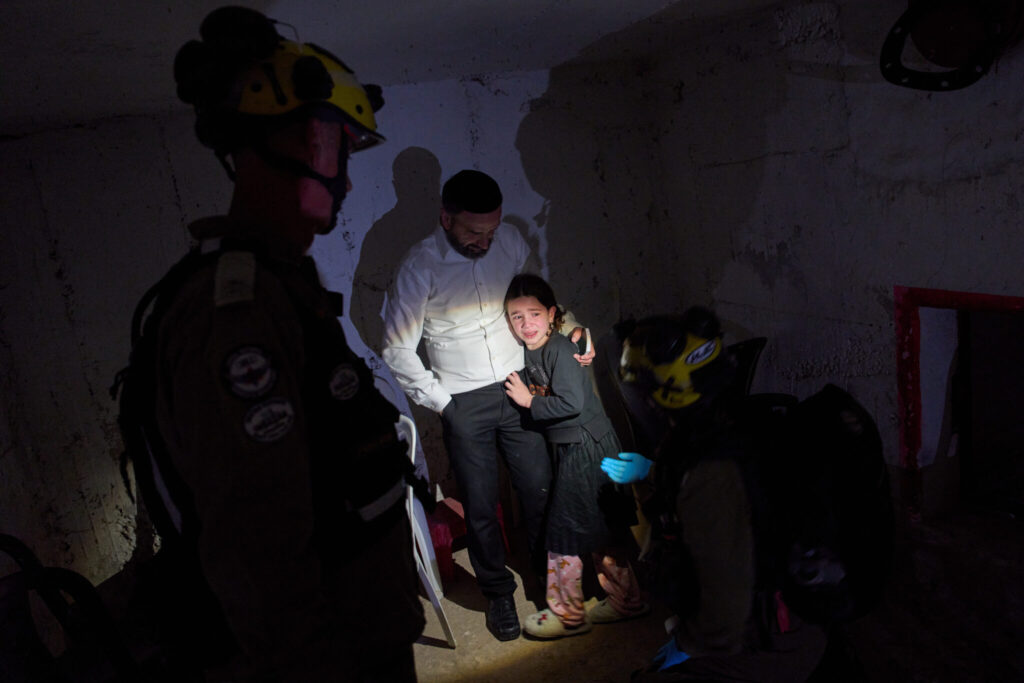
Air raid sirens sounded in Israel, though no immediate casualties were reported.
Airstrikes also targeted Tehran. One strike appeared to hit the former U.S. Embassy compound, which Iran’s Revolutionary Guard has controlled since the 1979 hostage crisis. Witnesses reported shattered windows and damage inside the compound.
Israel also reported striking a plant in Iran accused of producing fentanyl. Iran acknowledged the strike but said the facility manufactured hospital drugs.
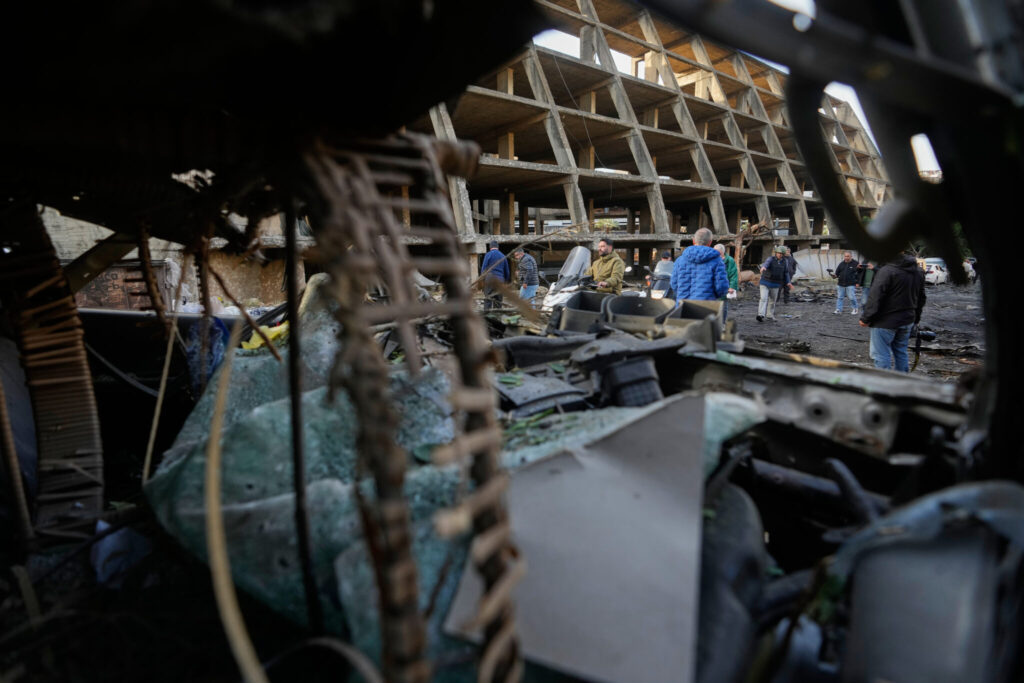
Fighting also spread to Lebanon. Israeli strikes in a Beirut neighborhood killed at least five people. Israel has expanded operations in southern Lebanon following missile attacks by Hezbollah.
The human toll continues to grow. Authorities report more than 1,900 deaths in Iran, while 19 people have been killed in Israel. More than two dozen people have died in Gulf states and the West Bank, and 13 U.S. service members have been killed.
The widening conflict, rising casualties, and economic fallout underscore the growing stakes as Trump prepares to deliver a televised address outlining the next phase of U.S. strategy.




You must Register or Login to post a comment.