

Iran-Backed Houthis Launch First Missile Toward Israel/ Newslooks/ WASHINGTON/ J. Mansour/ Morning Edition/ Iran-backed Houthi rebels launched their first missile toward Israel since the regional war began. Israel intercepted the projectile as fighting intensified across Iran, Israel, Lebanon and Gulf states. The expanding conflict threatens global shipping, oil markets, and regional stability.
Iran-Backed Houthis Missile Attack Quick Looks
- Houthis launch first missile toward Israel
- Israeli military intercepts projectile successfully
- War escalates after US-Israel strikes on Iran
- Iran retaliates with attacks across region
- U.S. troops wounded at Saudi base
- Israel strikes Iranian nuclear facilities
- Red Sea shipping routes face renewed threats
- U.S. deploys additional troops and Marines
- Strait of Hormuz tensions disrupt global markets
- Death toll rises across Middle East
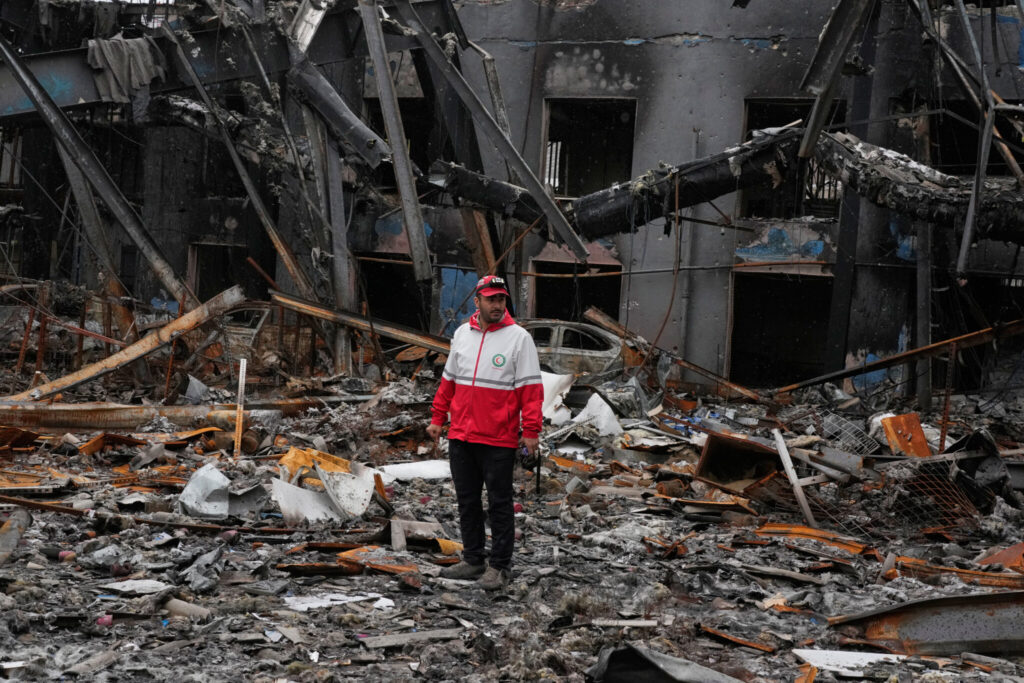
Deep Look: Iran-Backed Houthis Claim First Missile Launch Toward Israel As Middle East War Escalates
DUBAI, United Arab Emirates — Iran-backed Houthi rebels in Yemen claimed responsibility for launching a missile toward Israel early Saturday, marking their first direct involvement since the monthlong Middle East war began. Israeli military officials confirmed intercepting the projectile, preventing casualties or major damage.
The missile launch signals a widening of the conflict that erupted after the United States and Israel carried out strikes on Iran. Tehran responded with retaliatory attacks targeting Israel and Gulf Arab states, setting off a rapidly expanding regional crisis.
The fighting has disrupted global air travel, shaken oil markets, and sent fuel prices higher. Iran’s control over the Strait of Hormuz — one of the world’s most critical shipping lanes — has intensified the economic fallout.
Israeli Strikes Continue as Iran Retaliates
Hours before the Houthi missile launch, Israel struck Iranian nuclear facilities following warnings that it would escalate military operations against Tehran. Iranian officials vowed retaliation, and Tehran responded with missile strikes and drone attacks across the region.
Smoke was seen rising over northeastern Tehran following Israeli airstrikes, according to Associated Press footage. Loud explosions were also reported in Jerusalem as Iran launched missiles toward Israel.
Iran also struck a military base in Saudi Arabia, injuring more than a dozen U.S. service members and damaging aircraft. The attacks underscored the expanding scope of hostilities.
Despite escalating violence, there were brief signs of possible diplomatic progress. Iran agreed to allow humanitarian aid and agricultural shipments through the Strait of Hormuz, offering limited relief to global markets concerned about supply disruptions.
Houthis Enter the Conflict
Houthi Brig. Gen. Yahya Saree announced that the group launched a barrage of ballistic missiles targeting what he described as sensitive Israeli military sites in southern Israel. The announcement aired on the rebels’ Al-Masirah television network.
Sirens sounded in southern Israel, including around Beer Sheba and near Israel’s main nuclear research center, as missiles and drones targeted multiple locations overnight. Israeli authorities reported responding to at least 11 impact sites following the attacks.
The Houthis’ involvement raises concerns that the group may resume attacks on commercial shipping in the Red Sea, as it did during previous regional conflicts. Before the war, approximately $1 trillion worth of goods moved annually through the Red Sea corridor.
The rebels also launched drones toward Israel, further complicating military operations and increasing risks to regional shipping routes.
U.S. Military Deployments Complicated
The widening conflict could also complicate U.S. naval deployments. The aircraft carrier USS Gerald R. Ford recently arrived in Split, Croatia, after repairs in Crete. If deployed to the Red Sea, the carrier could face threats similar to previous attacks targeting U.S. naval forces.
Past campaigns saw the USS Dwight D. Eisenhower and USS Harry S. Truman encounter drone and missile threats from Houthi forces.
The Houthis have controlled Yemen’s capital, Sanaa, since 2014. Saudi Arabia launched a military campaign against the group in 2015, but the rebels had largely stayed out of the current war due to a fragile ceasefire with Riyadh.
U.S. Troops Wounded in Saudi Arabia
Meanwhile, Iranian attacks on Saudi Arabia’s Prince Sultan Air Base wounded more than two dozen U.S. service members over the past week, according to officials briefed on the situation.
On Friday alone, Iran fired six ballistic missiles and 29 drones at the base, injuring at least 15 troops, including five seriously. Earlier strikes this week wounded 14 additional U.S. personnel.
The base, located about 60 miles from Riyadh, is operated by Saudi forces but hosts U.S. military personnel.
Diplomatic Efforts Intensify
Despite ongoing hostilities, diplomatic efforts continue. President Donald Trump said negotiations were progressing and gave Iran until April 6 to reopen the Strait of Hormuz. Iranian officials denied participating in talks.
Pakistan announced that Saudi Arabia, Turkey and Egypt will send top diplomats to Islamabad for negotiations aimed at reducing tensions.
Pakistan’s Prime Minister Shehbaz Sharif also confirmed discussions with Iranian President Masoud Pezeshkian about ending the conflict.
Iranian Foreign Minister Abbas Araghchi expressed skepticism about diplomatic progress, accusing the United States of making unreasonable demands.
U.S. envoy Steve Witkoff reportedly delivered a 15-point ceasefire proposal, including restrictions on Iran’s nuclear program and reopening the Strait of Hormuz. Iran rejected the proposal and countered with a five-point plan that included reparations and recognition of its sovereignty over the waterway.
U.S. Deploys Additional Forces
The United States is increasing its military presence in the region. U.S. ships carrying approximately 2,500 Marines are heading toward the Middle East.
Additionally, at least 1,000 troops from the 82nd Airborne Division — trained for rapid deployment into hostile territory — have been ordered to the region.
Secretary of State Marco Rubio said the United States can achieve its objectives without deploying ground combat troops.
Rising Death Toll Across Region
Casualties continue to mount across the Middle East:
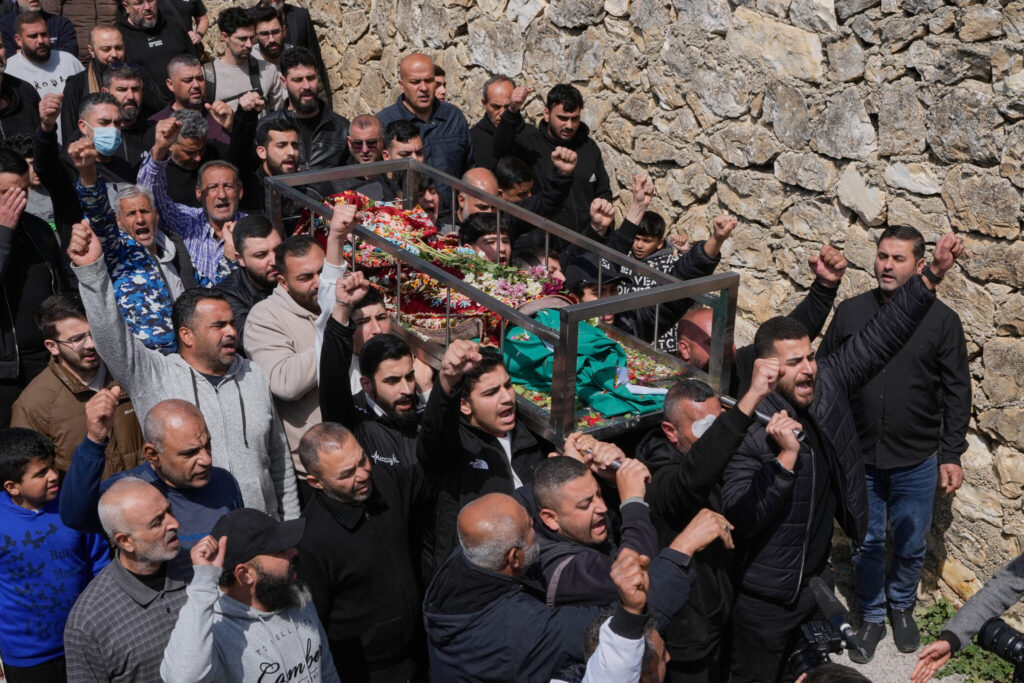
- More than 1,900 killed in Iran
- 19 killed in Israel
- Over 1,100 killed in Lebanon
- 13 U.S. troops killed
- 80 Iraqi security personnel killed
- 20 killed in Gulf states
- Four deaths reported in West Bank
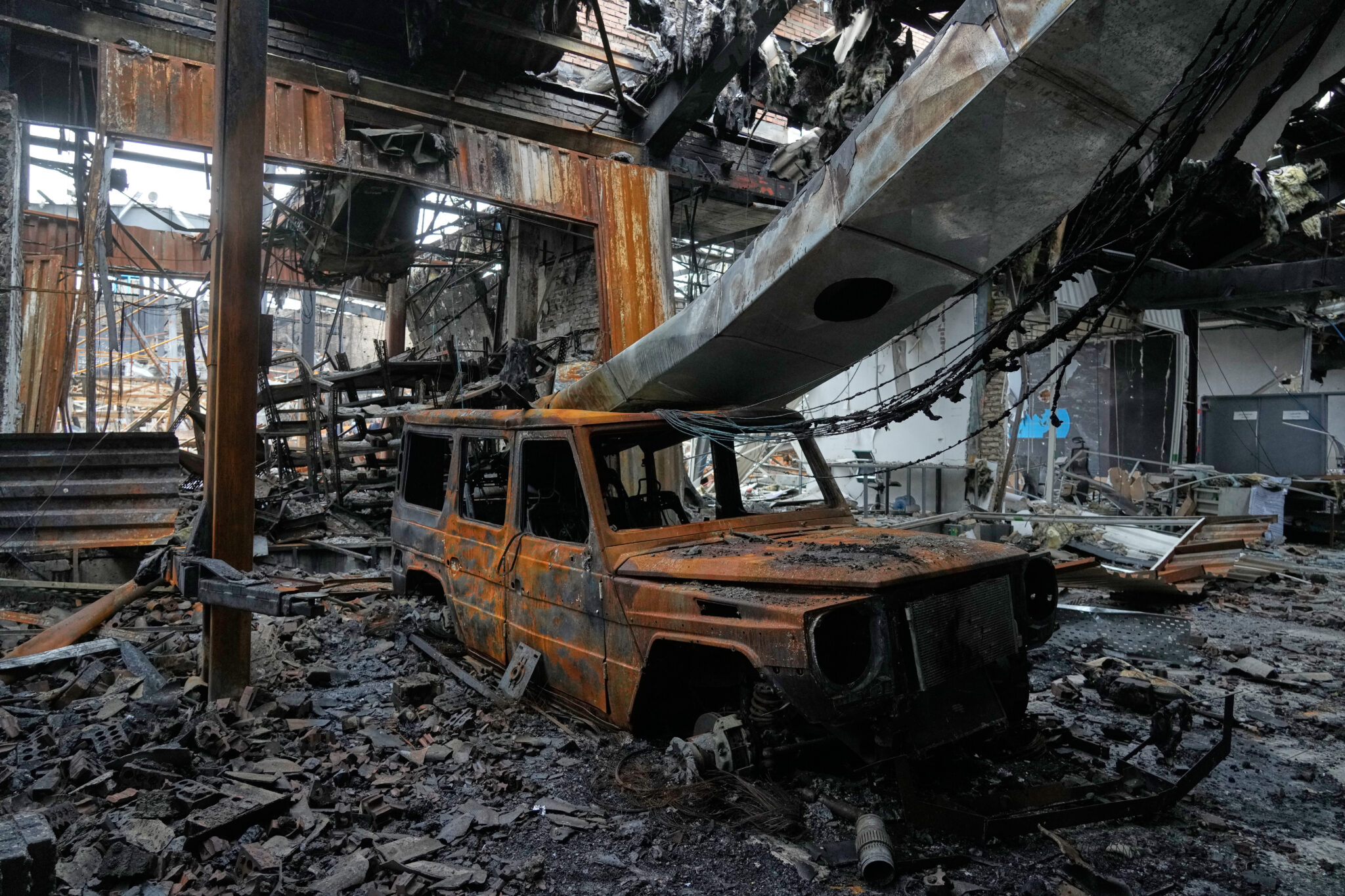
The United Nations reported that 82,000 civilian buildings in Iran have been damaged, affecting approximately 180,000 residents.
Israel Targets Iranian Nuclear Program
Israel confirmed strikes on Iranian nuclear-related facilities, including the Shahid Khondab Heavy Water Complex and the Ardakan yellowcake production plant.
Iran said no casualties occurred and there was no contamination risk. However, Israeli officials described the strikes as a significant blow to Iran’s nuclear program.
Tehran vowed retaliation following the attacks.
Strait of Hormuz Aid Breakthrough
Iran agreed to allow humanitarian aid and agricultural shipments through the Strait of Hormuz after a request from the United Nations.
The waterway handles about one-fifth of global oil shipments and nearly one-third of fertilizer trade. Disruptions have raised concerns about global food supply and economic stability.
The decision may ease some pressure on global markets, but uncertainty remains as fighting continues.






You must Register or Login to post a comment.