

Iran Ceasefire Teeters as Lebanon Strikes, Hormuz Tensions Rise/ Newslooks/ WASHINGTON/ J. Mansour/ Morning Edition/ The Iran ceasefire faces mounting pressure from Israel strikes and shipping disputes. Iran and the U.S. exchanged warnings as tensions escalated again. Peace talks remain uncertain as oil prices climb and risks grow.
Iran Ceasefire Crisis Quick Looks
- Ceasefire faces collapse risks
- Israel strikes Beirut, Lebanon heavily
- Strait of Hormuz shipping remains limited
- Iran threatens strong response
- Oil prices climb amid uncertainty
- Peace talks planned in Pakistan
- Uranium dispute remains unresolved
- Missile capabilities still concern U.S.
- Hezbollah tensions escalate
- Hundreds killed in Lebanon strikes
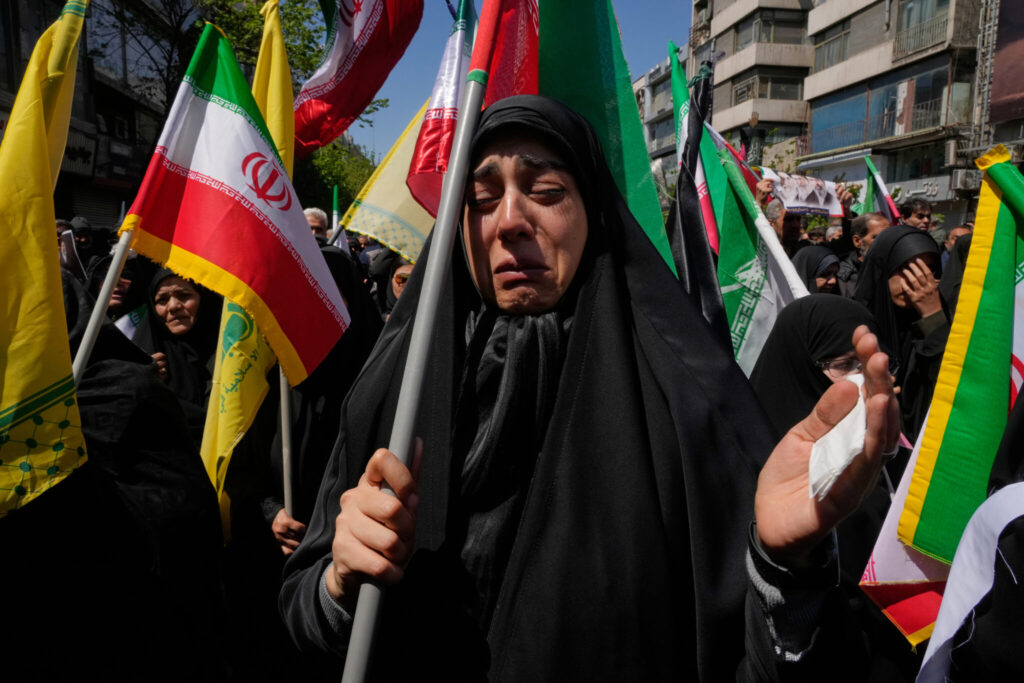
Deep Look: Iran Ceasefire Falters Amid Lebanon Strikes and Hormuz Disputes
DUBAI, United Arab Emirates — A fragile ceasefire in the Iran war showed signs of unraveling Thursday as Israeli airstrikes pounded Lebanon, Iran tightened control over the Strait of Hormuz, and key disagreements emerged ahead of planned peace talks.
Both Iran and the United States had declared victory following the ceasefire announcement, but tensions quickly resurfaced as each side applied pressure and questioned the other’s commitments.
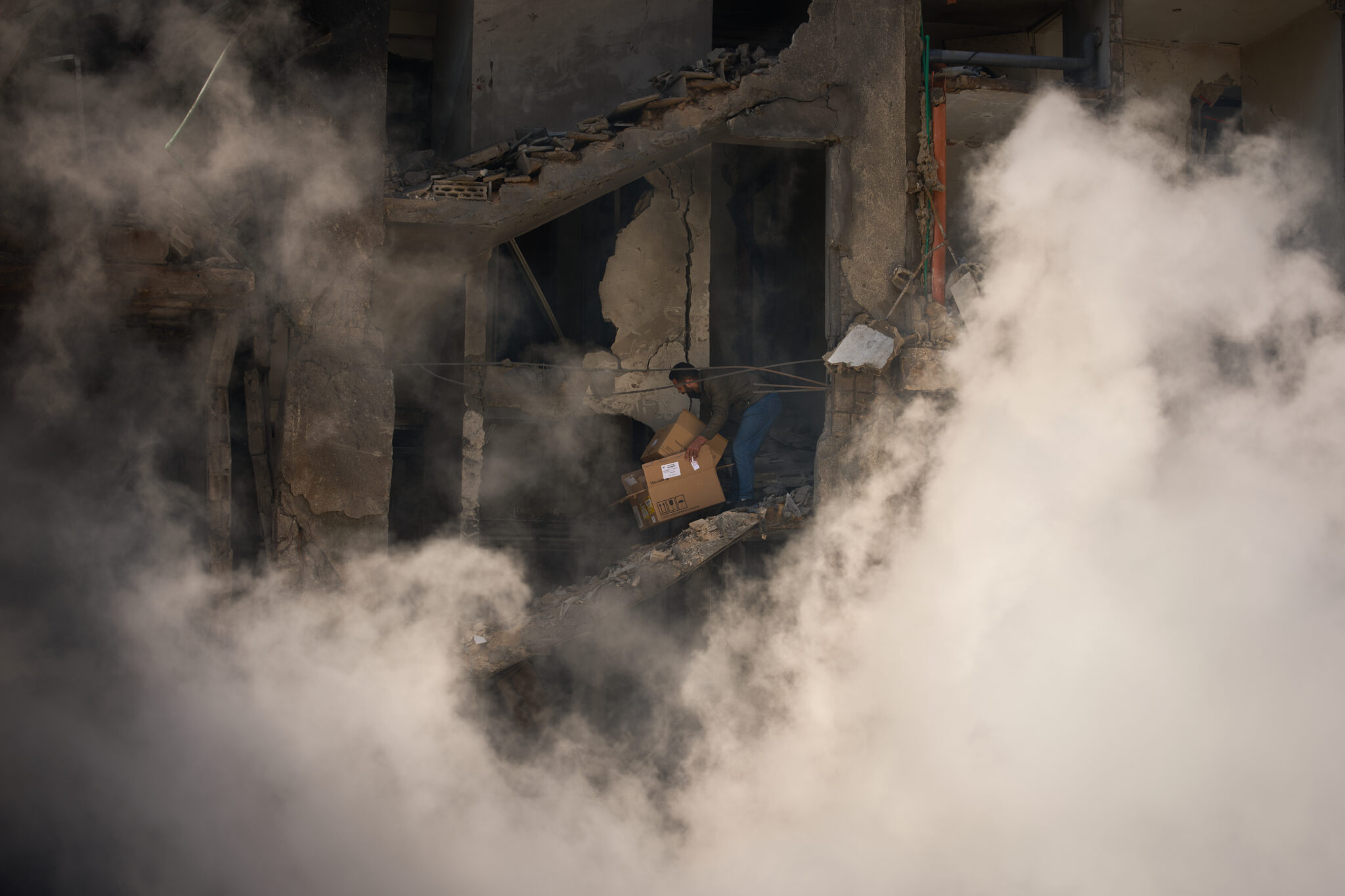
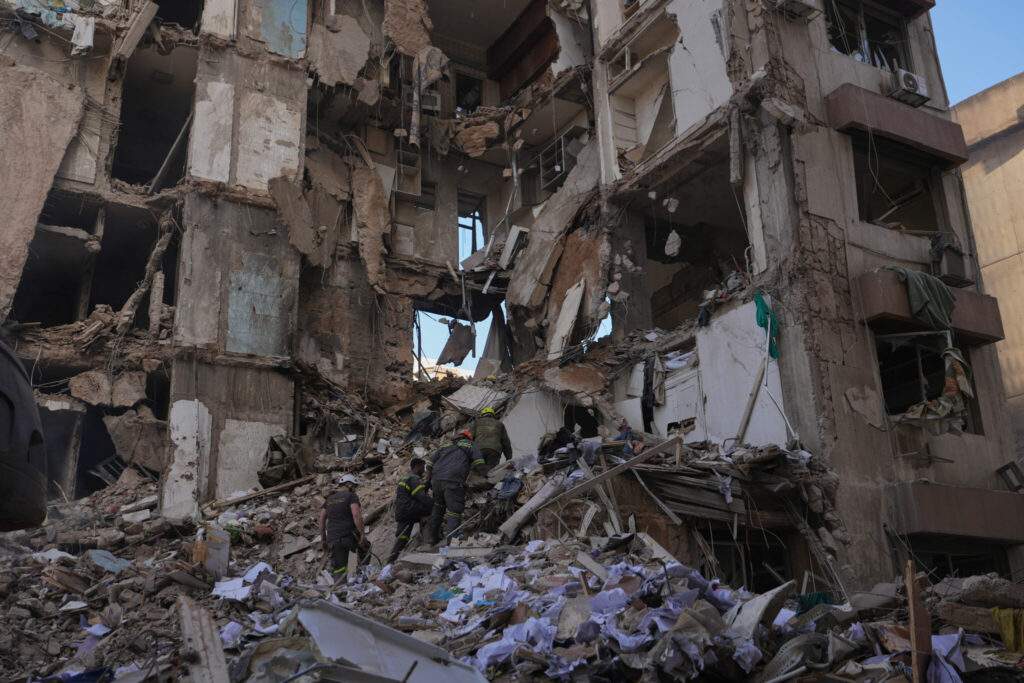
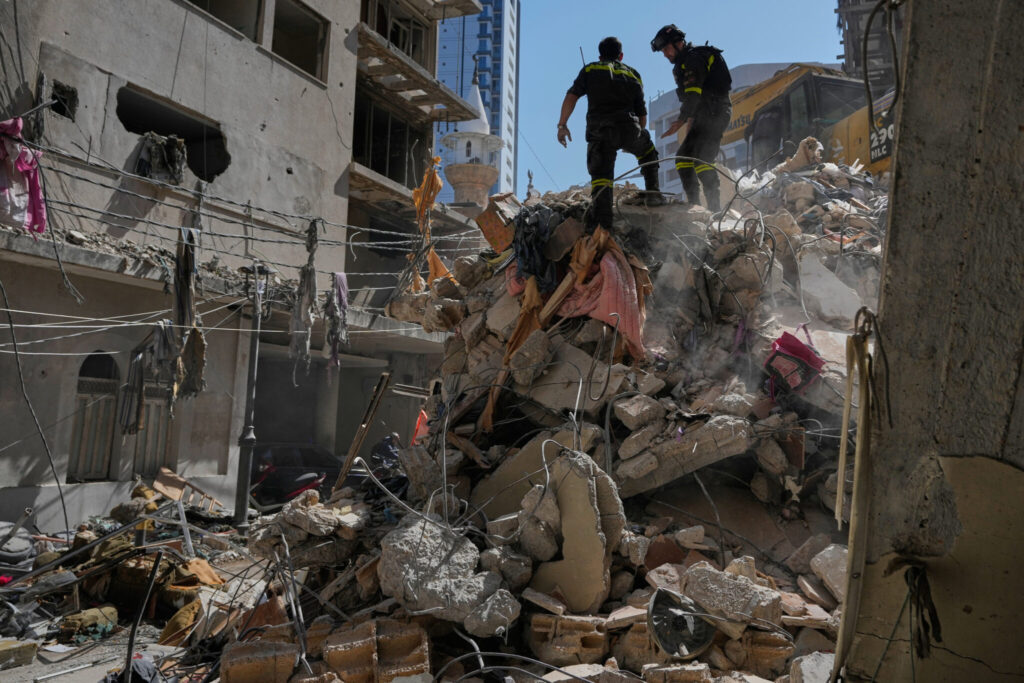
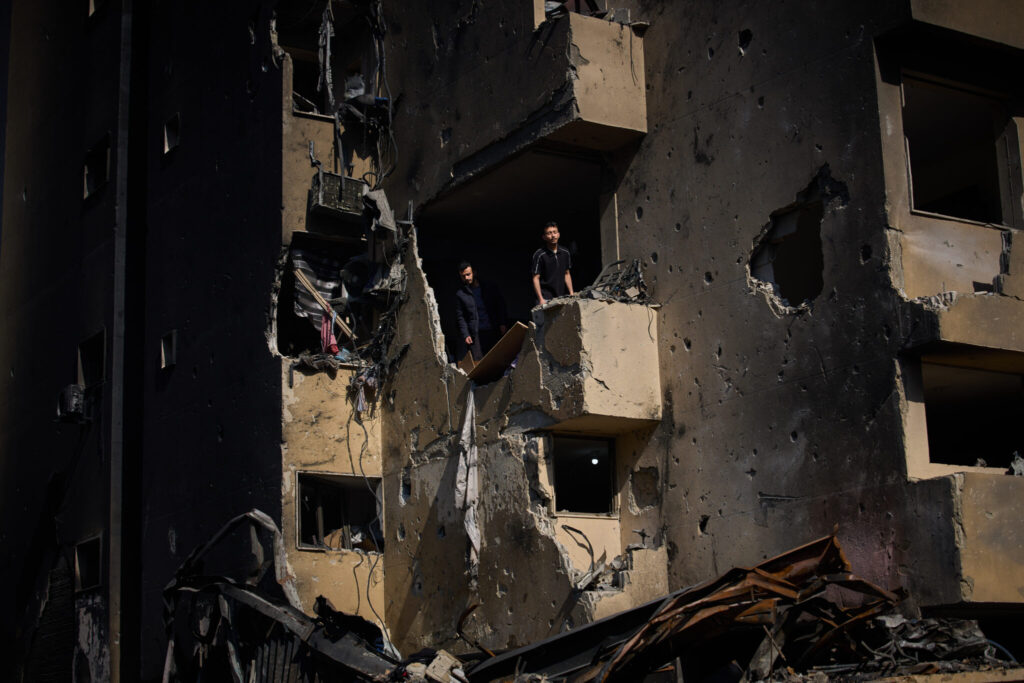
Israeli bombardments of Beirut intensified Wednesday, marking the deadliest day in Lebanon since the conflict began on Feb. 28. The attacks fueled disagreement over whether the ceasefire applied to fighting between Israel and Hezbollah.
Israel Continues Strikes in Lebanon
Iran’s parliament speaker, Mohammad Bagher Qalibaf, warned that continued Israeli attacks on Hezbollah would trigger “explicit costs and STRONG responses.”
Iran has argued that Israel’s actions violate the ceasefire, while Israeli Prime Minister Benjamin Netanyahu and President Donald Trump maintain that Lebanon is not covered under the agreement.
Netanyahu vowed Israel would continue targeting Hezbollah.
Israel launched airstrikes that killed at least 203 people and wounded more than 1,000 in Beirut and other areas, according to Lebanon’s health ministry.
Israeli officials said the attacks targeted Hezbollah infrastructure. Israel also claimed Thursday that it killed Ali Yusuf Harshi, an aide to Hezbollah leader Naim Kassem.
Hezbollah did not immediately confirm the claim.
Analysts warned the escalation threatens the ceasefire.
A New York-based think tank, the Soufan Center, said the truce “hovers on the verge of collapse,” noting that Israel’s strikes could deepen tensions between Iran and its allies.
Overnight, Lebanon’s state-run news agency reported another Israeli strike killed seven people in southern Lebanon.
Strait of Hormuz Remains a Flashpoint
Tensions also grew over the Strait of Hormuz, a key global oil shipping route.
Iranian semi-official news agencies published charts suggesting the Revolutionary Guard had mined the strait during the war, creating a “danger zone” for ships.
The waterway typically handles about 20% of the world’s oil and natural gas shipments.
Only a small number of ships have transited since the war began, with many avoiding the route due to safety concerns.
Iran’s deputy foreign minister said ships would be allowed through only after U.S. military actions end and Israeli attacks on Lebanon stop.
Meanwhile, the United Arab Emirates said about 230 oil tankers were waiting to pass through the strait.
The limited shipping has driven oil prices higher globally.
Brent crude rose to around $98 per barrel Thursday, up roughly 35% since the conflict began.
Shipping Fees Debate
Another major issue in negotiations is whether Iran will charge ships to pass through the Strait of Hormuz.
Such a move would challenge decades of free transit through the strategic waterway.
The issue is expected to be central to upcoming diplomatic talks.
Nuclear and Missile Disputes Continue
The future of Iran’s nuclear program also remains unresolved.
The United States has demanded removal of Iran’s enriched uranium stockpile, which could potentially be used for nuclear weapons.
Iran insists its nuclear program is peaceful and wants to retain enrichment rights.
Iran’s nuclear chief, Mohammad Eslami, said protecting enrichment rights is “necessary” for negotiations.
Trump said the U.S. would work with Iran to remove uranium buried during previous strikes, but Iran has not confirmed that plan.
Military Tensions Continue
Trump warned that U.S. forces would remain deployed near Iran until a final agreement is reached.
U.S. warships and troops remain in the region as a deterrent.
At the same time, Iran retains missile capabilities and support for regional allies, including Hezbollah.
Peace Talks Ahead
U.S. Vice President JD Vance is expected to lead negotiations in Islamabad this weekend.
Iranian officials have indicated possible participation, though key disagreements remain.
The talks will address:
- Strait of Hormuz reopening
- Uranium enrichment
- Sanctions relief
- Regional proxy conflicts
- Missile programs
Fragile Ceasefire
Despite the ceasefire, the situation remains volatile.
Israel’s strikes in Lebanon, Iran’s control of the Strait of Hormuz, and nuclear disagreements continue to threaten peace.
The coming negotiations will determine whether the ceasefire holds or the conflict escalates again.



You must Register or Login to post a comment.